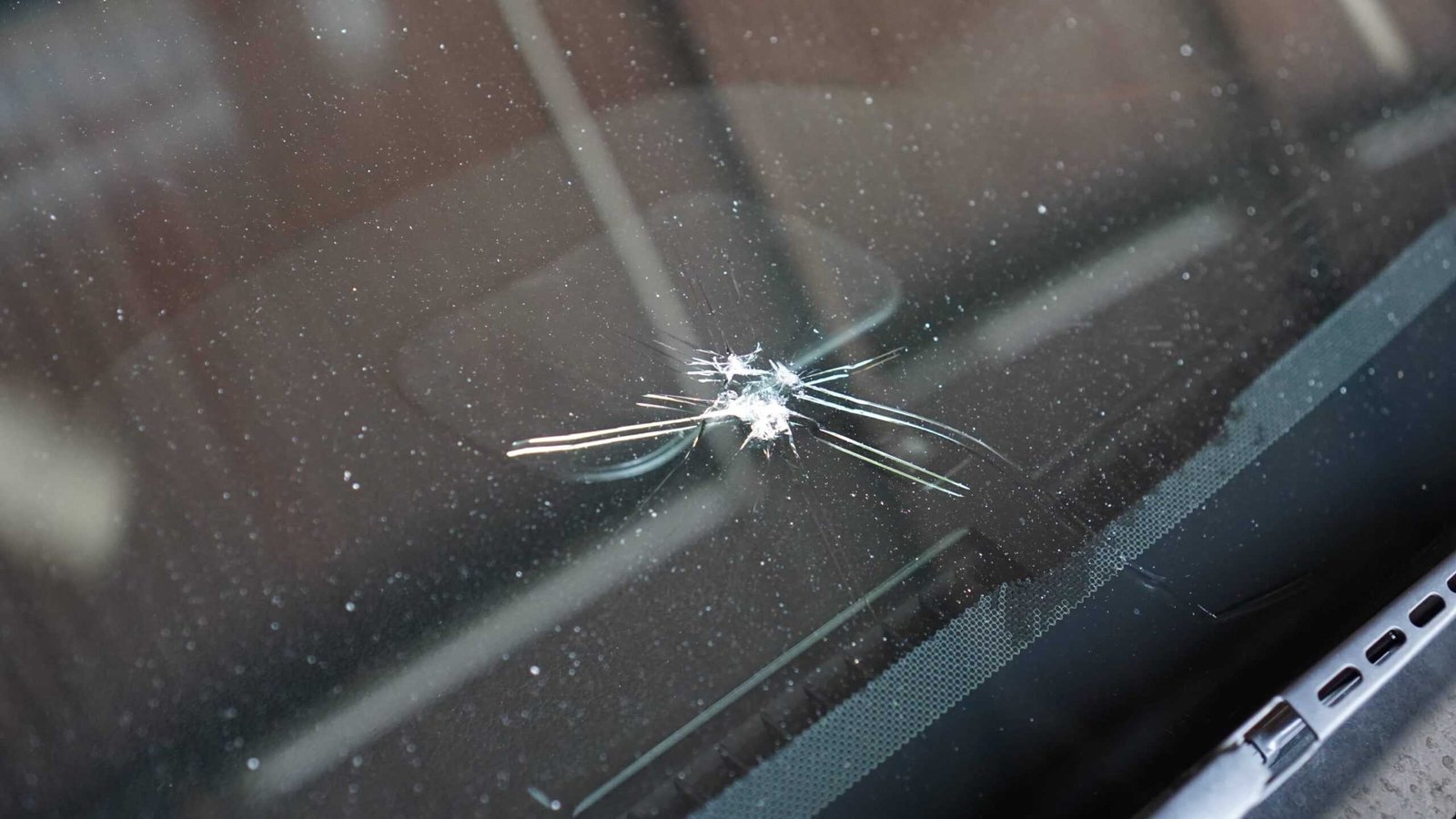
Yes, cracked car glass can often be repaired depending on the severity and location of the crack. If caught early, many small cracks and chips can be fixed without needing full replacement, saving you time and money.
Cracked car glass can sometimes be repaired if the damage is minor and doesn’t compromise the structural integrity of the windshield. However, larger or more complex cracks usually require a full replacement for safety reasons. Promptly addressing glass damage is essential to prevent it from spreading and to ensure your vehicle remains safe on the road.
A cracked windshield can be a real headache, but the good news is that many minor damages don’t necessarily mean you need a new glass installation. Whether you can repair or must replace depends on the size, location, and severity of the crack. Acting quickly can often save you from more costly repairs later, so it’s worth having your car inspected as soon as you notice any damage.

Can Cracked Car Glass Be Repaired? Everything You Need to Know
Understanding Car Glass Damage
Car glass, especially the windshield, is made from specially treated safety glass. This glass is designed to withstand impacts and protect passengers in case of an accident. When cracks appear, it’s important to assess whether the damage is repairable or if replacement is necessary. Small chips or cracks can sometimes be fixed, but larger or more severe damage often requires a new window.
Types of Cracks and Chips in Car Glass
Knowing the type of crack or chip helps determine if repair is possible. Common types include:
- Chip: Small indentation caused by small objects hitting the glass.
- Stress Crack: Radial cracks caused by pressure or temperature changes.
- Bullseye: A circular chip with radial cracks extending outward.
- Circular or Star Breaks: Cracks radiating from a central point, often larger and more complex.
Each type has its own repairability criteria, with smaller chips and cracks generally more repair-friendly.
When Can Cracks Be Repaired?
Car glass cracks can often be repaired if they meet specific conditions:
- The crack is less than 6 inches long.
- The damage is confined to the windshield surface or the first few millimeters deep.
- The crack has not extended across the entire glass.
- The crack is not in the driver’s line of sight, which may affect safety and legality.
Repairs are usually quick, affordable, and effective if these conditions are met. However, if the damage is more extensive, replacement might be the only safe option.
Repair Methods for Cracked Car Glass
There are two main techniques used for repairing cracked car glass.
Resin Injection
This is the most common method for small to medium cracks and chips. The process involves injecting a special glass resin into the crack to fill the gaps. The resin is then cured with UV light or heat, making the crack less visible and preventing it from spreading.
Windshield Repair Kits
For minor damages, DIY repair kits are available. These kits contain resin, applicators, and curing tools. They’re suitable for small chips and cracks but should be used carefully to avoid further damage.
Factors That Affect Repair Success
Several elements influence whether a crack can be successfully repaired:
- Size and depth: Smaller and shallower cracks are easier to fix.
- Location: Cracks in the driver’s line of sight may require full replacement for safety.
- Type of damage: Circular chips and minor cracks are typically more repairable than complex or multiple cracks.
- Time elapsed since damage: Prompt repairs are more effective since cracks tend to spread over time.
Timely action can save money and extend the life of your car glass.
Repair vs. Replacement: What Should You Choose?
Deciding whether to repair or replace your cracked windshield depends on several factors:
- Extent of damage: Large cracks or multiple cracks usually mean replacement is necessary.
- Legal requirements: Some regions have strict laws about crack size and placement.
- Safety concerns: Damage that obstructs your view needs immediate replacement.
- Cost considerations: Repairs are generally cheaper but have limits. Replacement, although more expensive, offers a permanent solution.
Benefits of Repairing Your Car Glass
Opting to repair instead of replace comes with several advantages:
- Time-saving: Repairs typically take less than an hour.
- Cost-effective: Repair costs are significantly lower than replacement.
- Preserves the original glass: Keeps the factory-installed windshield intact.
- Less environmental impact: Repair reduces waste and the need for new glass manufacturing.
Potential Risks and Limitations of Repairs
While repairs are beneficial, they are not always perfect solutions. Risks include:
- Residual visibility issues: Cracks may still be visible after repair.
- Weakening of the glass: Improper repairs might not restore full strength.
- Limited lifespan: Repairs may need to be redone if cracks reappear or worsen.
- Not suitable for all damages: Severe or extensive cracks cannot be fixed safely.
Understanding these risks helps you make informed decisions about your car’s safety.
Cost of Repair and Replacement
The price to repair or replace car glass varies based on damage severity and vehicle type:
| Service | Average Cost | Factors Influencing Cost |
|---|---|---|
| Windshield Repair | $50 to $150 | Size, location, and technician’s rates |
| Windshield Replacement | $200 to $500 | Vehicle make and model, type of glass used |
Insurance coverage can often reduce these costs, so it’s worth checking your policy.
Preventing Future Damage
Preventive measures can help minimize the risk of cracks:
- Keep a safe distance from debris on the road.
- Avoid drastic temperature changes; try not to pour hot water on a frozen windshield.
- Park in shaded or sheltered areas to reduce thermal stress.
- Regularly inspect your glass for small chips and cracks, and address them early.
Proper maintenance can save you money and ensure safety.
Summary
Cracks in car glass can sometimes be repaired, especially if the damage is minor and promptly addressed. However, larger or more complex cracks often demand full replacement for safety reasons. Repairing your windshield not only saves money but also saves time and reduces environmental impact. Always consult with a professional to assess the damage and choose the best option for your vehicle.
Related Topics
Explore other related topics such as:
- How to choose a quality auto glass repair shop
- Signs it’s time for a windshield replacement
- Auto glass insurance claims process
How to Repair a Windshield Chip or Crack
Frequently Asked Questions
Does a small crack in car glass always need a full replacement?
No, not necessarily. Small cracks and chips often can be repaired without replacing the entire windshield or window. Repair depends on the crack’s size, location, and depth. A professional technician can assess whether the damage qualifies for a repair or if a complete replacement is necessary to ensure safety and structural integrity.
Can repairing a cracked windshield restore its original strength?
Repair work can significantly restore the windshield’s strength if performed correctly and promptly. Quality repairs bond the crack or chip, preventing it from spreading further. However, if the damage is extensive or located in critical areas like the driver’s line of sight, a full replacement may be the safest option to maintain the vehicle’s safety standards.
How does the age of the crack affect the repair process?
The age of a crack impacts how well it can be repaired. Fresh cracks are easier to fix as the damage hasn’t spread or worsened over time. Older cracks tend to accumulate dirt, moisture, or debris, which can weaken the repair bond and reduce the effectiveness of the repair. It’s best to address cracks as soon as they occur to maximize repair success.
Will repairing cracked car glass compromise vehicle safety?
When performed correctly, repairing cracks usually maintains the vehicle’s safety standards. Repairing prevents the crack from expanding, which could compromise the windshield’s ability to withstand impacts. However, if the damage is too severe or in a critical area, replacing the glass might be the safer choice to ensure optimal safety on the road.
Are there specific types of cracks that cannot be repaired?
Yes, certain cracks are unlikely to be repairable. For example, cracks that are longer than a certain length, typically over 6 inches, or those with multiple branches or chips near the edges are harder to repair effectively. Additionally, cracks that penetrate deeply or reach the edge of the glass usually require a full replacement to maintain safety and visibility.
Final Thoughts
Cracked car glass can often be repaired depending on the severity and location of the damage. Small chips and minor cracks are usually fixable, saving you money and time. However, large or complex cracks may require complete window replacement for safety reasons.
In conclusion, can cracked car glass be repaired? Yes, it often can, especially if addressed early. Consulting a professional will help determine the best course of action to ensure your vehicle remains safe and secure.

- How To Fix Laminated Windshield Chip Effectively - October 29, 2025
- How To Repair Laminated Glass Crack Effectively - October 29, 2025
- How To Clean Laminated Glass Properly For Sparkling Results - October 29, 2025