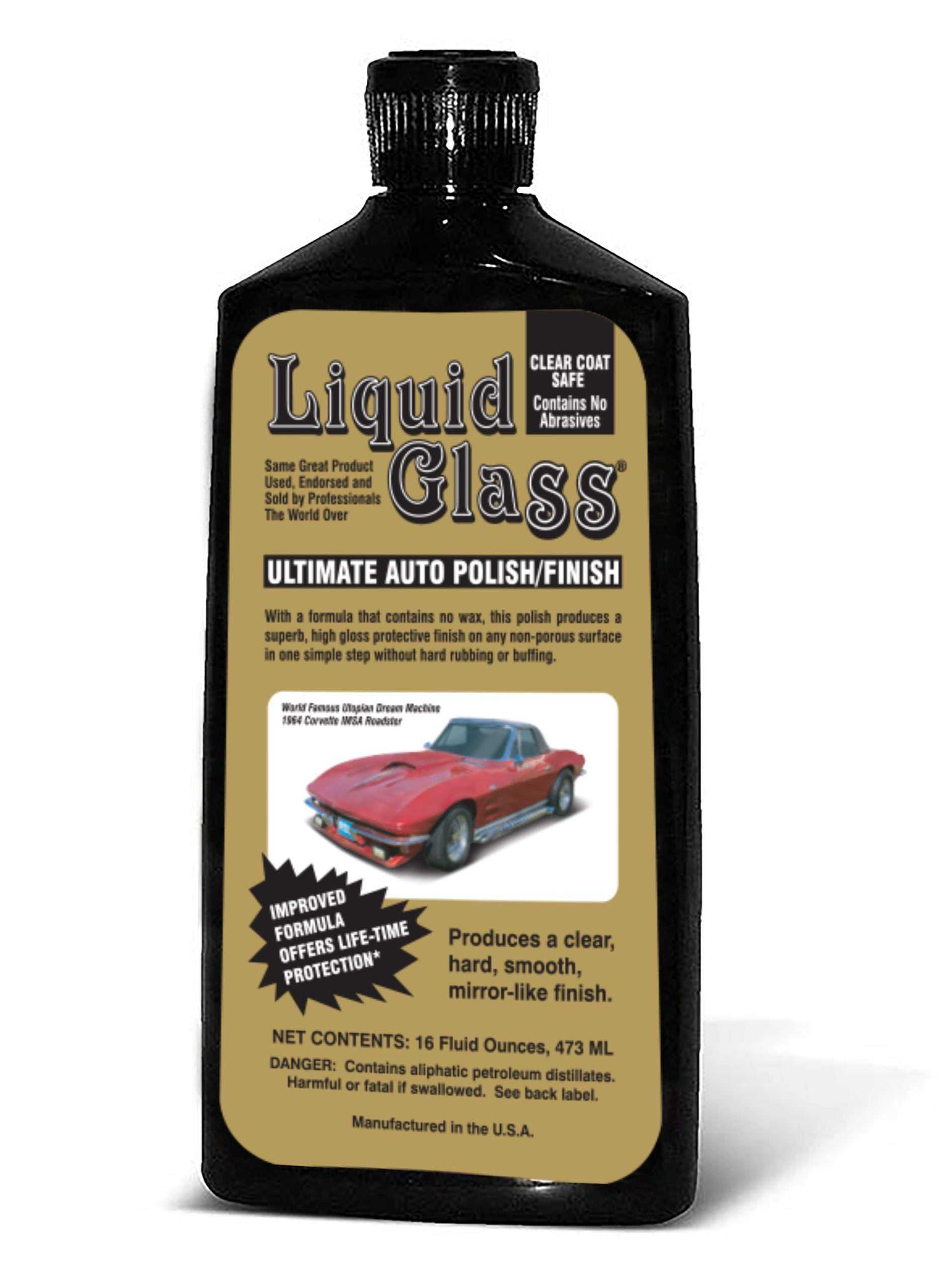
Yes, car polish can be used on glass, but it’s not always the best solution for cleaning or polishing windows. While a small amount of polish might temporarily make glass shine, using the wrong type or applying it improperly can cause streaks or damage. It’s essential to choose the right product designed specifically for glass surfaces.
In short, car polish is mainly formulated for paint, not glass, so it’s better to stick to products made for windows. However, in a pinch, certain polish formulas may help remove minor scratches or smudges on glass, but caution is advised. Proper cleaning with glass-specific cleaners usually provides better results without risking damage or leaving residues. Keep reading to find out what works best for your vehicle’s glass and how to achieve a clear, streak-free shine safely.

Can Car Polish Be Used on Glass?
Many car owners wonder if applying car polish on glass surfaces is safe and effective. The idea is tempting because polished glass can look shiny and clear, similar to a well-maintained car paint. However, understanding whether car polish is suitable for glass requires exploring its composition, purpose, and potential effects.
What Is Car Polish Made Of?
Car polish typically contains abrasive particles, polishing agents, and fillers. These components aim to remove minor scratches, oxidation, and haze from car paint, leaving a smooth, shiny surface. The abrasives are carefully selected to not damage the paint but are usually too harsh for delicate surfaces like glass.
Differences Between Car Paint and Glass Surfaces
Car paint is designed to be durable and withstand environmental elements, making it more tolerant to polishing. Glass, on the other hand, is a smooth, hard surface that can easily get scratched, chipped, or foggy if improperly treated. This difference influences whether car polish can be safely applied on glass.
Can Car Polish Be Used on Glass?
The short answer is generally no. Most car polishes are not formulated for use on glass surfaces. Using them on glass might lead to unwanted scratches or haziness. However, some specific polish types and products are designed explicitly for glass and can be safe when used correctly.
Potential Risks of Using Car Polish on Glass
Applying car polish on glass can cause several problems. The abrasive particles may scratch the glass surface, creating worse visibility issues. Also, residual polish can smear or leave streaks that are difficult to clean, reducing the clarity of the glass.
- Scratches and micro-grooves on the glass surface
- Increased fogging or streaking
- Potential damage to window coatings or tint films
These risks emphasize that most car polishes are not suitable for glass surfaces unless specified by the manufacturer.
When Might You Consider Using Car Polish on Glass?
There are limited cases where using car polish on glass might be considered. For instance, if a product explicitly states it is safe for glass and is used in very fine, controlled applications. Some high-end detailers use specialized polishing compounds designed for glass to remove minor imperfections.
Always check the label and product instructions before attempting to polish glass. When in doubt, consult a professional to avoid damaging the surface.
Alternatives to Car Polish for Glass Care
Instead of using car polish, consider products specially formulated for glass. These options include:
- Glass cleaners with anti-fog properties
- Glass polishing compounds designed for automotive use
- Microfiber cloths for gentle cleaning and polishing
Using appropriate products ensures clarity, safety, and longevity of the glass surface. Regular cleaning prevents the buildup of dirt and grime, reducing the need for abrasive treatments.
How to Properly Clean and Maintain Glass Surfaces
Cleaning glass effectively involves several steps. First, remove loose dirt with a soft brush or water. Next, apply a quality glass cleaner and wipe with a microfiber cloth to avoid streaks. For stubborn spots or minor scratches, use a polishing compound made specifically for glass surfaces.
To prevent damage, avoid using abrasive pads or harsh chemicals not meant for glass. Regular maintenance keeps windows and mirrors clear without risking scratches or fogging.
DIY Tips for Glass Polishing
If you want to improve the clarity of your glass at home, follow these tips. Use a gentle, glass-safe polish or a mixture of water and vinegar for cleaning. For minor scratches, apply a small amount of polishing compound with a soft cloth and work in gentle circular motions. Always test on a small, inconspicuous area first.
Finish by thoroughly cleaning the surface to remove residue and buff with a clean microfiber cloth for a streak-free shine.
Professional Options for Glass Polishing
When in doubt, professional detailers can perform glass polishing with specialized equipment. They use high-grade polishing pads and compounds designed to restore clarity without harming the surface. Such services are especially recommended for older or heavily scratched glass.
Professional polishing can significantly improve visibility and extend the life of your car’s windows and mirrors.
Key Takeaways
- Most car polishes are not suitable for glass surfaces due to their abrasive content.
- Using the wrong product can cause scratches, streaks, and fogging on glass.
- Always opt for products specifically made for glass cleaning or polishing.
- Regular cleaning and gentle polishing can keep glass surfaces clear and in good condition.
Understanding the differences between car polish and glass surfaces helps prevent accidental damage while maintaining a clear, shiny look. When selecting products or methods, prioritize safety and manufacturer recommendations to ensure your glass remains pristine and damage-free.
Glass Polishing 💎
Frequently Asked Questions
Is it safe to apply car polish on glass surfaces without causing damage?
Applying car polish directly on glass surfaces can sometimes cause scratches or streaks if not done carefully. It’s important to use a polish specifically formulated for glass or to test a small area first. Avoid harsh abrasives, and always clean the glass thoroughly before applying polish to ensure the best results and prevent potential damage.
Will using car polish improve the clarity of my vehicle’s windows?
While some polishes can enhance the shine and remove minor surface imperfections, they generally don’t significantly improve the clarity of glass. For better visibility, it’s more effective to use dedicated glass cleaners and polishes designed to remove dirt, smudges, and water spots without leaving residues that can impair vision.
Can car polish be used to remove scratches on glass?
Car polish may help reduce the appearance of minor scratches on glass surfaces, but it typically cannot repair deep scratches. For more significant damage, specialized glass repair products or professional services offer better results. Always choose a polish suitable for glass and follow the manufacturer’s instructions.
Final Thoughts
Car polish is designed for paint surfaces, but many wonder if it can be used on glass. Using car polish on glass might seem tempting for extra shine, but it can cause streaks or scratches if not suitable. Always check the product label to confirm compatibility.
In conclusion, can car polish be used on glass? While it might improve shine temporarily, it is not recommended for regular use on glass surfaces. Using proper glass cleaners ensures clarity and safety, making your windows spotless and scratch-free.

- How To Fix Laminated Windshield Chip Effectively - October 29, 2025
- How To Repair Laminated Glass Crack Effectively - October 29, 2025
- How To Clean Laminated Glass Properly For Sparkling Results - October 29, 2025