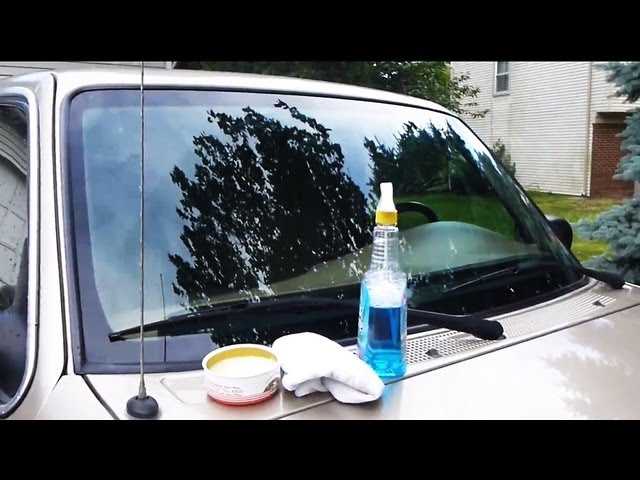
Yes, you can use car wax on glass, but it’s not always the best choice for clarity or safety. Car wax is designed to protect and shine paint surfaces, but it can also be used on glass to add a temporary slickness and improve appearance if applied carefully. However, it’s important to note that wax on glass might cause streaks or reduce visibility if not applied properly. For a smooth, glossy finish, some specialized glass treatments are better suited.
If you’re considering using car wax on your car’s glass, it’s key to understand the pros and cons and how to do it correctly to avoid smudges or reduced visibility. Many car enthusiasts wonder if this quick fix can help boost the shine or improve water runoff. In this article, we’ll explore whether applying wax to glass is a good idea, how to do it safely, and alternative options to keep your windows crystal clear.

Can You Use Car Wax on Glass? A Complete Guide
Many car owners wonder if they can apply car wax to their glass surfaces. The short answer is that while some waxes are suitable, not all are meant for glass. Using the wrong type of wax can lead to streaks, poor visibility, or even damage to the glass. So, let’s explore whether applying car wax on glass makes sense and how to do it safely.
Understanding Car Wax and Its Purpose
Car wax is designed primarily to protect painted surfaces and improve their shine. It creates a thin barrier that guards against dirt, UV rays, and water spots. However, glass surfaces have different properties and requirements, so not all waxes are appropriate for them.
Why People Consider Using Wax on Glass
Some car owners believe waxing glass can enhance clarity and make cleaning easier. Others think it might repel water better, reducing rain streaks on windshields. These ideas come from the fact that certain waxes can leave a slick surface that might influence how water behaves on glass.
Are All Car Waxes Suitable for Glass?
Types of Waxes
There are mainly two types of car waxes: natural waxes (like carnauba) and synthetic waxes. Each has different characteristics when it comes to application on glass surfaces.
Natural Waxes
- Typically made from carnauba or beeswax.
- Known for a warm, deep shine on paint.
- Usually too greasy or sticky for glass, potentially causing streaks.
Synthetic Waxes
- Formulated with polymers and fillers for durability.
- Often designed for paint protection, but some are safe on glass.
- Check ingredients before applying on glass surfaces.
Risks of Using Car Wax on Glass
Streaking and Residue
Most waxes can leave streaks or smudges on glass, impairing visibility. Especially in bright sunlight, these streaks become more noticeable and dangerous.
Reduced Clarity
Applying wax that is not meant for glass can result in a hazy film, making it harder to see through windshields or mirrors clearly.
Potential Damage
Over time, certain wax ingredients may cause glass surfaces to become cloudy or develop etching if not removed properly.
Safe Alternatives for Glass Protection and Enhancement
Glass-Specific Products
- Glass sealants formulated for windshields and windows.
- Liquid sprays that repel water and dirt.
- Anti-fog and anti-rain products designed specifically for glass surfaces.
How These Products Differ
Unlike car wax, these products are designed to bond with glass without leaving residues or streaks. They often provide better water runoff and improve visibility during rain.
Best Practices for Applying Wax on Glass
Preparation is Key
Always clean the glass thoroughly before applying any product. Use a dedicated glass cleaner and a soft microfiber cloth to remove dirt and grime. This step ensures better adhesion and reduces streaking.
Testing in a Small Area
Before applying wax on the entire glass surface, test it on a small, inconspicuous spot. Observe for streaks or residue after wiping.
Application Tips
- Use a small amount of wax and apply it in a circular motion.
- Avoid applying in direct sunlight to prevent quick drying and streaks.
- Buff the surface with a clean, dry microfiber cloth until smooth and shiny.
Step-by-Step Guide to Wax Glass Without Damage
- Wash the glass thoroughly using a glass-specific cleaner.
- Dry the surface completely with a clean microfiber towel.
- Choose a suitable wax or protective product meant for glass, if available.
- Apply the product sparingly using a soft cloth, following manufacturer instructions.
- Allow the product to set for the recommended time.
- Buff the surface in a circular motion until clear and streak-free.
- Inspect the glass for any remaining residue and wipe again if necessary.
Common Mistakes to Avoid
- Applying wax in direct sunlight, which can cause streaks and uneven coverage.
- Using automotive waxes on glass products not intended for such use.
- Failing to clean the glass properly before application, trapping dirt underneath the wax.
Summary of Key Points
| Aspect | Details |
|---|---|
| Suitable Wax Types | Synthetic waxes may be safer; avoid natural waxes like carnauba for glass. |
| Potential Risks | Streaks, haziness, reduced visibility, and possible damage. |
| Best Alternatives | Glass sealants, water-repellent sprays, anti-fog solutions. |
| Application Tips | Clean thoroughly, test first, apply in shade, buff well. |
Related Topics for Further Reading
- Best products for windshields and windows
- How to remove wax residue from glass
- Difference between waxes and sealants in automotive care
- Tips for maintaining clear and streak-free glass surfaces
Applying car wax to glass surfaces isn’t generally recommended unless the wax is specifically formulated for such use. For best results, opt for products designed for glass protection that offer water-repellent and anti-fog benefits without streaks or haziness. Proper cleaning and application techniques help maintain maximum clarity and safety while driving in all weather conditions.
Auto Glass Treatment: Rain-X vs Carnauba Wax
Frequently Asked Questions
Will applying car wax on glass improve its appearance?
Applying car wax on glass can give it a shiny, polished look, making it appear cleaner and more reflective. However, it does not offer long-lasting protection like it does on paint, and it may not significantly enhance the clarity of the glass. Use wax sparingly and ensure the surface is thoroughly cleaned before application to achieve the best visual effect.
Can using car wax on glass cause any damage?
If applied improperly or on the wrong type of glass, car wax can leave streaks or residues that are difficult to remove. In some cases, it may cause smudging or compromise your visibility, especially on windshields or mirrors. Always test on a small area first and choose a wax suitable for glass surfaces to prevent potential damage.
What is the proper way to apply wax on glass surfaces?
Start by cleaning the glass thoroughly to remove dirt and grease. Apply a small amount of wax with a soft cloth or applicator, using gentle, circular motions. Allow it to haze, then buff the surface with a clean, dry cloth until you achieve a smooth, shiny finish. Avoid excessive use to prevent buildup and streaks.
Are there better alternatives to wax for glass cleaning and protection?
Yes, glass-specific products such as glass sealants, sprays, or hydrophobic coatings provide better clarity and longer-lasting protection. These products are formulated to repel water, reduce streaks, and enhance transparency, making them more effective and safer for glass surfaces compared to traditional car wax.
Can I use car wax on rearview mirrors?
Using car wax on rearview mirrors can help improve their shine, but it might also cause streaking or reduce visibility if not applied carefully. It is safer to use glass cleaner and a soft cloth specifically designed for mirrors. If you choose to wax, do so sparingly and ensure thorough buffing to avoid impairing your view.
Final Thoughts
Using car wax on glass is generally not recommended. Car wax is formulated for paint and may create a streaky or cloudy finish on glass surfaces. It can also be difficult to remove, leaving residues that impair visibility.
If you want to enhance your glass, opt for products designed specifically for glass surfaces. These provide clarity and a protective shine without risking damage.
Can you use car wax on glass? It’s best to avoid doing so, as it may do more harm than good. Stick to glass-specific cleaners for safe, effective results.

- How To Fix Laminated Windshield Chip Effectively - October 29, 2025
- How To Repair Laminated Glass Crack Effectively - October 29, 2025
- How To Clean Laminated Glass Properly For Sparkling Results - October 29, 2025