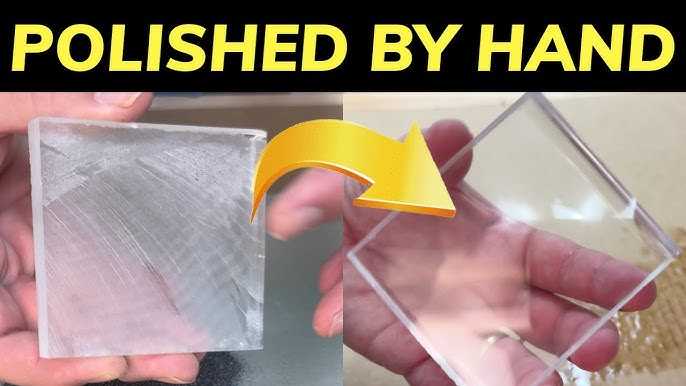
Yes, you can polish glass to restore its clarity and remove scratches, giving it a fresh, like-new appearance. With the right tools and techniques, polishing glass is a feasible DIY project that can save you money and improve the look of your windows, mirrors, or glassware. Simply put, polishing smooths out minor imperfections and can make your glass surfaces shine again.
If you’re wondering whether polishing glass is possible, the answer is yes—especially for small scratches and cloudy spots. Properly polishing your glass can significantly enhance its transparency and aesthetic appeal. While it may not fix deep gouges or cracks, light scratches and foggy surfaces are usually easily improved with the right approach. This simple process involves using specific abrasives or polishing compounds that gently smooth the surface, restoring its clarity and gloss. Whether you want to brighten up a mirror or restore a glass table, polishing can be an effective and straightforward solution.

Can You Polish Glass? Everything You Need to Know
Many people wonder if they can restore the shine of their dull or scratched glass surfaces. The good news is that in many cases, glass can be polished to improve its appearance. However, understanding how to do it properly is essential to avoid damage. This article explains the methods, tools, and safety tips for polishing glass effectively.
Understanding Glass Surface Damage
Before attempting to polish glass, it’s important to identify the type of damage present. Common issues include scratches, foggy appearance, and surface cloudiness. Each of these problems requires a different approach to repair or polish.
Types of Glass Damage
- Scratches: Usually caused by abrasive objects or improper cleaning.
- Hazing or Cloudiness: Often due to mineral deposits or film buildup.
- Etching: Deeper damage caused by acidic substances or aggressive cleaning agents.
Can All Types of Glass Be Polished?
Not all glass can be polished successfully. Smooth, non-porous glass like window panes and tabletops can often be restored. However, delicate or chemically etched glass may not respond well to polishing and could incur further damage.
Tools and Materials for Polishing Glass
Basic Tools Needed
- Microfiber Cloths: Gentle for cleaning and polishing without scratching.
- Polishing Pads: Soft pads to apply polishing compounds evenly.
- Electric Drill or Rotary Tool: Useful for larger or more scratched surfaces.
- Sandpaper or Abrasive Pads: For deeper scratches, typically with very fine grits.
Recommended Products
| Product Type | Purpose | Notes |
|---|---|---|
| Glass Polishing Compound | Restores shine and removes minor scratches | Use sparingly and follow instructions |
| Diamond Pastes | For deep scratches and etching | Handle with care, suitable for professional use |
| Fine Grit Sandpaper (e.g., 2000 Grit) | Smoothing out scratches | Use with water to prevent heat buildup |
Step-by-Step Guide to Polishing Glass
Preparation
Start by cleaning the glass thoroughly. Use a mixture of mild soap and water to remove dirt, grease, or dust. Dry completely with a clean microfiber cloth to avoid trapping debris during polishing.
Assessing the Damage
Examine the surface carefully. For minor scratches, polishing may suffice. For deeper scratches or etching, consider using abrasive materials first before polishing.
Polishing Process for Minor Scratches
- Apply a small amount of glass polishing compound to a soft cloth.
- Using gentle, circular motions, buff the affected area.
- Work on a small section at a time, avoiding excessive pressure.
- Wipe away excess compound with a clean, damp cloth.
- Repeat as needed until the scratch diminishes or disappears.
Removing Deeper Scratches
Deep scratches may require sanding with fine grit sandpaper. Always keep the sandpaper wet to prevent overheating and further damage. After sanding, follow with a polishing compound for best results.
Safety Tips When Polishing Glass
- Wear Safety Glasses: Protect your eyes from glass dust and shards.
- Use a Mask: Prevent inhalation of fine glass particles or dust.
- Handle Tools Carefully: Electric tools can cause injury if misused.
- Work in a Well-Ventilated Area: Ensure proper airflow during polishing.
Additional Tips for Best Results
- Test First: Always test on a small, hidden area before working on the visible surface.
- Follow Manufacturer Instructions: For any polishing compounds or abrasives used.
- Maintain Regular Cleaning: Clean glass surfaces frequently to prevent buildup of minerals and debris.
- Use Proper Storage: Store polishing materials and tools safely to avoid accidents.
When to Seek Professional Help
If your glass has extensive etching, deep scratches, or is a fragile antique piece, it’s best to consult a professional. They have specialized tools and techniques to restore delicate or valuable glass safely.
Related Topics for Further Reading
- How to Clean Glass Without Scratching
- Best Products for Glass Restoration
- DIY Methods to Remove Water Spots from Glass
- Safety Precautions When Handling Glass
In conclusion, polishing glass can indeed be a practical way to improve its appearance and restore some of its original shine. With the right tools, materials, and techniques, many minor damages can be remedied without professional help. Always remember to assess the severity of the damage and proceed carefully to avoid worsening the problem. Proper safety measures and patience make the process successful and safe for everyone involved.
DIY Glass Scratch Removal Kit | How to Remove Deep Scratches from Glass Step-by-Step Guide
Frequently Asked Questions
What methods can I use to polish glass at home?
You can polish glass at home using common household items such as toothpaste, which acts as a mild abrasive, or a mixture of baking soda and water. Applying a small amount of toothpaste to a soft cloth and buffing the glass surface gently helps remove minor scratches and haze. For more stubborn blemishes, using a commercial glass polish or a polishing compound designed for glass can yield better results. Remember to clean the surface afterward with a clean, damp cloth to remove any residue.
Is it safe to use abrasive materials on glass surfaces?
Abrasive materials can effectively remove scratches and haze, but they also pose the risk of causing additional damage if applied aggressively. Always choose gentle abrasives like a non-abrasive polishing cloth and avoid harsh tools that can scratch or weaken the glass. Test any abrasive product on a small, inconspicuous area first to ensure it won’t harm the surface. Using the appropriate amount of pressure and cleaning thoroughly afterward helps preserve the glass’s integrity.
Can I restore the clarity of a heavily scratched glass surface?
Restoring heavily scratched glass can be challenging but possible with the right approach. Start with a glass polishing kit that includes a fine abrasive compound. Gently sand the surface with the provided polishing pad or a soft cloth, following the manufacturer’s instructions. Repeating this process carefully can reduce the appearance of severe scratches. For deep scratches or extensive damage, consulting a professional glass restorer is often the best option to avoid further damage.
How long does it typically take to polish a glass surface thoroughly?
The duration depends on the extent of scratches or haze and the method used. Minor blemishes might need only 10 to 15 minutes of buffing with a gentle polish or toothpaste. More extensive polishing, especially for deeper scratches, can take 30 minutes or more, involving multiple rounds of buffing. Patience and gentle, consistent pressure contribute to achieving the best results without damaging the glass.
Final Thoughts
Polishing glass can improve its clarity and shine. With the right techniques and materials, you can restore a glass surface to look almost new.
Can you polish glass? Yes, you can carefully polish glass using specific products like polishing compounds or even household items such as toothpaste. Just ensure you apply gentle pressure and use a soft cloth.
In conclusion, yes, you can polish glass to enhance its appearance and remove minor scratches. Proper techniques and patience allow you to achieve a polished, transparent finish effortlessly.

- How To Fix Laminated Windshield Chip Effectively - October 29, 2025
- How To Repair Laminated Glass Crack Effectively - October 29, 2025
- How To Clean Laminated Glass Properly For Sparkling Results - October 29, 2025