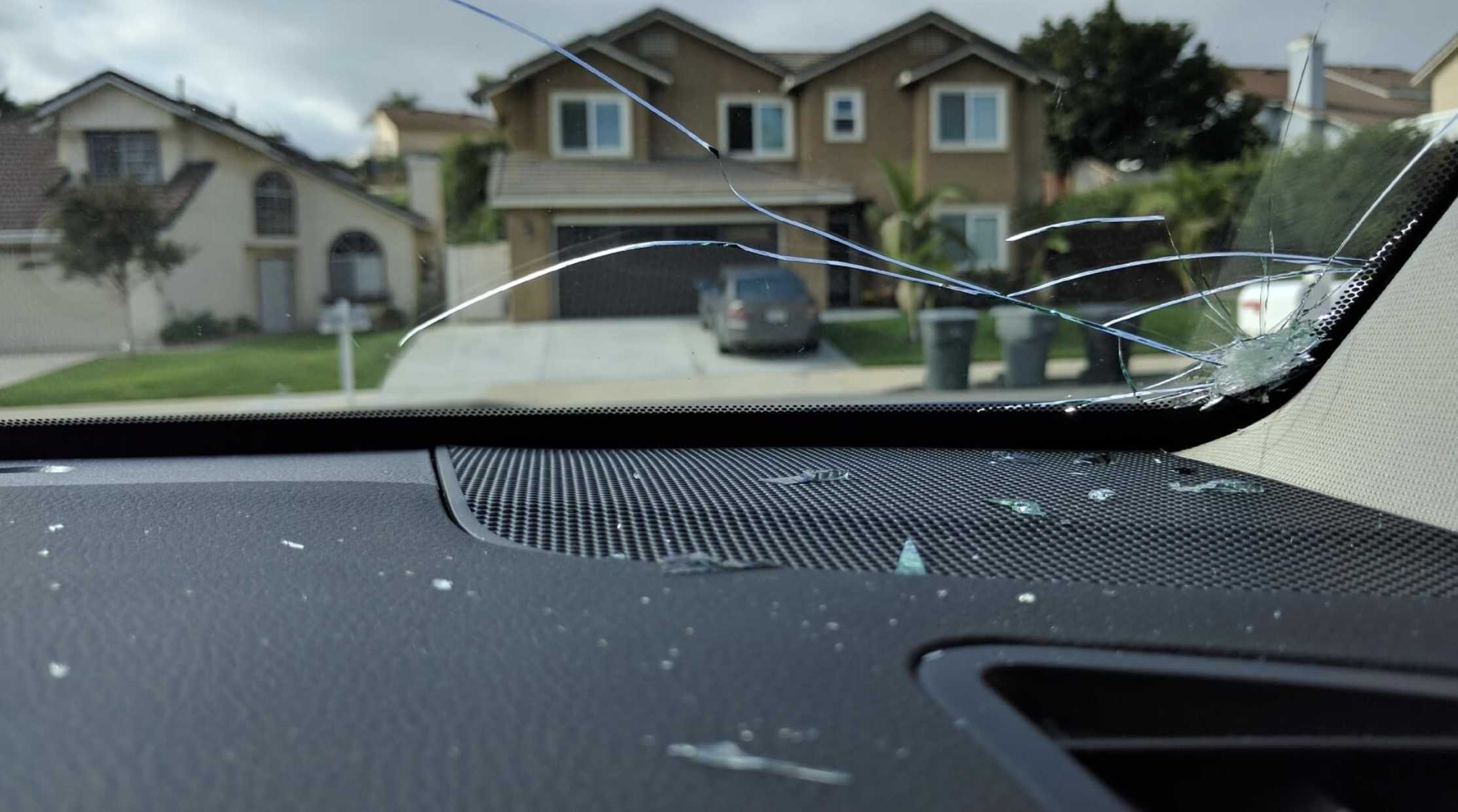
Yes, a car with a cracked windshield may still pass inspection, but it depends on the severity and location of the crack. Small, minor cracks located away from the driver’s line of sight or the edges of the windshield might not prevent passing. However, larger or more critical cracks can result in failure and require repair before the vehicle can be approved for road use.
If your windshield has a crack, don’t assume it’s a lost cause right away. Inspection standards vary by state and country, but generally, minor chips and small cracks might not be an issue. That said, safety is the top priority, and any crack that obstructs your view or compromises the windshield’s integrity will likely lead to a failed inspection. Knowing what to look for can help you determine if repair is needed before heading to the inspection station.

Can a Car with a Cracked Windshield Pass Inspection?
Understanding Vehicle Inspection Standards
When testing a vehicle for safety and roadworthiness, inspectors look at multiple components. Among these, the windshield is a key focus because it directly impacts driver visibility. Laws and regulations about windshield damage vary by state, but safety always remains the top priority.
During an inspection, inspectors check if cracks or chips obscure the driver’s view. They also look for damage near the edges or in areas that could weaken the windshield’s structure. Understanding these standards can help you know whether your cracked windshield might cause problems during inspection.
How Windshield Damage Affects Safety and Vehicle Inspection
A cracked windshield can compromise the safety of the driver and passengers. Large or deep cracks may cause the glass to break further or shatter upon impact. This could lead to dangerous situations on the road.
Inspectors evaluate whether cracks are minor or severe. Small chips or cracks that are less than a certain size are often acceptable, while large or multiple cracks may fail safety standards. Knowing the difference helps vehicle owners decide if repairs are necessary before inspection.
Legal Requirements for Windshield Damage
Most states have specific laws regarding windshield cracks and chips. Typically, if the damage is within a certain size or location, the vehicle can pass inspection. For example, cracks smaller than 1/4 inch often do not impair safety, but larger damages usually need repair.
Cracks in the driver’s line of sight are particularly scrutinized because they can interfere with visibility. Some states prohibit cracked windshields from passing inspection altogether unless repaired or replaced. Always check local regulations for precise legal standards.
What Types of Cracks Are Usually Allowed?
Different types of windshield cracks are considered during inspection. Here are the common types along with their typical acceptability:
- Bullseye Cracks: Small, circular cracks usually less than 1/4 inch in diameter, often acceptable if located outside the driver’s line of sight.
- Stress Cracks: Tiny, branching cracks caused by temperature changes, often tolerable if minimal and not in the driver’s view.
- Chip Damage: Small chips that are less than 1/4 inch can sometimes be fixed or tolerated, depending on location.
- Long Cracks: Cracks exceeding 6 inches or traversing the windshield generally require repair or replacement before inspection.
- Edge Cracks: Cracks that reach the edge of the glass jeopardize the windshield’s integrity and usually lead to failure.
Knowing these types helps anticipate whether your windshield damage will pass legal standards.
Size and Location of the Crack Matter
The size and location of the crack significantly influence inspection outcomes. Cracks less than 1/4 inch are typically considered minor and may be acceptable. Larger cracks or multiple damages often lead to a failed inspection or require repair.
Location is equally important. Cracks directly in the driver’s line of sight almost always disqualify a vehicle unless repaired. Cracks on the edges or corners tend to weaken the glass structure and are less likely to pass inspection.
Will Repairs Help My Vehicle Pass Inspection?
Repairs can make the difference between passing and failing. Small chips or cracks can often be fixed with a professional windshield repair kit. These repairs can restore safety and visibility standards.
However, extensive damage usually requires windshield replacement. Repairing large or deep cracks doesn’t always restore the structural integrity and may not meet inspection requirements. It is important to evaluate the damage severity and consult a specialist about repair options.
DIY Repair or Professional Service?
Considering safety and inspection standards, professional repair services are preferable. They use quality materials and techniques to ensure the windshield’s strength is restored.
DIY repair kits are available but are best suited for minor chips. Attempting to repair large cracks or damage that affects the driver’s view may lead to subpar results. Remember, a poorly repaired windshield can cause problems during subsequent inspections.
Cost of Repair and Replacement
The cost varies depending on the severity of the damage and the vehicle model. Small chip repairs can cost between fifty to one hundred dollars, while full windshield replacements can range from two hundred to over five hundred dollars.
Insurance coverage may help reduce repair costs, especially if the damage is deemed necessary to ensure safety. Budgeting for repairs or replacement ensures your vehicle remains compliant with inspection standards.
Alternatives and Tips to Pass Inspection with a Cracked Windshield
If repair isn’t immediately feasible, some tips can help improve your chances of passing inspection temporarily:
- Keep cracks clean and free of debris to prevent worsening damage.
- Avoid exposing the windshield to extreme temperatures, which can enlarge cracks.
- Schedule repairs as soon as possible to prevent failure during inspection.
- Request a professional assessment to determine if your current damage qualifies for a pass.
It’s always best to prioritize safety and adhere to legal standards, even if short-term measures seem beneficial.
Related Topics to Consider
Other repairs and maintenance aspects impact your vehicle’s inspection results. These include checking tire tread depth, brake function, lighting systems, and emissions. Ensuring these components are in proper condition complements your efforts to pass inspection.
In addition, understanding the rules about tinting windows, exhaust emissions, and safety equipment can help you prepare your vehicle thoroughly. A well-maintained car is more likely to pass inspection without issues related to damage or neglect.
Summary
In summary, whether a car with a cracked windshield can pass inspection depends on the size, type, location, and severity of the damage. Small chips and cracks outside the driver’s line of sight are often acceptable, but larger or critical damages typically necessitate repair or replacement.
Always check local regulations to understand specific standards. Investing in proper repairs can save you time, money, and ensure your vehicle remains safe on the road. Remember, safety should always come first when considering windshield damage and vehicle inspection.
When Will A Cracked Windshield Pass? | Standard Safety Inspection – Body
Frequently Asked Questions
Does a small crack in the windshield automatically prevent a vehicle from passing inspection?
A small crack does not automatically disqualify a vehicle from passing inspection, as long as it does not impair the driver’s view or compromise the structural integrity of the windshield. Inspectors evaluate the crack’s size, location, and severity to determine if it affects safety. If the crack is minor and does not obstruct vision or compromise the windshield’s strength, the vehicle may still pass inspection.
What types of windshield damage are considered acceptable during an inspection?
Minor chips, small cracks less than a few inches long, or cracks located outside the driver’s direct line of sight might be acceptable. Damage that does not interfere with the driver’s view or weaken the windshield structure usually does not prevent passing inspection. However, any cracks that are expanding or located near the edges typically raise concerns and could lead to a failed inspection.
Is there a specific size limit for cracks on the windshield for inspection approval?
Most inspection standards specify that cracks should not exceed a certain length, often around 1 to 2 inches, depending on local regulations. Cracks longer than this may indicate a need for repair or replacement before passing inspection. It is essential to check your state’s or country’s specific guidelines to ensure compliance.
Can a windshield crack be repaired to pass inspection, or is replacement always necessary?
Many minor cracks and chips can be repaired effectively without replacing the entire windshield. Repairing small damage often restores the windshield’s strength and clarity, enabling the vehicle to pass inspection. For larger or more severe cracks, replacing the windshield might be necessary to meet safety standards and ensure the vehicle passes inspection.
Are there any circumstances under which a cracked windshield will automatically result in a failed inspection?
Yes, if the crack obstructs the driver’s view, is located near the edges, or compromises the windshield’s structural integrity, the vehicle will likely fail inspection. Cracks that are spreading or cover a significant portion of the windshield also typically lead to a failure, as they can pose safety risks during driving.
Final Thoughts
A cracked windshield can complicate vehicle inspections, but whether it fails depends on the severity and location of the crack. Inspectors focus on safety issues, such as cracks obstructing the driver’s view or compromising the windshield’s integrity. Small, shallow cracks away from the driver’s line of sight may still pass.
Ultimately, it is essential to evaluate the crack’s size and position, as a significantly damaged windshield could lead to a failed inspection. Can a car with a cracked windshield pass inspection? Not always, but minor damage might not prevent it from passing. Always consult local regulations and professional inspectors to ensure compliance.

- How To Fix Laminated Windshield Chip Effectively - October 29, 2025
- How To Repair Laminated Glass Crack Effectively - October 29, 2025
- How To Clean Laminated Glass Properly For Sparkling Results - October 29, 2025