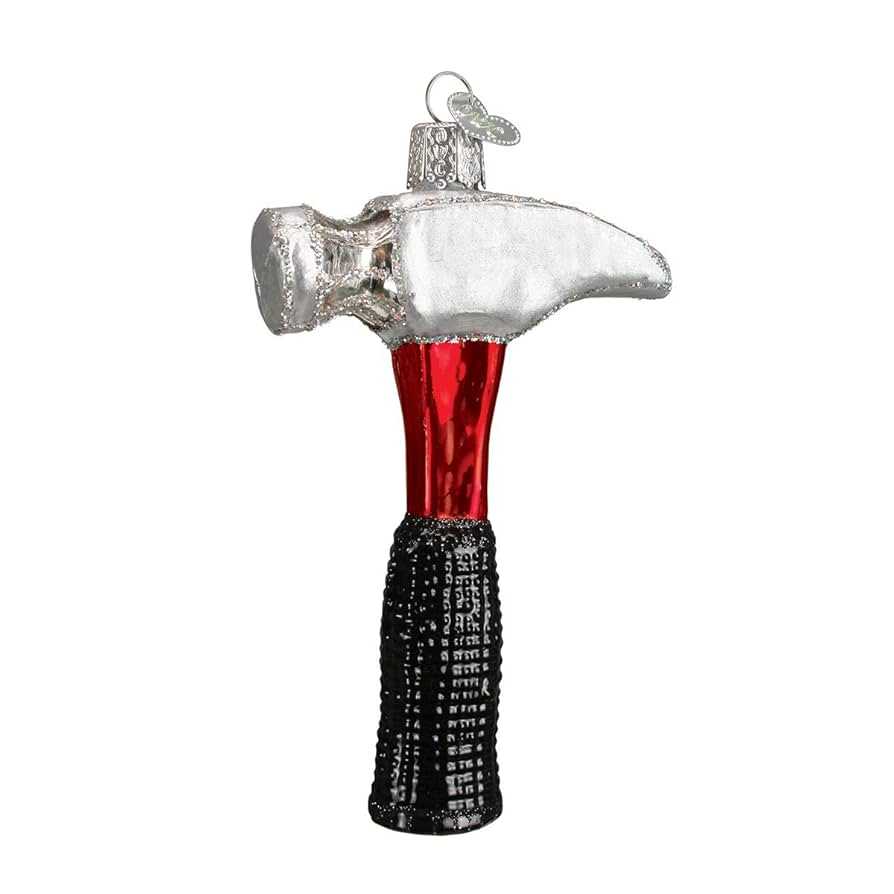
A glass hammer is a specialized tool designed to strike glass without shattering it, making it essential for delicate work. If you’re wondering what a glass hammer is used for, it primarily helps in shaping, cutting, or safely breaking glass without causing cracks or splinters that could ruin a project or pose safety risks. It’s a favorite among stained glass artists, jewelers, or anyone working with fragile materials. The glass hammer’s unique design allows for controlled force, preventing damage while ensuring precision. Whether you’re customizing glassware or performing intricate repairs, this tool provides the perfect balance of strength and delicacy. In short, a glass hammer is a crucial instrument for safely manipulating glass in artistic and technical applications, making fragile tasks safer and more manageable.
A glass hammer is used to break or shape glass carefully without shattering it, providing controlled force for delicate work. It’s an essential tool for artists, craftsmen, and anyone handling fragile glass pieces, allowing precise and safe manipulation. Overall, it helps achieve detailed work while minimizing the risk of damage or injury.

What Is a Glass Hammer Used For?
Understanding the Purpose of a Glass Hammer
A glass hammer is a specialized tool made primarily from glass and sometimes reinforced with other materials. Its main purpose is to serve as a visual and tactile indicator during delicate tasks. Unlike traditional metal hammers, glass hammers are designed to break or shatter under certain conditions, providing important information to users.
Why Use a Glass Hammer Instead of a Regular Hammer?
Regular metal hammers can cause damage or leave marks on fragile items. In contrast, a glass hammer offers a safer alternative when working with delicate materials. Its transparent nature also allows users to see through it, making it easier to monitor work and ensure precision.
Common Applications of a Glass Hammer
A glass hammer is used in many specific fields. These include laboratory work, glassblowing, jewelry making, and safety testing. Each application relies on the unique properties of the glass hammer to improve safety and accuracy.
Glass Hammer in Laboratory Settings
In laboratories, glass hammers are often used to gently break or crush glass samples. They help scientists avoid damaging delicate specimens. Their transparent quality allows users to see the object being worked on clearly.
Breaking Glass Safely
A glass hammer can be used to safely break glass containers without shattering the entire item. This minimizes the risk of injury and mess. The controlled breakage makes it ideal for handling fragile test tubes or beakers.
Crushing or Fragmenting Samples
Scientists sometimes need to crush tiny samples of minerals or other materials. A glass hammer provides enough force without overdoing it. Its design reduces the chance of accidental damage.
Uses in Glassblowing and Art
Glass artists use glass hammers to shape and manipulate molten or cooled glass pieces. Their lightweight and transparent design help artists see the work clearly and apply precise force.
Shaping Glass Pieces
In glassblowing, a glass hammer helps modify shapes or flatten surfaces. Its gentle tapping allows for detailed adjustments. Artists often prefer it for delicate tasks that require finesse.
Creating Textures and Effects
Glass hammers can also create textures on glass surfaces. Tapping with different parts of the hammer produces various artistic effects. This tool is essential in artistic glassmaking.
Jewelry Making and Fine Craftsmanship
Jewelry makers use small glass hammers to shape stones and glass beads. The transparency and gentle impact make it easier to work without cracking or damaging the items.
Shaping and Smoothing
Jewelry craftsmen often need to fine-tune the edges of glass or gemstone pieces. A glass hammer provides control, ensuring smooth and even surfaces.
Testing Durability
A glass hammer can also be used in testing the strength of glass or ceramics. Its breakage pattern provides valuable data about the material’s toughness.
Safety Testing and Quality Control
Manufacturers use glass hammers to perform safety tests on glass products. The predictable shattering helps determine if products meet safety standards.
Impact Tests for Glass Strength
By striking glass with a glass hammer, technicians can assess how it breaks under pressure. This type of testing ensures that safety regulations are met.
Inspection of Fragile Items
Glass hammers can detect flaws or weak spots in glassware or other fragile objects. The subtle impacts help identify potential failure points before use.
Advantages of Using a Glass Hammer
A glass hammer offers several benefits over traditional hammers in specific tasks. These include:
- Safety: Less risk of damaging fragile materials or causing injury during breakage.
- Visibility: Transparency lets users see what they are working on clearly.
- Precision: Gentle impacts provide more control for detailed work.
- Less Damage: Minimizes unintended marks or scratches on delicate items.
Limitations and Precautions When Using a Glass Hammer
While useful, glass hammers also require careful handling. They are fragile themselves and can break unexpectedly if misused. Always wear eye protection and handle with care to avoid injury.
Proper Storage and Maintenance
Store the glass hammer in a padded case or soft cloth to prevent accidental breakage. Regularly inspect it for cracks or chips that could compromise safety.
Safe Usage Tips
Avoid applying excessive force, which can shatter the glass. Use controlled taps and ensure the work surface is stable. Never use a damaged glass hammer, as it could break unpredictably.
Related Tools and Accessories
Alongside a glass hammer, professionals might also use:
- Rubber or wooden mallets: For softer impacts in certain applications.
- Protective eyewear: To shield eyes from shards or splinters.
- Glass cutting tools: For preparing glass pieces before shaping.
Choosing the Right Glass Hammer
When selecting a glass hammer, consider the specific task and the type of glass involved. Factors include weight, size, and handle comfort. Some hammers come with textured grips for better control.
Future Trends and Innovations
Advances in materials science could lead to more durable and versatile glass hammers. Researchers are exploring reinforced glass and composite materials to extend the tool’s lifespan. Innovations may also include ergonomic designs for easier handling.
Summary: The Role of a Glass Hammer in Various Fields
Overall, a glass hammer is a versatile tool. It excels in delicate work across laboratories, art, jewelry making, and safety testing. Its unique properties help professionals perform precise, safe, and efficient tasks involving fragile materials.
Car emergency glass breaker tool test #cars #tools
Frequently Asked Questions
How does a glass hammer help in delicate glasswork?
A glass hammer provides a gentle impact that minimizes the risk of cracking or shattering fragile glass surfaces. Craftspeople use it to make precise adjustments or to tap pieces into position without applying excessive force, ensuring the integrity of delicate glass art or fixtures remains intact during the process.
In what scenarios is a glass hammer most effective for repairing glass?
A glass hammer proves useful when repairing or assembling glass items, such as windows or ornaments. Its soft head allows you to make controlled hits that help align or reset glass components without causing additional damage, making it ideal for restoration work and fine adjustments.
What safety advantages does a glass hammer offer during glass installation?
Using a glass hammer reduces the likelihood of accidental breakage or injury during installation. Its design ensures that forces are distributed evenly across the glass surface, providing a safer way to handle glass panels, especially in tight or intricate installations where precision matters.
Can a glass hammer be used in artistic glass shaping?
Yes, artisans use a glass hammer to shape and manipulate hot or cooled glass pieces. Its lightweight and soft impact allow for controlled shaping, giving artists the ability to refine their work without damaging the material, which is essential in high-detail craftsmanship.
Final Thoughts
A glass hammer serves specific functions in various fields. It is primarily used for delicate tasks that require precision without damaging materials. Artisans and scientists rely on it for breaking glass or ceramics gently.
Its design allows users to apply controlled force, avoiding cracks or fractures.
In conclusion, what is a glass hammer used for? It helps perform precise, non-destructive work, making it an essential tool in specialized applications.

- How To Fix Laminated Windshield Chip Effectively - October 29, 2025
- How To Repair Laminated Glass Crack Effectively - October 29, 2025
- How To Clean Laminated Glass Properly For Sparkling Results - October 29, 2025