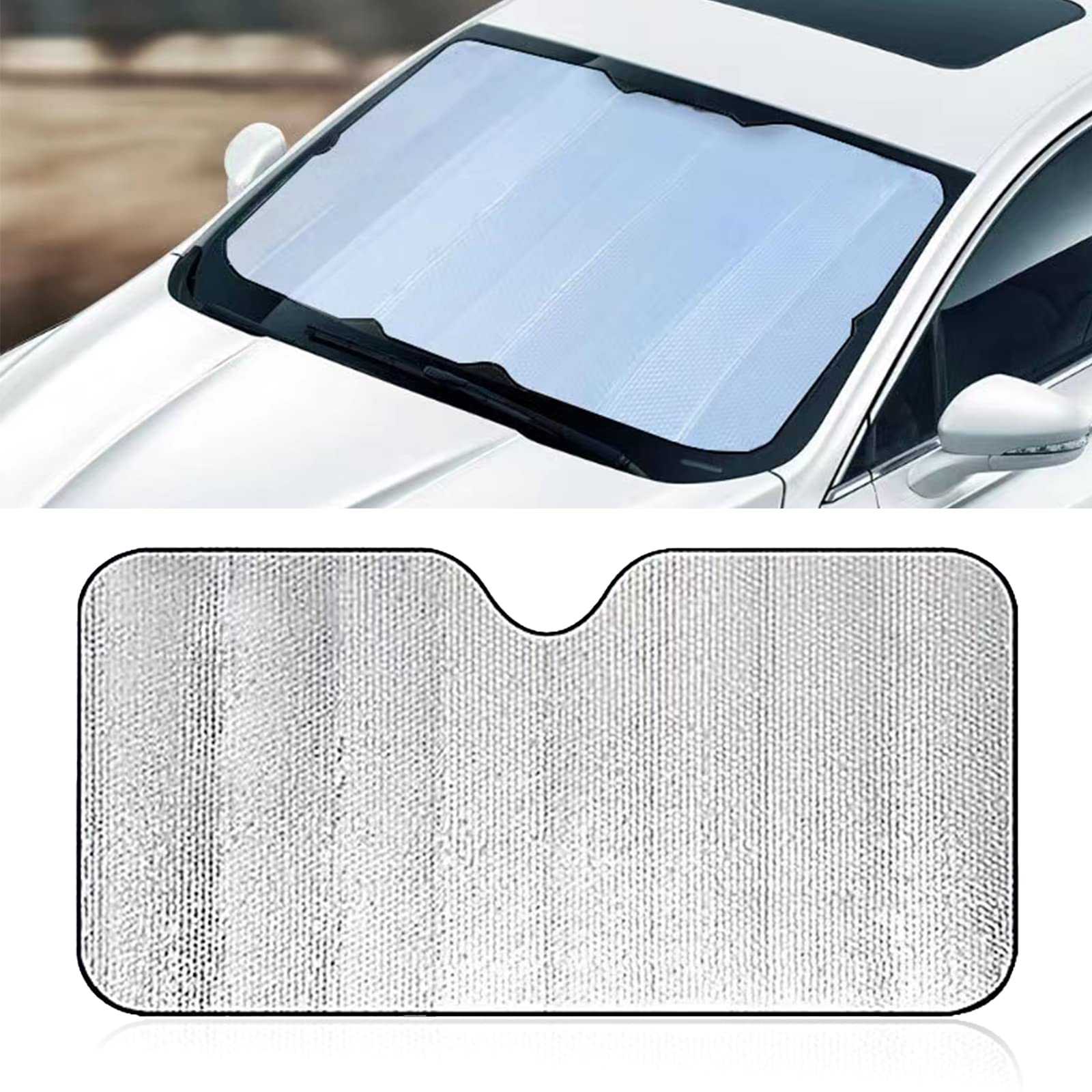
Looking for a simple way to keep your car cool and protect your interior from intense heat? A car glass heat protector is your best friend during hot summer days. It reflects harmful UV rays and reduces heat buildup inside your vehicle, making your driving experience more comfortable and safeguarding your dashboard and seats from sun damage.
In short, applying a high-quality car glass heat protector can significantly lower the temperature inside your car, prevent fading of interior materials, and improve overall comfort. The solution is easy: use an effective sunshade or UV-repellent film to block the heat before it enters.
When the sun blazes down, your car’s glass acts like a giant oven, trapping heat and UV rays. Without adequate protection, your vehicle can become unbearably hot, and its interior materials may deteriorate faster. A car glass heat protector creates a barrier against these harmful elements, helping keep the cabin cooler and prolonging the life of your car’s interior. Whether you choose reflective sunshades or tinted films, investing in proper protection is a smart way to beat the heat and preserve your vehicle’s value.

Car Glass Heat Protector: Keep Your Vehicle Cool and Protect Your Interior
What Is a Car Glass Heat Protector?
A car glass heat protector is a special device or material designed to block or reduce the amount of heat that enters your vehicle through the windshield and windows. It helps keep the interior of your car cooler, especially during hot summer days. These protectors can be made from various materials like reflective films or foam insulation, each offering different levels of heat reduction. Using a heat protector can make a significant difference in comfort and safety while driving.
Why Is It Important to Use a Car Glass Heat Protector?
Hot weather can turn your car’s interior into an oven, making it uncomfortable and sometimes dangerous. Excessive heat can cause damage to your dashboard, seats, and electronic devices inside your vehicle. It may also increase the risk of skin burns if you touch the glass without protection. A car glass heat protector helps prevent these issues by reflecting and blocking solar rays, maintaining a cooler environment inside.
How Do Car Glass Heat Protectors Work?
Most heat protectors work by reflecting sunlight away from your vehicle. Reflective films contain metallic particles that bounce sunlight rather than absorb it. Some protectors also absorb heat and gradually release it outside the vehicle. The effectiveness depends on the material used, the thickness of the protector, and how well it adheres to the glass.
Reflective Films
These are thin, metallic-coated films applied directly to the glass. They reflect most solar heat and UV rays. They are easy to install and remove, making them a popular choice among car owners.
Insulating Covers
Made from foam or other insulating materials, these covers are placed on the inside of the windshield or windows. They are often used when your vehicle is parked for a long period, providing an extra barrier against heat transfer.
Types of Car Glass Heat Protectors
Choosing the right protector depends on your needs and budget. Here are some common options:
- Static-Cling Window Films: These films stick to the glass without adhesive, making them easy to put on and take off. They offer good heat reduction and UV protection.
- Magnetic Sun Shades: These are made from reflective material with magnetic edges that attach to your car’s windows. They are simple to use and remove.
- Permanent Solar Films: Professionally installed films that provide long-term protection. They tend to be more durable and effective than temporary options.
- Car Covers with Windshield Protection: These covers can protect the whole vehicle and specifically shield your windshield from direct sunlight and heat buildup.
Benefits of Using a Car Glass Heat Protector
Implementing a heat protector offers numerous advantages:
- Reduces Interior Temperature: Keeps your car cooler, making it more comfortable after parking for long periods.
- Protects Interior Materials: Prevents fading, cracking, or warping of your dashboard, seats, and interior plastics caused by UV rays and heat.
- Enhances Safety: Maintains better visibility by reducing glare and fogging caused by temperature differences.
- Increases Vehicle Longevity: Shields your car from heat-related wear and tear, extending its lifespan.
- Energy Savings: Less reliance on air conditioning means fuel savings and less environmental impact.
Factors to Consider When Choosing a Car Glass Heat Protector
Picking the best heat protector involves evaluating several factors:
Material and Quality
Opt for high-quality reflective films or insulating covers known for durability and effective heat rejection. Look for features like UV protection and scratch resistance.
Ease of Installation and Removal
Consider whether the protector can be easily installed or removed without special tools. Removability is important if you want flexibility.
Size and Fit
Measure your windshield and windows accurately to ensure a snug fit. Custom-fit protectors tend to be more effective.
Cost and Budget
Compare prices across different products while considering quality. Remember, cheaper options might not last as long or perform as well.
Legal Regulations
Check local laws regarding window tinting and reflectivity to make sure your protector complies with regulations.
How to Properly Install a Car Glass Heat Protector
Follow these simple steps for effective installation:
- Clean the glass thoroughly to remove dirt and grease.
- Align the protector with your windshield or window edges.
- Carefully peel off any backing or protective film.
- Apply the protector slowly, smoothing out air bubbles with a soft cloth or squeegee.
- Ensure edges are well-adhered to prevent peeling or lifting.
- For removable protectors, store them in a safe, dry place when not in use.
Maintenance Tips for Your Car Glass Heat Protector
To maximize lifespan and effectiveness, follow these tips:
- Clean the protector regularly with a soft, damp cloth. Avoid harsh chemicals that can damage reflective coatings.
- Inspect for tears or lifting edges and replace if necessary.
- Store removable protectors in a cool, dry place to prevent damage.
- Follow manufacturer instructions for cleaning and care to maintain optimal performance.
Related Topics: Enhancing Your Vehicle’s Comfort and Protection
Beyond the heat protector, consider these additional measures:
UV Window Films
These films block harmful ultraviolet rays, protecting your skin and interior materials from sun damage.
Tinted Windows
Tinting reduces glare, enhances privacy, and increases heat rejection. Ensure it complies with local laws.
Car Air Conditioning Maintenance
A well-maintained AC system keeps your vehicle cool and reduces the need for external protection during hot days.
Sun Visors and Dashboard Covers
These accessories provide extra protection from direct sunlight and help keep your interior cooler.
Summary of Advantages of Car Glass Heat Protectors
Implementing a car glass heat protector improves comfort, protects your vehicle’s interior, and can save energy. They are easy to install and maintain, offering a practical solution to combat the heat inside your car. When selecting a protector, consider quality, fit, and legal compliance to ensure optimal benefits.
The right heat protector can make your driving experience more pleasant, especially during hot seasons. Whether you choose a reflective film, insulating cover, or combination of methods, protecting your vehicle from excess heat is a smart move. It adds convenience, safety, and longevity to your car.
Summer Sun Protection Heat Insulation Umbrella for Car
Frequently Asked Questions
How does a car glass heat protector improve visibility during hot weather?
A car glass heat protector reflects sunlight away from the windshield, significantly reducing the buildup of heat inside the vehicle. This prevents the glass from becoming excessively hot, which can cause glare and fogging. As a result, the driver experiences clearer visibility and a more comfortable ride, especially during high temperatures.
What are the benefits of using a heat protector on side and rear windows?
Applying a heat protector on side and rear windows helps diminish interior heat exposure from sunlight. It minimizes glare and prevents the windows from becoming too hot to touch. Additionally, these protectors contribute to a reduction in fading and cracking of interior materials caused by prolonged sun exposure, extending the life of your vehicle’s interior.
Can a car glass heat protector be easily installed and removed?
Yes, most heat protectors are designed for simple installation with suction cups or static cling, allowing you to attach and remove them without hassle. They are lightweight and flexible, making it easy to store them when not in use. This convenience enables drivers to use the protectors when needed and remove them quickly when driving in cooler conditions.
Does using a heat protector affect the clarity of the windshield?
No, a well-made heat protector is designed to prevent glare and excessive heat without obstructing your view. It is usually transparent or semi-transparent, ensuring that your vision remains clear while providing protection from the sun’s rays. Properly installed protectors do not interfere with your driving safety.
Are heat protectors suitable for all types of vehicles?
Most heat protectors are versatile and fit a wide range of vehicle sizes and types. They come in various shapes and sizes to accommodate different windshield and window dimensions. For the best results, measure your vehicle’s windows before purchasing to ensure a proper fit that offers maximum protection.
Final Thoughts
A car glass heat protector offers an effective way to shield your vehicle’s interior from excessive heat. It minimizes temperature buildup, protecting your dashboard and seats.
Using a heat protector can extend the lifespan of your car’s interior materials and keep the cabin cooler during hot days.
In summary, a car glass heat protector is a practical addition to your vehicle, ensuring comfort and durability.

- How To Fix Laminated Windshield Chip Effectively - October 29, 2025
- How To Repair Laminated Glass Crack Effectively - October 29, 2025
- How To Clean Laminated Glass Properly For Sparkling Results - October 29, 2025