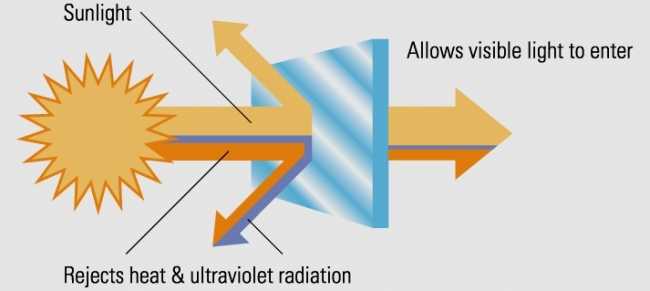
Yes, low E glass can help keep heat in your home, but it depends on how it’s used. This type of glass is designed to reflect infrared heat back inside, making it a great insulator in colder weather. It acts as a barrier that reduces heat loss through windows, helping you stay warm and potentially lowering energy bills.
Low E glass is a smart choice if you’re looking to improve your home’s insulation, especially in winter. It works by reflecting your home’s heat back inside while still allowing natural light to enter. This innovative technology enhances comfort and efficiency, making your living space warmer without sacrificing brightness.
If you’re wondering whether low E glass can keep heat in, the answer is yes—when correctly installed, it significantly improves your windows’ insulation properties. Its reflective coating minimizes heat transfer, making your home cozier during cold months and helping you save on heating costs. Understanding how this glass works can help you make smarter choices for energy-efficient upgrades, ensuring your living environment stays comfortable year-round.

Does Low E Glass Keep Heat In? Exploring How Low E Glass Improves Indoor Comfort
Low E glass has become a popular choice for homeowners aiming to make their homes more energy-efficient. Many wonder if this special window glass can truly help keep heat inside during colder months. In this section, we’ll look at how Low E glass functions and whether it can effectively trap heat indoors.
What Is Low E Glass?
Low E stands for low emissivity. This type of glass has a tiny coating of metallic particles that reflect heat. It allows sunlight to pass through but blocks heat from escaping or entering. This coating is virtually invisible, so it doesn’t change how your windows look.
How Does Low E Glass Work to Keep Heat In?
Low E glass helps retain heat inside your home by reflecting it back indoors. When warm air hits the coated surface, it bounces back into the room, reducing heat loss. This process is similar to how thermal blankets keep you warm by reflecting your body heat.
Factors That Influence Heat Retention in Low E Glass
- Type of Low E Coating: There are different coating types designed for various climates, affecting how well they retain heat.
- Number of Glass Panes: Double or triple-pane windows with Low E coatings provide better insulation than single-pane options.
- Gas Fills Between Panes: Gases like argon or krypton between glass layers improve heat retention.
- Window Frame Material: Frames made of vinyl, wood, or composite materials can influence overall insulation performance.
Does Low E Glass Keep Heat In During Winter?
Yes, Low E glass is designed to prevent heat from escaping your home during colder months. It acts as a barrier, reflecting warmth back inside. This helps maintain a comfortable indoor temperature and reduces heating bills.
The Science Behind Low E Coatings and Heat Reflection
The metallic layer in Low E glass reflects infrared energy, which is the heat from the sun and indoor sources. During winter, this reflection keeps the warmth generated inside from leaking out through the windows. This process is crucial for energy efficiency and comfort.
Comparison of Standard Glass and Low E Glass in Heat Retention
| Feature | Standard Glass | Low E Glass |
|---|---|---|
| Heat Loss Prevention | Low | High |
| Infrared Reflection | Minimal | Significant |
| Energy Efficiency | Lower | Higher |
Benefits of Using Low E Glass for Heat Retention
- Lower Heating Costs: Better insulation means less energy needed to heat your home.
- Increased Comfort: Keeps your indoor temperature steady, avoiding cold spots near windows.
- Reduced Heat Loss: Especially effective during the cold months and in climates with harsh winters.
- Protection from Condensation: Helps reduce moisture buildup on windows caused by temperature differences.
Limitations and Considerations
While Low E glass helps keep heat in, it’s not a stand-alone solution. Proper installation, high-quality window frames, and additional insulation are necessary for maximum effectiveness. Also, in very hot climates, some Low E coatings are designed to reflect heat outward, so be sure to choose the right type for your climate.
Choosing the Right Low E Glass for Your Climate
Warm-Climate Low E Coatings
These coatings aim to reflect infrared heat outward to keep indoor spaces cool. They help prevent heat gain during summer and still allow natural light to enter.
Cold-Climate Low E Coatings
Designed to reflect indoor heat back inside, these coatings maximize warmth retention during winter. They are ideal for homes in colder regions aiming to reduce heating costs.
Installation Matters for Maximum Heat Retention
Proper window installation is vital. Even the best Low E glass won’t perform well if it’s not installed correctly. Tight seals and proper framing prevent drafts, ensuring the reflective properties work effectively.
Related Topics: How Low E Glass Affects Other Aspects of Home Comfort
- Reducing Glare: Low E coatings can decrease glare, making indoor spaces more comfortable.
- UV Protection: These coatings block harmful UV rays that can fade furniture and flooring.
- Sound Insulation: Combining Low E glass with acoustic windows can improve soundproofing.
Summing It Up: Does Low E Glass Keep Heat In?
In summary, Low E glass is highly effective at keeping heat inside your home, especially when combined with double or triple-pane designs and proper installation. Its reflective coating acts as a barrier against heat loss, making your home warmer and more energy-efficient in winter. Choosing the right low E coating based on your climate and ensuring proper window setup can maximize these benefits and help create a cozy, cost-effective living space.
What Are Low-E Coatings For Windows?
Frequently Asked Questions
How does Low E glass influence indoor temperature during winter?
Low E glass helps retain indoor heat by reflecting thermal radiation back into the room. This means less heat escapes through the windows, keeping indoor spaces warmer and reducing reliance on heating systems during colder months.
Can Low E glass prevent heat from entering during summer?
Yes, Low E glass can reflect exterior heat away, preventing excessive warming inside the building. This helps maintain a cooler indoor environment and reduces the need for air conditioning, especially during hot weather.
Does Low E glass improve energy efficiency in terms of heating and cooling?
Absolutely. Low E glass enhances energy efficiency by minimizing heat transfer through windows. It keeps warmth inside during winter and blocks excessive heat during summer, leading to lower energy bills and a more comfortable indoor climate.
Are there specific types of Low E glass designed for better heat retention?
Yes, some Low E glass options feature coatings tailored to improve thermal insulation. These specialized coatings enhance the glass’s ability to reflect heat, making them highly effective for maintaining indoor temperatures across different seasons.
How does Low E glass compare to traditional glass in terms of heat regulation?
Low E glass offers superior heat regulation by significantly reducing heat transfer compared to standard glass. This results in a more stable indoor temperature, increased comfort, and lower energy consumption for heating and cooling.
Final Thoughts
Low E glass helps control heat transfer by reflecting interior heat back inside. It keeps warmth from escaping during colder months and reduces heat gain in summer. This ensures a more comfortable indoor environment year-round.
Does low e glass keep heat in? Yes, it effectively retains warmth, reducing energy costs and improving home comfort. Using this type of glass benefits both your wallet and your comfort.

- How To Fix Laminated Windshield Chip Effectively - October 29, 2025
- How To Repair Laminated Glass Crack Effectively - October 29, 2025
- How To Clean Laminated Glass Properly For Sparkling Results - October 29, 2025