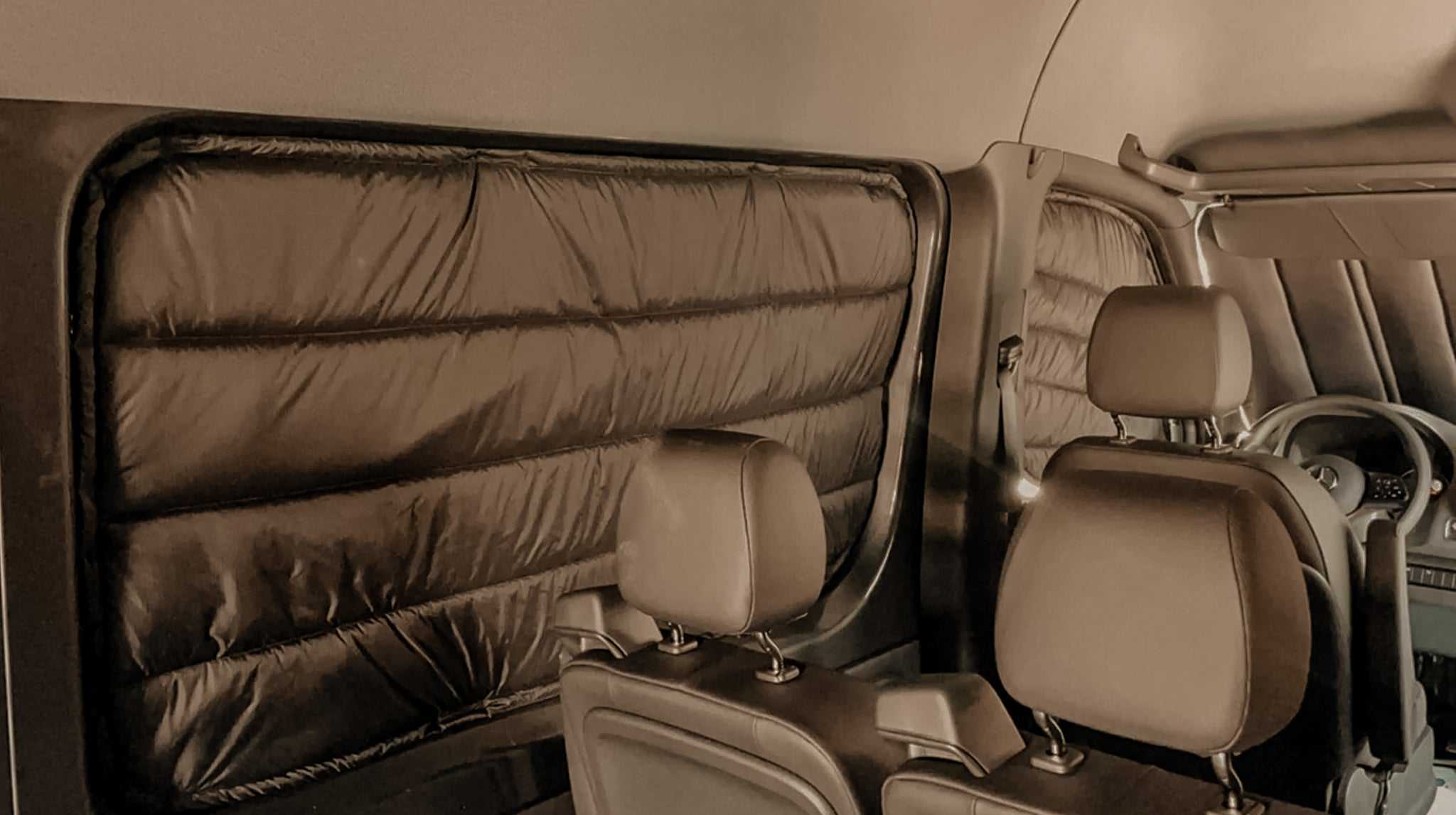
To insulate your car windows effectively, apply reflective window covers or use foam insulation tape around the edges. For a more permanent solution, consider installing window insulation films or tinting to block heat and cold. These simple methods can significantly improve your car’s temperature control and comfort.
In a nutshell, insulating car windows involves using reflective covers, foam tape, or specialized window films to block heat transfer. These solutions are easy to implement and can make a big difference in maintaining a comfortable interior, whether you’re trying to stay cool in summer or warm in winter.
Dealing with extreme temperatures inside your vehicle can be frustrating and uncomfortable. Fortunately, insulating your car windows is a straightforward way to improve your driving experience and protect your car’s interior from temperature fluctuations. With a few simple materials and a bit of time, you can keep your car cooler in summer and warmer in winter, all while reducing energy costs and enhancing privacy. Whether you’re a daily commuter or planning a long road trip, learning how to insulate your car windows can make a noticeable difference in your comfort and vehicle’s efficiency.

How to Insulate Car Windows
Insulating your car windows helps keep the vehicle cooler in summer and warmer in winter. It also reduces noise from outside, making your drives more comfortable. Properly insulate your car windows to improve energy efficiency and enjoy a quieter, more controlled interior environment.
Understanding the Need for Window Insulation
Windows are one of the main areas where heat transfer occurs in a vehicle. Without proper insulation, sunlight can cause your car’s interior to heat up quickly on hot days. Conversely, cold air can seep inside during winter, making your ride uncomfortable.
Insulation provides a barrier that blocks heat exchange. This results in easier temperature regulation and less strain on your vehicle’s air conditioning or heating system. Additionally, good insulation reduces external noise, giving you a peaceful ride.
Types of Materials Used to Insulate Car Windows
Reflective Foil Insulation
Reflective foil is a popular choice for insulating car windows. It works by reflecting radiant heat away from the vehicle. This material is lightweight, easy to install, and effective in hot weather.
Bubble Wrap Insulation
Bubble wrap offers thermal insulation thanks to its air-filled bubbles. It is simple to cut and stick onto windows, providing a basic barrier against heat transfer. However, it may not be as durable or effective as specialized insulation materials.
Foam Insulation
Foam insulation panels or sheets are excellent for blocking heat and sound. They are thicker and provide stronger insulation but may be more challenging to install without professional help. Foam is especially useful for static windows or sunroofs.
Reflective and Foam Combination
Some products combine reflective foil with foam backing, offering both reflective heat barrier and insulation. These are highly effective and commonly recommended for car window insulation projects.
Preparing Your Car Windows for Insulation
Cleaning the Surface
Start by thoroughly cleaning your windows to remove dirt, dust, and grease. Use a glass cleaner and a lint-free cloth to ensure the surface is spotless for better adhesion of insulation materials.
Measuring Your Windows
Measure each window accurately to cut insulation materials to the correct size. Add a small margin to ensure complete coverage but avoid excess material that might interfere with window operation.
Choosing the Right Insulation Material
Select the insulation type based on your needs, climate, and budget. Consider factors like durability, ease of installation, and reusability. High-quality reflective foils or foam kits usually offer the best results.
Step-by-Step Guide to Insulate Car Windows
Cutting the Insulation Material
Using your measurements, cut the insulation material to size. For reflective foil, cut slightly larger to allow for any adjustments during installation. For foam, ensure a snug fit for maximum insulation.
Applying the Insulation
Apply the insulation carefully to the window surface. For reflective foil, peel off the adhesive backing or use double-sided tape to secure it. Press firmly and smooth out any air bubbles for a flat finish.
Sealing the Edges
Seal the edges of the insulation with weatherproof tape or edge trim. This prevents air from sneaking in and improves the overall effectiveness of the insulation. Make sure the tape adheres well to both the insulation and window frame.
Testing the Installation
After applying the insulation, roll down the windows or close sunshades to see how well the material stays in place. Adjust as necessary to ensure the insulation does not interfere with window operation.
Additional Tips for Effective Window Insulation
- Use sunshades or curtains along with insulation for better temperature control.
- Replace worn or damaged insulation regularly for optimal performance.
- Consider window tinting as an extra layer of heat reduction and UV protection.
- Ensure proper ventilation to prevent moisture buildup behind insulation material.
Benefits of Proper Car Window Insulation
Good insulation can significantly improve your driving experience. It reduces the amount of heat entering the vehicle, lowering air conditioning costs during summer. In winter, it helps retain heat, keeping your ride warm and cozy.
Insulating your car windows also reduces outside noise, creating a quieter environment inside the vehicle. It can prevent glare from sunlight, making driving safer and more comfortable. Overall, proper insulation extends the lifespan of your car’s interior and increases comfort.
Common Challenges and How to Overcome Them
Difficulty in Applying Insulation
Some insulation materials can be tricky to attach smoothly. Use a steady hand, and apply gentle pressure to eliminate air bubbles. Choosing flexible, adhesive-backed materials simplifies installation.
Keeping the Insulation in Place
Wind, car vibrations, and temperature changes can cause insulation to loosen. Reinforce edges with weatherproof tape and avoid covering moving parts or window mechanisms.
Dealing with Moisture and Condensation
Moisture can accumulate behind insulation if not breathable or properly sealed. Use moisture-resistant materials, and occasionally remove insulation for cleaning and airing out.
Related Topics to Consider
Window Tinting
Adding tint can further reduce heat and UV rays, complementing insulation benefits. Tinting also offers privacy and glare reduction.
Soundproofing Your Vehicle
For extra comfort, consider soundproofing materials alongside insulation. Products like mass-loaded vinyl or acoustic foam can help dampen outside noise significantly.
Insulating Sunroofs and Vent Windows
Sunroofs and vent windows also benefit from insulation. Use specialized covers or insulating panels designed for these areas for maximum benefit.
Maintaining Insulation Effectiveness
Check insulation periodically for tears or detachment. Keep the surface clean and free of dust to ensure adhesion stays strong. Replace worn-out materials promptly for ongoing insulation benefits.
Incorporating insulation into your vehicle is a simple yet effective way to enhance comfort and efficiency. By choosing the right materials, preparing properly, and applying carefully, you can enjoy a more pleasant driving experience all year round.
How To Make EASY Thermal Van WINDOW COVERS From Insulation And Carpet ♻️
Frequently Asked Questions
What are the best materials to use for insulating car windows?
The most effective materials for insulating car windows include reflective window covers, foam window insulation kits, and thermal curtains. Reflective covers bounce heat away, helping keep the interior cooler, while foam insulation kits create a barrier against heat transfer. Thermal curtains offer additional insulation and can be easily removed when not needed.
How can I ensure that window insulation stays in place during driving?
To keep insulation securely in place, use double-sided tape or suction cups designed for automotive use. Make sure the windows are clean and dry before applying the adhesive to ensure a strong bond. For added security, consider using magnetic strips if your car’s windows have metal frames.
Are there any safety considerations when insulating car windows?
Yes, always choose materials that do not obstruct your view and ensure the insulation does not interfere with window operation or vehicle safety features. Avoid blocking side or rearview mirrors and ensure that emergency escape routes, like side windows, remain accessible. Regularly check that the insulation remains in good condition without peeling or falling off.
Can I insulate my car windows temporarily, and how long does it last?
Temporary insulation options, such as foam or reflective covers, typically last for several days to weeks depending on weather conditions and handling. To extend their lifespan, remove the insulation during heavy rain or snow, and store it properly when not in use. Reapply as needed for continued comfort and temperature control.
Are there any DIY tips for insulating car windows effectively?
Start by thoroughly cleaning the windows to remove dust and grease. Cut the insulation material to fit each window precisely. Use strong, yet removable, adhesives like double-sided tape or suction cups to attach the insulation. Ensure there are no gaps or wrinkles for maximum effectiveness. Regularly inspect and adjust the insulation to keep it secure and functional.
Final Thoughts
To insulate car windows effectively, start by cleaning the glass thoroughly to ensure good adhesion. Use reflective sunshades or insulation gel on the inside to reduce heat transfer. Applying window covers or thermal curtains offers additional insulation, keeping the interior cooler.
In conclusion, how to insulate car windows involves simple steps like cleaning, using reflective materials, and installing covers. These methods help maintain a comfortable temperature inside your vehicle and are easy to implement.

- How To Fix Laminated Windshield Chip Effectively - October 29, 2025
- How To Repair Laminated Glass Crack Effectively - October 29, 2025
- How To Clean Laminated Glass Properly For Sparkling Results - October 29, 2025