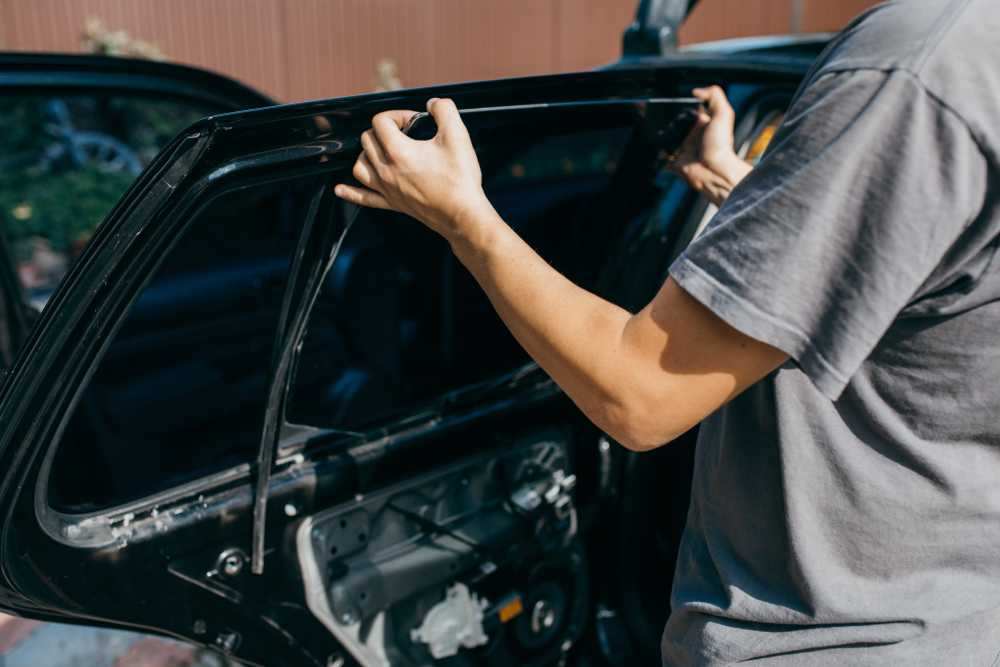
To fix a broken car glass quickly and safely, start by carefully removing loose shards and sealing the crack with clear tape to prevent further damage. For a more durable fix, consider using a windshield repair kit or consulting a professional for a replacement. Acting fast can save you money and keep you safe on the road.
If your car glass is cracked or shattered, don’t panic—there are straightforward steps you can take to repair it or minimize damage until professional help is available. The first step is to clean and secure the area to prevent injury and dirt from causing additional issues. Depending on the severity of the damage, you may be able to fix minor cracks with a repair kit, which involves filling the crack with a special resin. For larger or more complex damage, replacing the glass is often the safest and most effective option. Knowing these simple tips can help you stay safe and keep your vehicle in top shape until you get professional assistance.

How to Fix Broken Car Glass
Assessing the Damage
Before you start fixing your car glass, carefully examine the extent of the damage. Look for cracks, chips, or shattered pieces to determine whether repair or replacement is necessary. Small chips or minor cracks might be repairable, but large breaks usually require replacing the glass entirely.
Understanding When to Repair or Replace
Knowing whether to repair or replace your broken glass helps ensure safety and cost-efficiency. If a crack is less than six inches long and hasn’t spread, a repair might be enough. However, if the damage is extensive or obstructs your view, replacing the glass is the safest choice.
Gathering Necessary Tools and Materials
For minor repairs, gather these tools:
- Glass repair kit
- Cleaning cloths
- Rubbing alcohol or glass cleaner
- Gloves for safety
For replacements, you will need:
- New windshield or window glass
- Adhesive or sealant recommended for automotive glass
- Sealant applicator
- Optional: professional installation services
Cleaning the Damaged Area
Start by cleaning the area around the crack or chip. Use a soft cloth with rubbing alcohol or glass cleaner to remove dirt, dust, and grease. Proper cleaning ensures better adhesion if you’re applying a repair resin or adhesive.
Performing a DIY Repair
If the damage qualifies for a quick fix, follow these steps:
- Read the instructions on your glass repair kit carefully.
- Inject the resin into the crack using the applicator provided.
- Apply the curing film or UV light if included, to harden the resin.
- Remove excess resin and polish the area for clarity.
Remember, DIY repairs are temporary and best for small cracks or chips only.
Additional Tips for Effective Repair
- Perform repairs in a shaded, dust-free environment.
- Make sure the surface remains dry during and after the process.
- Follow the manufacturer’s instructions precisely for the best results.
When to Seek Professional Help
If the damage exceeds your skill level or the crack is larger than six inches, consult an auto glass professional. Professionals use specialized tools and techniques for safe, long-lasting repairs or replacements. They can also ensure your vehicle maintains safety standards and legal compliance.
Replacing Car Glass
Replacing broken or severely damaged glass involves removing the old pane and installing a new one. This process requires precision and experience, as improper installation can lead to leaks or safety hazards.
Steps for a Successful Replacement
- Remove any remaining broken glass fragments carefully.
- Apply a primer or sealant to prepare the frame.
- Set the new glass into the frame, aligning it correctly.
- Use adhesive or sealant as recommended by the manufacturer.
- Secure the glass and allow the adhesive to cure fully.
Tips for Maintaining Your Car Glass
Regular maintenance extends the lifespan of your car glass and keeps your vehicle safe. Wash the windows frequently using non-abrasive cleaners to prevent buildup. Avoid slamming doors or exposing your car to extreme temperature changes, which can cause cracks.
Preventing Future Damage
To prevent future glass damage:
- Avoid following large trucks or vehicles carrying loose debris.
- Park in shaded or covered areas whenever possible.
- Drive cautiously on gravel or rough roads to minimize stone chips.
Additional Resources and Professional Services
Consult local auto glass specialists for repairs and replacements. Some shops offer mobile services, coming directly to your location. Also, check your insurance policy; many cover repairs or replacements with minimal out-of-pocket costs.
Cost Considerations
Repair costs are generally lower than replacements. Small chip repairs can cost between $50 and $100, while replacing a windshield can range from $200 to over $500 depending on your vehicle model. Insurance may cover part or all of these expenses.
Legal and Safety Aspects
Cracked windshields can impair visibility and compromise safety. Many regions have legal standards for glass integrity; driving with damaged glass might lead to fines. Always ensure repairs meet safety regulations to protect yourself and others.
Summary
Fixing broken car glass requires careful assessment and proper technique. Small damages may be repaired with DIY kits, but large cracks or shattered glass often demand professional replacement. Regular maintenance and cautious driving can help prevent future damage, keeping your vehicle safe and roadworthy.
How to Repair a Windshield Chip or Crack
Frequently Asked Questions
What steps should I take immediately after noticing a crack in my car window?
As soon as you notice a crack, ensure the vehicle is parked safely away from traffic. Avoid driving if the crack is large or obstructs your view, as it can worsen or shatter during movement. Clean the area around the crack gently to remove dirt or debris, which helps in the repair process. If possible, cover the crack with clear tape to prevent dirt from entering and to minimize further damage until you can repair or replace the glass.
Is it safe to repair a small chip or crack in my car glass myself?
For small chips or cracks, DIY repair kits can be effective if used correctly. Follow the instructions carefully, ensuring the area is clean and dry before applying the resin. Using a resin repair kit can restore the glass’s strength and prevent the crack from spreading further. However, if the damage is extensive or located on the driver’s side, it’s safer to seek professional help to ensure a thorough and safe repair.
When should I consider replacing my car’s glass instead of repairing it?
If the crack spans more than a few inches, runs across the driver’s line of sight, or the glass has multiple cracks, replacement is generally the best option. Damage that compromises the structural integrity of the windshield or side windows also warrants a full replacement. A professional assessment can help determine whether a repair will suffice or if replacing the glass provides a safer solution.
How can I find a reliable professional to fix or replace my broken car glass?
Start by researching local auto glass repair shops with good reviews and certifications. Ask for recommendations from friends or family members who have had similar work done. Ensure the technicians use quality materials and offer warranties on their repairs or replacements. Visiting a shop in person and discussing your needs can also help you gauge their professionalism and expertise.
Final Thoughts
To fix broken car glass, start by cleaning the area around the crack or chip. Use a glass repair kit to apply resin and fill the damage, ensuring the surface is smooth. For larger or more severe breaks, consider replacing the entire glass panel for safety.
Properly fixing car glass reduces risks and restores visibility. Remember, how to fix broken car glass depends on the extent of the damage. Take timely action to ensure your vehicle remains safe and roadworthy.

- How To Fix Laminated Windshield Chip Effectively - October 29, 2025
- How To Repair Laminated Glass Crack Effectively - October 29, 2025
- How To Clean Laminated Glass Properly For Sparkling Results - October 29, 2025