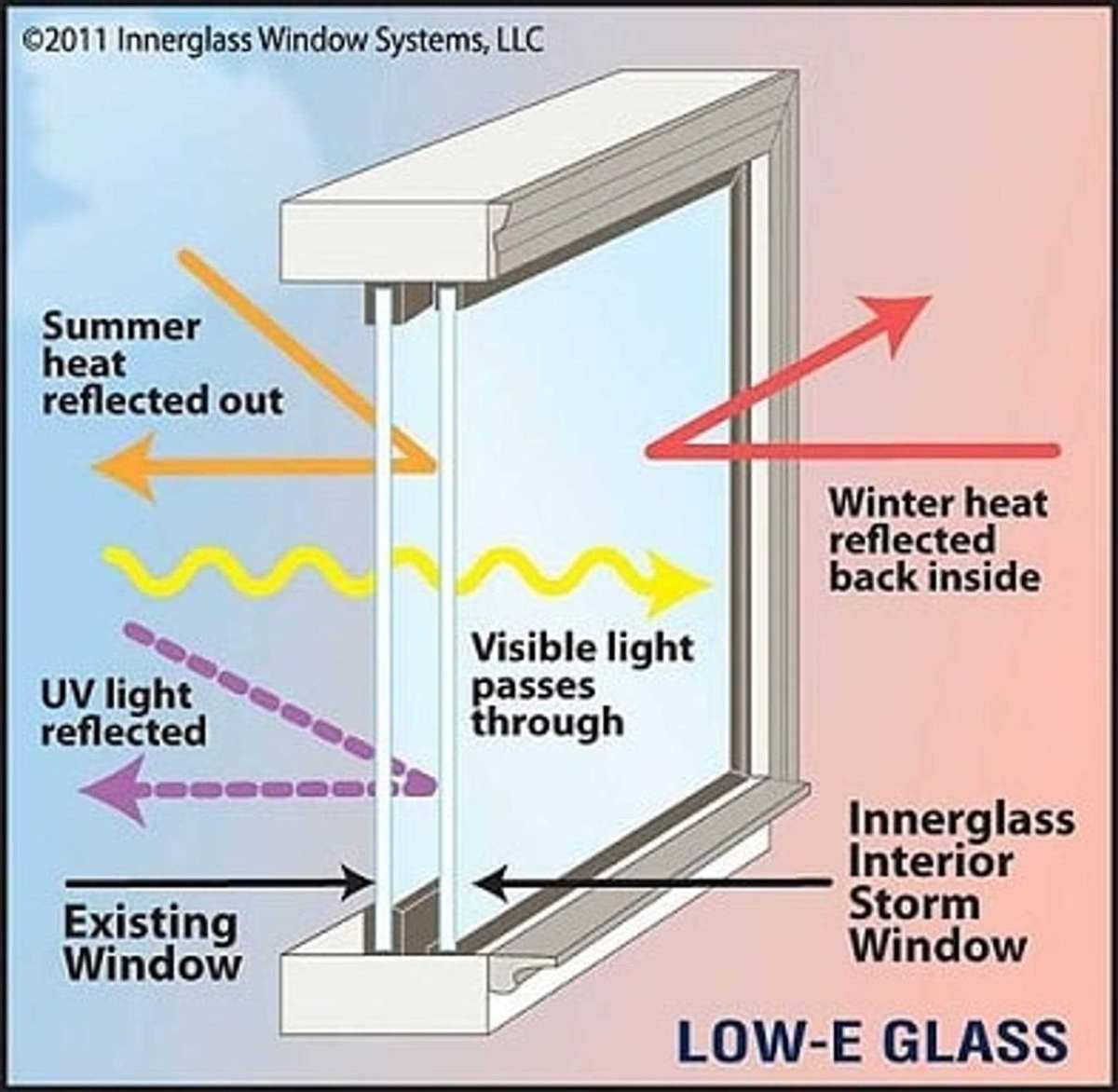
Yes, laminated glass can help reduce heat transfer, but its effectiveness depends on its specific design. Laminated glass with special coatings or interlayers can block or reflect a significant portion of solar heat, making indoor spaces cooler and more energy-efficient.
Laminated glass is often thought of mainly as a safety feature, but it also offers thermal benefits that can help in managing heat inside buildings. If you’re wondering whether it can truly stop heat, the answer is that it can contribute to heat reduction, especially when combined with other coatings or films designed for solar control. This makes laminated glass a versatile choice for both security and energy efficiency. In this article, we’ll explore how laminated glass works in blocking heat, the types available, and how you can maximize its temperature-regulating potential for your home or office.

Can Laminated Glass Stop Heat? Exploring Its Effectiveness and Benefits
Understanding Laminated Glass and Its Composition
Laminated glass is made by bonding two or more sheets of glass with an interlayer, typically made of polyvinyl butyral (PVB) or ethylene-vinyl acetate (EVA). This layer acts as a glue that holds the glass together even when broken. Because of this structure, laminated glass offers enhanced safety and security features.
The interlayer not only ensures safety but also plays a crucial role in controlling heat transfer through the glass. The material and thickness of this layer influence how much heat can pass through. In this section, we’ll explore what makes laminated glass unique and how its composition affects thermal properties.
How Does Laminated Glass Reduce Heat Transmission?
Laminated glass can help in managing heat transfer, but its effectiveness depends on various factors. The interlayer absorbs some of the infrared heat from sunlight, reducing the amount of heat that passes through to interior spaces.
This process is called “solar heat gain reduction.” When sunlight hits laminated glass, the interlayer reflects, absorbs, or transmits certain wavelengths, especially in the infrared spectrum. As a result, laminated glass can reduce the indoor temperature and increase comfort.
Types of Laminated Glass for Heat Control
There are different types of laminated glass designed specifically for thermal control:
- Standard Laminated Glass: Offers basic safety features with modest heat reduction capabilities.
- Low-Emissivity (Low-E) Laminated Glass: Contains a special coating that reflects infrared heat while allowing visible light to pass through, greatly improving heat control.
- Tinted Laminated Glass: Has colorants that reduce glare and solar heat gain, making interiors cooler during hot days.
Choosing the right type depends on your climate, building design, and energy goals.
Comparing Laminated Glass to Other Glazing Options
Laminated glass is often compared with other glazing options such as double glazing or tinted glass.
| Feature | Laminated Glass | Double Glazing | Tinted Glass |
|---|---|---|---|
| Heat Reduction | High (especially with Low-E coatings) | Moderate to high | Variable, depending on tint |
| Safety & Security | Excellent (due to shatter resistance) | Good | Not significantly improved |
| UV Protection | Yes, especially with special coatings | Limited | Yes, depending on tint |
This comparison helps in selecting the best glass type based on heat management needs.
How Effective Is Laminated Glass in Blocking Infrared Heat?
Infrared heat is primarily responsible for warming indoor spaces from sunlight. Laminated glass, especially with specialized coatings, can block up to 90% of infrared rays.
Low-E coatings applied to laminated glass improve this capability further by reflecting IR rays back outside, minimizing heat transfer inside. This feature makes laminated glass particularly useful in hot climates or spaces with large windows.
Role of Interlayer Materials in Heat Control
Different interlayer materials impact heat absorption and reflection:
- PVB Interlayer: Provides a decent level of solar control and safety but less effective in blocking infrared heat without additional coatings.
- EVA Interlayer: Offers similar safety benefits and can be combined with metal coatings for improved heat reduction.
- Specialized Interlayers: Contain metallic or nano-ceramic components designed specifically for thermal insulation and heat rejection.
Selecting the right interlayer enhances the overall thermal performance of laminated glass.
Benefits of Using Laminated Glass for Heat Reduction
Opting for laminated glass offers multiple advantages:
- Energy Efficiency: Reduces cooling costs by blocking heat, leading to lower air conditioning use.
- Enhanced Comfort: Maintains a consistent indoor temperature, reducing hot spots near windows.
- UV Protection: Shields interior furnishings from fading caused by ultraviolet rays.
- Safety and Security: Prevents shards from falling and resists break-ins, especially if reinforced.
These benefits contribute to a more comfortable and cost-effective living or working environment.
Installing Laminated Glass for Optimal Heat Control
Proper installation is key to maximizing laminated glass’s heat-reducing properties.
Ensure that:
- Seals are airtight to prevent air leakage and drafts.
- Glass panels are correctly aligned to avoid gaps that can compromise insulation.
- Additional coatings, such as Low-E, are applied for better infrared reflection.
A professional installer can recommend the best configuration based on your specific needs and climate zone.
Potential Limitations and Considerations
While laminated glass can significantly reduce heat transfer, it has limitations:
- It may be more expensive than traditional glass options.
- The effectiveness varies depending on the type of interlayer and coatings used.
- It might slightly reduce the amount of natural light entering your space.
Understanding these aspects helps set realistic expectations about its performance.
Related Topics: Solar Control and Energy-efficient Windows
Laminated glass is part of broader solutions for energy-efficient buildings. Consider exploring:
- Solar control window films
- Double-glazed windows with gas fills
- Smart glass with adjustable transparency
- Proper shading and outdoor treatments
Combining these strategies with laminated glass can maximize heat control and energy savings.
Summary of Key Points
Laminated glass can help **reduce heat transfer** when designed with specific coatings and interlayer materials. Its effectiveness depends on factors like glass thickness, coatings, and installation quality. When properly chosen and installed, laminated glass improves comfort, reduces energy costs, and increases safety.
In hot climates or sunny spaces, laminated glass with Low-E coatings and tinted interlayers offers the best protection against infrared heat. By understanding how laminated glass works, you can make informed decisions to create cooler, safer, and more efficient buildings.
Tempered vs heat-strengthened glass. Did You know
Frequently Asked Questions
How does laminated glass contribute to reducing heat transfer in buildings?
Laminated glass minimizes heat transfer by adding an insulating layer between two panes of glass. The interlayer, often made of polyvinyl butyral (PVB), absorbs some of the heat and reflects it away from the interior space. This reduces the amount of heat entering or escaping through windows, helping to maintain a comfortable indoor temperature and decrease energy consumption for cooling or heating.
Can laminated glass block ultraviolet (UV) rays that contribute to indoor heat?
Yes, laminated glass can significantly reduce UV rays that cause indoor heat buildup. The interlayer in laminated glass absorbs a large portion of UV radiation, preventing it from passing through the window. This not only helps control indoor temperature but also protects furniture and other items from UV-related damage.
What factors influence the heat reduction capabilities of laminated glass?
The effectiveness of laminated glass in stopping heat depends on several factors, including the thickness of the glass, the type of interlayer used, and any additional coatings applied. Thicker glass and specialized coatings, such as low-emissivity (low-e) coatings, enhance insulation properties and improve the glass’s ability to reflect or absorb heat, leading to better temperature control indoors.
Is laminated glass suitable for all climates in terms of heat management?
Laminated glass performs well across different climates by helping control heat gain in hot areas and retaining warmth in colder regions. Its insulating properties can be customized based on specific climate needs by selecting appropriate glass thickness, interlayer types, and coatings. This flexibility makes laminated glass suitable for a wide range of environmental conditions.
Does the installation of laminated glass impact its ability to reduce heat transfer?
Proper installation of laminated glass ensures optimal thermal performance. If installed correctly, with tight seals and proper framing, it effectively reduces unwanted heat transfer. Poor installation may create gaps or thermal bridges, diminishing its insulation benefits. Therefore, professional installation plays a crucial role in maximizing the heat-reduction capabilities of laminated glass.
Final Thoughts
Laminated glass offers significant benefits in controlling heat transfer. It effectively reduces solar heat gain, helping maintain comfortable indoor temperatures. This makes it a smart choice for energy efficiency and comfort.
While laminated glass can stop heat to some extent, its primary strength lies in safety and security. For better heat control, combining it with other insulating materials enhances performance.
In summary, can laminated glass stop heat? Yes, it helps manage heat transfer, contributing to energy savings and indoor comfort.

- How To Fix Laminated Windshield Chip Effectively - October 29, 2025
- How To Repair Laminated Glass Crack Effectively - October 29, 2025
- How To Clean Laminated Glass Properly For Sparkling Results - October 29, 2025