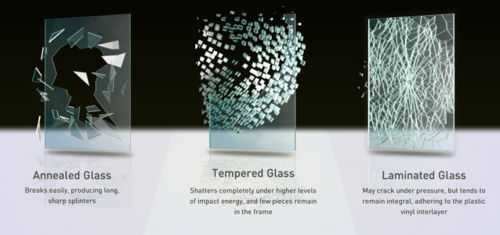
Laminated glass and tempered glass both offer impressive safety features, but which one is truly stronger? If you’re trying to decide for your windows or glass doors, understanding their differences is essential. The quick answer is, laminated glass tends to be more resistant to impact and holds together when shattered, while tempered glass is designed to break into small, less dangerous pieces, but isn’t as impact-resistant overall.
Laminated glass combines multiple layers of glass with a plastic interlayer, making it incredibly tough and capable of absorbing shocks. Tempered glass, on the other hand, is heat-treated to increase its strength, but it still shatters more readily under strong impacts. If safety and durability against impact are your main concerns, laminated glass often outperforms tempered glass. Now, let’s explore what makes each type of glass unique and help you decide which is best suited for your needs.

Is Laminated Glass Stronger Than Tempered Glass?
Understanding the Basics of Laminated and Tempered Glass
Laminated glass is made by sandwiching a layer of plastic, usually polyvinyl butyral (PVB), between two sheets of glass. This design keeps the glass bound together even when it breaks, preventing dangerous shards from scattering. Temered glass, on the other hand, is heat-treated to increase its strength compared to regular glass, causing it to shatter into small, dull pieces that are less likely to cause injury. Both types of glass are popular in construction and automotive industries, but their strengths differ based on composition and design.
Strength and Durability Explained
The main question is whether laminated glass is stronger than tempered glass. The answer depends on how we define strength—whether it’s impact resistance, shattering behavior, or overall durability. Laminated glass tends to withstand impacts better without breaking apart completely, thanks to its plastic interlayer. Tempered glass, however, is designed to resist high forces and, when broken, shatters into small, less dangerous pieces.
Impact Resistance Comparison
- Laminated Glass can absorb impacts because of its flexible plastic core. This causes it to stay intact even when hit hard.
- Tempered Glass is also impact-resistant but tends to break into tiny cubes when subjected to force, reducing injury risk but not preventing breakage altogether.
Studies show that laminated glass often performs better under repeated impacts, making it ideal for security applications.
Breaking Behavior and Safety Features
When laminated glass breaks, the plastic layer holds the shards together, preventing shards from flying around. This makes laminated glass safer for use in car windshields or windows in buildings near pedestrians.
Tempered glass, though it shatters more completely, dissipates energy rapidly. It’s designed to break into small pieces to reduce the severity of injuries in accidents.
So, in terms of safety, laminated glass offers superior protection against dangerous shards when broken, while tempered glass minimizes injury potential by breaking into less harmful pieces.
Strength Under Stress and Load
Both types of glass are tested for different types of load. Laminated glass can handle different stresses, such as wind pressure and impact, better because of its layered construction.
Tempered glass, however, is stronger in terms of its ability to resist bending and breaking under force. It is often used where high structural strength is necessary.
In essence, laminated glass offers more resilience to impact and delamination, but tempered glass provides excellent resistance to bending and sudden loads.
Environmental Resistance and Longevity
Laminated glass generally outperforms tempered glass when exposed to environmental factors. Its plastic core reduces UV damage and minimizes haze over time.
Temperered glass is more susceptible to thermal stresses and can become cloudy or crack under extreme temperature fluctuations.
Thus, for durability in outdoor environments, laminated glass might last longer and maintain clarity better.
Applications and Practical Considerations
Security and Safety
Laminated glass is often used in areas requiring security and safety such as bank windows, skylights, and windshields. Its ability to withstand impacts and keep shards contained makes it ideal for high-risk zones.
Structural and Architectural Uses
Tempered glass is preferred in structural applications like glass walls, doors, and shower enclosures because of its strength and clean break pattern.
Cost and Installation Factors
Generally, laminated glass costs more but offers added safety benefits. Installation may be more complex due to its weight and layered nature.
Tempered glass is often less expensive and easier to install, making it a good choice for standard applications where impact resistance is less critical.
Testing Standards and Certification
Both laminated and tempered glasses must adhere to specific standards such as ASTM, ANSI, or EN standards, depending on the country. These tests evaluate impact resistance, breakage behavior, and safety performance.
Understanding these certifications helps in choosing the right glass type for a particular project or requirement.
Comparative Table: Laminated vs Tempered Glass
| Property | Laminated Glass | Tempered Glass |
|---|---|---|
| Impact Resistance | High, resists shattering | Moderate, shatters into small pieces |
| Breakage Pattern | Stays together when broken | Breaks into small fragments |
| Safety | Prevents shards from flying | Reduces injury due to small shards |
| Strength | Resists impacts well, good for security | Resists bending and sudden force |
| Environmental Durability | Better UV and weather resistance | More prone to thermal stress |
| Cost | Generally higher | Lower, more budget-friendly |
| Common Uses | Car windshields, security windows, skylights | Doors, partitions, shower enclosures |
Material and Construction: How Strength Is Achieved
The core difference lies in how each glass is engineered. Laminated glass’s layered construction with plastic interlayers lends it a high degree of impact absorption and safety.
Tempered glass undergoes a rapid heating and cooling process, which toughens the surface and grants it high resistance to bending and impact forces.
Understanding these production methods clarifies why each type demonstrates different strength characteristics.
Expert Insights on Choosing the Right Glass
Experts recommend laminated glass for scenarios requiring impact resistance, sound insulation, and security. Its ability to hold together when shattered makes it safer in dangerous situations.
Tempered glass, on the other hand, remains the choice for structural stability, aesthetics, and cost-efficiency in less hazardous environments.
Selecting the ideal glass depends on evaluating safety needs, impact potential, environmental factors, and budget constraints.
Summary of Key Differences
While both laminated and tempered glass are stronger than regular glass, their specific strengths suit different applications. Laminated glass excels in impact resistance and safety, while tempered glass provides high strength against bending and thermal stress.
Assessing project requirements carefully ensures you select the best type for safety, durability, and cost-effectiveness.
Laminated Glass vs. Tempered Glass
Frequently Asked Questions
How does the safety performance of laminated glass compare to tempered glass?
Laminated glass tends to perform better in safety since it holds together when shattered, reducing the risk of injury from sharp fragments. Tempered glass shatters into small, blunt pieces that minimize injury, but it breaks apart completely when under stress. Depending on the safety requirements, laminated glass offers an advantage by remaining intact after impact.
Can laminated glass withstand higher impact forces than tempered glass?
While both types of glass are designed for impact resistance, laminated glass often handles high-impact forces more effectively due to its layered structure. The interlayer absorbs some of the shock, making laminated glass more resistant to breaking under repeated or strong impacts compared to tempered glass, which is more likely to shatter suddenly.
What are the differences in strength between laminated and tempered glass in terms of load-bearing capacity?
Tempered glass generally has a higher load-bearing capacity and can resist greater force in a single application. Laminated glass, however, offers better performance under tensile stress and impact from multiple directions because the laminated layers help distribute the force more evenly, though it may not always support as much weight as tempered glass in static applications.
In what scenarios does laminated glass outperform tempered glass regarding durability?
Laminated glass excels in environments where impacts are unpredictable or where safety is critical, such as in car windshields or security windows. Its ability to stay intact even when cracked enhances durability over tempered glass, which can shatter entirely and require replacement after impact.
Is there a difference in resistance to environmental factors between laminated and tempered glass?
Laminated glass generally offers better resistance to UV exposure, weathering, and moisture intrusion because of its adhesive layers. Tempered glass, while structurally strong, does not have this layered protection, making laminated glass more suitable in settings that face harsh environmental conditions without compromising strength.
Final Thoughts
Laminated glass and tempered glass each offer unique benefits. Laminated glass contains a polymer layer that holds shards together, providing better impact resistance and safety. Tempered glass, on the other hand, breaks into small, less dangerous pieces, making it suitable for certain applications.
When comparing strength, laminated glass generally provides superior durability under impact. Its layered structure absorbs more force, making it harder to shatter.
In conclusion, the question ‘is laminated glass stronger than tempered glass’ highlights that laminated glass often proves more resilient, especially in high-impact scenarios.

- How To Fix Laminated Windshield Chip Effectively - October 29, 2025
- How To Repair Laminated Glass Crack Effectively - October 29, 2025
- How To Clean Laminated Glass Properly For Sparkling Results - October 29, 2025