Laminated glass offers unmatched safety and durability compared to normal glass, making it the top choice for security-sensitive applications. If you’re debating between the two, laminated glass is more resistant to shattering and provides better insulation, while regular glass is cheaper and easier to replace.
In brief, laminated glass combines multiple layers to enhance strength and safety, making it ideal for windows in homes and vehicles where security is a concern. Normal glass, on the other hand, is more straightforward and cost-effective but less resilient in the face of impact. Choosing between them depends on your specific needs for safety, budget, and aesthetics.
When it comes to choosing the right glass for your space, understanding laminated versus normal glass is crucial. Laminated glass is specially designed with a layer of polyvinyl butyral (PVB) sandwiched between two sheets of glass. This construction provides added strength, prevents shattering into dangerous shards, and offers improved sound insulation. Normal glass, also known as annealed glass, is simply a single sheet that is easier to cut and replace but more vulnerable to damage. Whether for decorative purposes, security, or insulation, knowing the differences helps you make an informed decision that balances safety, cost, and style.

Laminated Glass vs Normal Glass: A Complete Comparison
Understanding the Basics of Normal Glass and Laminated Glass
Normal glass is the most common type of glass used in windows, doors, and various household items. It is made from silica sand, soda ash, and limestone, melted together at high temperatures. This process results in a clear, hard sheet that is durable but can shatter into sharp pieces when broken.
Laminated glass, on the other hand, is made by bonding two or more layers of glass with an interlayer made of polyvinyl butyral (PVB) or other plastics. These layers are pressed together under heat and pressure, creating a strong, transparent safety glass. The key difference lies in their composition, which influences their strength, safety features, and application suitability.
Structural Differences Between Laminated and Normal Glass
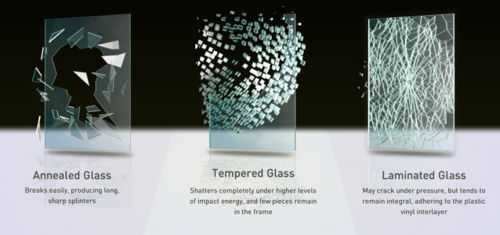
Normal glass has a simple, one-layer structure that makes it prone to shattering upon impact. When it breaks, it fragments into many sharp pieces, increasing injury risk. Its design offers no resistance to penetration, which can be dangerous in accidents or break-ins.
Laminated glass features a layered setup with a plastic interlayer that holds glass shards together after impact. This structure provides remarkable strength and flexibility, allowing it to withstand more force without breaking. When broken, laminated glass typically remains intact, with the plastic layer preventing shards from dispersing.
Safety Features of Laminated vs Normal Glass
Safety is one of the main reasons people choose laminated glass over normal glass. Laminated glass minimizes injury risk because it stays in place even when shattered, preventing sharp fragments from flying around. This feature makes it an excellent choice for car windshields, skylights, and high-traffic areas.
Normal glass, however, breaks into numerous sharp pieces that can cause injuries or accidents. It offers no real safety benefits in case of impact or accidents and is more vulnerable to breakage than laminated glass. For safety-critical applications, laminated glass is often the preferred option.
Strength and Durability Comparison
Laminated glass is significantly stronger than normal glass due to its layered construction. It can resist impacts from stones, balls, or other objects better than standard glass, making it ideal for security purposes.
Normal glass is less resistant to impact and more likely to crack or shatter under stress. It may stand up well to everyday use but is not suitable for environments prone to vandalism or frequent impacts.
Cost Difference Between Laminated and Normal Glass
Generally, laminated glass costs more than normal glass because of its complex manufacturing process and additional materials. However, this higher upfront investment can be justified by its safety benefits and longer lifespan.
Normal glass is more affordable initially but may incur higher maintenance costs in the long run. It might need to be replaced more often or repaired more frequently if damaged, especially in high-risk areas.
Applications of Laminated Glass and Normal Glass
Laminated glass is commonly used in situations where safety and security are priorities. These include automobile windshields, skylights, glass floors, and building facades exposed to potential impacts.
Normal glass is often found in less critical areas such as picture frames, interior partitions, and decorative windows. It is suitable where cost-efficiency is more important than impact resistance or safety.
Environmental Resistance and Maintenance
Laminated glass performs well against UV rays and weather effects, maintaining clarity over time with minimal cleaning. Its plastic layer offers some resistance to minor scratches, making it easier to keep clean and clear.
Normal glass can be susceptible to scratches and may become foggy or cloudy if exposed to harsh weather or pollutants. Regular cleaning is necessary to maintain transparency, especially in outdoor environments.
Transparency and Light Transmission
Both laminated and normal glass provide high levels of transparency, though laminated glass may sometimes have a slight tint due to the plastic interlayer. Its light transmission is generally comparable to that of normal glass, ensuring good natural lighting.
The slight tint in laminated glass can be advantageous for reducing glare or heat gain in buildings, while normal glass offers pure clarity with no tint.
Soundproofing Capabilities
Laminated glass offers better soundproofing than normal glass because of its layered structure, which absorbs and reduces sound vibrations. This makes laminated glass suitable for offices and homes near noisy areas.
Normal glass provides minimal sound insulation, making it less effective in blocking outside noise. For quiet environments, laminated glass is the better choice.
Impact Resistance and Security
When it comes to resistance to forced entry or vandalism, laminated glass outperforms normal glass due to its toughness and ability to hold shards together. It is widely used in security and safety doors, windows, and bank vaults.
Normal glass can be easily broken with force, compromising security. Its vulnerability makes it less suitable for high-security settings.
Legal and Building Code Considerations
Many building codes require the use of safety glass, especially in public spaces and high-risk locations. Laminated glass often meets or exceeds these safety standards.
Normal glass may not meet safety requirements in certain applications, making laminated glass a more compliant choice in many regions for safety and security reasons.
Choosing between laminated glass and normal glass depends on your specific needs. Laminated glass offers superior safety, impact resistance, and security features, making it ideal for high-risk or safety-sensitive areas. Normal glass remains a cost-effective option for decorative and low-impact uses. By understanding these differences, you can make an informed decision to ensure both safety and cost-efficiency for your project.
Laminated Glass vs. Tempered Glass
Frequently Asked Questions
How does laminated glass improve safety compared to standard glass?
Laminated glass enhances safety by holding together when broken, preventing shards from flying and reducing injury risks. Its interlayer keeps the glass intact despite cracks, providing a safer environment especially in areas prone to impact or accidents.
In terms of insulation, how does laminated glass perform relative to regular glass?
Laminated glass offers better thermal insulation than standard glass. The interlayer acts as a barrier that reduces heat transfer, helping to maintain indoor temperatures and lower energy bills. This makes it a practical choice for climate control in buildings.
Can laminated glass withstand more impact than regular glass?
Yes, laminated glass is more resistant to impact. The interlayer absorbs and distributes energy from blows, so it can withstand more force without breaking apart. This property makes it suitable for use in security windows and wind-resistant panels.
Does laminated glass provide any advantages in noise reduction over normal glass?
Laminated glass reduces noise transmission more effectively than standard glass. The layered structure dampens sound vibrations, creating a quieter indoor environment. This benefit is especially noticeable in busy or noisy areas.
How does maintenance differ between laminated glass and standard glass?
Laminated glass generally requires similar cleaning methods as regular glass. However, because of its higher durability and resistance to shattering, it tends to sustain fewer scratches and damage, making maintenance easier over time. Proper cleaning with non-abrasive materials helps preserve its clarity and longevity.
Final Thoughts
Laminated glass offers superior safety because it holds together when shattered, reducing injury risks. Normal glass, however, breaks into sharp shards, posing greater danger. Both types serve different purposes based on safety needs and aesthetics. In summary, laminated glass vs normal glass depends on your priorities, but laminated glass provides enhanced security and durability.

- How To Fix Laminated Windshield Chip Effectively - October 29, 2025
- How To Repair Laminated Glass Crack Effectively - October 29, 2025
- How To Clean Laminated Glass Properly For Sparkling Results - October 29, 2025