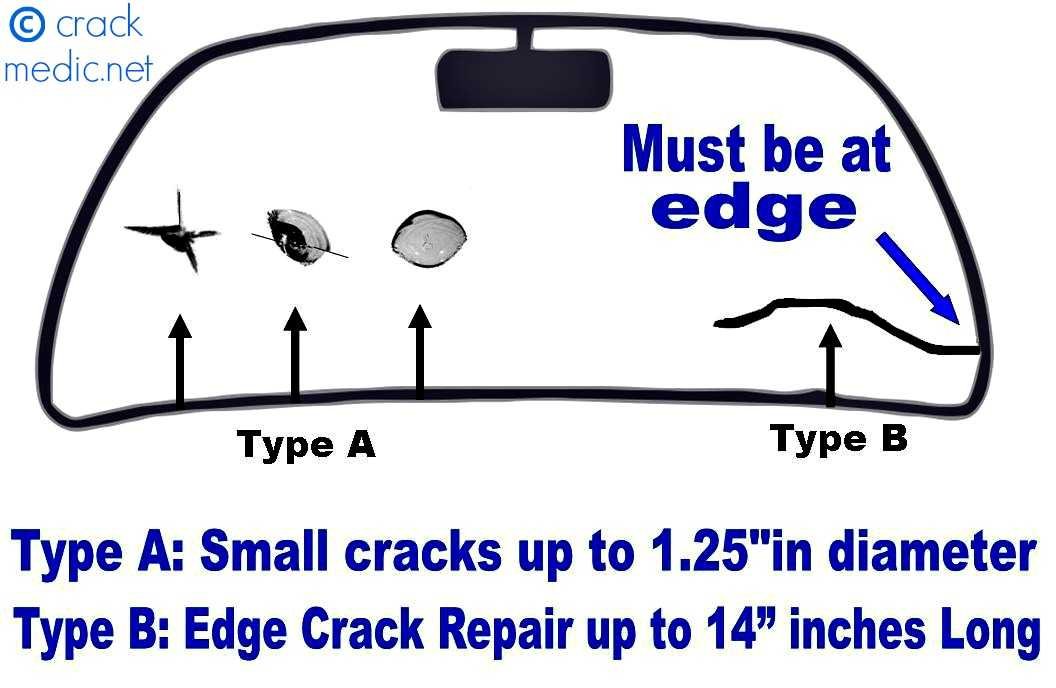
A crack in your windshield that’s smaller than a dollar bill can usually be repaired, but larger cracks might require a full replacement. If you’re wondering whether your damage qualifies for a quick fix, the good news is that most minor cracks and chips can be effectively repaired before they spread further. In general, cracks shorter than 6 inches are repairable, but larger damage often means replacing the windshield.
If your windshield crack is less than 6 inches long, chances are it can be fixed easily and affordably, saving you time and money. When cracks grow beyond that size, the structural integrity of the glass might be compromised, making repair impossible and replacement necessary. Knowing the limits of repair can help you act fast to prevent further damage. The key is to assess the crack’s size and location promptly to determine if a simple repair is the right move.

How Big of Windshield Crack Can Be Repaired?
Understanding the Basics of Windshield Cracks
Cracks in a windshield can vary greatly in size and severity. Small chips or cracks often seem minor but can quickly spread if not addressed promptly. Repairs are possible when the damage is within certain size limits, saving you money and time. Knowing what size of crack can be repaired helps you decide whether to seek professional help or consider replacement.
Types of Windshield Cracks and Their Sizes
Cracks in windshields come in various shapes and sizes, which influence repair options. Here are some common types:
- Chip: Usually less than 1 inch across, often caused by small rocks or debris.
- Star Breaks: Cracks radiate outward like a star, typically under 3 inches.
- Circular Cracks: Circular damage less than 2 inches in diameter.
- Long Cracks: Cracks exceeding 6 inches are generally not repairable.
- Craze Lines: Multiple small cracks forming a web pattern, often decorative but less repairable.
Understanding the type helps determine if the damage fits within repairable limits.
Size Limits for Repairability
The size of the crack is the most critical factor in deciding if it can be repaired. In most cases:
- Cracks less than 6 inches long can usually be fixed effectively.
- Chips smaller than 1 inch in diameter are often repairable.
- Long cracks exceeding 6 inches typically require windshield replacement because repairs won’t restore safety or clarity.
However, it’s essential to consider the location and depth of the crack, which can affect repair success.
Assessing the Location of the Crack
The position of the crack on the windshield impacts repair options. Cracks in the driver’s line of sight require more precise repairs to avoid impairing vision. Cracks near the edges are more likely to spread or weaken the glass, making repair more complicated.
Central Area of the Windshield
Cracks in the central area are more prominent and need careful repair to avoid distortion or visibility issues. When cracks are in this zone and are under 6 inches in length, repair is generally possible.
Near the Edges of the Windshield
Cracks close to the edges often pose risks to vehicle safety. Repairs may be unsuccessful if the crack is close to the frame, as the glass may be compromised. In such cases, replacement might be the safer option.
Factors Affecting the Repairability of Cracks
Size is just one aspect; other factors also influence repair success. Consider:
- Depth of the Crack: Surface-level cracks are easier to fix than those that penetrate deeply.
- Type of Damage: Star or bullseye cracks are typically more repairable than complex spiderweb patterns.
- Age of the Crack: Older cracks may have dirt or debris embedded, reducing repair effectiveness.
- Weather Conditions: Cold or humid environments can affect the adhesive used in repairs.
Assessing these factors with the help of a professional ensures a proper decision.
Signs That Crack Repair Is Not Recommended
Certain signs indicate that repair may not be advisable. These include:
- Cracks larger than 6 inches
- Multiple cracks spreading across the windshield
- Cracks directly in the driver’s line of sight with distortion
- Cracks with extensive damage or delamination
- Cracks caused by impact on the edge of the glass
In such cases, replacement is the safest choice to maintain vehicle integrity and safety.
Advantages of Repairing Small Cracks
Repairing cracks that meet size criteria offers several benefits:
- Cost-Effective: Repair costs are significantly lower than replacement.
- Time-Saving: Repairs often take less than an hour.
- Maintains Original Glass: Preserves the structural integrity of the windshield.
- Prevents Further Damage: Stops the crack from spreading and worsening.
These advantages make early repairs a smart choice for minor damage.
Repair Process and What to Expect
The repair process involves cleaning the crack, injecting a special resin, and curing it with UV light. This method restores clarity and prevents crack expansion. It is important to choose experienced technicians to ensure quality work.
Steps in the Repair Procedure
- Cleaning the damaged area to remove dirt and moisture.
- Applying a vacuum to remove air and moisture from the crack.
- Injecting transparent resin deep into the crack or chip.
- Using ultraviolet light to harden the resin.
- Polishing the surface for a smooth finish.
Proper execution ensures the crack becomes less visible and less likely to spread.
When to Consider Immediate Replacement Instead of Repair
If the crack exceeds the size limits or is in a critical location, replacing the windshield is safer. Signs that replacement is necessary include:
- Cracks larger than 6 inches
- Multiple cracks spreading across the glass
- Cracks causing distortion or impairing visibility
- Damage near the edges or on the edges
Prioritizing safety helps prevent future problems.
Preventive Tips to Avoid Windshield Cracks
Preventing cracks can save you money and hassle. Some tips include:
- Avoid following large trucks that kick up debris.
- Drive carefully on gravel or rough roads.
- Park in shaded areas to prevent ice or heat stress.
- Immediately repair any small chips before they grow.
- Use a windshield sunshade to reduce temperature fluctuations.
Practicing these habits can extend the life of your windshield.
Summary of Repairable Crack Sizes and Conditions
Here’s a quick reference table to visualize repair eligibility:
| Type of Damage | Maximum Size | Notes |
|---|---|---|
| Chip | Less than 1 inch | Usually repairable, quick fix |
| Star Break | Up to 3 inches | Repair possible if no extensive cracking |
| Long Crack | Less than 6 inches | Usually repairable, but check for location |
| Cracks over 6 inches | More than 6 inches | Likely require windshield replacement |
This guide helps you understand what damage can be fixed and what should be replaced for safety.
Final Takeaway
The size of the crack plays a vital role in repairability. Small cracks under 6 inches often can be repaired effectively, maintaining safety and saving money. However, larger or complex cracks typically require replacement. Regular inspections and quick action on minor damage prevent costly repairs later.
By understanding these factors, you can make informed choices about your windshield damage and keep your vehicle safe on the road.
How To Repair Large Cracks in a Windshield Quickly!
Frequently Asked Questions
What is the maximum length of a crack that can still be repaired?
Most windshield repair technicians can effectively fix cracks up to 6 inches long. If the crack exceeds this length, the repair might not restore the windshield’s strength and clarity fully. Smaller cracks are easier to repair and less likely to spread, making timely repairs essential for optimal results.
Can a large crack be repaired without replacing the entire windshield?
In many cases, cracks that are not too extensive can be repaired without replacing the windshield. However, if the crack is very large, covers a significant area, or is located in front of the driver’s line of sight, replacing the windshield might be the best option to ensure safety and structural integrity.
How does the location of a crack influence repair options?
The position of a crack plays a crucial role in determining repairability. Cracks positioned near the edges or in areas that experience high stress are more challenging to repair effectively. Repairs are most successful when cracks are in the central area of the windshield, away from the edges, where they are less likely to compromise the overall structure.
Is there a size limit beyond which a crack cannot be repaired?
Typically, cracks longer than 6 inches or those that have multiple branches are less likely to be repairable. Larger cracks tend to weaken the glass further, increasing the risk of spreading. In such cases, replacing the windshield offers a more reliable solution to ensure safety.
What types of cracks are most difficult to repair due to their size?
Deep or long cracks, especially those that extend across a considerable portion of the windshield, are difficult to repair. These cracks often compromise the glass’s integrity and may require complete replacement. Always consult a professional to assess whether a crack is repairable or if replacement is necessary.
Final Thoughts
The answer to how big of windshield crack can be repaired depends on its size and location. Generally, chips smaller than a quarter and cracks less than 12 inches can be fixed effectively. Larger damage may require replacement to ensure safety.
If the crack is in the driver’s direct line of sight or exceeds recommended dimensions, repair may not be possible. Consulting a professional quickly increases the chances of successful repair.
In summary, knowing how big of windshield crack can be repaired helps prevent unnecessary expenses. Stay attentive to damage size, and act promptly to preserve your windshield’s integrity.

- How To Fix Laminated Windshield Chip Effectively - October 29, 2025
- How To Repair Laminated Glass Crack Effectively - October 29, 2025
- How To Clean Laminated Glass Properly For Sparkling Results - October 29, 2025