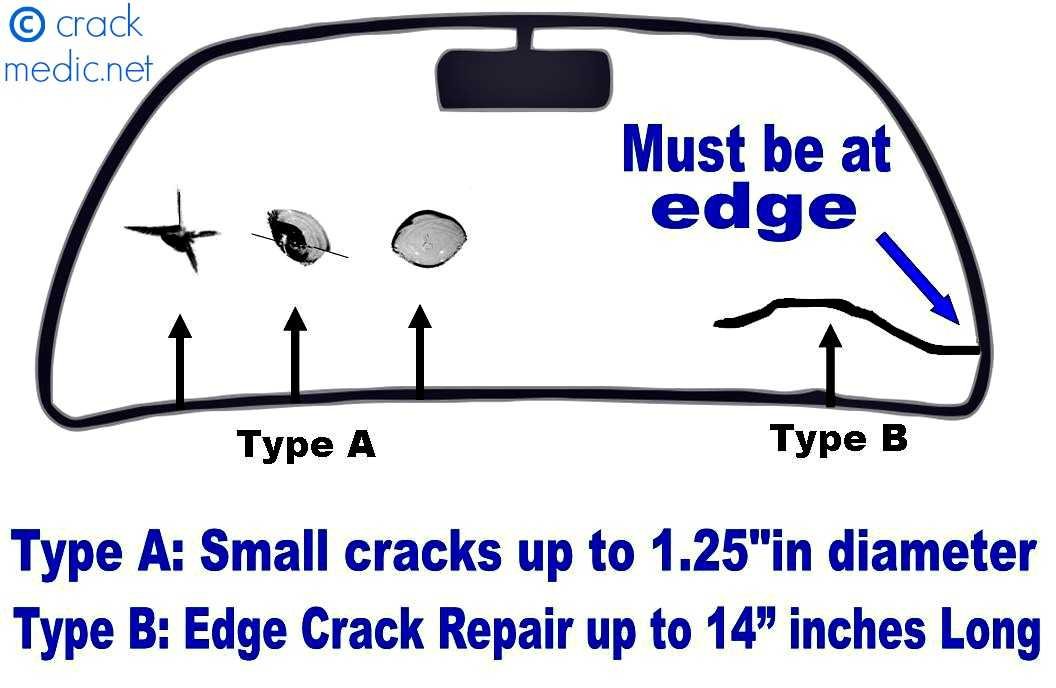
A small crack in your windshield can often be repaired if it’s less than the size of a dollar bill, generally around 6 inches. Larger cracks tend to compromise the glass’s integrity and usually require a full replacement. If the crack is minor, quick repairs can prevent it from spreading and save you money.
In most cases, cracks under 6 inches can be repaired effectively if they are not in the driver’s line of sight or located on the edges of the windshield. However, larger or complex cracks may limit the possibility of a safe repair. Addressing minor damage early can extend the lifespan of your windshield and ensure your safety on the road. It’s important to assess the size and location of the crack to determine if a repair is feasible before it worsens.

What Size Windshield Crack Is Repairable?
Understanding which cracks can be fixed is important when it comes to saving money and ensuring safety. Not all cracks are repairable, but many are if they meet certain size and location criteria. This section will detail the key factors that determine whether a windshield crack is repairable and what size limits apply.
Why The Size Of A Crack Matters
The size of a crack directly impacts whether it can be fixed or if replacement is necessary. Smaller chips and cracks are usually easier to repair and less expensive. Larger cracks may weaken the windshield and require complete replacement.
Repairing small cracks helps maintain the integrity and safety of the windshield. Larger cracks can spread quickly and compromise visibility, making repair impossible and unsafe. Knowing the size helps vehicle owners make smart decisions quickly.
Standard Size Limits For Repairs
Most auto glass experts agree on certain size thresholds for repairs. Common guidelines include:
- Cracks less than 6 inches long are often repairable.
- Chips smaller than a quarter inch (½ inch) in diameter can usually be fixed.
- Cracks longer than 6 inches often require windshield replacement.
- Multiple small cracks clustered close together may be less likely to be repaired successfully.
Details About Crack Length and Width
The crack’s length and width are both critical factors. A crack that is under 6 inches long is generally within repairable limits. If a crack exceeds this length, the risk of it spreading or becoming worse increases.
Width also plays a role; cracks wider than 1/8 inch (0.125 inch) are usually not repairable because the resin used cannot fill the gap properly. Small, narrow cracks are easier to mend and less likely to reoccur.
Types of Cracks Considered Repairable
Not all cracks are the same. Some types are more suitable for repair than others. These include:
- Chip or bullseye: Usually smaller than 1 inch across and repairable if in the driver’s line of sight.
- Star break: Small cracks radiating from a point; often repairable if under 3 inches.
- Circular cracks: Usually repairable if under 1.5 inches in diameter.
Cracks That Are Typically Not Repairable
Large or complex cracks tend to require full windshield replacement. These include:
- Long cracks over 6 inches: These are usually too big for effective resin repair.
- Cracks that span the entire width: These compromise safety and should be replaced.
- Cracks with multiple branches or spidery patterns: These are difficult to repair and often unsafe.
Location of the Crack Affects Repairability
The position of the crack on the windshield also influences repair options. Cracks in the driver’s line of sight are more critical, as vision must be clear.
If the crack is near the edge, it can weaken the windshield more quickly and might necessitate replacement, regardless of size.
How To Measure A Crack Properly
Accurate measurement is essential to determine repairability. Use a ruler or measuring tape to check the length of the crack. Measure from one end to the other, ensuring the measurement is straight.
For diameter, measure across the widest point of the chip or crack. Record these measurements to compare with repair guidelines accurately.
Advancements in Repair Technology
Modern resin repair kits can fix cracks slightly larger than traditional limits. These innovations allow for repairs of cracks up to approximately 8 inches in some cases.
However, safety and visibility are still paramount, and larger cracks might still require full replacement.
Importance of Prompt Repair
The sooner a crack is repaired, the better the chances of successful restoration. Delay can lead to crack expansion due to temperature changes or vehicle vibrations.
Timely repairs prevent small cracks from becoming larger problems that require costly replacements.
Consulting Professionals for Crack Assessment
While size guidelines are helpful, professional evaluation is essential. Experienced technicians can assess damage thoroughly and recommend the best course of action. They use specialized tools to determine whether a crack qualifies for repair.
If you’re unsure whether your crack is repairable, it’s best to have it checked promptly to avoid unnecessary expenses and safety risks.
Additional Factors Influencing Windshield Repair Decisions
Crack Depth and Severity
The depth of the crack impacts whether resin repair is effective. Deep cracks that penetrate significant layers of glass pose a higher risk of re-cracking. Surface cracks are easier to repair and more likely to be successful.
Weather Conditions and Repair Timing
Extreme temperatures can affect the repair process. Cold weather can make resin less effective, while heat can cause expansion of cracks. Repairing in mild conditions increases success chances.
Roadworthiness and Safety
Cracks that impair vision or compromise windshield strength are unsafe, regardless of size. Repair decisions should prioritize safety above all.
Cost Considerations
While repairs are typically less expensive than replacements, larger cracks might lead to higher costs or render repairs ineffective. Consulting a professional can provide clarity on the best option.
Summary Table: Repairable vs. Non-Repairable Cracks
| Crack Type | Size Limit | Additional Notes |
|---|---|---|
| Chip/Bullseye | Under 1 inch diameter | Usually repairable if in the driver’s line of sight |
| Star break | Under 3 inches | Small and radiating cracks |
| Cracks over 6 inches | Typically not repairable | Usually requires replacement |
| Cracks wider than 1/8 inch | Not repairable | Resin cannot fill the gap properly |
By understanding these key points about crack size and location, vehicle owners can make informed decisions about repairing or replacing their windshield. Always seek professional advice to ensure safety and optimal results.
How to Repair a Windshield Chip or Crack
Frequently Asked Questions
What is the maximum length of a crack that can still be repaired?
Generally, cracks up to 6 inches long can be repaired effectively. Repairs become more difficult and less reliable as the crack length exceeds this limit. It’s best to have a professional assess the crack to determine if it falls within the repairable range.
How does the size of a crack affect the integrity of the windshield?
Smaller cracks tend to compromise the windshield’s strength less and are more likely to be repaired successfully. Larger cracks can weaken the glass significantly, increasing the risk of spreading and making repairs less effective. Ensuring the crack is within a manageable size helps maintain the windshield’s safety features.
Are there specific types of cracks that cannot be repaired regardless of their size?
Yes, certain cracks such as those that are bullseyes, star-shaped, or involve multiple impact points may not be repairable, even if small. Additionally, cracks that extend to the edges or penetrate the windshield entirely typically require replacement rather than repair.
Can a small crack turn into a larger one after repair?
While properly performed repairs usually prevent cracks from spreading, improper repair techniques or existing stress in the glass can cause a small crack to enlarge over time. It’s important to have cracks assessed and repaired promptly to reduce this risk.
What factors influence whether a crack can be successfully repaired besides its size?
Other factors include the location of the crack, its depth, and the type of damage. Cracks located near the edges or directly in the driver’s line of sight may require replacement for safety reasons. The depth of the crack also impacts repairability; shallow cracks are easier to fix than deep ones that reach the internal layers of the glass.
Final Thoughts
A crack in your windshield can be repaired if it’s small enough. Typically, cracks smaller than a dollar bill, about 1 inch, are repairable. Chips or cracks under 3 inches usually qualify for repair as well.
Larger cracks tend to compromise the windshield’s integrity and may require full replacement. Always consult a professional for an accurate assessment.
In summary, what size windshield crack is repairable depends on its length and severity, but generally, cracks under 3 inches are fixable.

- How To Fix Laminated Windshield Chip Effectively - October 29, 2025
- How To Repair Laminated Glass Crack Effectively - October 29, 2025
- How To Clean Laminated Glass Properly For Sparkling Results - October 29, 2025