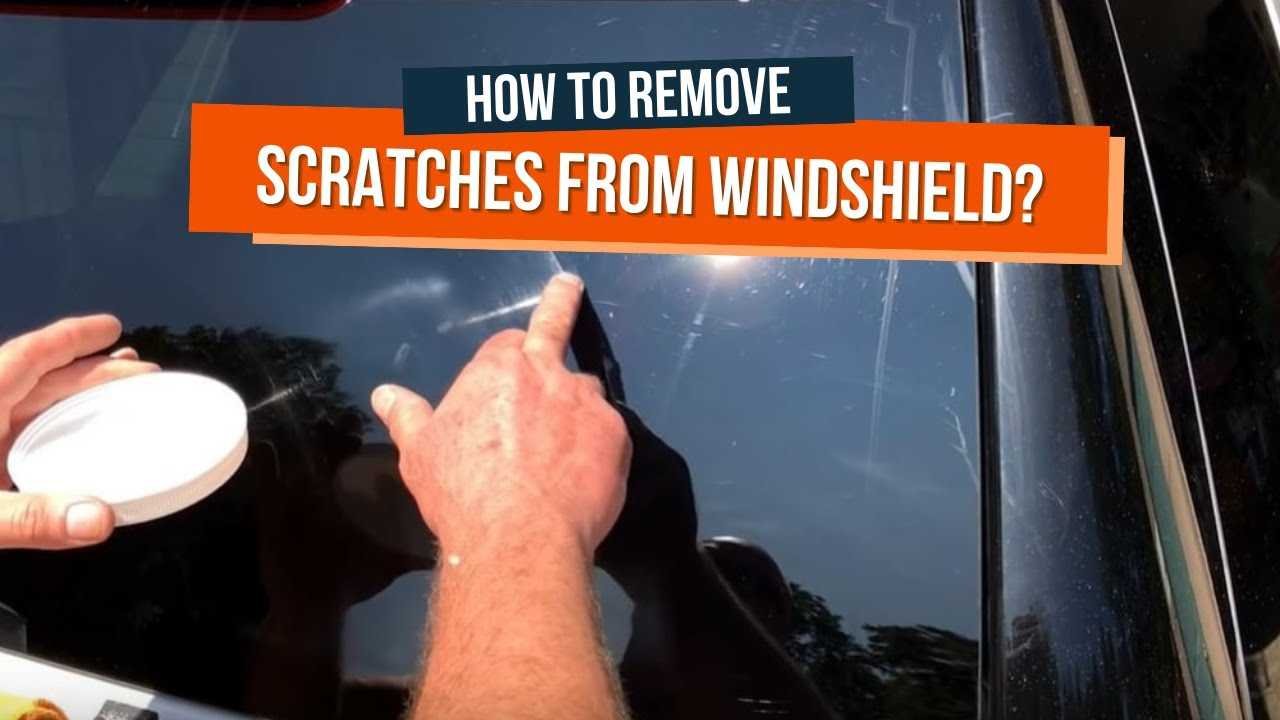
To quickly remove scratches on automotive glass, start by gently cleaning the surface to remove dirt, then use a glass polishing compound or a DIY mixture of toothpaste and water, and buff the scratch with a soft cloth. For deeper scratches, professional repair might be necessary to restore clarity.
If your car’s windshield or windows are marred with scratches, don’t panic! Minor surface scratches can often be buffed out using simple household items or specialized glass polishing kits. The key is to assess the depth of the scratch and proceed carefully to avoid causing further damage. This guide will walk you through easy steps you can take at home to minimize or eliminate scratches, saving you money and potentially extending the life of your automotive glass. Whether the scratches are superficial or a bit more stubborn, knowing the right techniques can help you restore your car’s clarity and keep your driving visibility crystal clear.

How to remove scratches on automotive glass
Understanding the nature of scratches on automotive glass
Scratches on your car’s glass can vary from shallow marks to deep gouges. Identifying the scratch type helps determine the best repair method. Light scratches tend to affect only the surface, while severe ones may require professional help.
Types of scratches and their impact
- Surface scratches: Usually caused by dust or debris during cleaning. They are superficial and easier to fix.
- Deep scratches: Penetrate the glass layers and cause more visible damage. These need more effort or professional intervention.
- Cracks vs. scratches: Cracks are more serious and may compromise driver safety. Scratches are primarily cosmetic but can worsen if ignored.
Safety first: assessing the damage
Before attempting repairs, inspect the size, depth, and location of the scratch. Avoid fixing deep cracks on your own as they may affect structural integrity. For persistent or deep damage, consult a professional auto glass specialist.
Tools and materials needed for scratch removal
- Automotive glass cleaner
- Microfiber cloths
- Cerium oxide polishing compound
- Electric drill or polishing pad (optional)
- Wax or sealant
- Glass repair kit (optional)
Preparing the vehicle for scratch removal
Begin by cleaning the glass thoroughly with automotive glass cleaner and a microfiber cloth. Removing dirt or debris ensures you do not scratch the glass further during the repair process. Make sure the area is dry before starting.
Method 1: Using a glass polishing compound
This method is suitable for superficial scratches. Apply a small amount of polishing compound to a clean microfiber cloth. Gently rub the compound onto the scratch in circular motions. Use light pressure and keep the area moist to prevent further damage.
Steps for effective polishing
- Apply the compound carefully onto the scratch.
- Use a circular motion to cover the entire affected area.
- Continue rubbing for about 30 seconds to a minute.
- Wipe away excess compound with a clean cloth.
- Repeat if necessary, but avoid over-polishing which can cause haze.
Method 2: Using cerium oxide for deep scratches
Cerium oxide is a popular polishing agent for removing deeper scratches. Mix cerium oxide powder with water to make a paste. Apply the paste on the scratch using a polishing pad or sponge.
Polishing process with cerium oxide
- Apply a small amount of paste on the scratched area.
- Use a rotary drill with a polishing pad or a manual buffer.
- Maintain a low speed to avoid overheating the glass.
- Polish the area in circular motions for several minutes.
- Wipe clean with a damp cloth to check results.
Method 3: Professional-grade repair kits
For deeper or stubborn scratches, consider using a professional glass repair kit. These kits include resin and tools designed specifically for automotive glass. Follow manufacturer instructions carefully for best results.
Using a glass repair kit step by step
- Clean the damaged area thoroughly.
- Apply the resin according to kit instructions.
- Use the provided applicator to fill the scratch or crack.
- Cure the resin with UV light or sunlight.
- Remove excess resin and polish the surface.
Additional tips for effective scratch removal
- Always wear protective gloves and eyewear during repair.
- Work in a well-ventilated area to avoid inhaling fumes.
- Test any product on a small, inconspicuous area first.
- Repeat the process gradually to avoid causing more damage.
- If scratches are large or deep, seek professional repair services immediately.
Preventing future scratches on automotive glass
Maintaining your car’s glass can prevent scratches from worsening. Use soft microfiber cloths instead of rough materials when cleaning. Avoid abrasive cleaners or tools that might scratch the surface. Park in covered areas to reduce exposure to debris.
When to seek professional repair services
If scratches are deep, numerous, or located in the driver’s line of sight, professional repair is recommended. Experts can assess the damage accurately and perform the necessary repairs without risking further harm.
Additional repair alternatives: windshield tinting and coatings
Applying protective coatings can help minimize the impact of minor scratches over time. Tinting or ceramic coatings also add an extra layer of protection to your automotive glass. Regular maintenance further prolongs the clarity and safety of your windows.
Removing scratches from automotive glass can be straightforward for superficial marks with the right tools and techniques. For deeper scratches or complicated damage, professional help ensures safety and quality results. Regular maintenance and cautious cleaning habits are vital to keep your vehicle’s glass clear and free from scratches.
How to Remove Scratches from Car Side Windows | DIY Automotive Glass Scratch Removal Kit Tutorial
Frequently Asked Questions
What household products can help minimize scratches on automotive glass?
Gentle polishing compounds like cerium oxide or a glass polish can reduce the appearance of minor scratches. Use a soft, clean cloth to apply the polish in a circular motion, and follow the product instructions carefully. These products help smooth out the glass surface, making scratches less visible without causing additional damage.
Can DIY methods effectively remove deep scratches from automotive glass?
Deep scratches typically require professional repair, but some DIY techniques may improve their appearance temporarily. Using a glass repair kit with a resin compound can fill in and obscure minor or shallow scratches. However, for deeper or more severe scratches, consulting a professional ensures proper restoration and prevents further damage.
What steps should I take before attempting to remove scratches on my car’s windshield?
Start by cleaning the glass thoroughly with soap and water to remove dirt and debris. Dry the surface completely before inspecting the scratches. Testing any polishing or repair products on a small, inconspicuous area helps prevent adverse reactions. Taking these precautions ensures safer and more effective scratch removal.
Are there specific tools designed for polishing scratches on automotive glass?
Yes, specialized glass polishing kits include tools such as polishing pads, abrasive compounds, and applicators designed to gently buff out scratches. Using these tools carefully can help smooth the surface and reduce the visibility of scratches. Always follow the manufacturer’s instructions and apply consistent pressure to achieve the best results.
When should I seek professional help for scratches on my automotive glass?
If scratches are deep, extensive, or cover a significant area, consulting a professional is the safest option. Professionals can assess the damage accurately and use advanced techniques like glass polishing or replacement. Addressing severe scratches promptly helps ensure the integrity and safety of your vehicle’s glass surfaces.
Final Thoughts
To remove scratches on automotive glass effectively, start by cleaning the glass thoroughly. Use a glass cleaner to remove dirt and debris, ensuring the surface is smooth. Next, apply a polishing compound specifically designed for glass and gently buff the scratched area with a soft cloth. Repeat if necessary until the scratches diminish.
In cases of deeper scratches, consider professional repair or replacing the glass. Regular maintenance can help prevent future damage. Remember, understanding how to remove scratches on automotive glass saves time and preserves the vehicle’s appearance.

- How To Fix Laminated Windshield Chip Effectively - October 29, 2025
- How To Repair Laminated Glass Crack Effectively - October 29, 2025
- How To Clean Laminated Glass Properly For Sparkling Results - October 29, 2025