How To Remove The Scratches From Watch Glass Effectively
To remove scratches from your watch glass quickly, gently buff the scratched area with a polishing cloth or non-abrasive toothpaste, then clean it thoroughly. For deeper scratches, consider professional polishing or replacing the glass altogether. Regular maintenance can help keep your watch looking pristine.
If your watch glass is scratched, don’t worry—small scratches can often be minimized with simple home remedies, while deeper ones might need professional attention. In this article, we’ll explore effective ways to restore your watch’s clarity and shine, whether you want to try DIY methods or seek expert help. Keeping your watch looking its best doesn’t have to be complicated, and with a little care, you can maintain its sleek appearance for years to come. Read on to discover the best techniques to make your watch glass look as good as new!

How to Remove the Scratches from Watch Glass
Understanding Watch Glass and Why It Gets Scratched
Watch glass protects the watch face and is usually made from materials like mineral glass, sapphire crystal, or acrylic. Each material reacts differently to scratches, with acrylic being softer and more prone to scratching. Scratches can occur from everyday activities, accidental bumps, or contact with rough surfaces.
Knowing the type of watch glass you have helps determine the best removal method. For instance, mineral glass is relatively hard but can still scratch, while sapphire crystal is highly scratch-resistant but not immune. Acrylic, being softer, is easiest to repair but most susceptible to scratches.
Assessing the Severity of the Scratches
Before attempting to remove scratches, carefully examine the watch glass to gauge their depth. Light surface scratches only affect the top layer, while deeper scratches penetrate further. Use a bright light and magnifying glass for a clearer view.
If scratches are very deep or the damage is extensive, professional repair might be necessary. Minor surface scratches can often be polished out at home with simple materials. Recognizing the scratch depth guides you in choosing the right removal method.
Preparing Your Workspace and Tools
Create a clean and well-lit workspace free of dust. Gather essential tools such as microfiber cloths, polishing compounds, and possibly a soft cloth or rubber cup for holding the watch steady. Using the right tools prevents additional damage.
Use gloves if needed to avoid fingerprints or oils transferring onto the glass. Also, have a magnifying glass or loupe ready to inspect your progress frequently. Proper preparation ensures safety and effectiveness during the polishing process.
How to Remove Light Surface Scratches
For minor scratches, a gentle polishing process can restore clarity. Start by cleaning the watch glass thoroughly with a microfiber cloth and a gentle cleaner to remove dirt and oils. Avoid using harsh chemicals that might damage the surface.
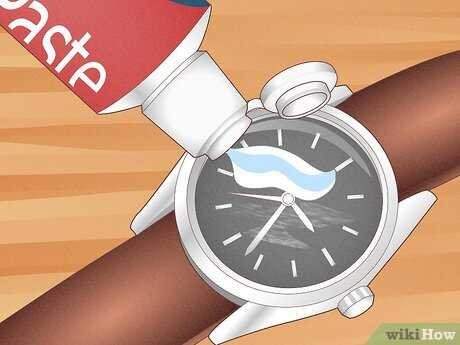
Apply a small amount of non-abrasive polishing compound, such as toothpaste or a specialized watch glass polish, to a soft cloth. Gently rub the compound over the scratched area in circular motions for about 30 seconds to a minute.
After polishing, wipe off excess compound with a clean cloth and inspect the area. Repeat if necessary until scratches are less noticeable. Finish by cleaning the watch with a microfiber cloth for a shiny, clear appearance.
Using Commercial Polish Products
There are many commercial polishing products designed specifically for watch glass or glass surfaces. These products often contain fine abrasives that smooth out scratches gently. Follow the instructions on the packaging carefully.
Apply a small amount of the product to a soft cloth or applicator. Using gentle, circular motions, polish the scratched area for the recommended time. After polishing, clean the surface thoroughly with a microfiber cloth to remove any residue.
Consult the manufacturer’s recommendations to ensure the product is safe for your specific watch glass type. Using high-quality commercial products can give professional-looking results at home.
Homemade Remedies for Scratch Removal
In some cases, simple household items can help reduce minor scratches. Baking soda mixed with water creates a mild abrasive paste suitable for light scratches. Mix equal parts baking soda and water to form a thick paste.
Apply the paste to a soft cloth and gently rub over the scratches in circular motions. Leave it on for a minute or two, then wipe clean with a damp cloth. Repeat if necessary, but avoid excessive rubbing to prevent additional damage.
Another option is to use a small amount of toothpaste, which contains mild abrasives, to polish the glass. Always test on a small area first to see if it works without causing further scratches.
Polishing Techniques and Best Practices
Use a microfiber cloth or a soft, lint-free cloth for polishing. Apply minimal pressure to avoid creating more scratches. Move in slow, circular motions to evenly distribute the polishing compound.
Work gradually, inspecting frequently to assess improvement. If the scratches persist, custom polishing tools like a felt wheel on a Dremel can be used carefully with light pressure, but only if you have experience. Patience is key; multiple gentle polishing sessions are better than aggressive attempts.
When to Seek Professional Help
If scratches are too deep or if you are unsure about polishing at home, professional repair is a safe option. Watchmakers or authorized service centers have specialized tools and expertise. They can perform deep polishing, glass replacement, or other repairs that might be necessary.
Professional polishing can restore your watch’s appearance without risking further damage. It is especially recommended for expensive or valuable watches with sapphire or mineral glass.
Preventing Future Scratches
To keep your watch glass scratch-free, consider these tips:
- Remove your watch before engaging in activities with rough surfaces or heavy impact
- Store your watch in a soft pouch or watch box when not in use
- Clean your watch regularly with a microfiber cloth to avoid dirt buildup that can cause scratches
- Be cautious when adjusting or handling the watch around abrasive objects
Applying these habits helps preserve the clarity of your watch glass over time, reducing the need for repairs.
Additional Tips for Different Types of Watch Glass
Different materials respond differently to polishing efforts:

Similar Posts