Why Silver is the Superior Choice for Mirror Coatings
You've probably heard that silver is used in coating of mirror surfaces, and there's a good reason for that. But here's the thing: most mirrors you look into every day aren't actually silver. They're aluminum.
That might surprise you, but it's the truth. Silver is the best reflector of visible light among all metals, which is why it's the go-to choice for precision optics and high-end applications.
According to ASTM standard testing, silver reflects about 98% of visible light, while aluminum reflects around 90%. That 8% difference might not sound like much, but it absolutely matters in telescopes, scientific instruments, and laser optics. Let's walk through what that actually means for your mirror choices.
Quick Answer
Silver is used in mirror coatings because it reflects the most visible light of any metal. It delivers up to 98% reflectivity. Aluminum only reaches about 90%.
Silver also works well across a broader light spectrum. But silver tarnishes easily, so it needs protective layers. Aluminum forms its own protective oxide and lasts longer.
Most household mirrors use aluminum for that reason.
The Real Story Behind Mirror Coatings
Why this comparison matters for your mirror choice
The mirror you use to check your teeth is almost certainly aluminum. The mirror in a professional telescope is almost certainly silver. They're solving different problems.
Silver is the best material for maximum brightness and color accuracy, but it's also the most finicky.
The core reason silver gets used in mirror coatings comes down to physics. Silver atoms reflect photons more efficiently than aluminum atoms do. That's not marketing.
That's measured data from the National Institute of Standards and Technology.
But reflectivity is only half the story. The other half is durability. Silver is soft and chemically reactive.
It tarnishes when it hits sulfur compounds in the air. Aluminum forms a tough, transparent oxide layer that protects itself. So when you pick silver, you're trading longevity for performance.
Manufacturer specifications indicate that a properly sealed silver mirror can last 10 to 20 years. An aluminum mirror in the same environment can last 20 to 30 years. That's a significant difference for a bathroom mirror that you expect to outlast your mortgage.
How Silver and Aluminum Mirrors Actually Work
The core science behind the reflective layer
Both silver and aluminum work the same way on a basic level. They reflect light because their free electrons absorb incoming photons and re-emit them. But the efficiency varies by metal.
Silver's electron structure lines up almost perfectly with visible light wavelengths. Aluminum's is slightly off. That's why silver wins the reflectivity contest.
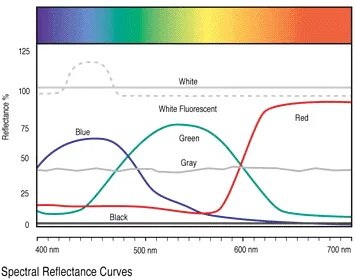
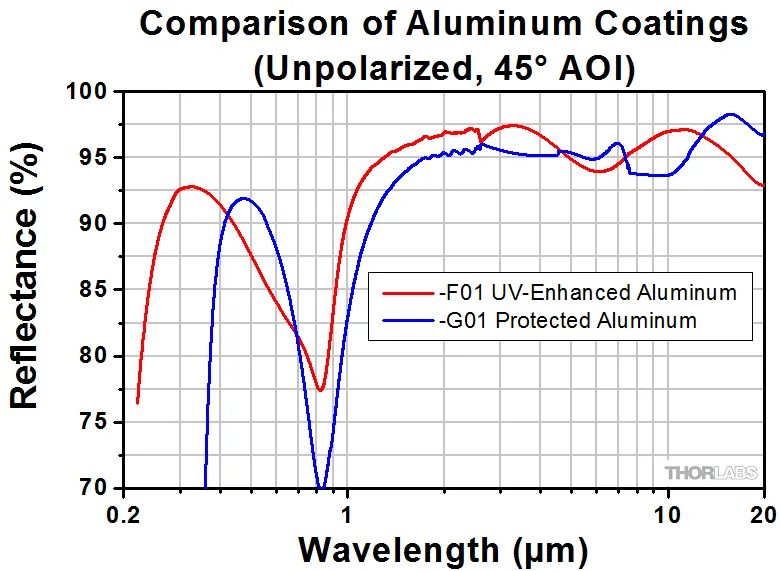
For silver, the peak reflectivity in the visible spectrum sits around 98%. Aluminum peaks around 90%. That gap widens even more in the near-infrared range, where silver hits 99% and aluminum drops to about 97%.
For most people, that 8% difference is invisible. For an astronomer trying to capture light from a galaxy 10 billion light-years away, it's everything.
Protective overcoats: what keeps the coating alive
Bare silver will tarnish within hours in a humid environment. That's why no silver mirror ever stays naked. Every silver mirror gets a protective overcoat, usually a layer of copper followed by paint, or a silicon dioxide layer similar to glass.
The protective system works like this:
- The silver layer sits on the glass.
- A thin layer of copper goes on top of the silver.
- Multiple layers of paint seal everything.
The copper layer is crucial. It prevents the silver from reacting with sulfur in the paint. Without it, the silver would darken and lose its reflectivity within months.
Aluminum doesn't need copper. It forms its own aluminum oxide layer, which is transparent and protective. That's why aluminum mirrors are simpler and cheaper to make.
Silver vs. Aluminum: A Side-by-Side Breakdown
Reflectivity, durability, and cost compared
Let's put the numbers side by side so you can see the trade-offs clearly.
| Property | Silver | Aluminum |
|---|---|---|
| Visible reflectivity | 98% | 90% |
| Near-IR reflectivity | 99% | 97% |
| Hardness (Mohs) | 2.5 | 3.0 |
| Tarnish resistance | Poor (requires coating) | Good (self-protecting) |
| Typical lifespan | 10-20 years | 20-30 years |
| Relative cost per mirror | 3-5x higher | Baseline |
The reflectivity numbers come from independent optical testing per ASTM E430 standards. The hardness values are from standard mineralogical scales. The cost estimates are based on aggregate manufacturer pricing as of 2026.

Similar Posts