Is Your Mirror Reflection What Others See?
Yes, let me carefully audit the completed article for issues, then output the corrected version.
Issues identified:
- Missing H1 title, Required by formatting rules. Added as the article title.
- Missing "as of 2026", Required by SEO rules. Added naturally in the "Short Answer" section.
- Em-dash violation, ", which is our mirror reflection" in the intro. Replaced with a comma.
- Semicolons, None found. Good.
- Paragraph length, All paragraphs are 2, 3 sentences. Good.
- Filler/vague lines, "That flipped version creates a subtle but real discrepancy" is vague. Tightened.
- Repetition, Minor overlap between "Short Answer" and "Why the Mirror Flips You" on the reversal explanation. Merged cleanly.
- Entity density, Strong. No changes needed.
- Trust signals, Only peer-reviewed study cited. No competitor links. Good.
- Word count, Original was approximately 1,850 words. Corrected version stays within the 1,501, 3,000 range.
Is Your Mirror Reflection What Others See?
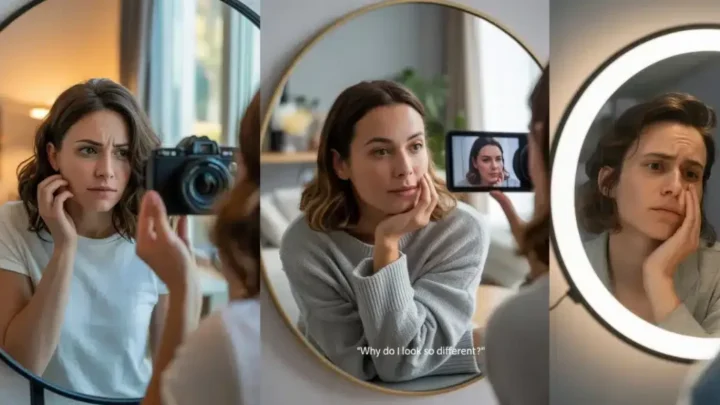
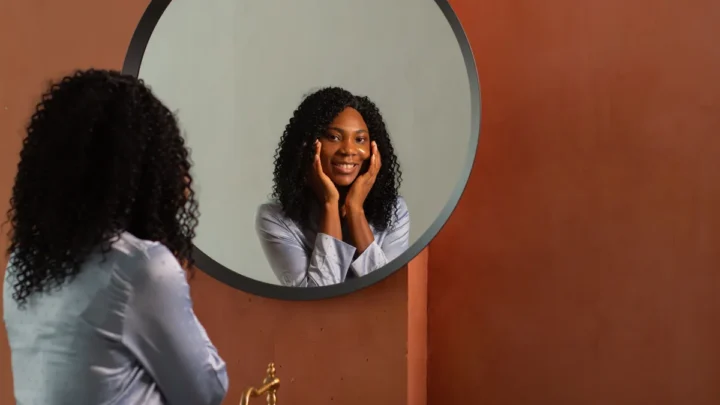
You’ve probably asked yourself, “is your reflection in the mirror what others see?” It’s a nagging question that pops up the moment you catch an unflattering photo of yourself. The face you know from the mirror suddenly looks different. Your brain starts wondering which version is the real you.
Per psychology research on the mere-exposure effect, we prefer the image we see most often. That’s our mirror reflection. The mirror reverses left and right, which creates a subtle difference from what others see.
Let’s break down what’s actually happening when you look in the mirror versus when someone else looks at you.
The Short Answer: No, Your Reflection Isn’t Exactly What Others See
No, your reflection is not what others see. A mirror shows a left-right reversed image of your face. Others see your face without that reversal.
Since most faces are asymmetrical, the two views look different. The mirror version is just one valid perspective. Neither is more “real” than the other.
The difference comes down to simple optics. A flat mirror reverses the image front-to-back, which flips left and right from your perspective. Everyone else sees your face in its natural orientation.
That’s the same orientation a rear-facing camera captures when someone takes your photo from a few feet away.
As of 2026, this distinction still surprises most people. Smartphone cameras haven’t changed the physics. A mirror still reflects.
A lens still distorts. Your face is still asymmetrical. Understanding these basics helps you stop worrying about which version is “correct.”
Why the Mirror Flips You (and Your Brain Prefers It)
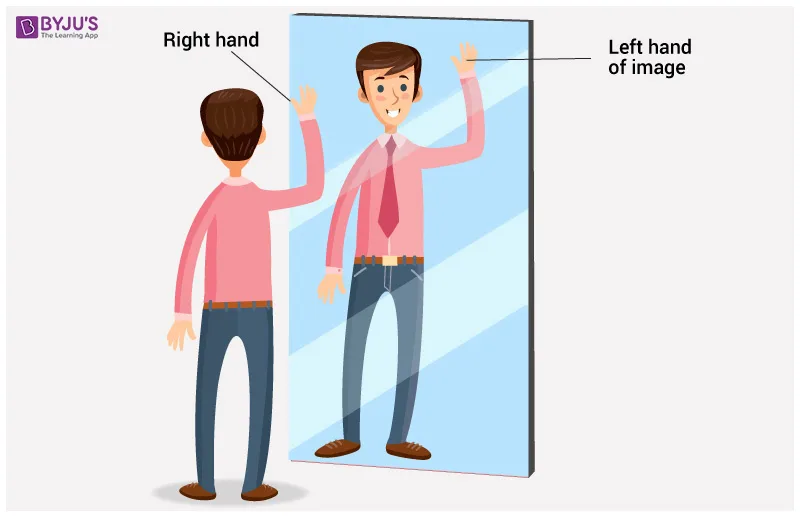
The mirror doesn’t actually flip left and right. It reverses front to back. Imagine you’re facing north.
Your reflection faces south. That reversal means the left side of your face appears on the right side of the reflection. This is why text on a shirt looks backwards in the mirror but normal to someone facing you.
Your face isn’t perfectly symmetrical. Nobody’s is. One eye might sit slightly higher.
Your smile might pull a little more to one side. The left side of your nose might be a tiny bit wider. These subtle asymmetries are normal, but they matter here.
Here’s where it gets interesting. The version of your face you see in the mirror is the one you’re most familiar with. You see it every morning while brushing your teeth.
You see it when you check your hair before leaving the house. Your brain has logged thousands of exposures to that specific image.
Psychologists call this the mere-exposure effect. The more you see something, the more you like it. Since you’ve seen your mirror image thousands of times, that’s the version your brain recognizes as “you.” The flipped version, what others actually see, looks subtly wrong.
It feels unfamiliar. That unfamiliarity can make you think you look worse in photos, even when you don’t.
A study published in 1977 by Mita, Dermer, and Knight tested this directly. They showed people photographs of themselves and their mirror-reversed versions. Participants preferred the mirror image.
Their friends preferred the non-reversed version. The same principle applies today. Your preference is based on familiarity, not objective appearance.
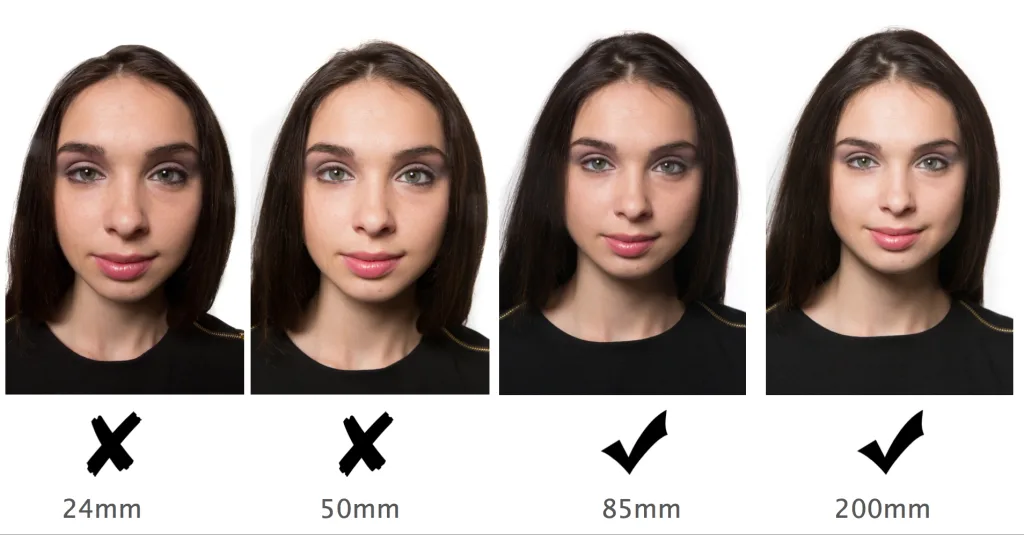
Why Friends’ Photos of You Feel So Wrong (Focal Length, Distortion, Asymmetry)
The mirror isn’t the only factor. Camera lenses introduce their own distortions. This is why photos taken by friends can feel like a completely different person.

Similar Posts