What Really Happens If You Swallow Glass?
If you’re here because you or someone you know has swallowed glass, you need straight answers. The question of what happens if you swallow glass depends on the size, shape, and location of the piece. But the short version is this: glass does not dissolve in your body, and it can cause serious internal damage.
According to clinical guidelines from the American College of Gastroenterology, about 80 to 90 percent of swallowed foreign objects pass through the digestive system without needing medical intervention. Glass is different. It doesn’t break down in stomach acid, and sharp edges can cut or puncture your insides.
Here’s what you need to know.
Quick Answer
Swallowing glass is a medical emergency. Glass does not dissolve in your body. It can cut or puncture your digestive tract.
The risk depends on size and shape. Call poison control or go to the emergency room immediately.
What Happens to Glass Inside Your Body (Step by Step)
Once glass enters your mouth, its journey through your body determines the danger. Here is how it moves, stage by stage.
The mouth and throat. If the glass is sharp or large, you will feel it right away. Your throat may bleed. You might cough or gag.
The esophagus is a narrow, muscular tube. A shard stuck here can perforate the wall. That is a life-threatening emergency.
The esophagus. This tube is about 25 centimeters long in adults. It has three natural narrow spots where glass tends to lodge. The most common is at the upper esophageal sphincter, behind the voice box.
If glass passes that point, it moves to the middle of the chest. The third narrow spot is where the esophagus meets the stomach. Perforations in the esophagus carry a mortality rate of 20 to 30 percent if not treated quickly.
The stomach. Once glass reaches the stomach, the risk drops. The stomach is a large, muscular sac. It can hold objects up to several centimeters.
Stomach acid does not dissolve glass, so the piece stays intact. Small, smooth fragments often pass without trouble. Large or sharp pieces can still cause bleeding or perforation.
The small intestine. This is the longest part of the digestive tract, about 6 to 7 meters. It has many bends and turns. Sharp glass can get caught at these curves.
If it perforates the small intestine, bacteria can leak into the abdominal cavity. That causes peritonitis, a severe infection that requires emergency surgery.
The colon and rectum. Most glass that makes it this far will pass without incident. The colon is wider, so sharp pieces have less chance of getting stuck. But a very large or jagged piece can still cause a tear.
Once the glass exits, the danger is over. Check your stool for blood for the next few days.
Risk Factors: What Makes Swallowing Glass Dangerous
Not all glass is the same. The danger level changes based on several key factors.
Size matters most. A piece smaller than 2 centimeters that is smooth and blunt has a low risk of injury. A piece larger than 3 centimeters, especially if sharp, has a much higher chance of getting stuck or causing a tear. Clinical guidelines from the American Society for Gastrointestinal Endoscopy recommend endoscopic removal for any sharp object longer than 2 centimeters in the esophagus or stomach.
Shape is critical. Sharp, jagged edges are the biggest danger. A tiny sliver of broken glass can be as dangerous as a larger piece if it has a razor edge. Rounded pieces, like the bottom of a glass bottle, are much less likely to cause damage.
The angle matters too. A piece that enters the esophagus point-first is more likely to perforate.
Location in the body. The esophagus is the most dangerous place for glass to get stuck. It is narrow, thin-walled, and lacks the protective muscle layers of the stomach. The stomach is safer because it is thicker and more flexible.
The small intestine is moderate risk. The colon is lower risk.
Age and health of the person. Children have smaller digestive tracts, so even small pieces can cause problems. Elderly people may have weakened tissue that tears more easily. People with a history of gastrointestinal surgery, strictures, or inflammatory bowel disease have higher complication rates.
Type of glass. Tempered glass, used in car windows and shower doors, breaks into small, relatively blunt cubes. That is less dangerous than annealed glass, which breaks into sharp, jagged shards. Soda-lime glass, the kind in drinking glasses and bottles, is the most common and tends to produce sharp edges.

What NOT to Do: Dangerous Myths and Mistakes
When panic sets in, people reach for old remedies. Some of these make things worse. Here are the most common mistakes.
Do not induce vomiting. This is the single most important rule. Vomiting can drag the glass back up through the esophagus. That sharp edge can cut the same tissue twice.
It also increases the risk of the glass getting stuck in the throat. The American College of Emergency Physicians explicitly warns against inducing vomiting for any sharp foreign body.
Do not eat bread or bananas to cushion the glass. This is a widespread myth. The idea is that soft food will wrap around the glass and protect your insides. In reality, bread can push the glass deeper.
It can also make the glass stick to the walls of the esophagus. Bananas provide no meaningful protection. Eat nothing until a doctor tells you otherwise.
Do not drink oil or milk. Some people believe coating the glass with oil helps it slide through. Oil does not make glass less sharp. It does not prevent cuts.
It can also cause nausea and vomiting, which creates the same risk as induced vomiting. Plain water is fine in small sips, but do not chug anything.
Do not use your fingers to try to remove it. Sticking fingers down your throat can push the glass deeper. It can also cause bleeding and increase the risk of choking. Leave removal to medical professionals.
Do not wait to see if symptoms develop. Some people assume that if they feel fine, they are safe. That is not true. Glass can be in your esophagus or stomach without causing immediate pain.
Symptoms like bleeding or perforation can take hours to appear. A study in Gastrointestinal Endoscopy found that delayed treatment is the leading cause of complications from foreign body ingestion. Do not wait.
Go to the emergency room.
The Right Steps to Take (And When to Worry)
If you or someone near you has swallowed glass, here is exactly what to do, in order.
Step 1: Stay calm and stop eating. Do not swallow anything else. No food, no water, no drinks. Clear your mouth of any remaining food or glass fragments.
Sit still and breathe slowly. Panic makes you swallow more air, which can cause bloating.
Step 2: Call for help immediately. If you have severe symptoms like trouble breathing, chest pain, or vomiting blood, call 911. If you are stable, call your local poison control center. In the United States, the number is 1-800-222-1222 (American Association of Poison Control Centers).
They are available 24/7. They will ask about the size, shape, and type of glass, as well as your symptoms. Follow their instructions exactly.
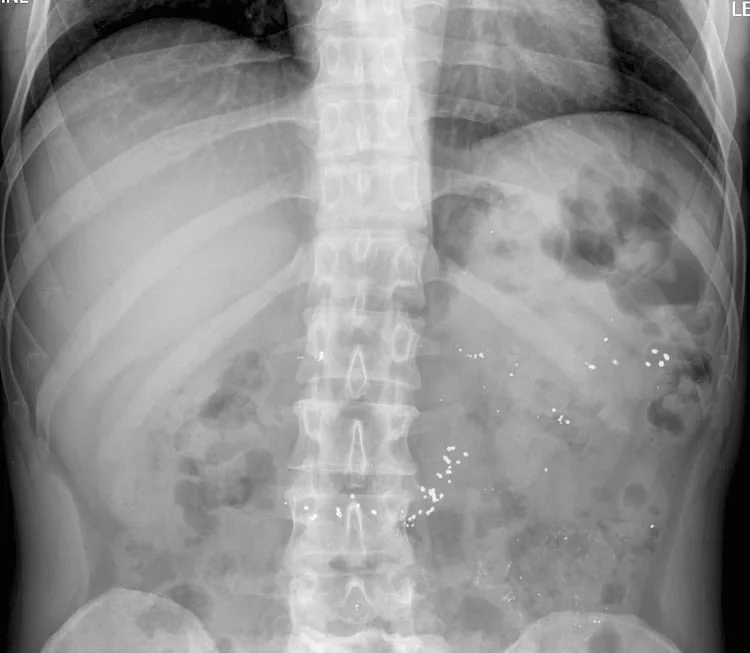
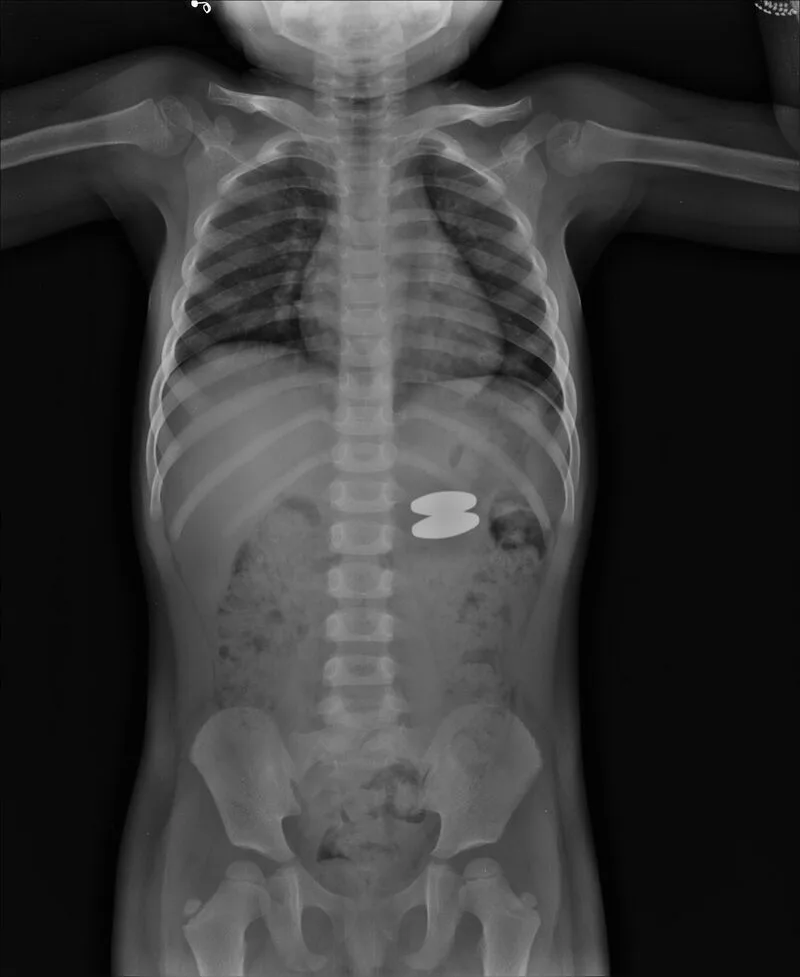
Step 3: Go to the emergency room. Even if you feel fine, you need to be evaluated. The ER doctor will ask about the incident. They will likely order an X-ray.
Not all glass shows up on X-ray. Some types are radiolucent. If the X-ray is negative but symptoms persist, the doctor may order a CT scan, which is more sensitive.
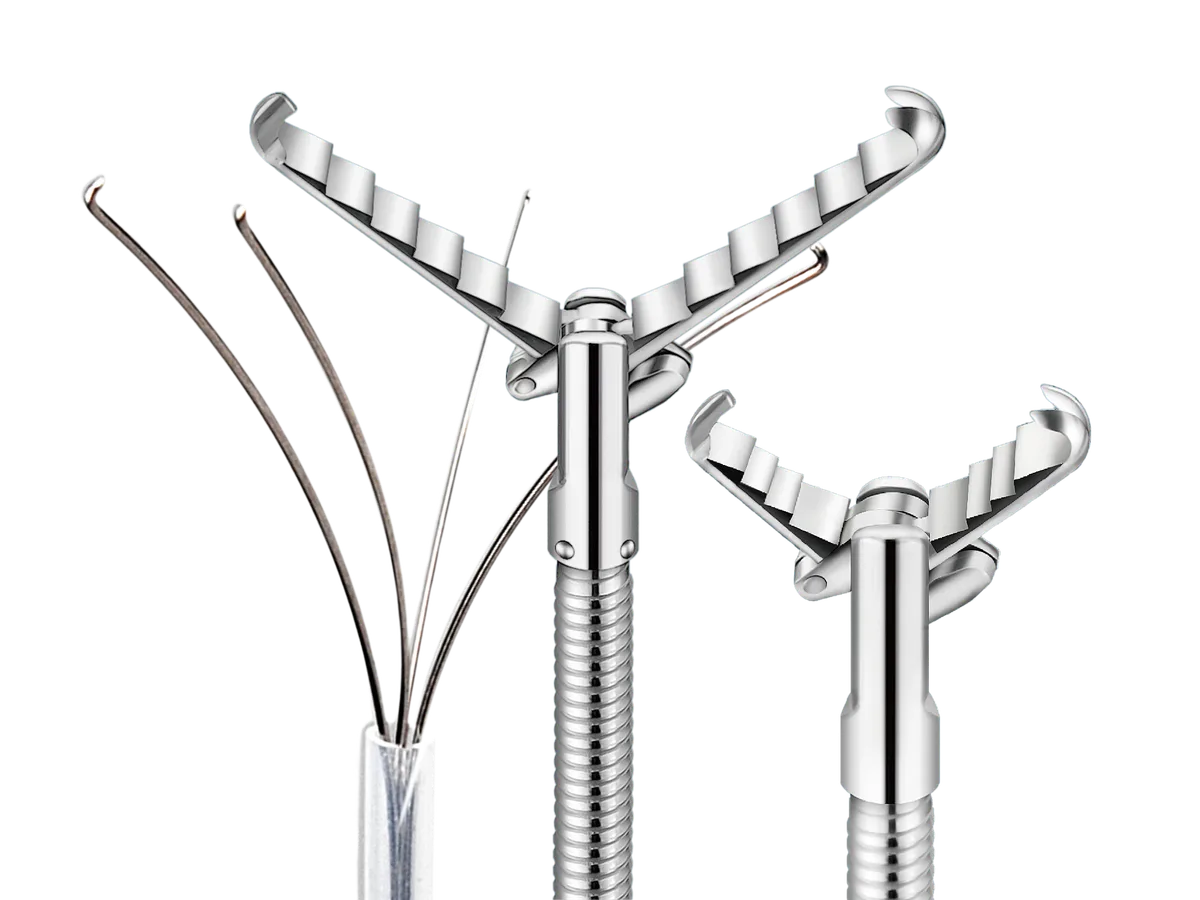
Step 4: Prepare for possible procedures. If the glass is in the esophagus, the doctor will likely perform an endoscopy. This involves inserting a thin, flexible tube with a camera down your throat. The doctor can see the glass and remove it with special tools.
Endoscopic removal has a success rate of 95 to 98 percent in experienced hands. If the glass is in the stomach and is small and blunt, the doctor may recommend observation. You will be admitted to the hospital for 24 to 48 hours of monitoring.
Step 5: Watch for symptoms. If the doctor decides to let the glass pass naturally, you need to monitor yourself. Look for these warning signs: severe abdominal pain, vomiting blood, black or tarry stools, fever, or difficulty swallowing. If any of these develop, go back to the emergency room immediately.
Frequently Asked Questions
Can small pieces of glass pass through your body safely?
Yes, small, smooth pieces under 2 centimeters often pass through without issues. But every case is different. Sharp edges or larger sizes increase the risk of cuts or perforation.
Always get evaluated by a doctor.
Does stomach acid dissolve glass?
No. Stomach acid is strong enough to digest food, but it cannot dissolve glass. Glass is chemically resistant to hydrochloric acid.
It will stay intact until it passes out of your body.
How long does it take for glass to pass through the body?
It typically takes 24 to 72 hours for glass to travel through the entire digestive tract. The exact time depends on your digestive speed and the size of the piece. Your doctor will give you a timeline based on your situation.
What are the signs of internal bleeding after swallowing glass?
Signs include vomiting blood, black or tarry stools, severe abdominal pain, dizziness, and weakness. If you experience any of these, go to the emergency room immediately. Internal bleeding can be life-threatening.
Should you go to the ER if you feel fine?
Yes. Glass can cause damage without immediate pain. Symptoms like perforation or bleeding can take hours to appear.
A medical evaluation is the only safe way to rule out serious injury, even if you feel fine.

Similar Posts