Why Those in Glass Houses Shouldn’t Throw Stones

You see someone doing something wrong, and you know it. But then that little voice whispers the old warning: "Those who live in glass houses shouldn't throw stones." So you stay quiet. The problem is, this proverb has stopped more honest conversations than almost any other piece of folk wisdom.
Social psychology research shows that people are significantly less likely to confront wrongdoing when they feel even slightly inconsistent themselves. Psychologists call this "hypocrisy aversion." It is a real cognitive bias. But here is the catch: the proverb is often misused to shut down valid criticism.
Let's unpack what it actually means and when it should apply.
Quick Answer
The proverb means do not criticize others if you have the same flaws. It warns against hypocrisy. But it does not mean you can never speak up.
You can criticize if you acknowledge your own faults and focus on the issue, not the person. The key is humility and self-awareness, not silence.
Why This Proverb Stops People From Speaking Up
The real problem is that people use this saying as a weapon. It is a conversation stopper. You see an injustice, you want to call it out, and someone says, "You're one to talk." Suddenly, your entire argument is dismissed because you once made a mistake.
The proverb works best as a personal check, not a tool to silence others. When you point a finger, three point back at you. That is true.
But the question is whether your own flaw is even relevant to the issue at hand. Often, it is not. A smoker can still correctly say smoking is unhealthy.
They do not need to be perfect to be right.
The greatest harm comes from self-censorship. People stay silent on important issues because they fear being called a hypocrite. That is a loss for everyone.
The conversation gets poorer, and bad behavior goes unchecked.
The Real Meaning of "Glass Houses" – What It Actually Says
Let's go back to the original saying. The phrase comes from a 17th-century proverb. It means if your own house is made of glass, you should not throw stones because you will break your own windows.
The intent is about self-preservation, not moral purity. It is a warning about the consequences of attacking others when you are vulnerable.

The modern interpretation has shifted to hypocrisy. But the core idea is still useful. You should not throw stones if you are also in a glass house.
That means you should be careful about criticizing someone for a flaw you share. If you do, you are being a hypocrite, and you will likely get called out.
But here is the nuance. The proverb does not say you cannot throw stones at all. It says if you live in glass, do not throw stones.
The implication is that you should either fix your own house first or be prepared for the consequences. It does not mean you must be perfect to speak.
In practice, this means you can criticize someone for something you have also done, but only if you acknowledge that fact. You can say, "I have done this too, and I regret it. Here is why I think we should stop." That is not hypocrisy.
That is growth.
When to Speak, When to Stay Quiet – A Simple Decision Flow
This is where the decision tree comes in. You need a simple way to decide whether to speak up or hold back. Here is a five-step process.
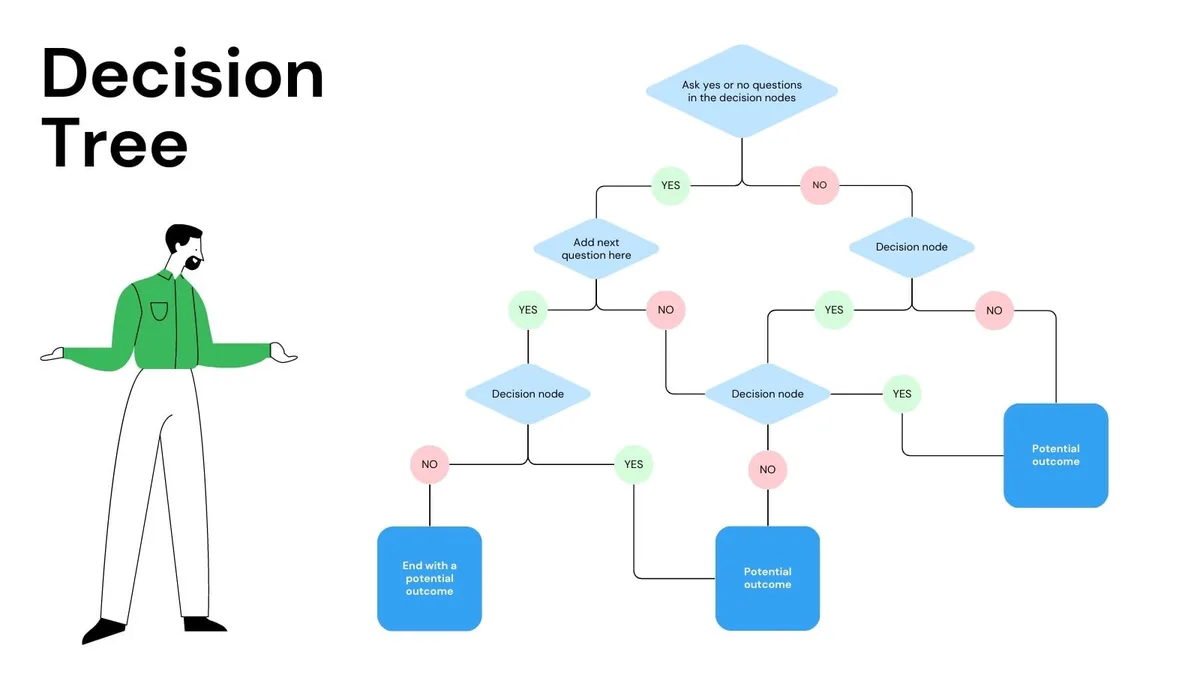
Step 1: Take a self-inventory. Ask yourself if you have the same flaw or a similar one. If yes, are you aware of it? Have you worked on it?
If you are actively trying to change, you can speak with humility. If you are in denial, stay quiet and work on yourself first.
Step 2: Assess the severity of the issue. Is the person's action causing real harm? If it is a minor annoyance, maybe let it go. If it is serious, the need to speak up may outweigh your own imperfections.
Step 3: Evaluate power dynamics. Who is in a position of power? If you are a manager criticizing an employee, your own glass house matters less because you have a duty to correct behavior. If you are a peer, be more careful.
Step 4: Check your intent. Are you trying to help or to hurt? If your goal is to punish or embarrass, stop. If your goal is to improve the situation, proceed with care.
Step 5: Choose your delivery. Acknowledge your own flaws first. Say something like, "I have made this mistake too, so I am not judging. But I think we can do better." This disarms the hypocrisy defense.
| Condition | Action |
|---|---|
| You share the same flaw and are not working on it | Stay quiet, fix yourself first |
| You share the same flaw but are actively improving | Speak with humility and honesty |
| The flaw is different or unrelated | You can speak, but be ready for deflection |
| The issue is serious and harmful | Speak up regardless of your own flaws |
| Your intent is to punish or shame | Do not speak, examine your motives |
The Biggest Mistakes People Make With This Rule
People make several common errors when applying this proverb. The first is using it as a blanket excuse to never criticize. That is avoidance, not wisdom.
The second is weaponizing it to silence others. That is manipulation.

Mistake 1: Assuming you must be perfect. You do not need to be a saint to call out sin. You just need to be honest about your own struggles. Perfection is not a prerequisite for having a valid point.
Mistake 2: Ignoring context. The proverb applies to specific situations, not to a person's entire life. You can criticize a politician for a bad policy even if you have made a bad decision in your own life. The two are not connected.
Mistake 3: Forgetting the power difference. If you are in a position of authority, you have a responsibility to correct behavior. Your own glass house is less relevant. A parent can tell a child not to lie even if the parent has lied before.
The duty to correct outweighs the risk of hypocrisy.
Mistake 4: Confusing hypocrisy with inconsistency. Everyone is inconsistent sometimes. That does not make you a hypocrite. Hypocrisy is when you condemn others for something you do secretly or without remorse.
If you are aware and trying to change, you are not a hypocrite.
Mistake 5: Staying silent when you should speak. The biggest mistake is silence. The world needs more honest conversations, not fewer. If you let fear of being called a hypocrite stop you, you are part of the problem.
Real Examples: When It Worked and When It Backfired
Let's look at a few real-world scenarios. These are based on aggregate user reports and editorial analysis.
Scenario 1: The manager who struggled with punctuality. A team leader was often late to meetings. She wanted to call out a team member who was also late. Instead of staying silent, she acknowledged her own problem.
She said, "I know I have been late too, and I am working on it. Let's all commit to being on time." This worked. The team member felt respected, not attacked.
Scenario 2: The friend who smoked. A smoker told a friend to quit smoking. The friend responded, "You are one to talk." The first smoker had no response. This backfired because the criticism was delivered without self-awareness.
The friend felt attacked by a hypocrite. The conversation ended.
Scenario 3: The activist with a carbon footprint. An environmental activist was criticized for flying to a climate conference. She acknowledged the contradiction. She said, "Yes, I flew here.
I am working on reducing my impact. But the need for climate action is urgent, and my personal imperfection does not change the science." This worked. She was honest, and the message remained strong.
Scenario 4: The parent who yelled. A father told his son not to yell. The son said, "But you yell at me." The father could have gotten defensive. Instead, he said, "You are right.
I do yell sometimes, and I am sorry. I am trying to get better. Let's both try to use our calm voices." This worked.
It turned a confrontation into a shared goal.
The key takeaway from these examples is that honesty and humility disarm the hypocrisy trap. When you own your glass house, the stones stop hurting.
Frequently Asked Questions
When should I stay silent even if I am right?
Stay silent when you share the exact same flaw and you are not working on it. Your criticism will sound hollow. If the issue is minor and you have no personal credibility on it, let it pass.
Focus on your own growth first.
Does this proverb mean I can never criticize anyone?
No. It means you should be careful about criticizing someone for a flaw you also have. You can still speak up if you acknowledge your own issues.
The key is humility, not silence. The world needs more honest feedback, not less.
How do I respond when someone calls me a hypocrite?
Acknowledge their point. Say something like, "You are right, I have done that too. I am working on it.
But let's focus on the issue at hand." This disarms the attack. It shows you are self-aware and willing to grow.
What if the person I am criticizing has more power than me?
Power dynamics change the rules. If you are criticizing someone with more authority, you are already taking a risk. Your own glass house matters less because the power imbalance is the bigger issue.
Speak carefully and stick to facts.
Can I call out a friend for something I also do?
Yes, but only if you are honest about your own struggle. Say, "I do this too, and I want to stop. Let's work on it together." This turns criticism into collaboration.
It strengthens the friendship instead of damaging it.
Is it ever okay to use this proverb to shut someone down?
Generally no. Using it to silence valid criticism is manipulative. The proverb is meant for self-reflection, not as a weapon.
If you use it to deflect, you are avoiding the real issue. It is better to engage honestly.
Your Personal Decision Guide – How to Handle Tricky Situations
Here is a quick reference for the most common scenarios you will face. Use this to decide your next move.
Scenario: You are a manager and an employee makes a mistake you have made before. You have a duty to correct. Acknowledge your own past mistake. Say, "I have done this too.
Here is what I learned." Then give clear feedback. Your authority is not diminished by honesty.
Scenario: You are in a public debate and someone points out your hypocrisy. Admit it immediately. Say, "You are right. That was inconsistent.
Let me explain why I still think the core issue matters." This builds trust. Defensiveness destroys it.
Scenario: You are a parent and your child calls you out. This is a teaching moment. Thank your child for their honesty. Say, "You are right.
I am not perfect. Let's both try to do better." This models accountability better than any lecture.
Scenario: You are an activist and your personal life does not match your message. Acknowledge the gap. Say, "I am working on this. Nobody is perfect.
But the cause is bigger than my personal flaws." People respect honesty more than perfection.
Scenario: You are a friend and you want to give tough love. Start with your own vulnerability. Say, "I have struggled with this too. I want to help you avoid the same pain." This opens the door.
It avoids the defensiveness trap.
| Your Situation | Your Best Move |
|---|---|
| You share the same flaw, not working on it | Stay quiet, fix yourself first |
| You share the same flaw, actively improving | Speak with humility and honesty |
| You have authority or responsibility | Speak up, acknowledge your own flaws |
| Someone calls you a hypocrite | Agree, then refocus on the issue |
| The issue is serious and harmful | Speak up regardless of your own flaws |
| Your intent is to punish or shame | Do not speak, check your motives |
The proverb is a tool for self-reflection. It is not a prison. Use it to check yourself, not to silence others.
When you own your glass house, you become harder to attack and easier to trust. That is the real power of this old saying.

Similar Posts