How To Make Car Glass Water Repellent At Home For Clear Visibility
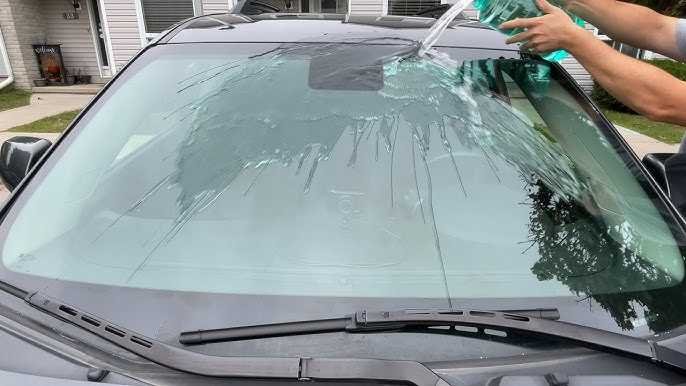
To make your car glass water repellent at home, simply apply a mixture of household items like vinegar and rubbing alcohol or use a commercial water repellent product. These solutions create a protective barrier that causes water to bead up and roll off instead of sticking to the glass. Regular application can improve visibility during rain, making driving safer and more comfortable.
Applying a water-repellent treatment to your car’s windows is an easy and cost-effective way to enhance your driving experience. Instead of spending on expensive products, you can achieve a similar effect using simple ingredients found around your home. The key is preparing and applying the solution correctly to ensure a long-lasting, water-resistant finish. In this article, I’ll guide you through easy steps to make your car windows water-repellent at home, helping you stay clear of water streaks and improving your visibility in rainy weather.

How to Make Car Glass Water Repellent at Home
Applying a water-repellent coating to your car’s glass can greatly improve visibility during rain or snow. Making your own water-repellent solution at home is simple, affordable, and effective. In this section, we will walk you through step-by-step instructions and important tips to get professional-looking results without spending a lot of money.
Understanding the Benefits of Water-Repellent Car Glass
Water-repellent coatings cause water to bead up and roll off your windshield and windows. This means less need for wipers and better visibility in bad weather. It also helps keep your windshield cleaner because dirt and grime are less likely to stick to a water-repellent surface.
Applying your own water-repellent solution can increase safety and driving comfort. Plus, it saves money compared to buying commercial products that may be expensive or contain harsh chemicals.
Gathering Materials for Homemade Water Repellent
Before starting, make sure you have all the necessary ingredients and tools. Having everything ready will make the process smoother and more successful.
- Distilled water or clean tap water
- Isopropyl rubbing alcohol (70% or higher)
- Glycerin or baby oil (optional, for extra water beading)
- Spray bottles or microfiber cloths
- Cleaning supplies such as glass cleaner and microfiber towels
- Protective gloves and safety glasses (optional)
Preparing the Water-Repellent Solution
Creating an effective water-repellent solution requires careful mixing of ingredients. Follow these steps for best results.
- Start with a clean spray bottle and fill it with equal parts distilled water and isopropyl alcohol. For example, ½ cup water and ½ cup alcohol.
- Add a few drops of glycerin or baby oil to enhance the water-beading effect. Use about 5 drops per cup of mixed solution.
- Close the spray bottle securely and shake well to combine all ingredients thoroughly.
Preparing Your Car’s Glass Surface
Proper cleaning before applying the solution ensures better adhesion of the water-repellent coat.
- Use a high-quality glass cleaner to remove dirt, dust, and grease from the windshield and windows.
- Wipe the glass with a clean microfiber cloth to avoid streaks and residue.
- Allow the glass to dry completely before applying the solution.
Applying the Water-Repellent Solution
Applying the solution properly is crucial for a smooth, lasting barrier against water.
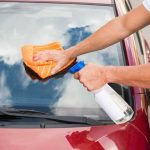
- Spray the homemade solution evenly onto the clean, dry glass surface.
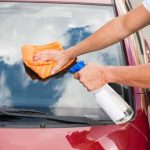
- Use a microfiber cloth to spread the solution in a circular motion, ensuring full coverage.
- Pay special attention to edges and corners for uniform protection.
- Allow the solution to sit for at least 10 minutes to bond with the glass.
Buffing and Finishing
Buffing helps to remove excess solution and reveals a clear, glossy finish.
- Use a dry microfiber cloth to gently buff the glass in circular motions.
- Ensure all residue is removed, and the surface is smooth and streak-free.
- Inspect the glass for any missed spots and re-apply if necessary.
Testing the Water-Repellent Effectiveness
It’s important to verify if the treatment worked effectively. Perform this simple test:
- Spray a small amount of water onto the treated glass surface.
- Observe how the water behaves — ideally, it should form beads and roll off easily.
- If water remains flattened or spreads out, consider reapplying and buffing again.
Maintaining Your Water-Repellent Coating
To keep your glass water-repellent for longer:
- Clean your windows regularly with glass cleaner and a microfiber cloth.
- Avoid harsh abrasives or ammonia-based cleaners that can strip the coating.
- Reapply the homemade solution every few months for consistent performance.
Additional Tips for Better Results
Enhance your DIY water-repellent process with these helpful tips:
- Apply the solution in a shaded area to prevent quick evaporation and streaks.
- Use a clean, lint-free microfiber cloth for application and buffing.
- For best results, repeat the application process two or three times with a day apart between each coat.
Safety Precautions and Precautions
While making and applying your own water-repellent solutions, keep safety in mind. Wear gloves if you have sensitive skin, and work in a well-ventilated space. Store leftover solutions in properly labeled containers, out of reach of children and pets. Always test a small area first to prevent any potential damage to your glass surfaces.
Related Topics: Other DIY Car Care Tips
Aside from water-repellent coatings, consider exploring related topics such as:
- How to clean and maintain your car’s exterior
- DIY headlight restoration techniques
- Choosing eco-friendly car cleaning products
- Tips for protecting car paint from scratches and UV damage
Making your own water-repellent glass treatment at home is an easy and cost-effective way to improve your driving safety. Following the right steps and maintaining your coating regularly will ensure clear visibility and a safer driving experience in all weather conditions.
Make Your Car Window Water Repellent! 🪥 #shorts
Frequently Asked Questions
What natural ingredients can I use to create a water-repellent coating for my car windshield at home?
You can use natural ingredients like beeswax or carnauba wax mixed with a small amount of water or alcohol to create a protective layer on your windshield. Melt the wax gently and apply it evenly to the glass surface, then buff it with a clean cloth. The wax forms a barrier that causes water to bead up and roll off, improving visibility during rain.
How can I prepare a DIY solution using household items to make my car glass water-repellent?
Mix a solution of equal parts white vinegar and distilled water, then add a few drops of dish soap. Spray this mixture onto the clean windshield and wipe it down thoroughly with a microfiber cloth. The vinegar helps clean the glass while the soap enhances water repellency, providing a temporary protective coat that reduces water adhesion.
Are there commercial products that work well as homemade water-repellent treatments for car windows?
Yes, you can apply products like silicone-based sprays or easy-to-use glass coatings available at auto stores. After cleaning your windshield with a glass cleaner, spray the product evenly across the surface, let it sit as instructed, then buff the glass with a clean cloth. These products create a lasting water-repellent layer that improves visibility in rainy conditions.
What preparation steps should I follow before applying a homemade water-repellent treatment?
First, thoroughly clean your windshield to remove dirt, grease, and any old residues. Use a glass cleaner and a microfiber cloth to ensure the surface is spotless. Let the glass dry completely before applying any solution or coating, which helps the treatment adhere properly and provides optimal water-beading effects.
How often should I reapply a DIY water-repellent solution to keep my car windows effective?
Reapply the treatment every few weeks or after cleaning the windshield extensively. Regular applications help maintain the water-repellent properties and ensure clear visibility during rainy conditions. Keep an eye on how water beads on the glass; if they start to spread or slow down, it’s time for a new coat.
Final Thoughts
Pour faire en sorte que le verre de votre voiture repousse l’eau à la maison, commencez par nettoyer soigneusement la vitre. Séchez-la complètement pour assurer une meilleure adhérence du traitement.
Ensuite, appliquez une cire à voiture ou un spray hydrofuge spécifiquement conçu pour le verre. Utilisez un chiffon propre pour répartir uniformément le produit et évitez les bulles.
Laissez sécher selon les instructions du produit, puis essuyez l’excès. Avec ces étapes simples, vous saurez comment faire car glass water repellent at home efficacement.

Similar Posts