What Thickness Is Windshield Glass: Your Guide
Windshield glass typically ranges from 3.5 to 5 millimeters in thickness, balancing strength and visibility for safe driving. Knowing the exact thickness can help…
Windshield glass typically ranges from 3.5 to 5 millimeters in thickness, balancing strength and visibility for safe driving. Knowing the exact thickness can help…
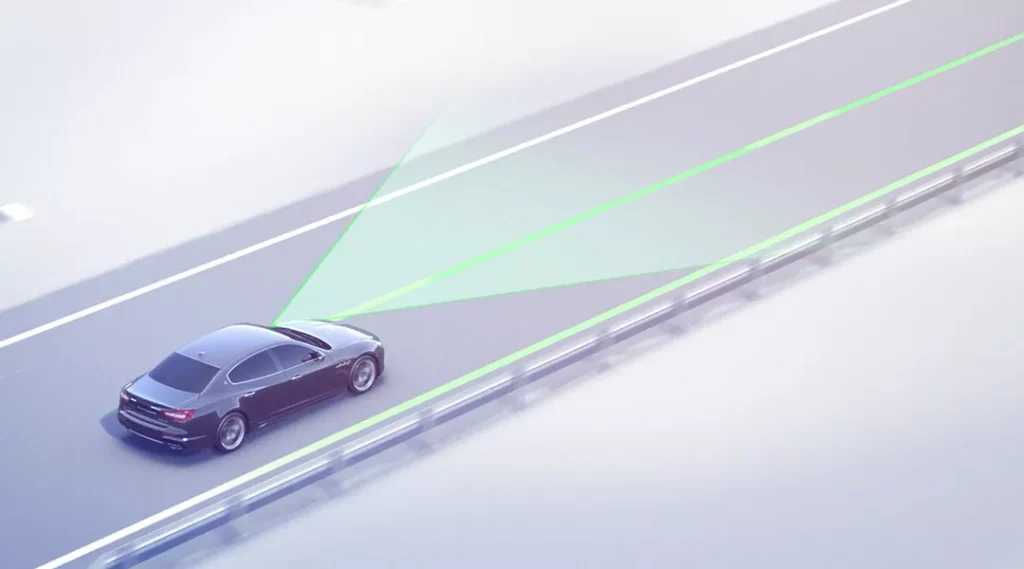
Windshield tint can be a game-changer for your driving comfort and privacy, but many wonder if it interferes with safety sensors. The quick answer…

You can usually start driving immediately after a windshield replacement, but it’s best to wait a few hours to ensure the adhesive has fully…

Yes, windshield replacement can potentially affect the functioning of airbags if not done properly. A correctly installed windshield is essential for the proper deployment…

Yes, tinted windshields can pass inspection, but it depends on the level of tint and local regulations. Generally, a light tint that doesn’t obstruct…

To calibrate sensors after replacing your windshield, start by ensuring the new windshield is properly installed and free of any damage. Then, use a…

Windshield distortion can turn a clear view into a visual puzzle, making driving uncomfortable and even dangerous. The primary culprits are often manufacturing flaws,…
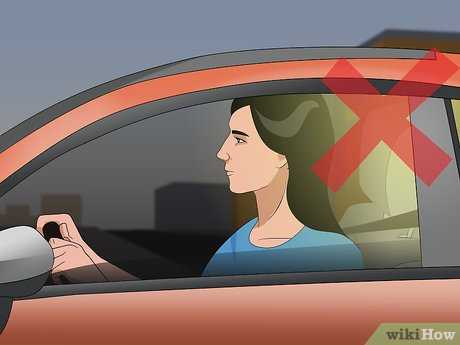
To prevent windshield reflection at night, try using an anti-reflective coating or a sunshade strip on your dashboard to reduce glare. Adjust your rearview…
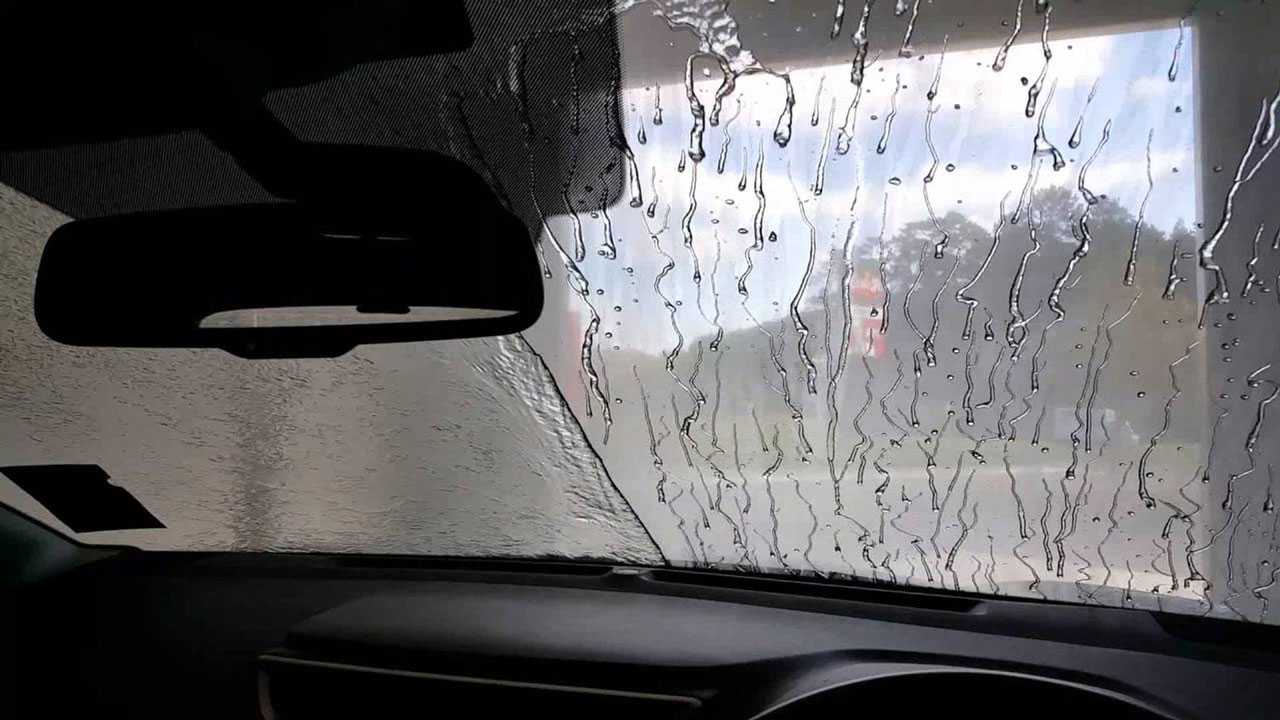
Yes, ceramic coating can be good for your windshield, offering benefits like improved clarity and protection against scratches and stains. However, it’s important to…
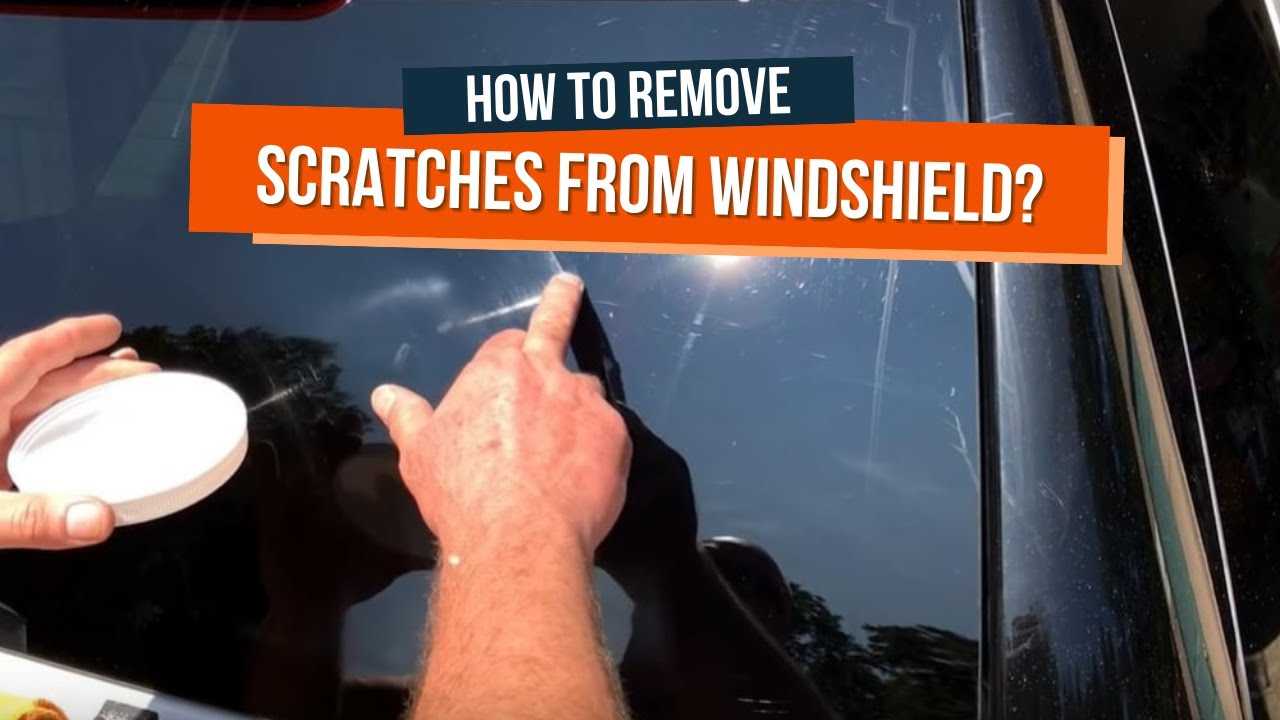
Toothpaste can be a surprisingly effective way to diminish minor scratches on your windshield. Just apply a small amount of non-gel toothpaste to a…