Why Aren’T Car Windows Hydrophobic And What Causes It
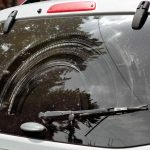
Car windows aren’t hydrophobic because they’re designed primarily for visibility and safety, not water resistance. While some materials can be made to repel water, typical car glass isn’t treated to do so, which is why rain causes streaks and water droplets stick around. Hydrophobic coatings are special treatments applied to surfaces to make them repel water, but they aren’t standard on most vehicle windows. Instead, car manufacturers focus on clear, durable glass that ensures safety and visibility.
In essence, car windows aren’t naturally hydrophobic because it’s not a priority for their function; instead, other features like wipers help clear water. The technology exists to make glass water-repellent, but practical and economic factors prevent widespread application on car windows, making them more prone to water adhesion than one might expect.

Why Aren’t Car Windows Hydrophobic?
Understanding Hydrophobic Surfaces
Hydrophobic surfaces repel water, causing droplets to bead and roll off easily. Materials like lotus leaves naturally possess this quality because of their unique surface structure. This property helps keep surfaces dry and clean, which is why many products aim to imitate it.
The Science Behind Hydrophobicity
Hydrophobicity depends on the microscopic texture of a surface and the chemical coatings applied to it. When water contacts a hydrophobic surface, it forms nearly spherical droplets rather than spreading out. This effect results from low surface energy and specific surface roughness.
Are Car Windows Naturally Hydrophobic?
Most car windows are not naturally hydrophobic. Standard glass surfaces have high surface energy, which means water tends to spread across them, creating a thin film. Without special treatments, water does not bead or roll off easily on regular car windows.
Why Don’t Car Manufacturers Make Windows Hydrophobic by Default?
Car manufacturers usually do not treat windows to be hydrophobic because of cost and practicality. Applying hydrophobic coatings adds to production costs and may wear off over time. Additionally, regular cleaning and maintenance are often sufficient for safe visibility.
Differences Between Regular Glass and Hydrophobic Glass
Regular glass is made from silica and does not have water-repelling properties. Hydrophobic glass has a special coating that actively repels water. This coating causes water to form droplets, reducing fogging and improving visibility during rain.
Advantages of Hydrophobic Coatings on Car Windows
- Water Beading: Water forms beads and slides off quickly.
- Improved Visibility: Rain and snow are easier to see through.
- Reduced Fogging: Hydrophobic coatings can minimize condensation inside the glass.
- Easier Cleaning: Dirt and grime wash off more easily when coated.
Limitations and Challenges of Hydrophobic Coatings
While hydrophobic coatings offer many benefits, they also have drawbacks. The coatings can wear off over time due to exposure to weather, cleaning chemicals, and physical abrasion. Reapplication is often necessary to maintain their effectiveness.
Why Don’t All Cars Use Hydrophobic Glass?
Cost is a primary factor. Hydrophobic coatings add to the price of vehicle production and maintenance. Moreover, drivers may not notice a significant difference during everyday driving, making it less appealing for mass-market vehicles.
Incorporating Hydrophobic Technology in Modern Cars
Some luxury and high-end vehicles come equipped with hydrophobic or self-cleaning glass. Automakers are increasingly exploring ways to incorporate these features to enhance safety and comfort. Aftermarket hydrophobic treatments are also available for existing vehicles.
How Are Hydrophobic Coatings Applied?
Hydrophobic coatings are typically sprayed or painted onto the glass surface. The coating forms a thin, invisible layer that bonds with the glass. Proper application ensures maximum water repellency and long-lasting performance.
Materials Used for Hydrophobic Coatings
Common materials include silicon-based compounds and fluoropolymer resins. These materials create a low surface energy surface, essential for water repellency. Different formulations are used depending on the desired durability and transparency.
Durability and Maintenance of Hydrophobic Coatings
Hydrophobic coatings can last from several months up to a few years. Regular washing with gentle cleaners can help extend their lifespan. Avoid harsh chemicals that can degrade the coating, reducing its effectiveness.
Innovations in Hydrophobic Technology
Researchers are developing more durable and environmentally friendly coatings. Some use nanotechnology to enhance surface roughness at the microscopic level, improving water repellency and longevity.
Environmental Impact and Safety
Hydrophobic coatings should be safe for both users and the environment. New formulations aim to minimize chemical hazards during application and disposal. It’s essential to follow manufacturer instructions for safe use.
Related Topics
- Self-cleaning glass: How it works and benefits
- Benefits of heated windows in cold weather
- Comparing different types of windshields and their coatings
- Future trends in automotive glass technology
Car windows generally aren’t hydrophobic because of material properties, cost considerations, and practical needs. While hydrophobic coatings can improve visibility and safety during rain, they require maintenance and reapplication over time. Advances in nanotechnology and materials science continue to push the boundaries, making hydrophobic glass more accessible and longer-lasting. For now, regular cleaning and good driving habits remain essential for clear visibility through your car windows.
Toothpaste for your car
Frequently Asked Questions
Why do some car windows lack water-repellent properties naturally?
Most car windows don’t have inherent hydrophobic characteristics because they are typically made from glass that is smooth and non-porous. Without a specialized coating or treatment, water molecules tend to adhere to the surface rather than bead up and roll off. Standard manufacturing processes do not include adding water-repelling features, so unless treated or coated specifically, the glass remains hydrophilic.
What role do coatings or treatments play in making car windows hydrophobic?
Coatings and surface treatments enhance a window’s ability to repel water by creating a thin, water-resistant layer on the glass surface. These treatments contain hydrophobic compounds, such as fluoropolymers, which reduce the surface energy of the glass. As a result, water beads up and slides off easily, improving visibility during rain. Without these additional layers, the glass remains prone to water spreading and adhering, limiting its hydrophobic properties.
Are there any inherent materials that could make a car window naturally water-resistant?
Some specialized glass materials, like certain tempered or laminated glass with micro-structured surfaces, can exhibit partial water resistance. However, most standard automotive glass is designed primarily for strength and clarity, not water repellency. To achieve significant hydrophobicity, manufacturers rely on applying specific coatings rather than using inherently water-resistant materials in standard car windows.
Why does dirt or oil accumulation reduce the effectiveness of hydrophobic surfaces on car windows?
Dirt, oil, and other contaminants can form a layer over hydrophobic coatings, diminishing their water-repelling properties. These substances create a physical barrier, preventing water from forming beads and rolling off effectively. Over time, this buildup can cause the surface to lose its hydrophobic characteristics, necessitating regular cleaning and maintenance to restore optimal water resistance.
Can regular cleaning improve the hydrophobicity of car windows without coatings?
Cleaning alone does not significantly enhance the natural water-repellent properties of standard glass. Without a hydrophobic coating, dirt and grime make the surface more prone to water adhesion. To achieve better water runoff, drivers should consider applying specialized hydrophobic sprays or coatings designed for automotive glass. These treatments restore or enhance water resistance, especially after cleaning.
Final Thoughts
Car windows typically do not develop hydrophobic properties due to their manufacturing process and material composition. They are made from tempered glass, which lacks the necessary surface structure for water to bead up effectively. Coatings can enhance water resistance, but they wear off over time.
Ultimately, why aren’t car windows hydrophobic? This is because the glass surface isn’t inherently designed for such properties, and the coatings used may not last long enough for sustained performance.

Similar Posts