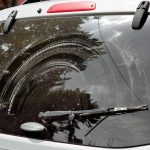
What Is Hydrophobic Coating On Windshield Benefits And Facts

Hydrophobic coating on a windshield is like giving your glass a superpower—it makes water bead up and roll off effortlessly, keeping your view crystal clear even in rain. This innovative treatment is quickly gaining popularity among drivers who want safer, hassle-free rides during wet weather. Essentially, hydrophobic coatings are invisible layers that repel water, reducing fogging and making snow or mud easier to clean off. They enhance visibility and driving safety, especially in unpredictable weather conditions.
In short, hydrophobic coating on a windshield is a special, water-repelling layer that creates a barrier preventing water from sticking to the glass. It improves visibility and makes cleaning easier, providing a safer and more convenient driving experience. This coating is a simple upgrade that can significantly improve your driving comfort in all kinds of weather.
When it comes to keeping your windshield clear and your driving safer, hydrophobic coating is a game-changer. Imagine driving in a heavy downpour without constantly having to wipe your windshield or struggling to see through fog and water spots—sounds appealing, right? This advanced technology creates a microscopic layer on your glass that causes water to slip off as soon as it hits. Not only does this keep your view sharper, but it also reduces the need for frequent cleaning and defrosting. Applying hydrophobic coating is quick and the benefits last for months, making it a smart investment for anyone looking to enhance their vehicle’s performance in rainy, snowy, or misty conditions.

What is Hydrophobic Coating on Windshield?
Hydrophobic coating on a windshield is a special liquid layer that makes the glass water-repellent. It helps water slide off the surface easily, improving visibility during rain or snow. Many drivers find this coating useful for safer and clearer driving in bad weather conditions.
Understanding Hydrophobic Coating
Hydrophobic means “water-fearing,” and coatings with this property cause water to bead up instead of spreading across the glass. This happens because the coating creates a surface that has very low surface energy. As a result, water molecules don’t cling to the windshield but instead form small droplets that slide away effortlessly.
How Does Hydrophobic Coating Work?
The coating forms a thin, transparent layer on the windshield’s surface. It contains chemicals called silanes or silica that bond tightly with the glass. When water hits this layer, it can’t spread out because the surface repels it. Instead, it forms round beads that roll off due to gravity or wind, keeping the windshield clear.
Benefits of Hydrophobic Coating on Windshield
- Improved Visibility: Water beads off quickly, reducing streaks and fogging.
- Safer Driving: Better visibility means less chance of accidents in rainy weather.
- Less Need for Wipers: The coating helps water slide away, decreasing how often you need to use your windshield wipers.
- Protection from Dirt and Grime: The coating makes it harder for dirt to stick to the glass, keeping it cleaner for longer.
- Enhanced Durability: Some coatings resist environmental elements like UV rays and pollution, prolonging the life of your windshield.
Types of Hydrophobic Coatings
Silane-Based Coatings
Silane coatings are popular because they bond strongly with glass and provide long-lasting water repellency. They form a covalent bond with the glass surface, creating a durable protective layer.
Silica-Based Coatings
These coatings contain silica nanoparticles that enhance water repellency. They are often easier to apply and can be less expensive but might not last as long as silane coatings.
Hydrophobic Spray vs. Professional Application
Spray-on coatings are available for DIY enthusiasts wanting quick fixes. Professional application involves specialized tools and chemicals, providing longer-lasting and more effective results.
Application Process of Hydrophobic Coating
Preparation of Windshield
Clean the windshield thoroughly to remove dirt, grease, and old wax. Use a glass cleaner and a microfiber cloth for a spotless surface.
Applying the Coating
Follow the manufacturer’s instructions carefully. Typically, you spray or apply the liquid with an applicator and spread it evenly over the windshield.
Drying and Curing
Allow the coating to dry for a specified period, often several hours. Some coatings need curing time to bond properly with the glass.
Maintenance and Reapplication
To keep the hydrophobic effect active, you may need to reapply the coating every few months. Regular cleaning with mild soap helps maintain the coating’s effectiveness.
Comparison: Hydrophobic Coating vs. Traditional Windshield Treatments
| Feature | Hydrophobic Coating | Traditional Treatments |
|---|---|---|
| Water Repellency | High, causes water to bead and roll off | Limited, often only improves wiper performance |
| Application Method | Requires proper cleaning and specific application steps | Simpler, usually just wipe or spray |
| Durability | Can last several months to a year depending on quality | Usually lasts a short time, needs frequent reapplication |
| Cost | Higher initial cost, but cost-effective over time | Lower cost upfront but needs frequent re-treatment |
Factors to Consider When Choosing a Hydrophobic Coating
- Type of coating: Silane or silica-based, with different longevity and costs
- Application method: DIY spray or professional service
- Environmental Resistance: UV, pollution, and chemical resistance
- Cost: Balance between budget and desired durability
- Ease of Reapplication: Frequency and ease of redoing the surface
Potential Drawbacks of Hydrophobic Coating
Despite many benefits, hydrophobic coatings are not perfect. They may degrade over time due to weather, washing, or exposure to chemicals. Also, poorly applied coatings may not provide the expected water repellency.
Environmental Impact and Safety
Most hydrophobic coatings are considered safe when applied correctly. However, some chemical components might have environmental concerns if not disposed of properly. Always follow safety guidelines and manufacturer instructions.
Related Topics
- Windshield Maintenance: Cleaning and caring for your windshield
- Best Wipers for Rainy Weather: Choosing wipers that complement hydrophobic coatings
- Impact of Weather on Windshield Coatings: How different climates affect durability
- Automotive Glass Repair: When to replace rather than coat
In summary, applying a hydrophobic coating on a windshield offers a simple yet effective way to improve driving safety and comfort. It repels water, reduces streaks, and keeps the windshield cleaner longer. Whether you choose a DIY spray or professional treatment, this coating can make a noticeable difference in wet conditions.
Hydrophobic Glass Coating by Wolfgang
Frequently Asked Questions
How does a hydrophobic coating improve visibility during rain?
A hydrophobic coating causes water to bead up and roll off the windshield quickly. This prevents water from forming large droplets that can obstruct your view. As a result, it enhances clarity and reduces the need for frequent wipers, especially during heavy rain.
What are the main components used in applying a hydrophobic coating on windshields?
Hydrophobic coatings typically contain silane or silicon-based compounds that create a water-repellent layer on the glass surface. These ingredients bond with the windshield to produce a durable, transparent layer that repels water and dirt effectively.
How long does a hydrophobic coating last on a vehicle’s windshield?
The lifespan of a hydrophobic coating varies depending on driving conditions and maintenance. Generally, it lasts from a few months up to a year. Regular cleaning and avoiding abrasive materials help extend its effectiveness.
Can I apply a hydrophobic coating myself, or should I seek professional help?
You can apply some hydrophobic coatings at home using DIY kits, but achieving optimal results requires careful preparation and application. For the best performance and durability, professionals can ensure even coverage and proper curing of the coating.
Does hydrophobic coating affect the clarity and brightness of the windshield?
No, high-quality hydrophobic coatings are designed to maintain transparency and not interfere with visibility. They enhance water resistance without compromising the brightness or clarity of the windshield, ensuring safe driving conditions.
Final Thoughts
Hydrophobic coating on windshield creates a water-repellent barrier that improves visibility during rain. It causes water droplets to bead up and slide off easily, making driving safer and more comfortable. This coating also helps keep the windshield cleaner and reduces the need for frequent wiper use. In essence, it enhances driving safety and convenience.
In conclusion, what is hydrophobic coating on windshield? It is a protective layer that repels water, ensuring better clarity in wet conditions. Applying this coating can significantly improve your driving experience, especially during storms.

Similar Posts