How To Make Car Glass Waterproof Effectively
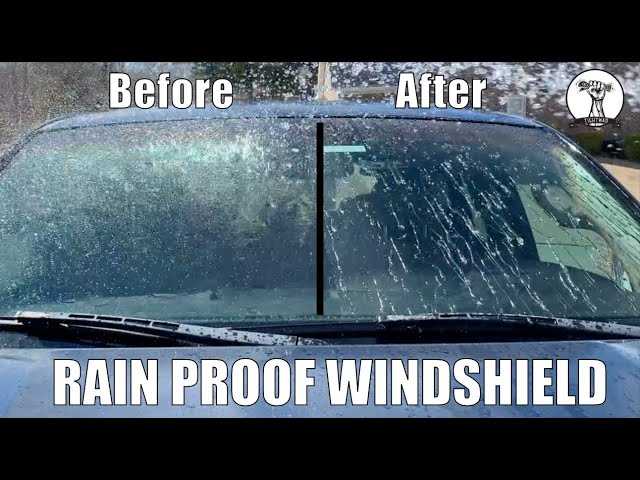
To make your car glass waterproof, applying a high-quality hydrophobic coating is key. Regular maintenance like sealing cracks and using rain repellent sprays can also enhance water resistance. These simple steps will keep your windshield clear during storms and improve visibility on rainy days.
In just a few straightforward steps, you can protect your car’s glass from water damage and improve driving safety in wet weather. The process involves cleaning the glass thoroughly, applying a specialized water-repellent treatment, and maintaining it regularly. Once done, your windshield will repel water efficiently, ensuring better visibility and a safer driving experience.
Getting your car glass waterproof is easier than you might think. Whether you want to prevent water from sticking during rain or avoid fogging issues, starting with a proper cleaning and applying a hydrophobic coating will make a noticeable difference. In this guide, we’ll walk you through simple, effective methods to keep your car’s glass dry and clear, no matter how heavy the rain.

How to Make Car Glass Waterproof
Making your car glass waterproof is essential for safe driving, especially during rainy or snowy weather. Waterproofing helps keep your windshield clear of water, reducing glare and improving visibility. In this detailed guide, you’ll learn practical methods and tips to ensure your car windows stay dry and perform well in wet conditions.
Understanding Why Car Glass Gets Wet
Before diving into waterproofing techniques, it’s important to understand why car glass becomes wet. Rain, snow, and car wash water can accumulate on your windows, causing visibility issues. Additionally, poor sealing around the windows allows water to seep in. Recognizing these causes helps you choose the right waterproofing solutions.
Choosing the Right Waterproofing Products
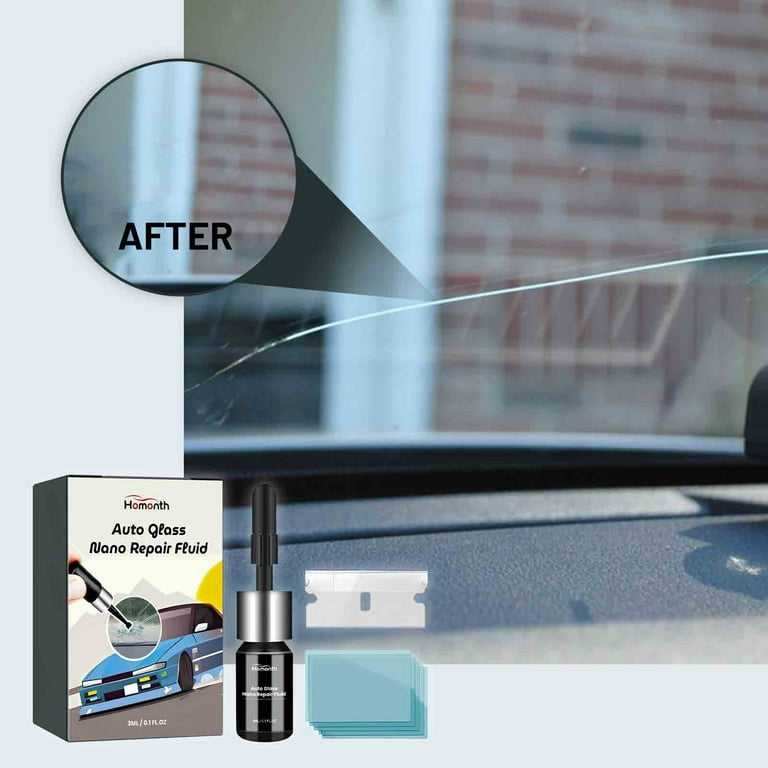
Selecting effective products is key to waterproofing your car glass. Look for market-approved waterproofing sprays, sealants, and coatings designed for automotive glass. Consider products labeled as water-repellent or hydrophobic, which cause water to bead and slide off smoothly.
Popular Waterproofing Products for Car Glass
- Hydrophobic coating sprays: These sprays create a water-resistant layer on your glass.
- Water-repellent waxes: Waxes designed for glass surfaces help shed water more effectively.
- Silicone sealants: Used to seal gaps and prevent water entry around window edges.
Preparing Your Car Glass for Waterproofing
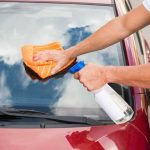
Preparation ensures the waterproofing products work better and last longer. Start by cleaning your windows thoroughly. Remove dirt, dust, grease, and any existing residues that might hinder adhesion.
Step-by-step Cleaning Process
- Wash the glass with a car-specific glass cleaner or a mixture of water and mild soap.
- Use a microfiber cloth to wipe away dirt and streaks.
- For stubborn stains or residues, consider using a glass polishing compound.
- Dry the surface completely with a clean, lint-free cloth.
Applying Water-Repellent Coatings
Once the glass surface is clean, applying a water-repellent coating is the next step. Follow the manufacturer’s instructions for best results.
Application Process
- Spray or apply the coating evenly on a dry, cool surface.
- Use a clean microfiber cloth to spread the product in circular motions.
- Allow the coating to sit for the recommended time, usually 10-15 minutes.
- Buff the surface gently to remove excess product and maximize effectiveness.
Sealing Gaps and Edges for Enhanced Waterproofing
Water can seep through gaps around the window seals, reducing waterproofing effectiveness. Seal these areas with high-quality silicone or rubber sealants.
Steps for Effective Sealing
- Identify gaps or leaks around the window edges.
- Clean the area thoroughly to ensure good adhesion.
- Apply the sealant carefully along the gaps, avoiding excess buildup.
- Let the sealant cure as per the product instructions before driving.
Maintaining Waterproof Coatings for Longevity
Proper maintenance ensures your waterproofing stays effective longer. Reapply the coatings periodically, especially after washing the car or exposure to harsh weather.
Tips for Long-lasting Waterproofing
- Reapply water-repellent sprays every 3 to 6 months.
- Clean your windows regularly to remove dirt that can degrade coatings.
- Avoid using abrasive cleaners or scrubbers on treated glass surfaces.
- Inspect seals and reapply sealant if you notice any leaks or deterioration.
Additional Tips for Better Visibility During Wet Conditions
Even with waterproof coatings, visibility can be affected during heavy rain. Here are extra tips to keep your windshield clear:
Use Anti-fog and Rain Repellent Products
- Apply anti-fog sprays to prevent condensation inside the windshield.
- Use windshield wipers effectively and replace blades regularly for clean wiping.
Adjust Your Driving Habits
- Reduce speed to improve water runoff and visibility.
- Maintain a safe distance from other vehicles to avoid water spray.
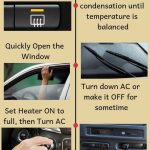
- Use defrosters and AC to minimize fogging inside the vehicle.
Importance of Regular Inspection and Maintenance
Routine checks of your car’s glass and seals prevent water from causing long-term damage. Inspect windows for cracks, chips, or damaged seals, and address issues promptly.
Key Inspection Points
- Look for cracks or chips that may compromise waterproofing.
- Check window seals for signs of deterioration or gaps.
- Ensure windshield wipers are in good condition and replace if worn out.
- Test the waterproofing effectiveness after applying coatings or sealants.
Related Topics for Better Car Maintenance
Besides waterproofing, consider other maintenance practices to keep your vehicle in top shape:
Tips on Car Wash Techniques
- Use gentle, pH-balanced car wash solutions.
- Avoid high-pressure water directly on seals or edges.
- Dry the car thoroughly to prevent water spots and corrosion.
Benefits of Tinted Windows
- Reduced glare and UV exposure.
- Additional barrier against water penetration.
- Enhanced privacy and interior protection from sun damage.
Upgrading Your Car’s Sealant System
- Replace old or brittle seals around windows.
- Use high-quality, weather-resistant sealants during repairs.
- Consult professional installers for optimal sealing solutions.
Making your car glass waterproof involves a combination of proper cleaning, applying suitable coatings, sealing gaps, and regular maintenance. By following these detailed steps, you improve your safety, visibility, and overall driving experience during wet weather. Keep in mind that consistent care extends the life of your waterproofing efforts and helps avoid costly repairs down the line.
Make Your Car Window Water Repellent! 🪥 #shorts
Frequently Asked Questions
What should I do before applying a water-repellent treatment on my car’s glass?
Before applying a water-repellent solution, thoroughly clean the glass surface using a glass cleaner to remove dirt, grease, and grime. Ensure the surface is completely dry to help the product adhere properly. Avoid applying the treatment on a rainy day or when the temperature is too low, as this can affect the effectiveness of the coating.
How long does a water-repellent coating last on car glass?
The duration of a water-repellent coating depends on factors like driving conditions, exposure to weather, and frequency of cleaning. Typically, a quality coating remains effective for about 3 to 6 months. Regularly inspecting the glass and reapplying the treatment as needed can maintain optimal water runoff and visibility during rainy weather.
Can I apply a water-repellent product on already treated car glass?
Applying a new layer of water-repellent product over an existing coating can improve performance, but it’s best to remove the old treatment first. Use a glass cleaner or a specialized remover to strip the previous coating, then clean and dry the surface thoroughly before applying a fresh layer. This ensures even application and the best water resistance.
Are there specific products recommended for making car glass waterproof?
Yes, look for high-quality water-repellent products designed explicitly for automotive glass. Many brands offer silica-based sprays or coatings that create a hydrophobic layer on the glass surface. Choose products that are easy to apply, provide long-lasting protection, and are suitable for your climate conditions.
Is waxing the car’s glass a good alternative to commercial water-repellent treatments?
Waxing your car’s glass can provide some water resistance, but it generally doesn’t offer the same level of protection as specialized water-repellent coatings. Commercial treatments are formulated to bond with the glass surface and repel water more effectively, especially during heavy rain, leading to improved visibility and safety.
Final Thoughts
To make car glass waterproof, start by cleaning the glass thoroughly to remove dirt and grime. Apply a high-quality waterproofing sealant evenly across the surface. Use a squeegee or soft cloth to spread the product and ensure even coverage. Regular reapplication maintains protection against water and prevents streaks.
In conclusion, understanding how to make car glass waterproof ensures better visibility during rainy conditions. Proper cleaning and sealing techniques provide effective protection. This simple routine keeps your windshield clear and enhances driving safety.

Similar Posts