Why You Look Better in the Mirror Than Photos
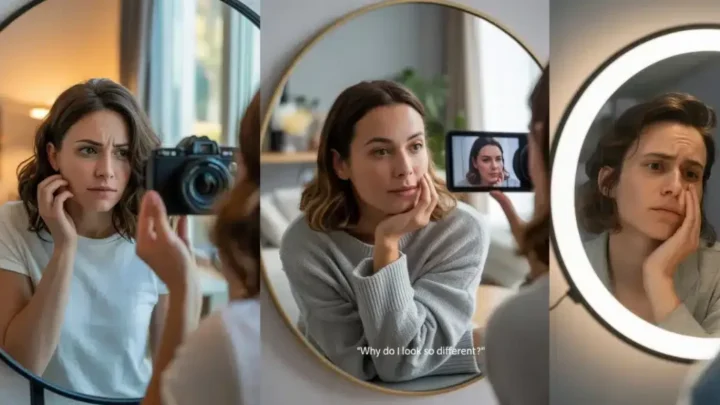
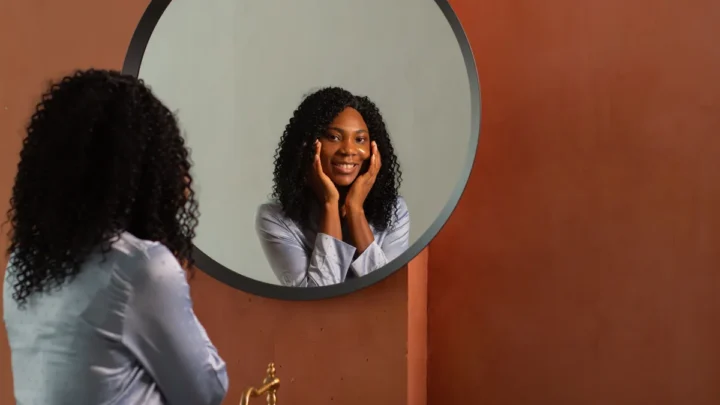
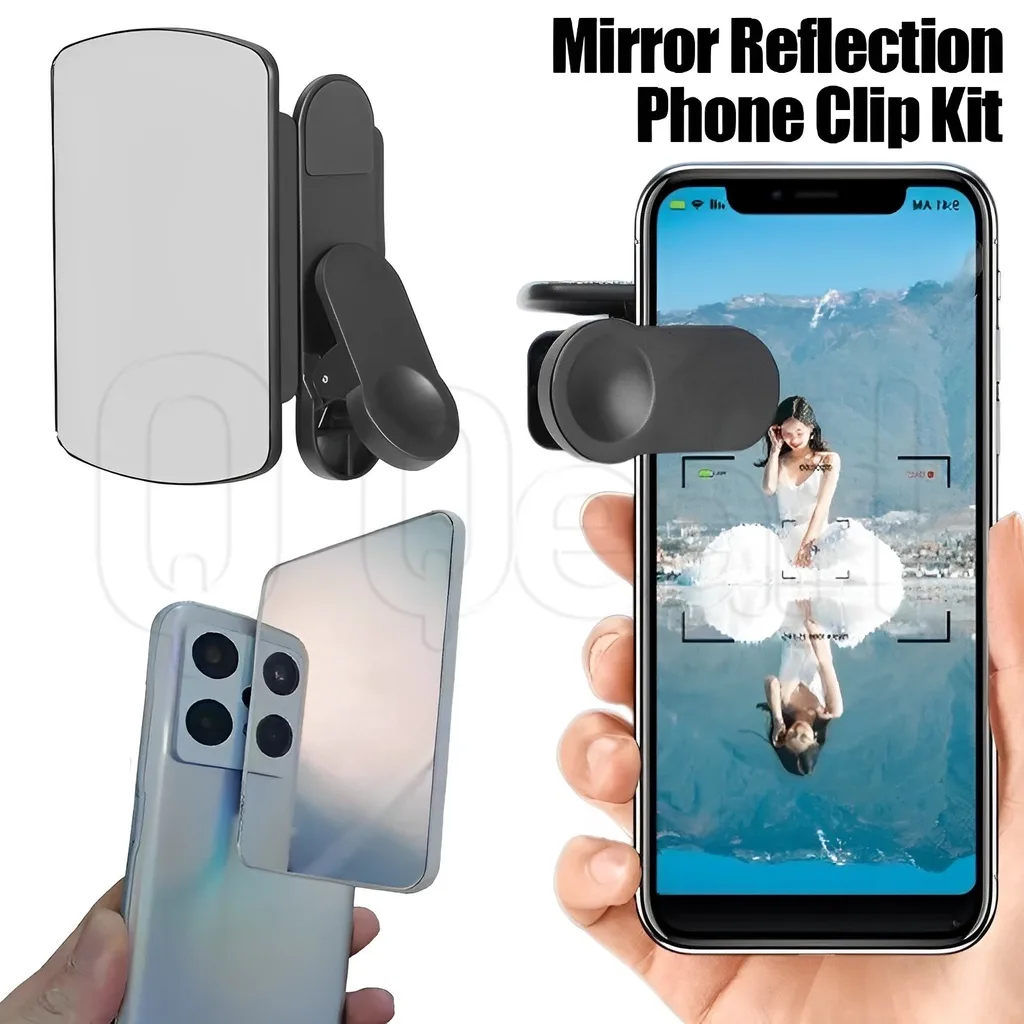
You look better in the mirror because of three factors. First, mirrors show a reversed image your brain finds familiar. Second, mirror lighting is usually softer and more flattering than phone camera flash.
Third, camera lenses distort facial features, especially at close range. None of these reasons mean you look bad. They just mean you are comparing apples to oranges.
Why Accuracy Matters
This question touches on how you see yourself and how you feel about your body. If you constantly feel disappointed by your photos, that can spiral into frustration with your appearance. Over time, that frustration can affect your confidence and even your mental health.
Understanding the gap between your mirror image and your camera image helps you stop blaming yourself. It takes the mystery out of the experience. You are not less attractive than you think.
You are just seeing yourself through two different systems. One system is your bathroom mirror. The other is a piece of glass and metal with a tiny sensor and a short lens.
They are not equivalent.
The stakes are real. Repeated negative comparisons between mirror and photo can contribute to distorted self-perception. Knowing the facts helps you keep your perspective healthy.
Core Facts: The Science of the Reverse Image
How Mirrors Work and Why They Flatter You
A standard mirror reflects light directly back at you. It does not compress or stretch your features. It does not add contrast or change the color temperature.
What you see is a flat, reversed version of your face. That reversal matters because your brain is used to it.
Every time you look in the mirror, you see your face flipped horizontally. Your brain has logged thousands of hours of that exact image. It becomes your default.
So when you see a non-reversed version, like in a photo, it looks foreign. Your brain flags it as wrong. That is the mere-exposure effect at work.
You prefer what you see most often.
The Focal Length Effect (What Your Phone Camera Does Wrong)
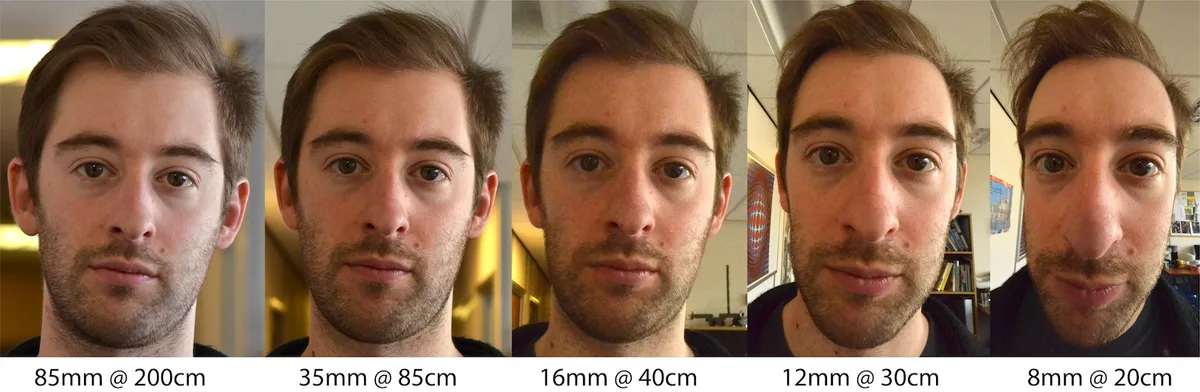
Here is the biggest technical reason. Your phone camera has a lens that is roughly 24mm to 28mm equivalent. That is a wide-angle lens.
Wide-angle lenses distort faces. They make the nose look larger, the forehead look wider, and the ears look smaller. The closer you hold the phone, the worse the distortion.
Professional portrait photographers use lenses between 50mm and 85mm because they reproduce facial proportions accurately. At 50mm, your face looks the way it does in a mirror. At 26mm, your face looks stretched.
If you have ever wondered why your nose looks huge in selfies, that is why. It is not your nose. It is the lens.
Lighting & Angle: The Real Difference Makers
Why Bathroom Lighting Is a Lie
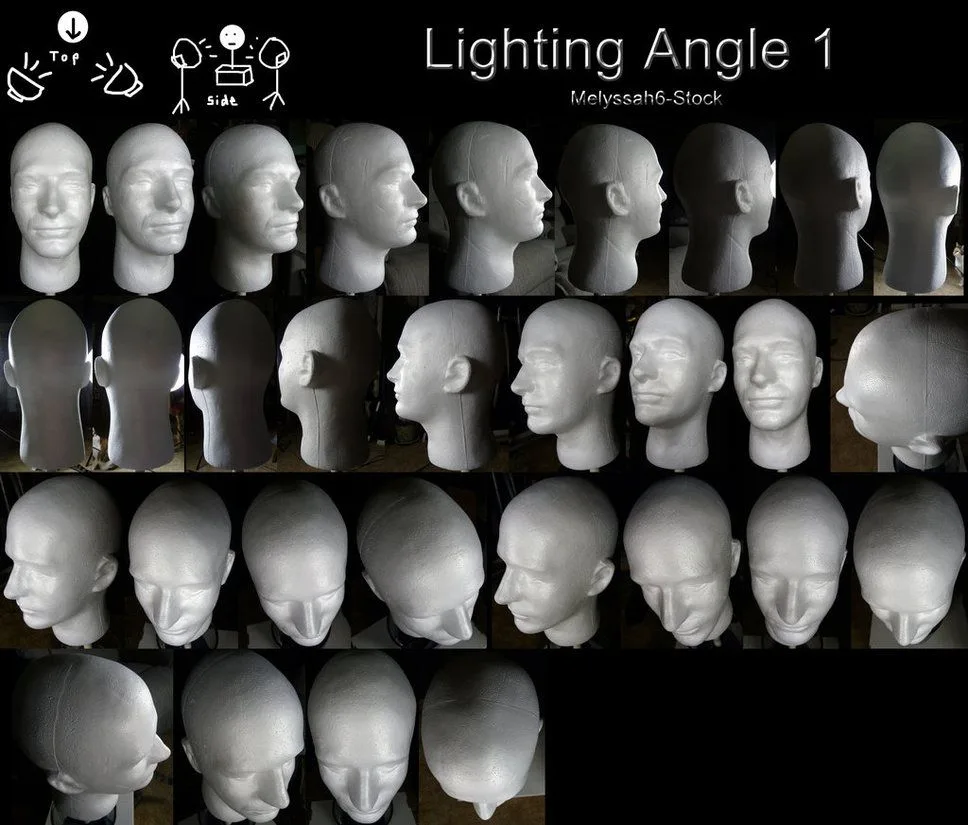
Your bathroom mirror has a specific setup. The light is usually overhead, or it comes from a fixture above the mirror. That light hits your face from above, which is actually the worst angle for photography.
But you look good in the mirror, right? That is because the light is soft. It bounces off your skin and fills in shadows.
Overhead light in a bathroom is diffuse enough to avoid harsh shadows.
Your phone camera flash is not soft. It is a small, intense light source positioned right next to the lens. That creates flat, harsh light that emphasizes every bump and texture.
It washes out your skin tone and casts unflattering shadows under your nose and chin. The difference between mirror lighting and camera flash lighting is dramatic.
The One-Arm-Distance Rule
Here is a simple fix. Hold your phone at arm's length. That helps reduce the wide-angle distortion.

Similar Posts