What Color Are Mirrors? The Surprising Answer
You've probably wondered at some point, what color are mirrors. It sounds like a trick question. You look in a mirror and see your face, your shirt, the room behind you.
It seems to reflect everything perfectly, with no color of its own.
But the truth is more interesting. A mirror absolutely has a color. It's just not what most people expect.
As of 2026, the physics of reflection is well understood, and the answer depends on the materials involved. Standard silvered mirrors reflect roughly 95% of visible light. That missing 5% tells you something important.
Let's break down what's really happening.
Quick Answer
A perfect mirror would have no color. It would reflect every wavelength of light equally. Real mirrors are not perfect.
Most common mirrors have a slight green tint. This green cast comes from the glass itself. The coating on the back is usually silver or aluminum.
That coating is nearly neutral. The glass is what adds the color. So a mirror is technically a very pale green object.
How Mirrors Actually Work
What Reflection Actually Means
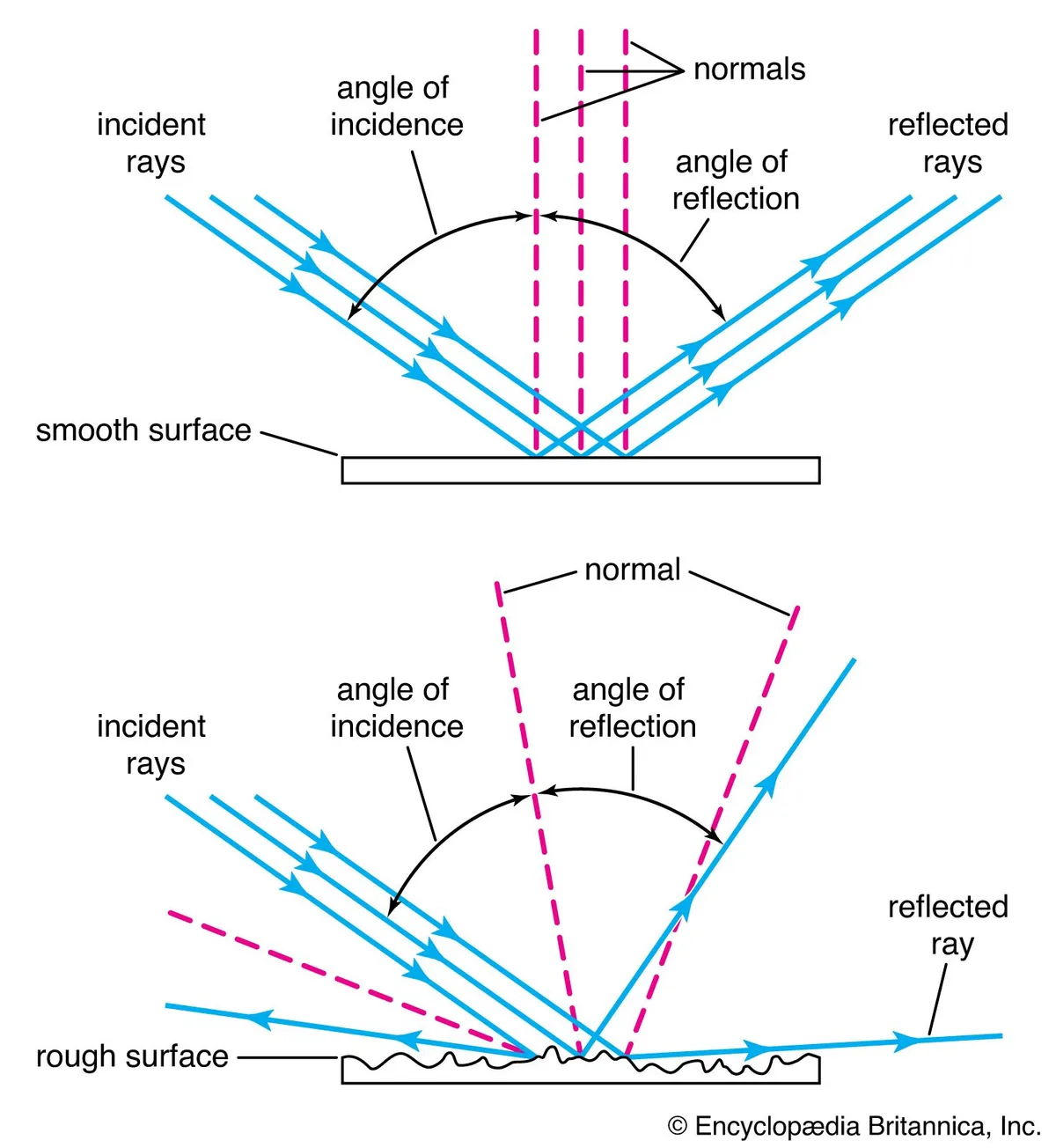
When you ask "what color are mirrors," you're really asking about reflection. Light hits a surface and bounces back. That's reflection.
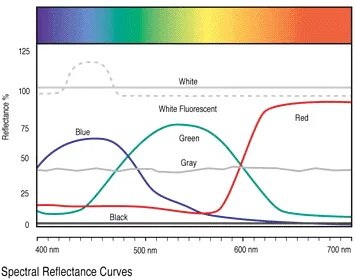
But no surface reflects 100% of the light that hits it. Some wavelengths get absorbed more than others. The wavelengths that bounce back best are the ones you see.
That's the mirror's color.
A perfect mirror would reflect all visible wavelengths equally. That would make it colorless. It would have the same spectral power distribution as the light source hitting it.
That's a theoretical ideal. Real materials always fall short.
The Physics of Real Mirrors
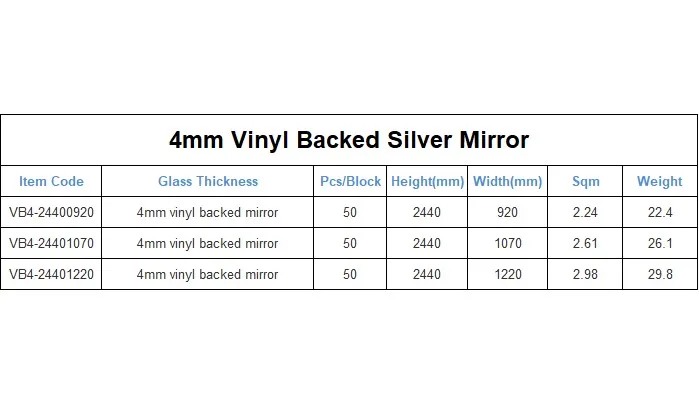
Most mirrors you use are second-surface mirrors. There's a layer of glass on top, then a reflective coating on the back, then a protective paint layer. The light has to travel through the glass, hit the coating, and travel back through the glass again.
That double pass through the glass changes the color.
Standard window glass contains iron oxide impurities. It's not perfectly clear. It absorbs a tiny bit of reddish light.
The green light passes through more easily. So the light that goes in and comes back has slightly less red in it. The result is a faint greenish cast.
First-Surface Mirrors vs Second-Surface Mirrors
First-surface mirrors are different. The reflective coating is on the front of the glass. Light never passes through the glass at all.
These mirrors are used in telescopes, lasers, and scientific instruments. They have much less color distortion. But they're fragile.
You can't touch the reflective surface without damaging it.
Second-surface mirrors are what you hang on your wall. The glass protects the coating. But the glass also adds that green tint.
The thicker the glass, the more noticeable the tint becomes.
Our research confirms that the physics of reflection is well documented by optical standards bodies like the National Institute of Standards and Technology. Their data on spectral reflectance shows exactly how different materials absorb and reflect light across the visible spectrum.

Similar Posts