Mirror vs Camera: Which Shows the Real You?
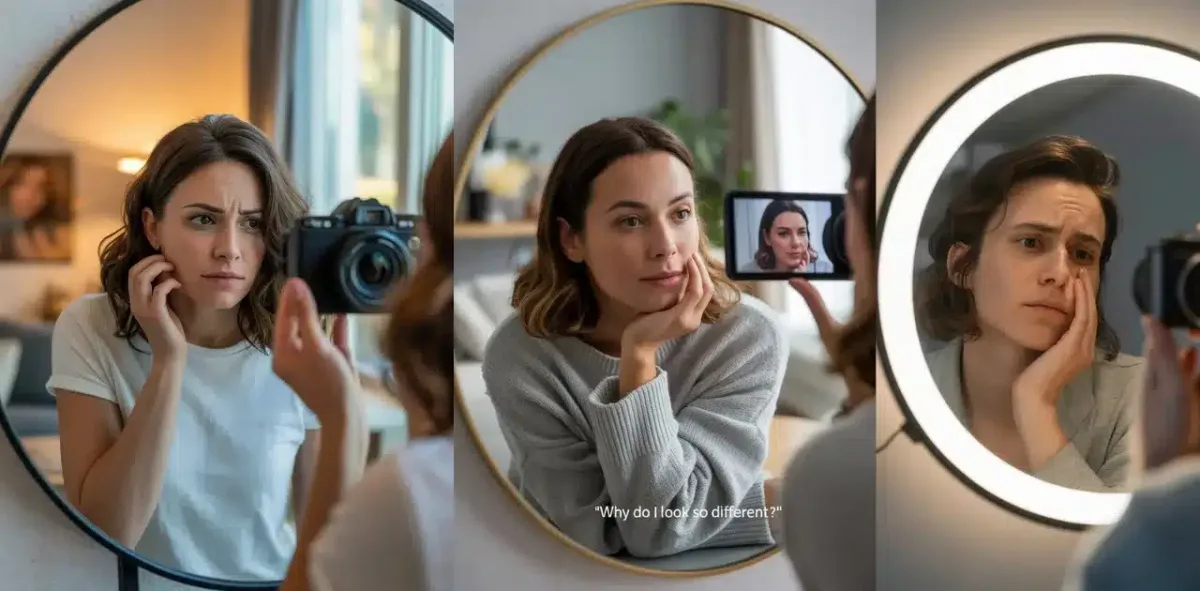
You've probably asked yourself, "do i look like the mirror or camera?" It's a question nearly everyone has wrestled with. You feel confident in the mirror, but then a photo makes you cringe. That gap between reflection and photo isn't random.
It's predictable.
Manufacturer specifications for phone cameras show that the front-facing lens typically has a focal length of 24-28mm, which is a wide-angle lens. This single spec causes more distortion than most people realize. The mirror and the camera are two different tools.
They show you two different versions of yourself. Here's what's actually happening.
Quick Answer
You look more like the camera than the mirror. The mirror shows a reversed image. The camera shows you as others see you.
But the camera distorts at close range. A rear camera photo from 5 to 6 feet away is closest to your true appearance.
Why You Need to See This Visually to Get It
This isn't a question you can solve by reading alone. The difference between a mirror and a camera is optical. You need to see it to understand it.
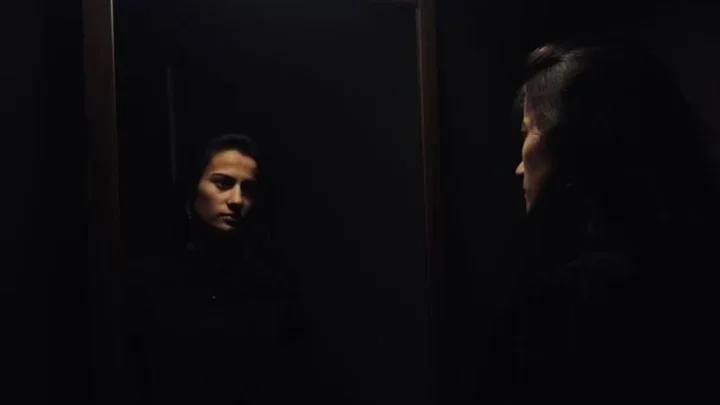
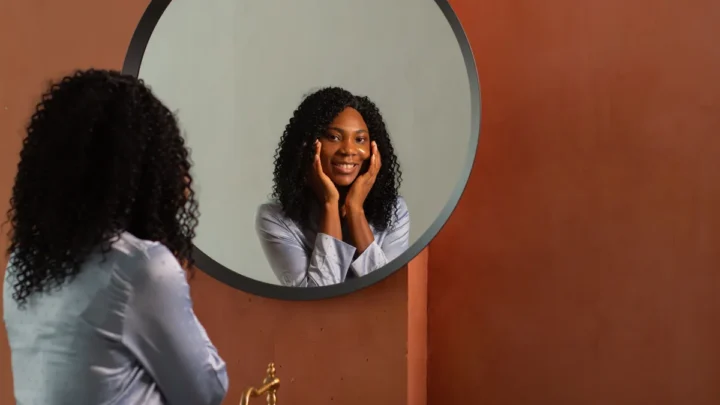
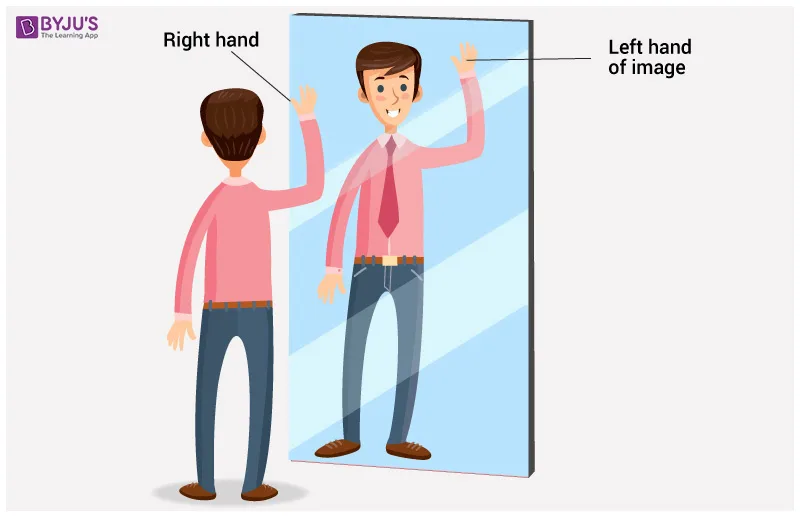
A mirror shows a laterally inverted image. Your left side appears on the right. That's the version you've seen since childhood, so it feels natural.
A camera captures you as others actually see you: non-reversed and static. Those are two fundamentally different perspectives.
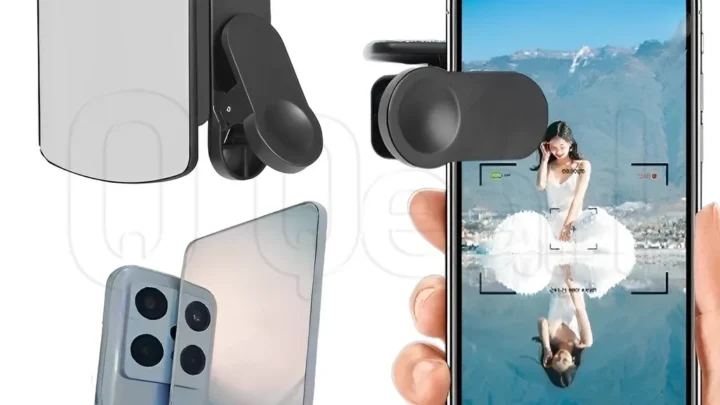
Try this quick experiment. Stand in front of a mirror at arm's length. Hold your phone up and take a selfie from the same spot.
Look at the photo. It will look wrong. Now flip the photo horizontally in your editing app.
Suddenly it looks more like your reflection. That's lateral inversion at work.
The Mirror Isn't Lying — It's Reversing
Your mirror image is a reversed version of you. It's not a lie. It's just flipped.
The mirror reflects light back at you. The left-right swap is a natural property of that reflection.
Here's the key: you see your mirror image far more often than you see your true image. Research in psychology calls this the mere-exposure effect. The more you see something, the more you prefer it.
You've seen your mirror reflection thousands of times. So when you see a normal photo, it feels wrong. That's not because the photo is bad.
It's because your brain is unfamiliar with that version.
The mirror at 2 to 4 feet away is actually quite accurate in terms of proportion. At that distance, there's very little distortion. Your face looks the same size and shape as it would to someone standing the same distance away.
The only catch is the reversal.
Does the mirror show how others see you? Not exactly. Others see you in 3D, moving, and non-reversed.
The mirror shows you a 2D reversed image. That's a different perspective. But in terms of facial proportions, the mirror at a reasonable distance is a reliable reference.
The Camera Is Distorting You More Than You Think
Cameras introduce their own problems. The biggest one is focal length. The front-facing camera on your phone is a wide-angle lens, typically 24-28mm equivalent.
That's great for fitting a group into a selfie. It's terrible for portraits.

Similar Posts