The Real Reason You Shouldn’t Look in Mirrors at Night
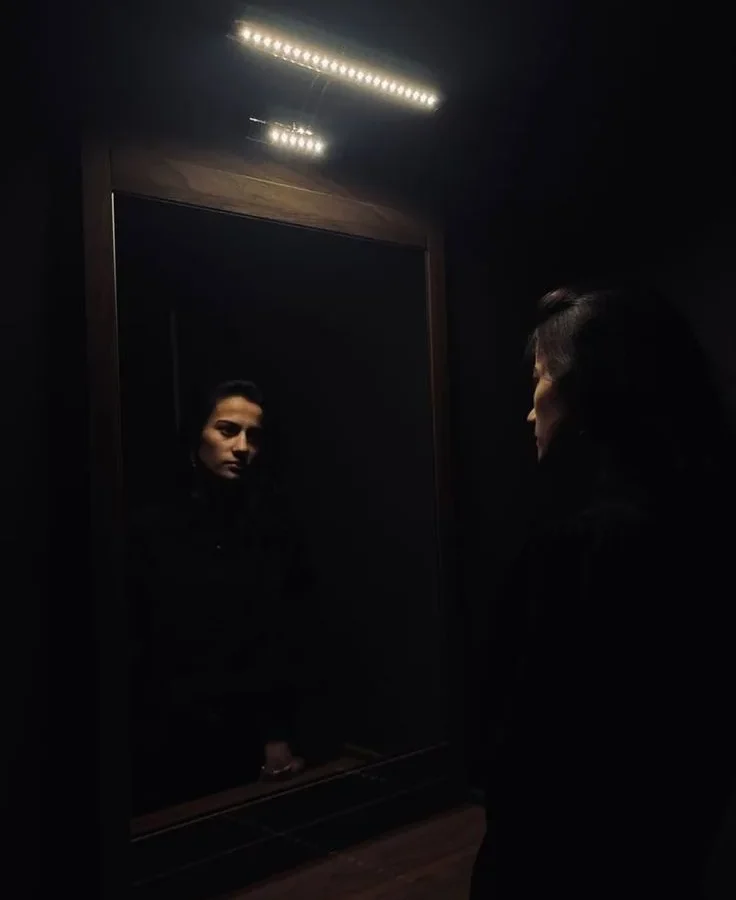
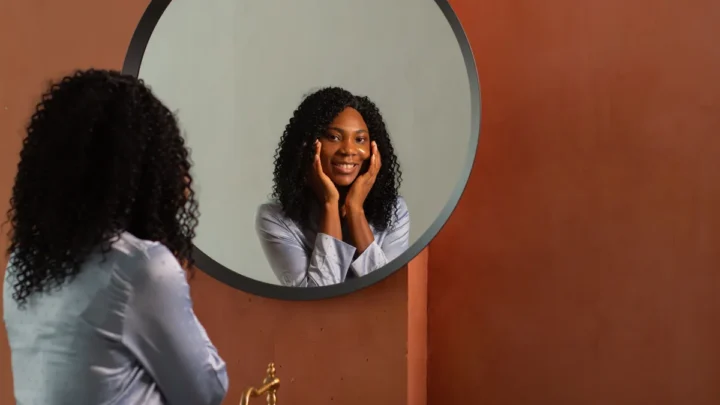
You've probably heard the old warning: don't look in the mirror at night, or something bad will happen. But why is it bad to look in the mirror at night, really? Is there actual science behind the unease, or is it just an old wives' tale?
The answer is a mix of both. Research in visual perception, including studies documented by the American Psychological Association, confirms that our brains are wired to misinterpret reflections in low light. The Troxler effect, for example, can cause your own face to appear distorted after just 10 to 30 seconds of staring in the dark.
That's normal. But it can feel anything but.
Quick Answer
Looking in the mirror at night is not physically dangerous. It can trigger anxiety and disrupt sleep. Your brain plays tricks on you in low light.
The Troxler effect distorts your reflection. Pareidolia makes you see faces. These are normal brain functions.
They just feel unsettling.
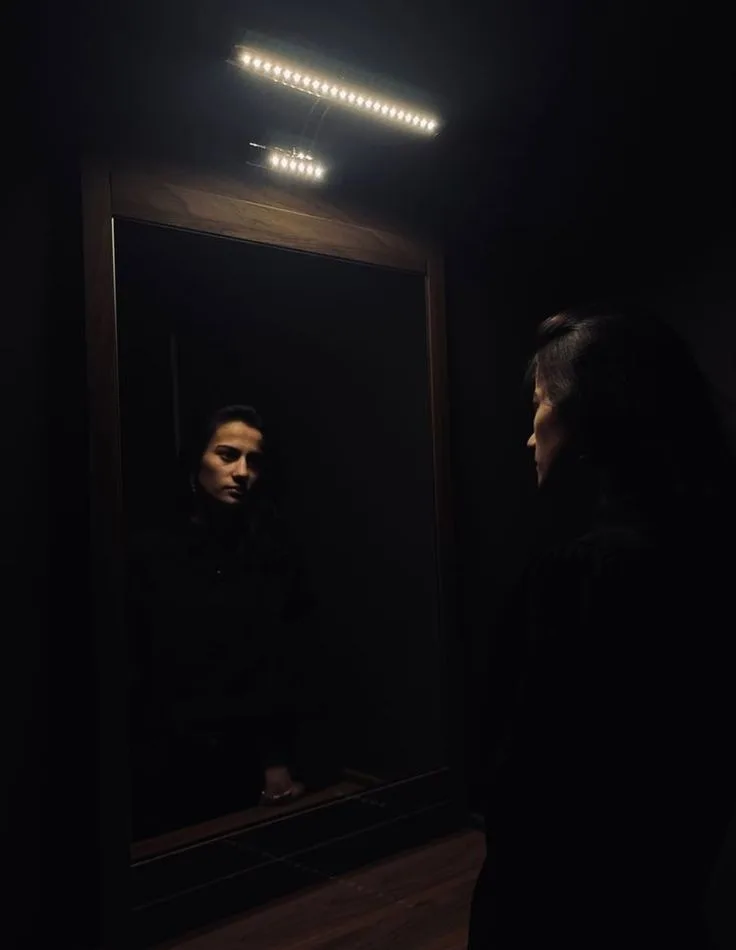
Core Explanation / How It Works
What happens to your vision in the dark?
When the lights go out, your eyes struggle to find clear edges and contrast. Your brain hates that. It tries to fill in the gaps with whatever it has on hand.
That's where the trouble starts.
The Troxler effect
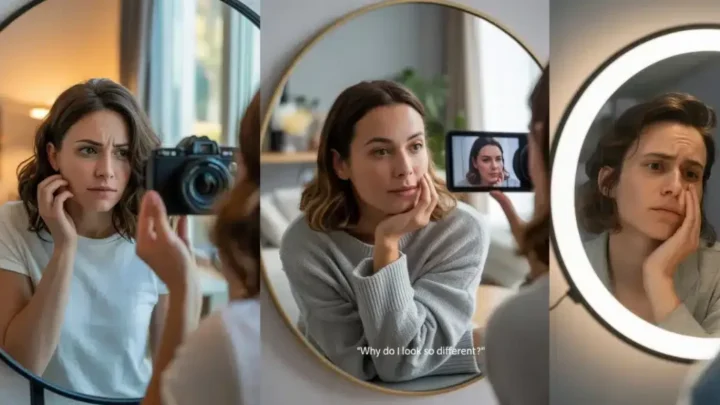
Stare at your reflection in a dim room for about 10 to 30 seconds. The edges of your face will start to fade. Your peripheral vision goes blank.
Then your brain panics and fills in the missing space with a hallucination. It might look like your face is melting. Or like someone else is staring back.
This is called the Troxler effect. It's a well-documented visual phenomenon studied in perceptual psychology. Your neurons stop firing when they don't get new input.
That's normal. But it feels anything but.
Pareidolia
Your brain is wired to recognize faces. It's so good at it that it sees faces where none exist. In a dark mirror, random shadows and reflections can trigger this hardwired response.
That shadow in the corner could look like a person standing behind you. It's not. It's just your brain being overprotective.
Hypnagogic imagery
Before sleep, your brain shifts into a different state. Hypnagogic imagery, the dream-like visuals that occur as you drift off, can bleed into your waking awareness. If you're looking in a mirror during this window, the boundary between imagination and reality gets blurry.
You're more suggestible. You're more likely to misinterpret what you see.
Sensory deprivation
Total darkness is a form of mild sensory deprivation. Your brain craves input. When it doesn't get enough, it starts generating its own.
That's why you might feel like the mirror is a window into another room. The feeling is real. The threat is not.
The amygdala's role
The amygdala is your brain's threat detector. It works in milliseconds. In low light, it's more active because your brain can't see clearly.
When you catch a glimpse of your own reflection, the amygdala can misinterpret it as a stranger. That triggers a split-second fear response. Your heart races.
You feel uneasy. You don't know why.
Why It Feels Bad: The Psychological and Sensory Downsides
Disrupted sleep
Looking in a mirror right before bed can spike your cortisol levels. Your nervous system shifts into alert mode. That's the opposite of what you need for sleep.
A quick glance can turn into a lingering unease that keeps you awake.

Similar Posts