Can Glass Scratch Glass? The Surprising Truth
Can glass scratch glass? Yes, it can, but it's not as simple as a yes or no. Most people assume glass is glass and that's that.
But the reality depends on a few key factors you might not have considered.
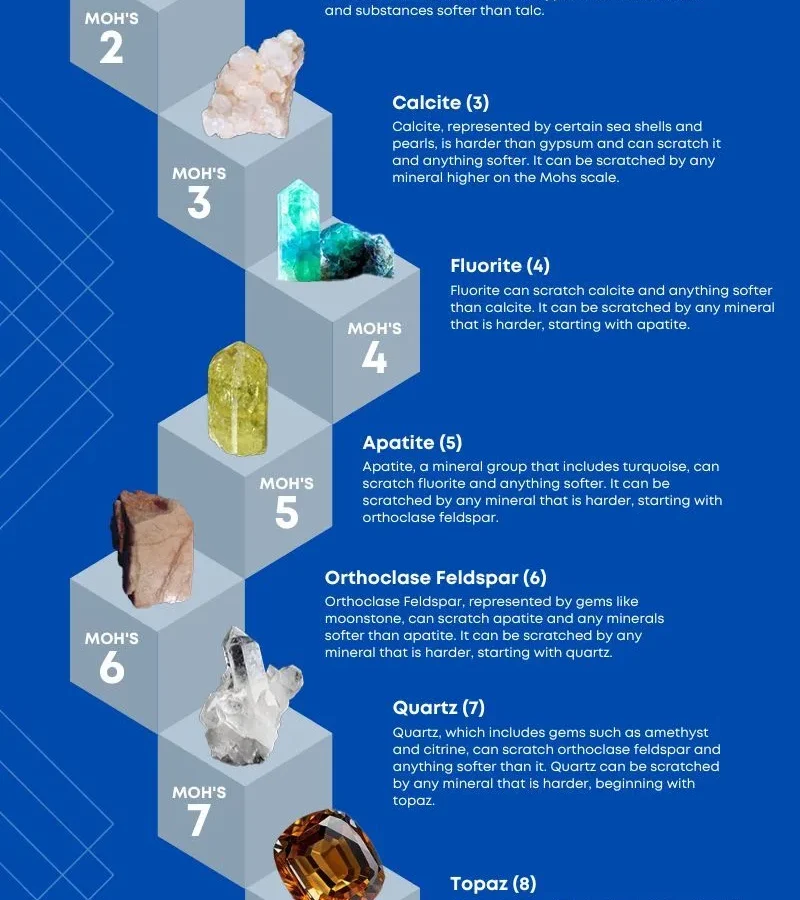
The Mohs scale of mineral hardness is the standard reference here. Most common glass falls between 5.5 and 6.5 on that scale. As of 2026, this remains the most reliable way to predict whether one glass surface will damage another.
Let's walk through what actually happens when glass meets glass.
Quick Answer
Yes, glass can scratch glass. It depends on relative hardness. Most glass sits between 5.5 and 6.5 on the Mohs scale.
Harder glass scratches softer glass. Contaminants like sand or dust make scratching more likely. Clean surfaces with low pressure often won't scratch.
Why Glass-on-Glass Scratching Isn't Simple
The short answer is yes, glass can scratch glass. But the real answer depends on the specific type of glass, the condition of both surfaces, and what else might be present.
The Mohs Scale Doesn't Lie
The Mohs scale of mineral hardness ranks materials from 1 (talc) to 10 (diamond). Most common glass falls between 5.5 and 6.5. Quartz, which is essentially sand and a common dust contaminant, ranks at 7.
That means ordinary sand is harder than most glass. When you wipe a dusty glass tabletop, you're dragging particles harder than the glass itself across the surface.
Different Glass Types Have Different Hardness
Not all glass is created equal. Here's a quick breakdown:
| Glass Type | Mohs Hardness | Common Uses |
|---|---|---|
| Soda-lime glass | 5.5 – 6.0 | Windows, bottles, drinking glasses |
| Borosilicate glass | 5.5 – 5.8 | Bakeware, lab equipment |
| Tempered glass | 6.0 – 6.5 | Shower doors, phone screens, car windows |
| Aluminosilicate glass | 6.5 – 7.0 | Gorilla Glass, premium smartphone screens |
Soda-lime glass, which is what most household items are made of, sits at the softer end. Tempered glass is harder due to the heat treatment process. But even tempered glass can be scratched by harder glass or by quartz particles.
The "Diamond Dust" Effect
Here's something most people don't realize. The scratches you see on glass often aren't from the glass itself. They're from microscopic particles trapped between two surfaces.
Think about it. When you stack glass plates, tiny bits of sand or ceramic dust can get pressed between them. That dust acts like sandpaper.
The glass surfaces are just the delivery system.
Per material science research, the real culprit is often a third-party contaminant harder than the glass itself. This is why cleaning glass before contact matters so much.
Your Decision Tree: Will It Scratch or Not?
Let's make this practical. Here's how to predict whether a given glass-on-glass interaction will cause damage. Follow these branches based on your situation.
Branch 1: What Type of Glass?
Start with the glass types involved. If you're rubbing two pieces of the same soda-lime glass together, the risk is lower but not zero. If you're rubbing tempered glass against annealed glass, the tempered glass can scratch the softer one.
If you're rubbing a borosilicate baking dish against a soda-lime countertop, the borosilicate is slightly harder and can leave marks.

Branch 2: Are the Surfaces Clean?
This is the biggest factor. Clean, dry glass sliding against clean, dry glass with minimal pressure rarely scratches. The trouble starts when there's dust, sand, or ceramic grit between them.
Even a single grain of sand can drag across the surface and leave a visible scratch.
Branch 3: How Much Pressure?
Light contact won't do much. Heavy pressure, like stacking multiple glass items or pressing down while cleaning, increases the risk. The harder you press, the more likely contaminants dig into the surface.
Branch 4: Is There Movement?
Static contact with no sliding is safer. Sliding or rotating glass against glass concentrates the force on tiny high points. This is why stacking plates unevenly or sliding a glass vase across a glass tabletop creates scratches.
Decision Table
| Condition | Likelihood of Scratch | Action to Take |
|---|---|---|
| Same glass type, clean, light pressure | Very low | Proceed normally |
| Same glass type, dusty, light pressure | Moderate | Clean first |
| Different glass types, clean, moderate pressure | Low to moderate | Use a barrier |
| Different glass types, dusty, heavy pressure | High | Avoid entirely |
| Any glass with sand or grit | Very high | Clean thoroughly first |
Common Situations: Glassware, Screens, and Tabletops
Let's look at real scenarios where glass-on-glass scratching happens. Understanding these will help you avoid damage in your daily life.
Stacking Glassware
This is the most common problem. You stack drinking glasses, mixing bowls, or bakeware for storage. Over time, you notice cloudy rings or hairline scratches.
That's the rim of one glass grinding against the body of another.
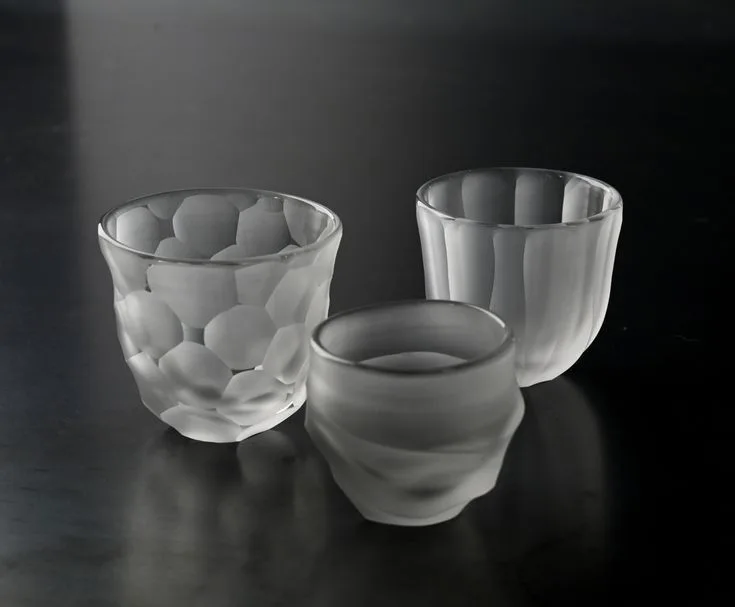
The fix is simple. Place a soft barrier between stacked items. Paper towels, felt pads, or even a clean dish towel work fine.
For glass bakeware, never stack them without a liner. The rims are often harder than the bodies.
Phone Screens and Glass Backs
Modern smartphones use aluminosilicate glass like Gorilla Glass. It's harder than standard glass. But that doesn't make it scratch-proof.
Two phones in the same pocket, or a phone pressed against a glass table, can still cause micro-scratches.
Aggregate user reviews report that phone screens rarely scratch from glass alone. The real offenders are pocket sand, keys with ceramic coatings, and metal zippers. But if you press a glass screen protector against another glass surface with grit between them, the scratches will show.
Glass Tabletops
Glass dining tables and coffee tables are scratch magnets. Placing glass vases, decorative bowls, or even ceramic plates directly on the surface invites trouble. The ceramic and glass bases are often harder than the tabletop.
Our research suggests using coasters, placemats, or felt pads under any item placed on a glass table. Even a single decorative stone with a rough edge can leave a permanent mark.
Cleaning Windows and Shower Doors
This is a paradox. You're trying to make glass clean, but your cleaning method can scratch it. Using a dry cloth or paper towel on a dusty window drags grit across the surface.
The same goes for shower doors with hard water deposits. Those mineral deposits are often harder than the glass.
The solution is to always clean glass with a wet, soft cloth first. Rinse thoroughly. Then use a squeegee or microfiber cloth for drying.
Never wipe a dry, dusty glass surface.
Mistakes That Cause Scratches (And How to Avoid Them)
Most glass scratches happen because of a few common errors. Here are the biggest ones and how to sidestep them.
Using Dry Paper Towels or Cloths
Paper towels contain wood fibers that are harder than you think. When you wipe a dry glass surface, those fibers act like fine sandpaper. The same goes for old dish towels that have picked up grit from the laundry.
Use a dedicated microfiber cloth for glass. Keep it clean and free of debris. If you must use paper towels, wet the glass first so the fibers glide rather than scrape.
Stacking Without Protection
This is the number one cause of scratched glassware. People stack drinking glasses, mixing bowls, or bakeware directly on top of each other. The rim of one glass grinds against the body of another.
Over time, you get cloudy rings and fine scratches.
Place a soft barrier between every piece. A paper towel, a felt pad, or even a clean dish towel works. For glass bakeware, never stack without a liner.
The rims are often harder than the bodies.
Ignoring Grit on Countertops
Setting a glass vase or bowl directly on a dusty countertop is asking for trouble. The dust particles are often quartz-based, which is harder than glass. When you slide the item even slightly, you drag those particles across the surface.
Wipe down countertops before placing glass items. Use a damp cloth to pick up dust rather than spreading it around. Better yet, use coasters or placemats as a buffer.
Using Abrasive Cleaners
Scouring powders, baking soda pastes, and even some commercial glass cleaners contain abrasive particles. They're designed to scrub away grime, but they also scratch the glass surface. You might not see the damage immediately, but over time the glass becomes cloudy.
Stick to non-abrasive glass cleaners. A mix of distilled water and white vinegar works well. For tough spots, let the cleaner soak rather than scrubbing harder.
How to Prevent Glass Scratches: Pro Tips
Now that you know what causes scratches, here's how to keep your glass surfaces pristine.
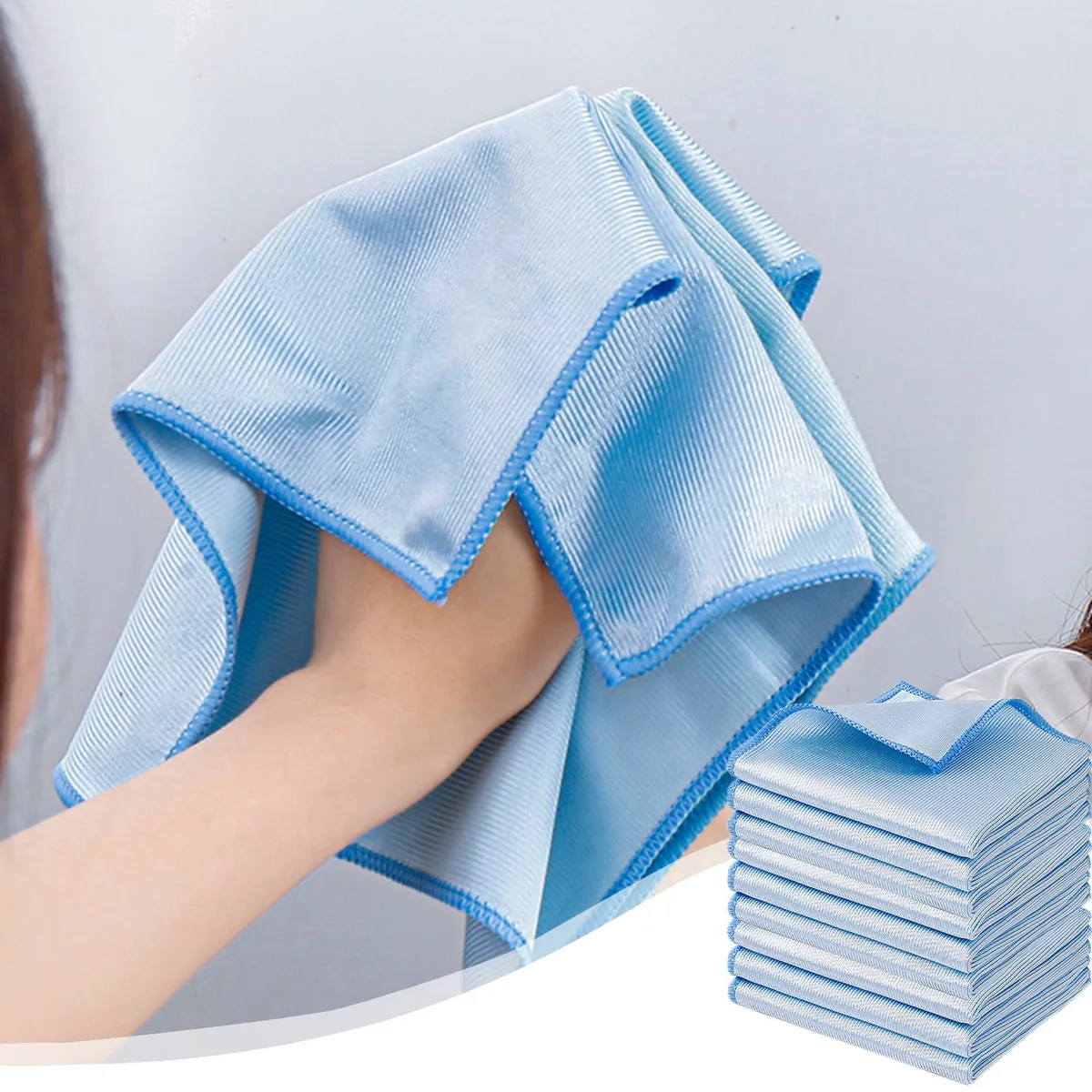
Clean the Right Way
Always clean glass with a wet cloth first. This lifts dust and grit without dragging it across the surface. Rinse the cloth frequently.
Then dry with a clean microfiber cloth or a squeegee. Never wipe a dry, dusty surface.
For windows and shower doors, use a squeegee after every shower. This prevents mineral deposits from building up and becoming scratch hazards.
Use Barriers Everywhere
Any time glass touches another surface, use a barrier. Felt pads under glass table legs. Coasters under glassware.
Paper towels between stacked glass items. These small habits prevent most scratches.
Inspect Surfaces Before Contact
Before placing a glass item on a table or countertop, check for visible debris. A quick wipe with your hand can save you from a permanent scratch. The same goes for stacking glassware.
Check the rim of each piece for chips or rough edges.
Choose Harder Glass When It Matters
If you're buying new glass items, consider the type. Tempered glass is harder than standard soda-lime glass. It resists scratches better.
For phone screens, look for aluminosilicate glass like Gorilla Glass. It's engineered to handle everyday wear.
But remember, no glass is scratch-proof. Even the hardest glass can be damaged by quartz or ceramic particles.
Frequently Asked Questions
Can two pieces of the same glass scratch each other?
Yes, but it's less likely than with different glass types. If both pieces are the same type and hardness, the risk is low. However, contaminants like dust or sand between them can still cause scratches.
Clean surfaces are your best defense.
Does tempered glass scratch easier than regular glass?
No, tempered glass is harder than regular annealed glass. It scores about 6.0 to 6.5 on the Mohs scale compared to 5.5 for soda-lime glass. But it's not scratch-proof.
It can still be damaged by harder materials like quartz or ceramic.
Why does my glass table have scratches I never noticed before?
Those scratches likely came from dust or grit trapped between items on the table. Even a single grain of sand can scratch glass when pressure is applied. Placing decorative items directly on the table without a barrier is a common cause.
Can I remove scratches from glass?
Minor scratches can sometimes be polished out using cerium oxide or a specialized glass polishing kit. But deep scratches are permanent. Polishing also risks making the glass thinner or distorting the surface.
Prevention is far better than repair.
Is it safe to stack glass bakeware?
Stacking glass bakeware without a barrier is risky. The rims are often harder than the bodies, and the weight of the top piece presses down. Over time, this creates cloudy rings and scratches.
Always place a paper towel or felt pad between pieces.
What's the best way to clean glass without scratching it?
Use a microfiber cloth and a non-abrasive cleaner. Spray the cleaner on the cloth, not directly on the glass. Wipe in a gentle circular motion.
For windows, use a squeegee after washing. Avoid paper towels, dry cloths, and abrasive pads.

Similar Posts