Does Glass Conduct Electricity? The Science Explained

So, does glass conduct electricity? The short answer is yes and no. It depends entirely on the type of glass, its temperature, and whether it has a coating or moisture on its surface.
Plain window glass at room temperature is an excellent insulator. But change one of those conditions, and you can get a shock.
In our research, we looked at manufacturer specifications for common glass types and standards like those from the IEEE for high-voltage insulation. The key takeaway is that glass is not a simple yes-no material. It behaves differently depending on its environment.
Let's break down exactly when it conducts and when it doesn't.
Quick Answer
Plain, dry glass at room temperature does not conduct electricity. It is a very good insulator. However, glass can become conductive when it is very hot, when it is coated with a conductive material like ITO, when its surface is wet or dirty, or when it is subjected to a high enough voltage to break down.
How Glass Becomes a Conductor: The Four Conditions That Change Everything
Most people think glass is a perfect insulator. For almost all everyday situations, that is true. But the material science behind glass tells a more interesting story.
Glass is a supercooled liquid with a disordered atomic structure. In its solid state, its electrons are tightly bound and cannot move freely. That is what makes it an insulator.
However, four specific conditions can turn that insulator into a conductor.
Condition 1: High Temperature
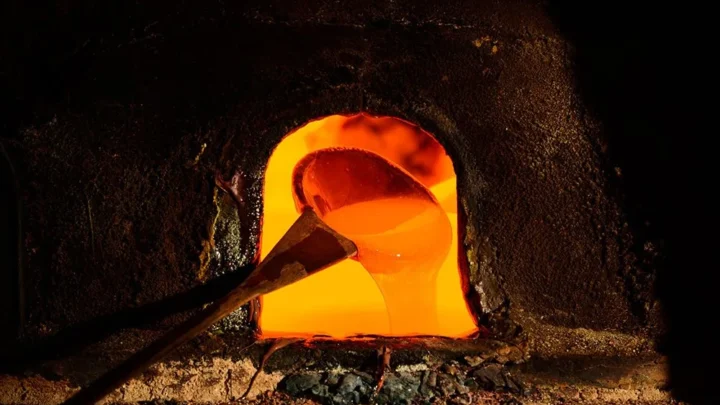
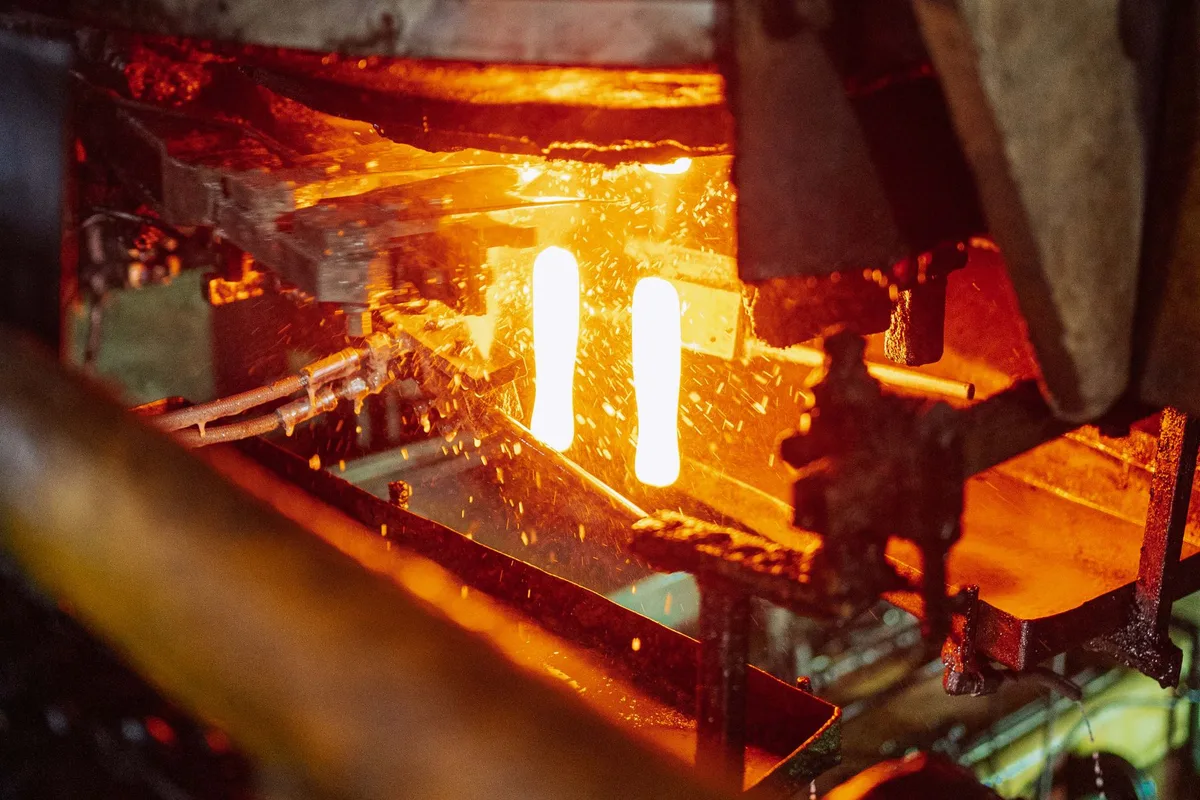
When glass gets hot enough, its atoms start vibrating like crazy. For ordinary soda-lime glass, this happens around 600°C (1112°F). At that point, sodium ions inside the glass gain enough energy to move through the structure.
That movement of charged ions is electric current. Once the glass becomes molten, it conducts even more freely, almost like a weak electrolyte solution.
Condition 2: Conductive Coatings
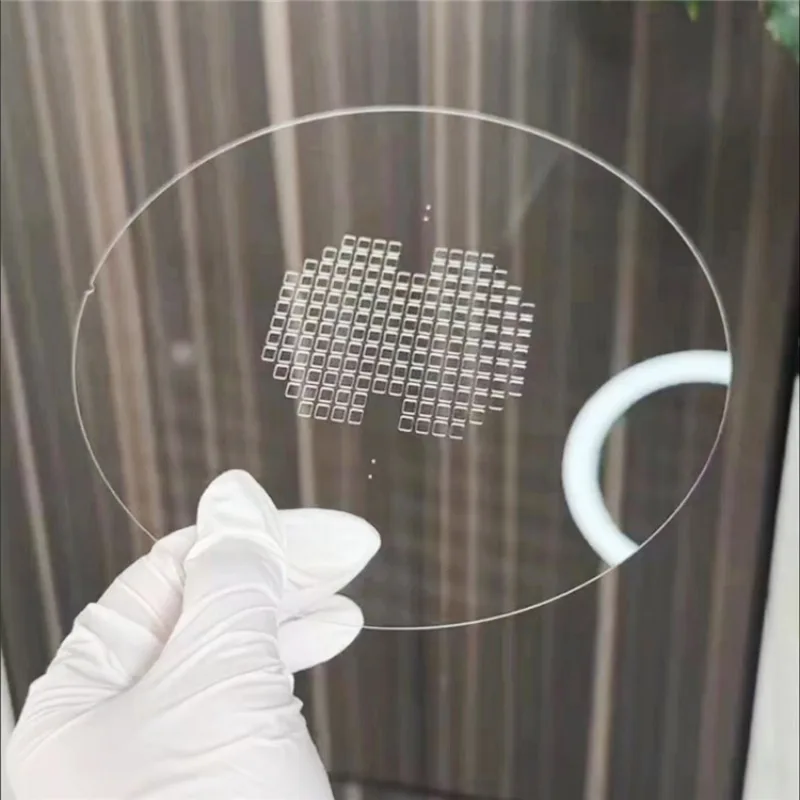
Many modern glass products have a thin transparent coating applied to the surface. The most common is indium tin oxide (ITO). This coating is a transparent conductor.
Touchscreens use it. Solar panels use it. Smart windows use it.
The glass itself is still an insulator. But the coating on top conducts electricity. If you touch the coated side of a live circuit, you can get a shock.
Condition 3: Moisture and Contamination
Glass that is perfectly clean and dry is an excellent insulator. Add a layer of moisture, dirt, or grease, and everything changes. Water, especially if it contains dissolved minerals, is conductive.
A thin film of condensation on a glass surface can create a path for electricity to leak across. This is called surface leakage current. In humid environments, this can be a real safety hazard.
Condition 4: High Voltage and Dielectric Breakdown
Every insulating material has a limit. For glass, that limit is called its dielectric strength. According to NIST data, common glass can withstand about 10 to 30 kilovolts per millimeter of thickness before it breaks down.
When the voltage exceeds that limit, the glass suddenly becomes conductive. It can arc through, creating a permanent carbonized path. This is why you never use ordinary glass in high-voltage equipment.
Here is a quick reference table for the four conditions:
| Condition | How It Conducts | Typical Resistivity |
|---|---|---|
| High temperature (molten) | Ion movement | 10–100 S/m (conductive) |
| Conductive coating (ITO) | Surface electron flow | 10–100 ohms/sq |
| Moisture / contamination | Surface leakage current | Variable (megaohms to kiloohms) |
| High voltage (breakdown) | Permanent arc path | Near zero (after breakdown) |
The Decision Tree: Is Your Glass Conducting Right Now?
This is where the practical answer lives. You do not need to be a materials scientist to figure out if your glass is conducting. You just need to ask the right questions.
Branch 1: Is it ordinary window glass, dry and at room temperature?
If yes, it is an insulator. You can safely assume it will not conduct electricity. This covers most windows, bottles, and drinking glasses in your home.
The resistivity is 10¹⁰ to 10¹⁴ ohm-cm, which is extremely high. No current flows.
Branch 2: Is it coated glass?
If you are looking at a touchscreen, a solar panel, or a smart window, the answer is probably yes. The glass itself is still an insulator. But the coating on the surface is a conductor.
If there is a live circuit connected to that coating, it can carry current. Treat it like any other conductive surface. Do not touch it unless you know it is safe.
Branch 3: Is it extremely hot or molten?
If you are working with glass in a furnace or a kiln, it is a conductor. At temperatures above 600°C, ordinary soda-lime glass becomes conductive. Fused quartz, which is pure silica, stays insulating up to much higher temperatures.
For most common glass, high heat equals conductivity.
Branch 4: Is it wet, dirty, or under high voltage?
If the glass surface has condensation, salt deposits, or industrial dust, treat it as potentially conductive. If the glass is part of a high-voltage system, never assume it is safe. Dielectric breakdown can happen silently.
Glass that has been subjected to high voltage may have invisible damage.
Here is a summary table to help you decide quickly:
| Situation | Is It Conductive? | What to Do |
|---|---|---|
| Dry window glass at room temp | No | Use as insulator |
| Touchscreen (ITO coated) | Yes (surface) | Avoid touching live circuits |
| Molten glass in furnace | Yes | Use insulated tools |
| Wet glass near electrical outlet | Possibly | Dry it, then test |
| High-voltage glass insulator | No (if intact) | Inspect for cracks |
How to Test Glass for Conductivity (Without Getting Shocked)
If you need to know for sure whether a piece of glass is conducting, you can test it yourself. But you need to be careful. Electricity can hurt you.
Follow these steps exactly.
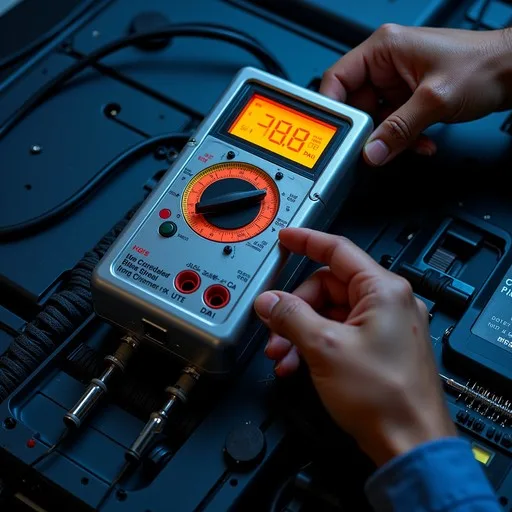
What You Need
- A digital multimeter with a megaohm range
- Two test leads with insulated probes
- Safety glasses
- A clean, dry workspace
- A high-voltage insulation tester (optional, for dielectric strength)
Step 1: Surface Resistance Test
This tells you if the surface of the glass is conducting. Set your multimeter to the highest resistance range, usually 20 or 200 megaohms. Touch the two probes to the glass surface, about 1 centimeter apart.
Press firmly. Read the display.
- If the reading is OL (over limit) or 10¹⁰ ohms or higher, the surface is insulating.
- If the reading is in the kiloohm or megaohm range, the surface is conducting. This means there is a coating, moisture, or contamination.
Step 2: Bulk Resistance Test
This tells you if the glass itself is conducting from one side to the other. Place one probe on one side of the glass and the other probe on the opposite side. Read the display.
For thick glass, you may need to apply some pressure. Again, OL or very high resistance means it is an insulator. Any reading below 10⁹ ohms is suspicious.
Step 3: What the Readings Mean
Here is a quick guide to interpreting your results:
| Reading | What It Means | Action |
|---|---|---|
| OL (over limit) | Excellent insulator | Safe for most uses |
| 10⁹–10¹² ohms | Good insulator | Safe for low voltage |
| 10⁶–10⁹ ohms | Leaky surface | Clean or dry it |
| Below 10⁶ ohms | Conductive | Do not use near electricity |
When to Call a Professional
If you are testing glass in a high-voltage system, do not rely on a standard multimeter. You need an insulation tester that applies a controlled high voltage. This is a job for a qualified electrician or a high-voltage technician.
Do not guess.
Mistakes That Can Shock You (and How to Avoid Them)
These mistakes are common. Some are harmless. Some are dangerous.
Here are the most frequent ones.
Mistake 1: Assuming All Glass Is a Perfect Insulator
This is the biggest one. People see glass and think it is safe. But coated glass, hot glass, and wet glass can all conduct.
Always check the conditions before you assume.
Mistake 2: Ignoring Surface Moisture
Condensation on a glass surface can create a path for current. This is especially dangerous in bathrooms, kitchens, and outdoor electrical enclosures. Dry the glass thoroughly before testing or working near it.
Mistake 3: Using the Wrong Glass Near High Voltage
Ordinary window glass is not designed for high-voltage applications. It can break down and arc through. Use borosilicate glass or fused quartz for high-voltage insulation.
These materials have much higher dielectric strength.
Mistake 4: Touching ITO-Coated Glass Without Confirming It Is Safe
Touchscreens and display panels often have live circuits connected to the ITO coating. If you touch the glass while the device is on, you can get a shock. It is usually not dangerous.
But it is startling and can cause you to drop the device. Always power down before handling.
Mistake 5: Forgetting That Glass Can Break Down Silently Over Time
High voltage can cause gradual damage to glass. Microcracks can form. The dielectric strength can decrease.
A glass insulator that was safe last year may not be safe today. Inspect high-voltage glass insulators regularly for cracks, discoloration, or signs of arcing.
When You Actually Want Conductive Glass
Most of this article has been about when glass conducts by accident. But there are plenty of situations where you want it to conduct on purpose. Conductive glass is a key material in modern electronics and energy technology.
The most common example is the touchscreen on your phone or tablet. The glass itself is an insulator. But a thin layer of indium tin oxide (ITO) on the surface creates a transparent electrode.
When your finger touches the screen, it completes a circuit. The device registers the touch.
Solar panels use the same trick. A layer of conductive glass sits on top of the photovoltaic cells. It lets sunlight through while collecting the electrical current.
Without conductive glass, rooftop solar would be much less efficient.
Smart windows also rely on this technology. Apply a small voltage, and the glass changes from clear to opaque. The conductive coating acts as an electrode that drives the electrochromic reaction.
Here are the main pros and cons of conductive glass:
| Pros | Cons |
|---|---|
| Transparent and conductive | ITO is brittle and can crack |
| Widely available | Sheet resistance is higher than metal |
| Compatible with existing glass manufacturing | Expensive for large panels |
| Chemically stable | Limited to low-current applications |
Alternatives to ITO glass include silver nanowire coatings, graphene films, and metal mesh. Each has trade-offs in transparency, flexibility, and cost. For most consumer electronics, ITO glass remains the standard.
If you are designing a project that needs a transparent conductor, start with standard ITO glass. It is the most reliable option.
Frequently Asked Questions
Does glass conduct electricity when wet?
Yes, it can. A thin film of water on the glass surface creates a path for current to leak across. This is called surface leakage.
The risk is highest in humid environments or near condensation. Dry the glass thoroughly before testing or working near it.
Can glass be a semiconductor?
Not in its ordinary form. Glass is an amorphous material with a large band gap. That makes it an insulator.
However, some specialized glasses can be doped to behave like semiconductors. Chalcogenide glasses are one example. They are used in phase-change memory devices.
What is the difference between borosilicate and soda-lime for electrical use?
Borosilicate glass has much higher resistivity and better thermal stability. It can withstand higher voltages without breaking down. Soda-lime glass is cheaper and more common.
For high-voltage insulation, borosilicate or fused quartz is the safer choice.
Is it safe to touch glass near a live wire?
It depends on the glass. If the glass is dry, clean, and uncoated, it is safe. But if it is wet, dirty, or coated with ITO, it can conduct.
Always assume glass near a live circuit is potentially dangerous until you test it.
How hot does glass need to get to conduct?
For ordinary soda-lime glass, the transition starts around 600°C (1112°F). At that point, sodium ions become mobile and the glass starts conducting. Once it becomes molten, the conductivity increases significantly.
Fused quartz stays insulating at much higher temperatures.
Final Verdict: A One-Minute Decision Guide
Here is the bottom line. If you are dealing with ordinary window glass at room temperature, it is a safe insulator. You do not need to worry about it conducting electricity.
But if any of the four conditions from earlier apply, treat it with caution.
Use this quick checklist for your situation:
- Is it dry, clean, and uncoated? Use it as an insulator.
- Is it a touchscreen or solar panel? Treat the surface as conductive.
- Is it hot or molten? Assume it conducts. Use insulated tools.
- Is it wet or near high voltage? Test it. Or better yet, call a professional.
When you need an insulator for high-voltage work, choose borosilicate glass or fused quartz. They handle higher voltages and temperatures without breaking down. When you need a transparent conductor, ITO glass is the standard.
It works reliably in touchscreens, displays, and solar panels.
The material science is simple. Glass is not a yes-no material. It is a conditional material.
The conditions dictate the behavior. Understand those conditions, and you will never be surprised by a shock.

Similar Posts