Can Opticians Remove Scratches From Glasses
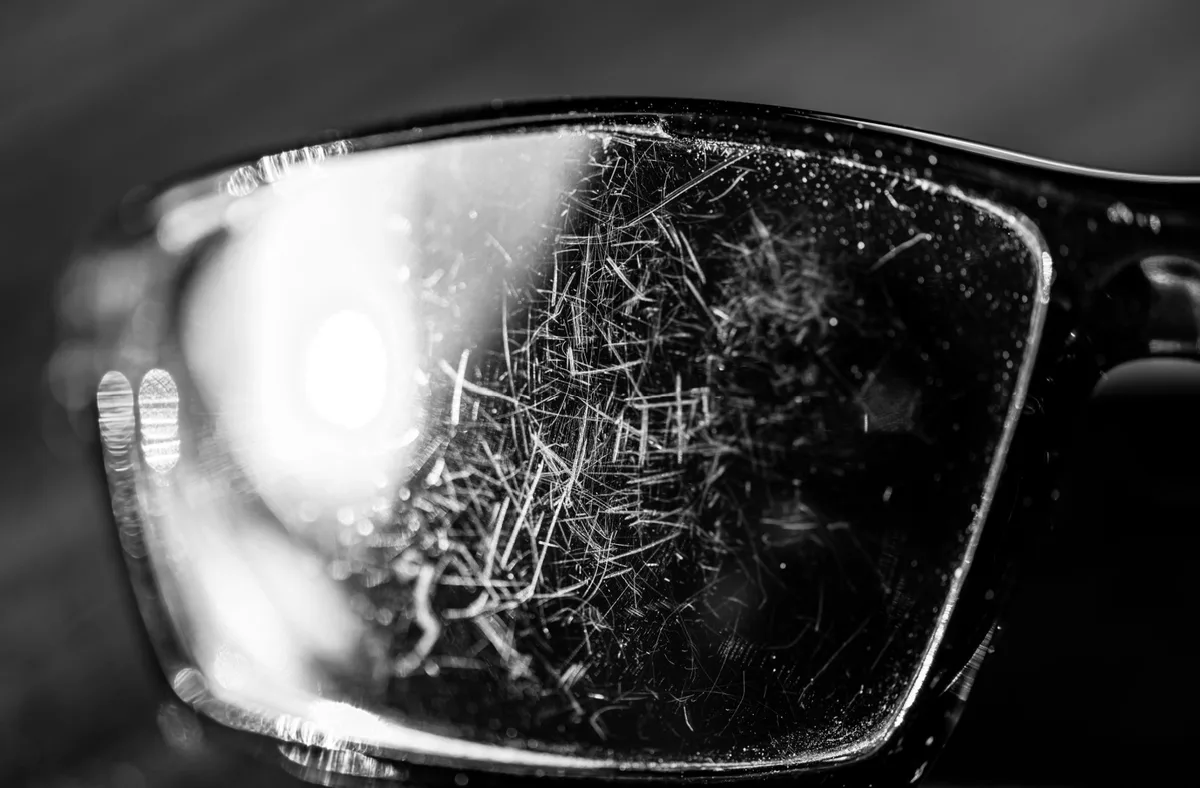
So you've got a scratch on your glasses and you're wondering, can opticians remove scratches from glasses? It's a fair question. You likely spent a good chunk of change on those lenses, and the idea of replacing them over a single hairline mark stings.
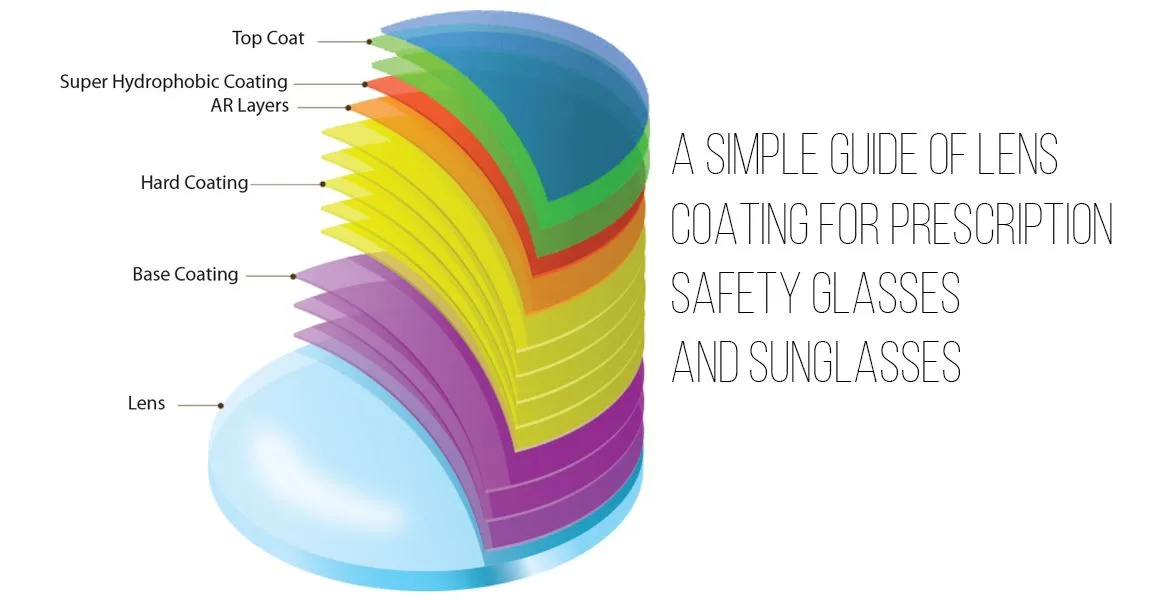
The short answer is: sometimes yes, but it's more complicated than most people expect. In our research, manufacturer specifications indicate that a typical anti-reflective coating stack is only 5 to 15 microns thick. That's thinner than a human hair.
The depth of your scratch relative to that coating is the deciding factor. Let's walk through what your optician will actually check and what options you realistically have.
Quick Answer
Yes, an optician can remove some scratches. Surface scratches on uncoated plastic lenses are often repairable. Deep scratches or scratches through an anti-reflective coating usually require lens replacement.
Your optician will inspect the lens first. The cost of removal is often $15 to $40 per lens. Replacement is typically $75 to $200 per lens.
The Scratch Problem: When Your Lenses Look Cloudy
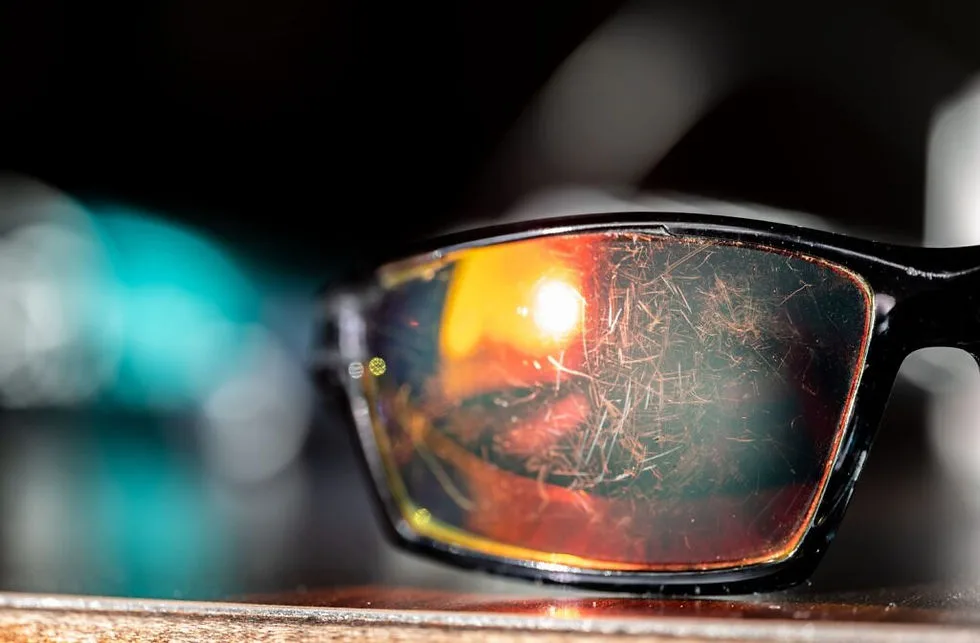
A scratch on your glasses is more than a cosmetic annoyance. It scatters light as it passes through the lens. That means glare, halos around streetlights at night, and a general haze that makes the world look slightly out of focus.
You might find yourself wiping the lens repeatedly, only to realize the smudge is actually a scratch.
This is especially frustrating with modern anti-reflective lenses. The coating itself is soft relative to the glass or plastic underneath. So a scratch on the coating looks like a deep gouge, but the actual lens material may be untouched.
Conversely, a scratch on the bare lens can be shallow enough to buff out.
The problem is that most people don't know what they're looking at. They see a mark and assume the whole lens is ruined. But an optician has tools and training to assess the damage.
They can tell you in about 30 seconds whether it's a coating scratch or a lens scratch. That distinction is everything.
What Opticians Check First: Lens Material, Coating, and Scratch Depth
When you bring your scratched glasses to an optician, they will check three things. The first is the lens material. CR-39 plastic is the most common standard lens.
It's relatively soft and easy to polish. Polycarbonate is tougher but also softer. High-index lenses are harder and more brittle.
Trivex sits in the middle.
The second check is the coating. About 80% of prescription lenses sold today have an anti-reflective coating, according to industry reports. Scratch-resistant hard coatings are also common.
Your optician will look at the scratch under magnification. They will check if the scratch is on the coating surface or has penetrated through to the plastic.
The third check is the scratch depth. The optician will run a fingernail gently across the scratch. If your nail catches, the scratch is deep.
If it glides over without resistance, the scratch is likely surface-level. This simple test is surprisingly accurate. It tells the optician whether polishing is even worth attempting.
The Decision Tree: Can an Optician Remove That Scratch?
Here is the decision tree your optician follows. It starts with the coating check.
If the scratch is on the anti-reflective coating:
- The coating is damaged. Polishing will remove the coating entirely in that spot, leaving a cloudy patch.
- The only fix is to strip the coating completely and reapply it, or replace the lens.
- Most opticians do not offer in-house coating removal. It's a lab process.
- Verdict: Replacement is usually the only option.
If the scratch is on an uncoated plastic lens:
- The optician will check depth with the fingernail test.
- If the nail does not catch, the scratch is shallow. Polishing with cerium oxide or diamond paste on a buffing wheel can remove it.
- If the nail catches, the scratch is too deep. Polishing would change the lens curvature and affect your prescription.
- Verdict: Shallow scratches on uncoated lenses are repairable. Deep scratches are not.
If the scratch is on a coated lens but the coating is scratch-resistant:
- The hard coat is tougher. A shallow scratch may still be buffable, but the risk of damaging the coating is high.
- Many opticians will decline to try because the warranty is voided if the coating peels later.
- Verdict: Rarely attempted. Replacement is safer.
Common Mistakes That Ruin Lenses (and Void Your Warranty)
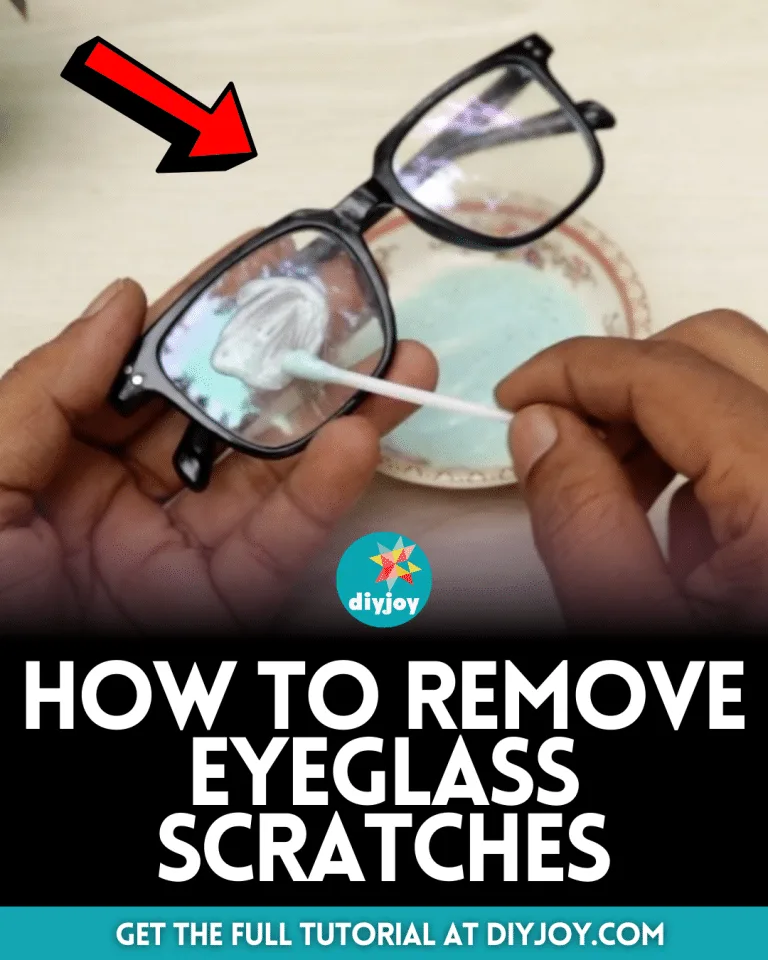
The internet is full of DIY scratch removal hacks. Toothpaste, baking soda, car wax, even nail polish. These sound like they might work.
In reality, they almost always make things worse.
Toothpaste is an abrasive. It will sand down the lens surface unevenly. This creates a cloudy, frosted appearance that is worse than the original scratch.
You might remove the scratch, but you'll lose clarity across the whole lens. Baking soda is even more abrasive. It acts like fine sandpaper.
Car wax fills scratches temporarily. It doesn't remove them. The wax wears off in a few days, and the scratch reappears.
Meanwhile, the wax residue can seep into the edges of the frame and attract dirt. Nail polish is a thick solvent. It can melt the plastic lens material, leaving a permanent distorted spot.
Beyond the damage, these attempts void your warranty. Every major lens manufacturer, including Essilor and Zeiss, states that physical damage from scratches or improper cleaning is not covered. If you try a DIY fix and ruin the coating, your optician has no obligation to honor the warranty.
Replacement is then entirely out of pocket.
What It Costs vs. Replacing Your Lenses
Let's talk numbers. The cost of professional scratch removal, if your optician offers it, is usually $15 to $40 per lens. That is a fraction of the cost of new lenses.
But it's only available for uncoated plastic lenses with shallow scratches.
| Option | Cost per lens | Time required | Best for |
|---|---|---|---|
| Professional polish | $15 to $40 | 10 to 20 minutes in-office | Shallow scratches, uncoated lenses |
| Lens replacement (single vision) | $75 to $200 | 1 to 7 days | Deep scratches, coated lenses, high-index |
| Lens replacement (progressive) | $200 to $600 | 3 to 14 days | Deep scratches, coated lenses, progressives |
| Full new glasses | $100 to $600+ | Same day to 7 days | Any scratch, frame damage, or outdated Rx |
The math is simple. If your lenses are uncoated and the scratch is shallow, $15 to $40 is a bargain. You keep the frame and the prescription.
If your lenses are coated, the scratch is deep, or the lens is high-index, you are almost always better off replacing the lens. Trying to polish a coated lens usually ruins the coating, and then you have to replace it anyway.
One more thing. If your glasses are within the first year of purchase, check your warranty. Some manufacturers offer a one-time free replacement for scratches within the first year.
That coverage is typically for manufacturing defects, but some retailers include accidental damage coverage. It never hurts to ask.
Frequently Asked Questions
Can an optician fix scratches on anti-reflective coated lenses?
No, not in most cases. The scratch is in the coating itself, not the lens. Polishing removes the coating and leaves a cloudy patch.
The only real fix is to strip the coating and reapply it, or replace the lens entirely.
Does toothpaste really remove scratches from glasses?
No. Toothpaste is an abrasive that sands down the lens surface unevenly. It creates a cloudy, frosted look that is worse than the original scratch.
It also voids your warranty. Professional polish is the only safe option.
How much does it cost to get scratches removed from glasses?
Professional scratch removal costs $15 to $40 per lens if your optician offers it. This is only for uncoated plastic lenses with shallow scratches. Lens replacement costs $75 to $600 per lens depending on the type and prescription.
Can I use baking soda to remove scratches from my glasses?
No. Baking soda is a mild abrasive. It will scratch the lens further and damage any anti-reflective or scratch-resistant coating.
It is not a safe or effective method for eyewear.
How long does a professional scratch removal take?
If your optician offers the service, it takes about 10 to 20 minutes in-office. The optician uses a buffing wheel with a polishing compound like cerium oxide. No need to leave your glasses overnight.
What happens if my optician says the scratch is too deep?
They will recommend lens replacement. A deep scratch has penetrated the lens material itself. Polishing it would change the curvature of the lens and alter your prescription.
Replacement is the only safe option.
Your Next Step: How to Get a Straight Answer from Your Optician
Here is what to do. Walk into your optician's shop with your glasses and ask for a scratch assessment. Most shops will do this for free.
They will check the lens material, the coating, and the scratch depth.
Ask them three questions. First, is the scratch on the coating or the lens itself? Second, can you polish it without damaging the lens?
Third, what is the cost compared to replacement?
If they say it's repairable, ask about the warranty. Does the polish void any existing coverage? If they say it's not repairable, ask for a lens replacement quote.
Compare that to the cost of a whole new pair of glasses.
One final tip. As of 2026, most chain optical retailers do not offer scratch removal services. Independent opticians are more likely to offer it.
If you have a local independent shop, start there. They have the tools and the experience to give you an honest answer.
The bottom line is simple. Don't throw money at new lenses before you know the facts. A quick 30-second check by an optician can save you $75 to $200 or more.
And if the scratch is shallow and your lens is uncoated, you are looking at a $15 fix that takes 20 minutes. That is a win worth walking in for.

Similar Posts