Yes, You Can Microwave Glass—But Read This First
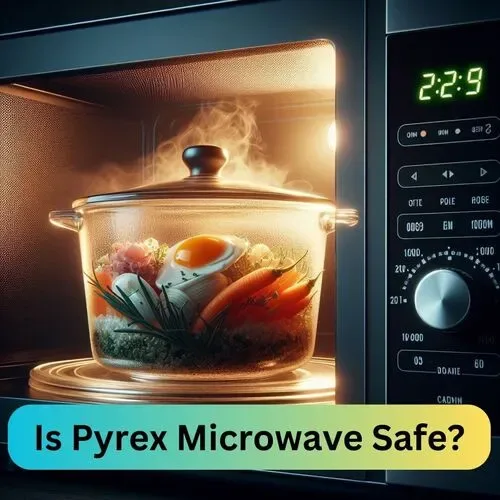
Can glass go in the microwave? The short answer is yes, but only if it's the right kind of glass. Not all glass handles heat the same way.
Get it wrong and you're dealing with shattered containers, ruined food, and a messy cleanup.
What many people don't realize is that glass has a specific thermal tolerance. Per ASTM International C1498 testing standards, glass that passes thermal shock resistance tests can handle temperature swings of up to 200°F without cracking. Most microwave-safe glassware is designed to withstand these rapid changes.
The tricky part is knowing which pieces in your kitchen are safe and which are accidents waiting to happen.
Quick Answer
Yes, glass can go in the microwave. But only if it's labeled microwave safe. Tempered glass and borosilicate glass are the safest types.
Check the bottom of any container before microwaving. When in doubt, transfer food to a microwave-safe dish.
The Two Types of Glass That Matter Most
When we talk about microwave safety, two glass types dominate the conversation. Borosilicate glass and soda-lime glass. They behave very differently under heat.
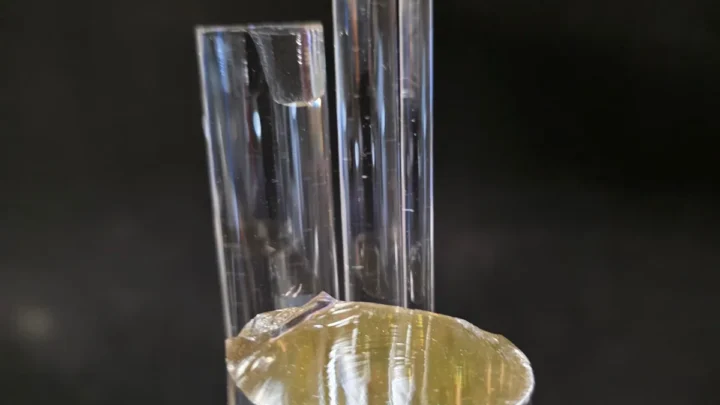
Borosilicate glass is the gold standard for microwave safety. It's made with silica and boron trioxide. This gives it a low thermal expansion coefficient.
That's a fancy way of saying it doesn't expand much when heated. Manufacturers like Schott and Duran produce this type for lab equipment and high-end cookware. It can handle rapid temperature changes without cracking.
Soda-lime glass is the common glass found in most household drinkware and food containers. It's cheaper to produce and more widespread. But it has a higher thermal expansion coefficient.
It expands more when heated. This makes it more prone to thermal shock. A cold glass dish placed in a hot microwave can crack or shatter.
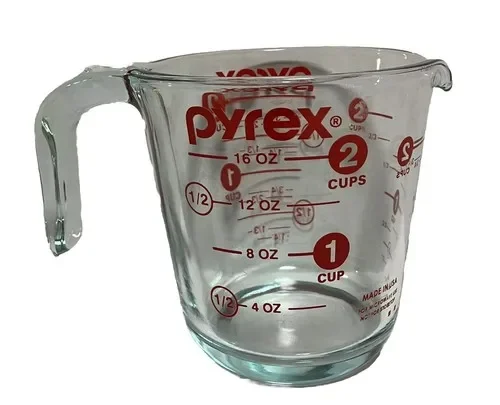
Modern Pyrex sold in the United States uses soda-lime glass. European Pyrex still uses borosilicate. That difference matters a lot when you're microwaving.
To identify borosilicate glass, look for markings like "oven safe" or "borosilicate" on the bottom. Soda-lime glass often has no special markings. If you see a label that says "not for microwave use," that's soda-lime glass.
The key takeaway is simple. If you own high-quality borosilicate glassware, you're in good shape. If you own standard soda-lime glass, you need to be more careful.
Always check for the microwave-safe label before assuming it's safe.
The 3-Step Decision Tree for Microwave Safety
Here's a simple three-step process to determine if any glass item is safe to microwave. Follow these steps in order.
Step 1: Check for a Microwave-Safe Label
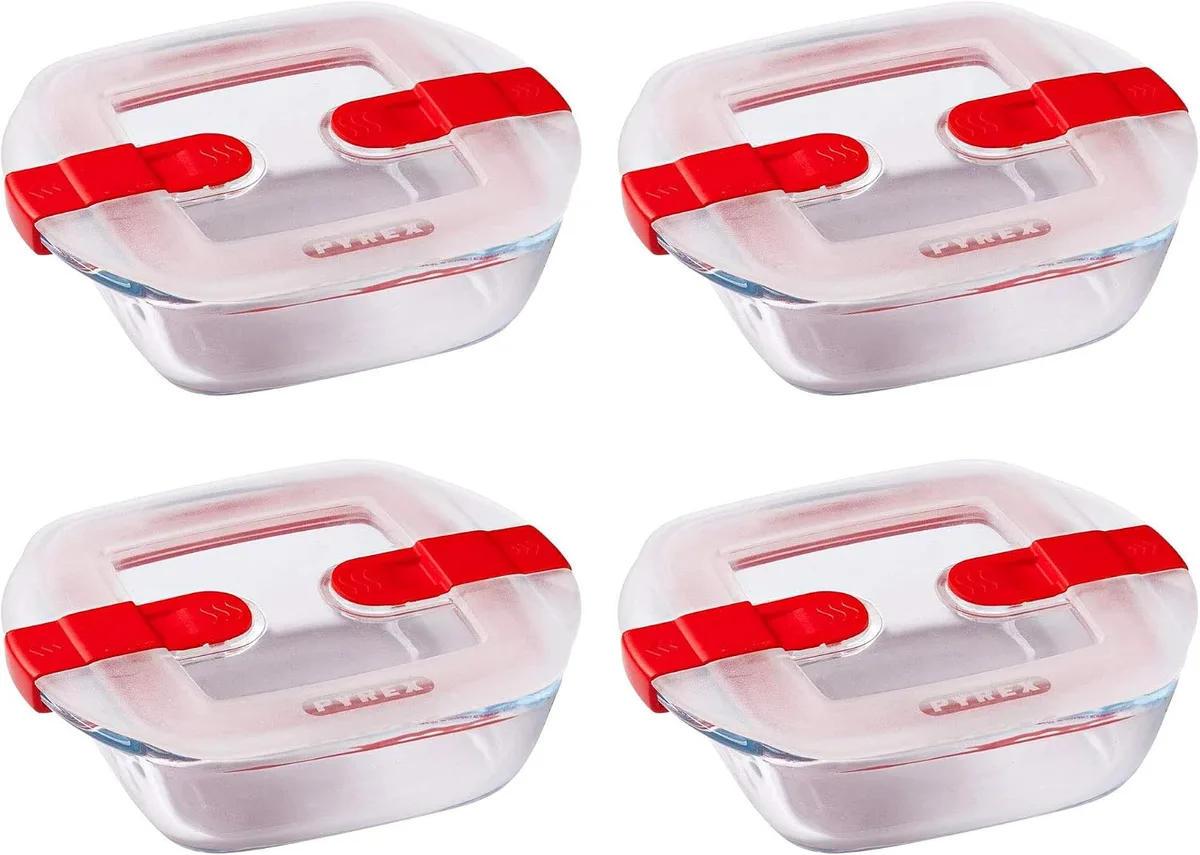
Look at the bottom of the glass container. Most manufacturers stamp a microwave-safe symbol there. It looks like a small square with wavy lines inside.
Some containers just say "Microwave Safe" in plain text. If you see either of these, the glass has passed standard safety testing. You're good to go.
If there's no label, move to step 2.
Step 2: Inspect the Glass for Damage
Hold the glass up to the light. Look for any cracks, chips, or stress fractures. Even tiny hairline cracks can cause a container to shatter under heat.
Also check for scratches on the surface. Scratches create weak points where the glass can fail.
If you see any damage, do not microwave it. If the glass looks perfect, move to step 3.
Step 3: Perform the Water Test
Fill the glass container with water. Place it in the microwave on high for one minute. If the glass stays cool to the touch while the water gets hot, it's safe for microwave use.
If the glass itself gets hot, that means it's absorbing microwave energy. That's a sign it's not suitable for microwaving.
This test works because water absorbs microwaves efficiently. If the glass is getting hot instead of the water, the glass is not microwave-safe.
If the glass passes all three steps, you can use it with confidence. If it fails any step, transfer the food to a known microwave-safe container.
Common Mistakes That Crack or Shatter Glass
Even microwave-safe glass can fail if you use it wrong. Here are the most common mistakes people make.
Heating Cold Glass Directly
This is the number one cause of shattered glass. Taking a glass container straight from the refrigerator and putting it in the microwave creates extreme thermal shock. The cold glass expands rapidly in one spot while staying cold in another.
That stress causes cracks.
Always let cold glass sit at room temperature for a few minutes before microwaving. Even five minutes can make a difference.
Using Glass with Metal Trim
Many decorative glasses have gold or silver rims. These metallic trims can spark in the microwave. They can also cause the glass to overheat and crack.
Inspect the rim of any glassware before microwaving. If you see any metallic paint or trim, don't use it.
Overheating for Long Periods
Glass can only handle so much heat for so long. Extended microwave cycles above five minutes at high power can cause even borosilicate glass to fail. If you're cooking something that takes longer, use a microwave-safe ceramic dish instead.
Glass is best for reheating, not long cooking sessions.
Placing Glass on a Cold Surface After Microwaving
Once the glass is hot, don't put it on a cold countertop or wet surface. The sudden temperature difference can cause it to crack. Use a trivet or a dry dish towel.
Let the glass cool down gradually.
Using Old or Damaged Glass
Glass degrades over time. Vintage glassware from the 1970s or earlier may have unseen damage. Older glass formulas didn't undergo the same safety testing as modern microwave-safe glass.
When in doubt, don't risk it.
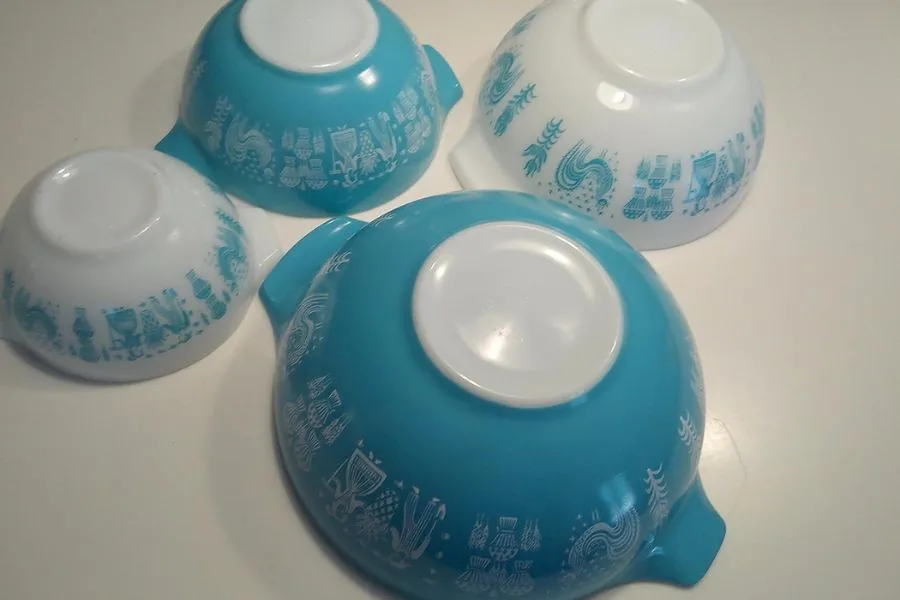
Vintage Pyrex made before 1998 in the US used borosilicate glass and is generally safe. But the seals and painted decorations on older pieces can contain lead. That's a different health concern entirely.
What About Pyrex, Glass Lids, and Vintage Glassware?
This is where things get specific. Let's break down the most common glass items people ask about.
Pyrex Glassware
Pyrex is the most famous brand of glass bakeware. But here's the catch. Modern Pyrex sold in the United States uses soda-lime glass.
European Pyrex uses borosilicate glass. The soda-lime version is more prone to thermal shock. You can still microwave it safely.
But you need to be more careful about temperature changes. Never put a cold Pyrex dish directly into a hot microwave. Let it warm up first.
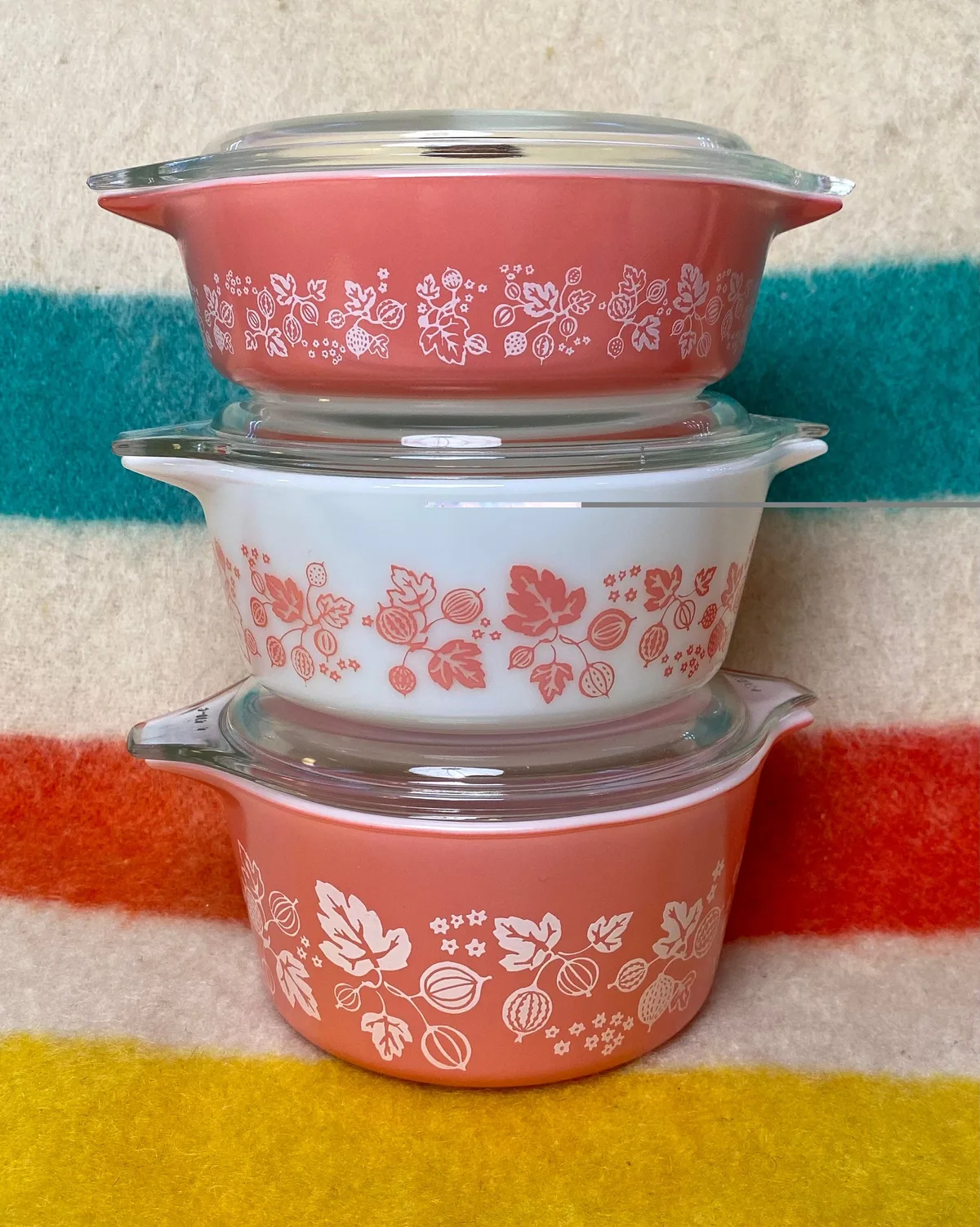
If you have vintage Pyrex from before 1998, it's likely borosilicate and more durable. But still check for chips and cracks before using it.
Glass Lids
Glass lids are common on pots, pans, and storage containers. Most glass lids are tempered glass, which is microwave-safe. But check the lid for a metal rim or metal knob.
If the lid has any metal parts, remove them before microwaving. Some glass lids also have a small vent hole. That's fine.
It releases steam.
Vintage Glassware
Vintage glassware is a different story. Many older glasses, especially those from the 1940s to 1970s, contain lead or cadmium. These heavy metals can leach into food when heated.
The U.S. Food and Drug Administration has tightened regulations on lead in glassware, but vintage pieces aren't covered. Don't microwave vintage glassware that you're unsure about.
Glass Baby Bottles and Food Jars
Most modern glass baby bottles are made from borosilicate glass and are microwave-safe. But always remove the nipple and ring before microwaving. Glass food jars, like those for baby food, are often tempered glass.
They can go in the microwave, but only for short periods. Remove the metal lid first.
Glass vs. Plastic vs. Ceramic: Which Is Safer?
When you're deciding what to microwave in, glass isn't your only option. Plastic and ceramic are common alternatives. Each has strengths and weaknesses.
Glass
Glass is the safest overall choice for microwave use. It doesn't leach chemicals into food. It's non-porous, so it won't absorb odors or stains.
It heats evenly when it's the right type. The main downside is weight and fragility. Drop a glass container and it's done.
Thermal shock remains a concern with soda-lime glass.
Plastic
Plastic is lightweight and shatterproof. That's why so many microwave-safe containers are plastic. But not all plastic is microwave-safe.
Look for the microwave-safe label on the bottom. Even microwave-safe plastic can degrade over time. Scratched or warped plastic can release BPA and other chemicals into food.
The FDA regulates these materials, but many consumers replace plastic containers more often than glass.
Never microwave plastic that isn't labeled microwave-safe. Never microwave single-use plastic containers like takeout boxes or yogurt cups. They're not designed for high heat.
Ceramic
Ceramic is another excellent choice for microwaving. Most ceramic dishes are microwave-safe. They handle heat well and distribute it evenly.
The big warning is about glazes and decorations. Some ceramic glazes contain lead or other heavy metals. These can leach into food when heated.
Vintage ceramic dishes are especially risky. Modern ceramic from reputable manufacturers is generally safe. Look for a microwave-safe label or a "lead-free" statement.
Who Each Option Is Best For
| Material | Best For | Watch Out For |
|---|---|---|
| Glass | Daily reheating, meal prep, long-term storage | Thermal shock, breakage |
| Plastic | Kids' lunchboxes, travel, lightweight needs | Chemical leaching, scratches |
| Ceramic | Serving dishes, oven-to-table use | Lead in glazes, chips |
The Verdict
Glass wins for safety and durability when used correctly. Ceramic is a close second. Plastic is convenient but requires more caution.
If you're meal prepping or reheating leftovers regularly, invest in good borosilicate glass containers. They last longer and perform better.
Frequently Asked Questions
Can I microwave a glass cup without a label?
If there's no microwave-safe label, do the water test first. Fill the cup with water and microwave for one minute. If the cup stays cool, it's likely safe.
If it gets hot, don't use it.
Why did my glass crack in the microwave?
The most common cause is thermal shock. Cold glass placed directly into a hot microwave expands unevenly. Cracks form at weak points.
Always let glass warm to room temperature before microwaving.
Can I microwave Pyrex from the fridge?
Modern Pyrex uses soda-lime glass, which is more prone to thermal shock. Let it sit at room temperature for 5 to 10 minutes before microwaving. Never go straight from fridge to microwave.
Is vintage glassware safe to microwave?
Vintage glassware often contains lead or cadmium. These heavy metals can leach into food when heated. Don't microwave vintage glass unless you're certain it's lead-free.
The FDA now restricts lead in glassware, but vintage pieces predate those regulations.
How do I clean glass after microwaving?
Let the glass cool down first. Use warm soapy water and a soft sponge. Avoid abrasive scrubbers that can scratch the surface.
Scratches create weak points for future thermal shock. Most microwave-safe glass is dishwasher safe, but check the label.

Similar Posts