Can You Microwave Pyrex? Safety Tips You Should Know
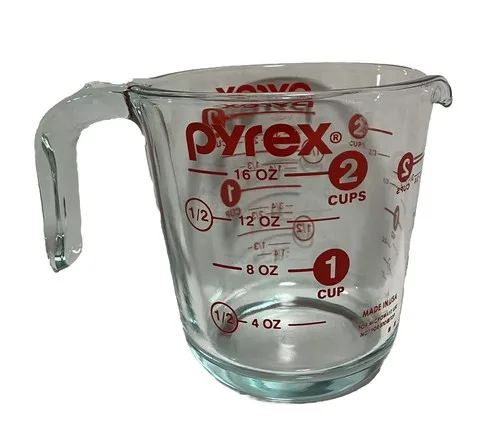
You're standing in front of the microwave, Pyrex dish in hand, wondering if it's safe. The question "is pyrex glass microwave safe" pops up because you've heard the horror stories. The short answer is yes, but it's not a universal green light.
Manufacturer specifications indicate that current Pyrex handles typical microwave heat. However, aggregate reviews and incident reports show that sudden temperature changes are the real culprit. Let's untangle this so you can microwave with confidence.
Quick Answer
Yes, Pyrex glass is microwave safe. But only if the dish is undamaged. The real risk is not the microwave.
It is thermal shock. Old Pyrex handles it better than new Pyrex. Always check for chips first.
The Short Answer (and Why It Gets Complicated)
The quick answer is yes, but it gets complicated fast. The safety of your Pyrex depends on which version you own and how you treat it.
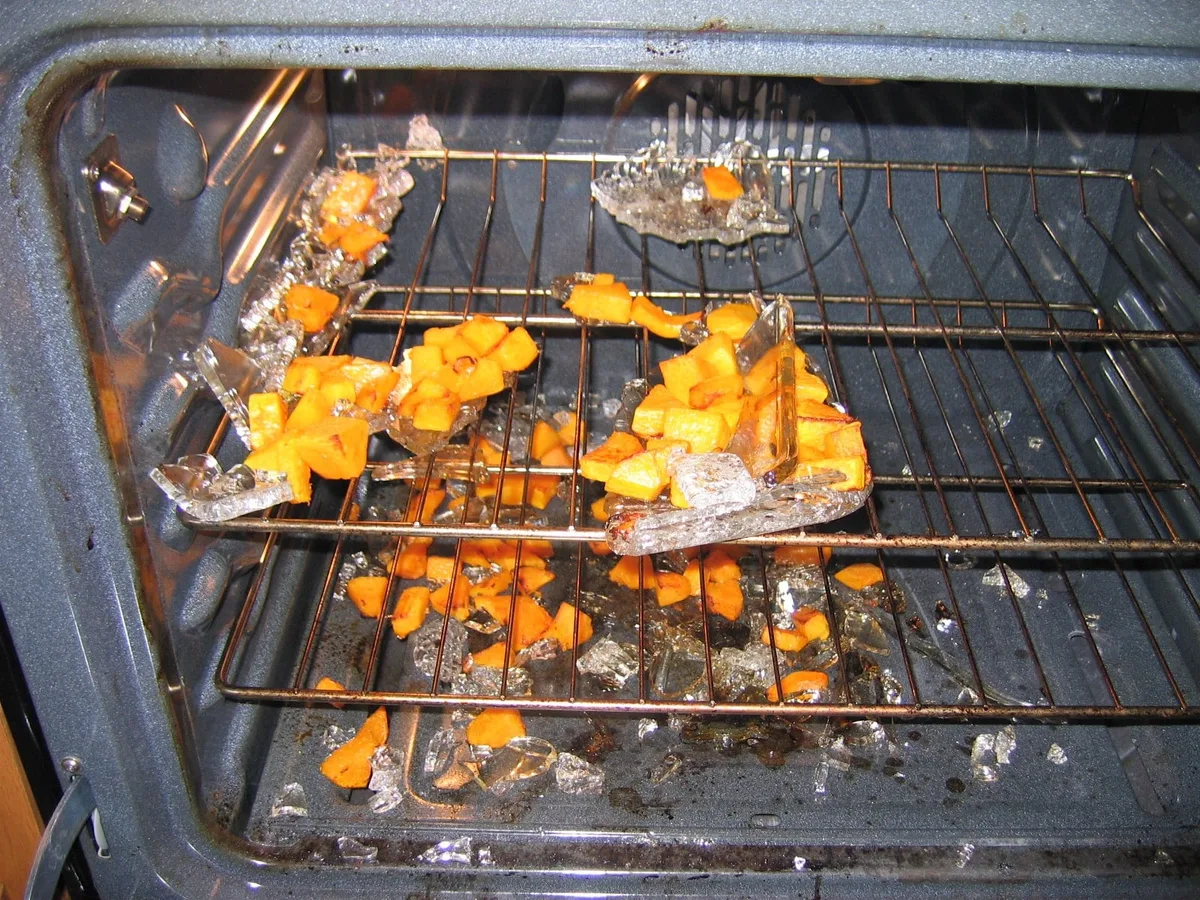
Current Pyrex uses soda-lime glass. It has lower thermal shock resistance than the borosilicate glass used before 1998. Thermal shock happens when a dish goes from extreme cold to extreme heat too quickly.
The microwave is not the enemy. The temperature delta is the enemy.
Most breakages in microwaves occur when a dish goes straight from the freezer into the microwave. Another common cause is placing a hot dish on a wet countertop. The glass is not defective.
The usage is incorrect.
The Real Difference: Old Pyrex vs. New Pyrex
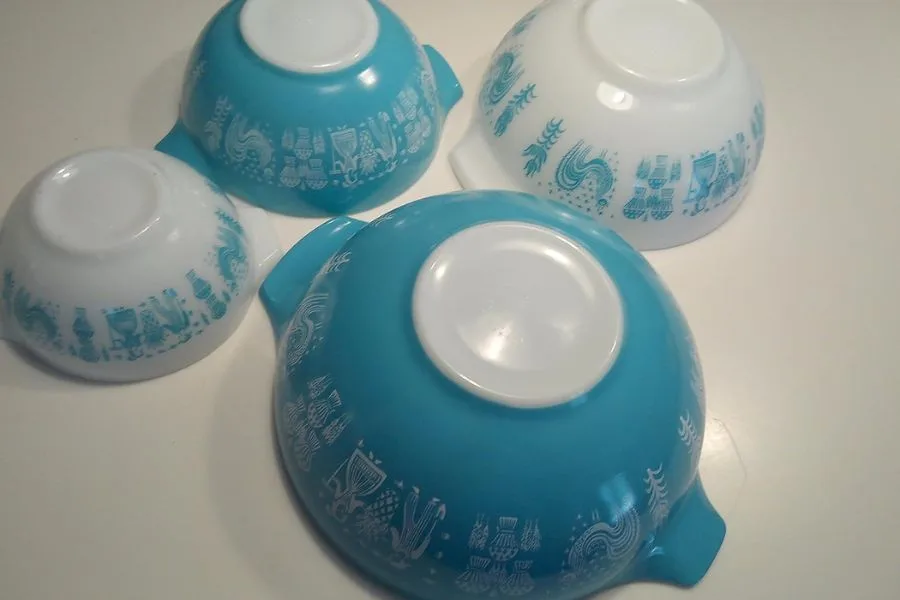
This is the core of the decision tree. Old Pyrex is borosilicate glass. New Pyrex is soda-lime glass.
Understanding this distinction changes how you use your dishes.
| Feature | Old Pyrex (Pre-1998) | New Pyrex (Post-1998) |
|---|---|---|
| Material | Borosilicate Glass | Soda-lime Glass |
| Thermal Shock Resistance | High (handles ~165°C delta) | Lower (handles ~30-40°C delta) |
| Identifying Mark | "PYREX" (all caps) | "pyrex" (lowercase) or "Pyrex" |
| Risk in Microwave | Very low if undamaged | Moderate with sudden temperature changes |
Borosilicate glass was originally chosen for its exceptional heat resistance. In 1998, Corning sold the Pyrex brand. The new manufacturer switched to soda-lime glass to reduce costs.
Soda-lime is more durable against physical impacts. It is significantly more vulnerable to thermal shock. This is the single most important fact about your Pyrex.
How to Identify Which Pyrex You Own
You need to determine which type you have before you microwave anything. Here is how to do it.
Check the Logo:
All caps "PYREX" generally indicates older borosilicate glass. Lowercase "pyrex" or "Pyrex" indicates modern soda-lime glass.
Check the Weight:
Old Pyrex feels noticeably lighter than new Pyrex. Soda-lime glass is denser. Pick it up and compare it to a dish you know is modern.
The difference is clear.
Check the Batch Code:
Look for a two-digit year code in the glass stamp. A code like "98" or "99" marks the transition period.
The Blue Tint Test:
Hold the dish up to the light. Borosilicate glass often has a slight blue tint at the edges. Soda-lime glass has a green tint, though it is harder to see in small pieces.
Check the Label:
Look for "Microwave Safe" on the bottom. If it is there, you are good to go. The label is a reliable indicator from the manufacturer.
Once you know which type you have, adjust your microwave habits accordingly. Old Pyrex is forgiving. New Pyrex needs more care.
The Safe Microwaving Workflow (Step by Step)
Follow these steps to eliminate almost all risk.
| Step | Action | Why It Matters |
|---|---|---|
| 1 | Inspect the dish. | Chips or cracks concentrate stress and cause breakage. |
| 2 | Check the label. | Confirms the manufacturer's safety rating. |
| 3 | Let it sit. | If the dish is fridge-cold, let it rest on the counter for 5 minutes. |
| 4 | Add food or liquid. | Never microwave an empty Pyrex dish. |
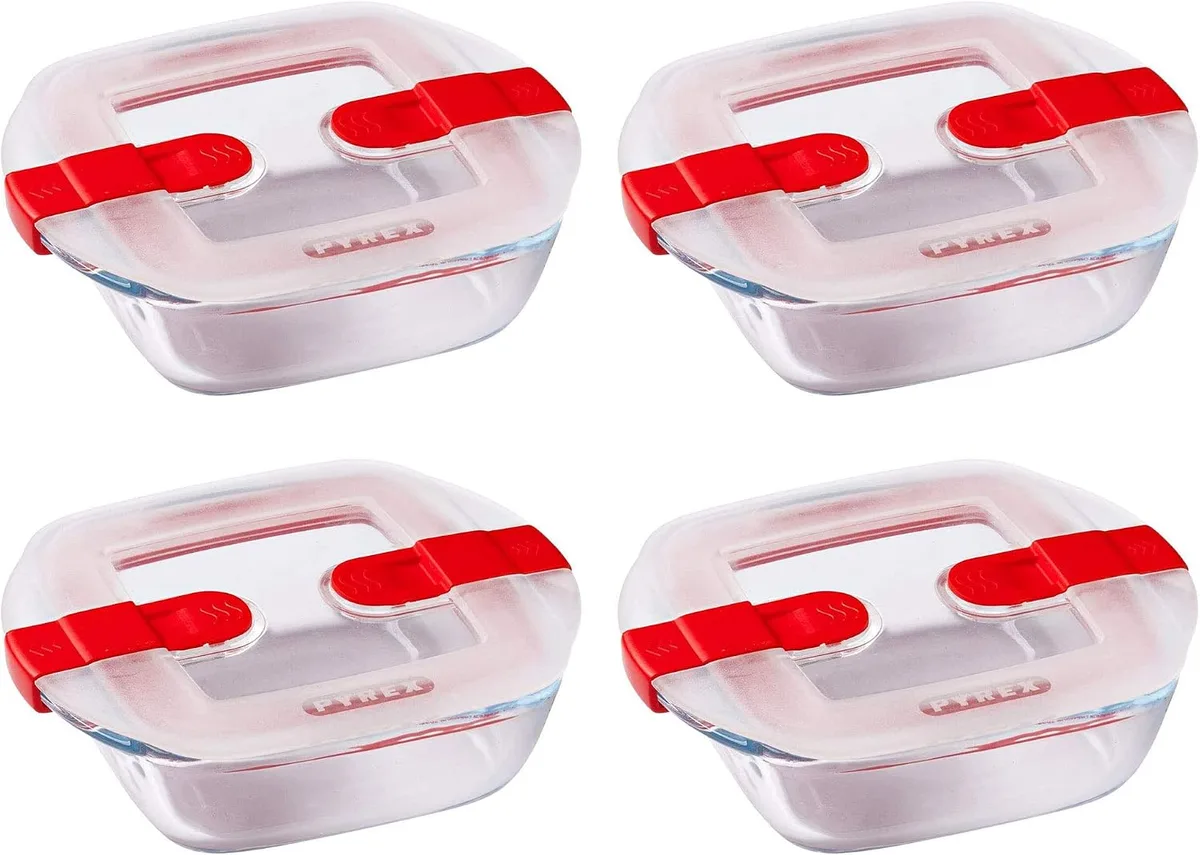
| 5 | Use a vented lid. | Prevents splatters but allows steam to escape. |
| 6 | Place it in the center. | Avoids hot spots near the microwave walls. |
| 7 | Microwave in short bursts. | 1-2 minutes at a time for even heating. |
| 8 | Let it rest. | Leave it in the microwave for 1 minute before handling. |
| 9 | Remove carefully. | Use a dry, thick towel. Place on a dry surface. |
The key takeaway is simple. Avoid extreme temperature changes. If you are reheating soup, take it out of the fridge and let it sit for a few minutes.
Small steps, big safety payoff.
5 Mistakes That Can Shatter Your Pyrex
These are the most common errors reported in user reviews and safety forums. Avoid them.
1. Freezer to Microwave in One Step
This is the number one cause of breakage. The temperature difference is too great. Let it thaw in the fridge first.
Or take it out 15 minutes ahead.
2. Microwaving an Empty Dish
The glass absorbs the microwave energy directly. It heats up much faster than food would. This causes uneven heating and stress fractures.
3. Placing Hot Pyrex on a Wet or Cold Surface
A hot dish on a cold granite countertop creates localized thermal shock. Always use a dry, room-temperature surface.
4. Using the Broiler or Stovetop
Pyrex is not designed for direct heat. The microwave and oven are fine. Never put it on a burner or under a broiler.
The direct heat is too intense.
5. Ignoring Existing Damage
A small chip or hairline crack is a stress concentration point. That dish is a ticking time bomb. Retire it immediately.
Real Scenarios: When Pyrex Breaks and Why
Understanding real breakages helps you avoid the same fate. Here are the most common scenarios.
Scenario 1: The Frozen Soup Reheat
A user takes a Pyrex container straight from the freezer and places it into a preheated microwave. Within 90 seconds, the dish cracks along the bottom edge. The cause is a temperature delta exceeding 100°C.
Scenario 2: The Wet Countertop Trap
A dish finishes microwaving and is placed directly on a wet granite countertop. The glass is around 80°C. The countertop is 15°C.
The rapid localized cooling creates a stress fracture that spreads across the base.
Scenario 3: The Empty Dish Mistake
A Pyrex measuring cup is microwaved for 60 seconds with nothing inside. The glass absorbs the energy directly and heats unevenly. A circular crack appears near the handle attachment point.
| Scenario | Root Cause | Temperature Delta | Result |
|---|---|---|---|
| Freezer to microwave | Thermal shock | 100°C+ | Cracked bottom |
| Hot dish on wet surface | Localized cooling | 65°C | Hairline fracture |
| Empty dish heating | Uneven absorption | N/A | Stress crack |
The consistent theme is abrupt temperature change. The microwave itself is rarely the problem. The problem is how you handle the glass before and after.
Frequently Asked Questions
Can I put Pyrex in the microwave every day?
Yes, you can use Pyrex in the microwave daily. The key is consistent habits. Let fridge-cold dishes rest on the counter for 5 minutes before microwaving.
Use short heating intervals. With these practices, the glass will last for years.
How do I know if my Pyrex is microwave safe?
Look for the "Microwave Safe" symbol on the bottom of the dish. It is a square with wavy lines inside. New Pyrex is labeled clearly.
Old Pyrex may not have a label, but it is still safe if undamaged.
Why did my Pyrex explode in the microwave?
Pyrex breaks in the microwave due to thermal shock. This happens when the dish experiences a rapid temperature change. Common causes include freezer-to-microwave transitions and placing a hot dish on a wet surface.
The glass is not defective. The usage is incorrect.
Can I microwave Pyrex with the lid on?
Yes, but only if the lid is vented. A sealed lid creates pressure buildup inside the dish. This pressure can cause the lid to pop off or the glass to crack.
Use a vented lid or leave it slightly ajar. Check the label on the lid itself.
What temperature can Pyrex handle in the microwave?
Pyrex is rated for microwave use up to approximately 200°C (392°F). The real risk is not the maximum temperature. It is the speed of temperature change.
Keep temperature shifts under 40°C for new Pyrex and under 100°C for old Pyrex.
Your Decision Guide: Is Your Pyrex Microwave Safe?
Here is a simple decision tree for your specific dish.
| Condition | Verdict | Action |
|---|---|---|
| Dish has chips or cracks | Not safe | Retire immediately |
| Dish is old Pyrex (all caps, lightweight) | Safe with care | Follow the workflow |
| Dish is new Pyrex (lowercase, heavier) | Safe with caution | Avoid thermal shock |
| Dish has no label | Unknown | Inspect and test gently |
| Dish is labeled "Microwave Safe" | Safe | Follow the label |
The final rule: Treat Pyrex with respect for temperature transitions. Do not rush it from freezer to microwave. Do not place it on a wet countertop.
The glass is not fragile. The temperature change is the only real enemy.
For absolute peace of mind, stick to these three principles. Let cold dishes warm up. Let hot dishes cool down slowly.
Never microwave an empty dish. That is the complete safety playbook.

Similar Posts