Liquid Glass Auto Polish: What Really Happened?
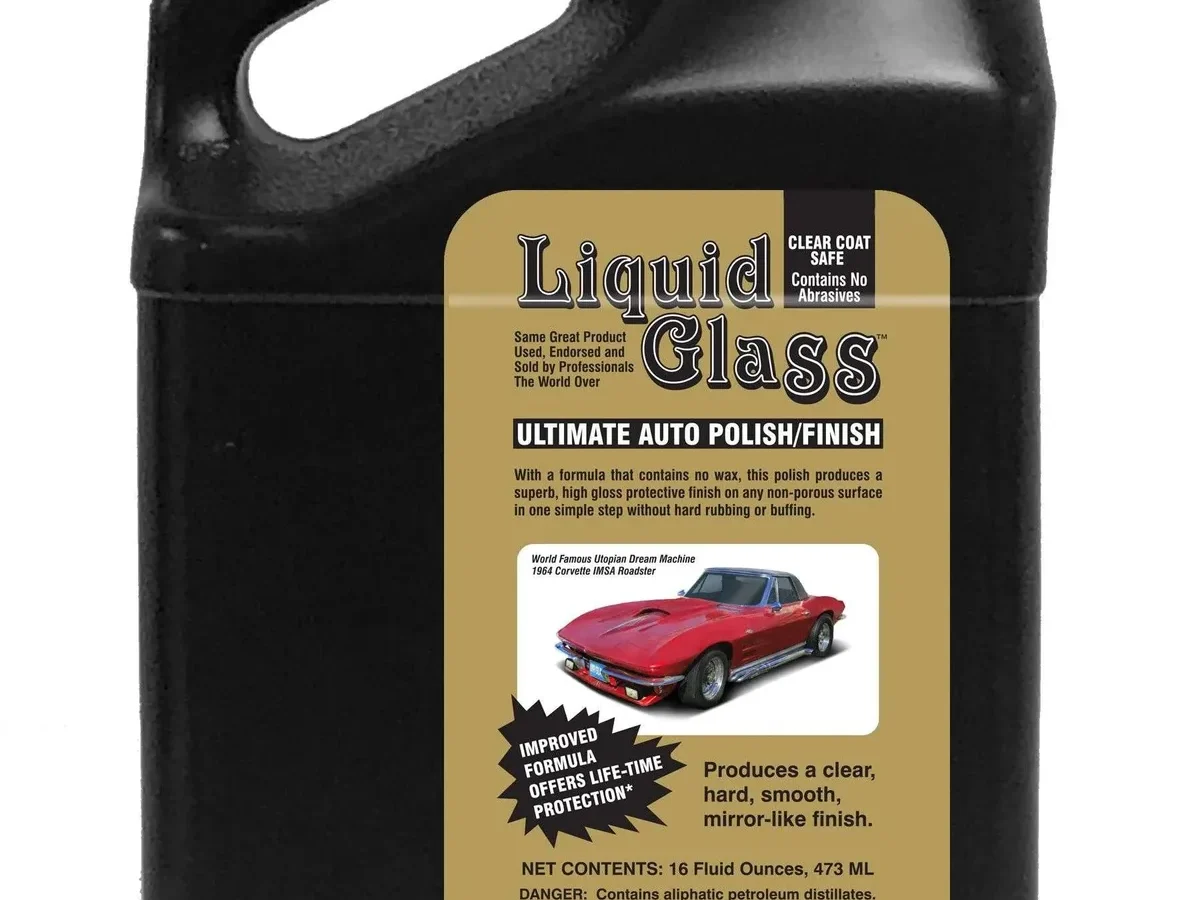
So, what happened to liquid glass auto polish? It's a question that comes up often in detailing forums, usually from someone who remembers the hype. The short answer is that it didn't disappear, but it got left behind by a wave of better technology.
Aggregate reviews from the last decade tell a clear story: a product that was once revolutionary became a niche choice for purists.
Manufacturer specifications indicated a solids content of over 30% by volume, which was huge for its time. That density gave it the "glass-like" hardness the name promised. But it also made application a nightmare for anyone who didn't have the patience of a saint.
By the mid-2010s, modern ceramic coatings offered a smoother path to the same result.
Quick Answer
Liquid glass auto polish was a high-solids paint sealant that promised "glass-like" hardness. It was popular in the 2000s but faded as modern ceramic coatings offered easier application and longer durability. The product still exists today but is a niche choice for enthusiasts willing to master its finicky application.
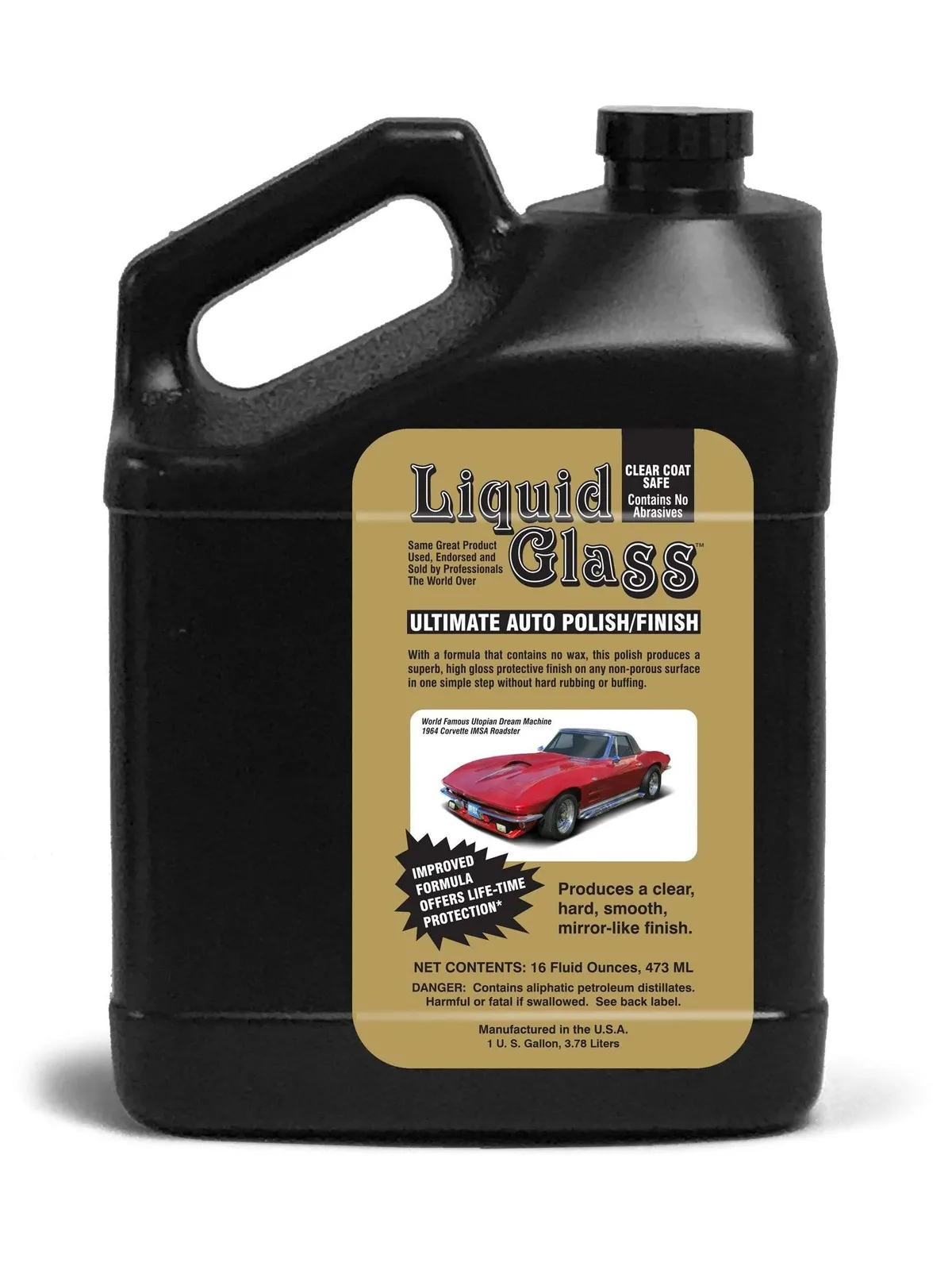
The Dream: A "Glass-Like" Finish That Lasted
The promise was simple. You apply this thick, milky liquid, let it cure, and your paint turns into a hard, glossy shell. It wasn't just a wax.
It was a chemical bond. The active ingredient was silicon dioxide, or SiO₂, suspended in a petroleum distillate carrier. When the solvent evaporated, the solids left behind a clear, hard layer.
The marketing played up the "glass" angle hard. It wasn't just a name. The finish felt genuinely different from carnauba wax or synthetic sealants.
It was slick. Almost like touching polished quartz. For show car owners and garage queens, that feel was addictive.
You could wash the car and the water would bead up like marbles on a freshly waxed hood.
But the dream came with a catch. The product required a strict environment. Ideal temperature was between 60 and 80 degrees Fahrenheit.
Direct sunlight was a dealbreaker. Humidity mattered too. Too dry and the liquid would flash before you could buff it.
Too humid and it would stay tacky for days. It was a product that demanded your full attention.
The Good: When It Worked, It Shone
When you got the application right, the results were undeniable. The gloss was deep, wet, and mirror-like. Dark paint, especially black or navy, looked like liquid metal.
The slickness lasted for months, not weeks. You could run your hand across the hood and feel zero drag.
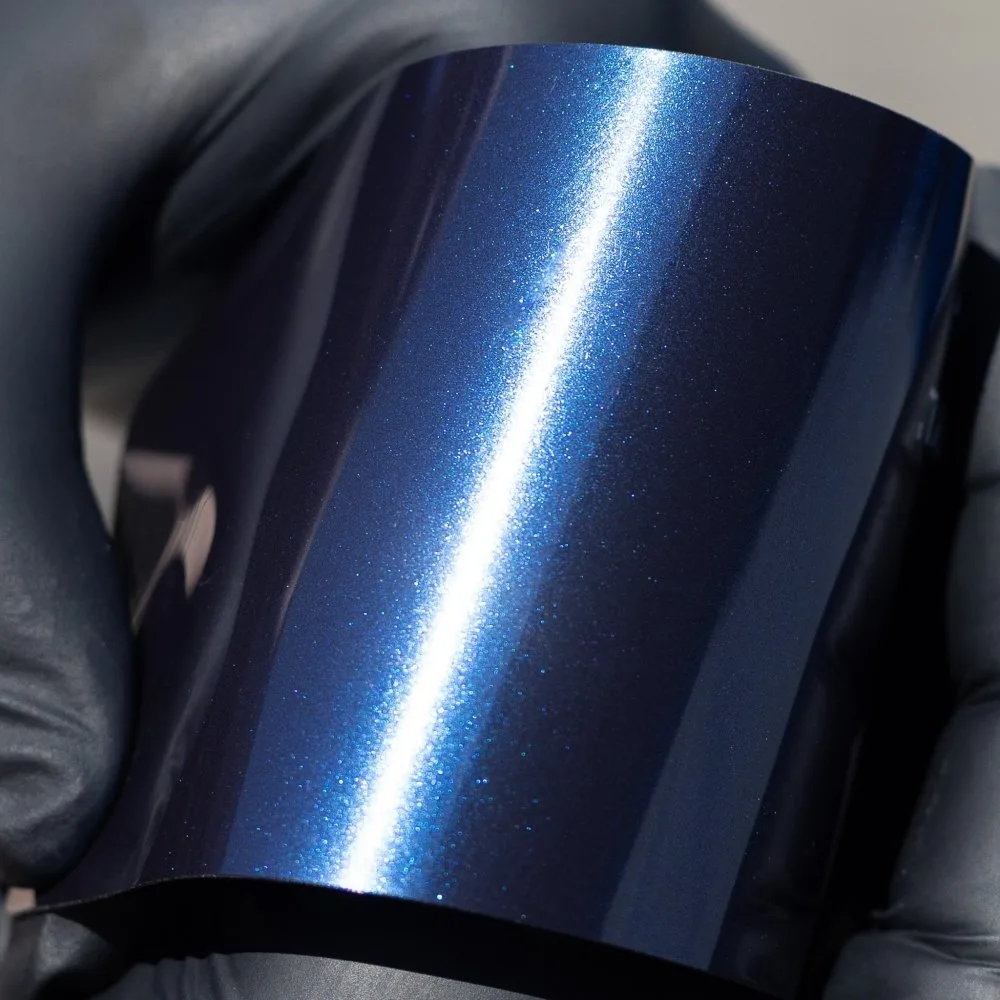
Chemical resistance was another strong point. Bird droppings and tree sap didn't etch into the paint as easily as they would with wax. You had a window of time to clean them off without permanent damage.
That was a big deal for people who parked outside.
The durability was also a step up from traditional wax. A high-quality carnauba wax might last four to six weeks in summer. Liquid glass could stretch to three months, sometimes six if the car was garage-kept and the prep was perfect.
For a product that cost around $30 a bottle, that was decent value. But there was a huge gap between the best-case scenario and the average experience.
The Bad: The Reality of Application
Here's where the romance ends. Application was the single biggest pain point. You had to apply a very thin, even coat.
Too thick, and it would streak, haze, or leave a ghostly residue that reappeared after rain. Too thin, and you wouldn't get the full durability.
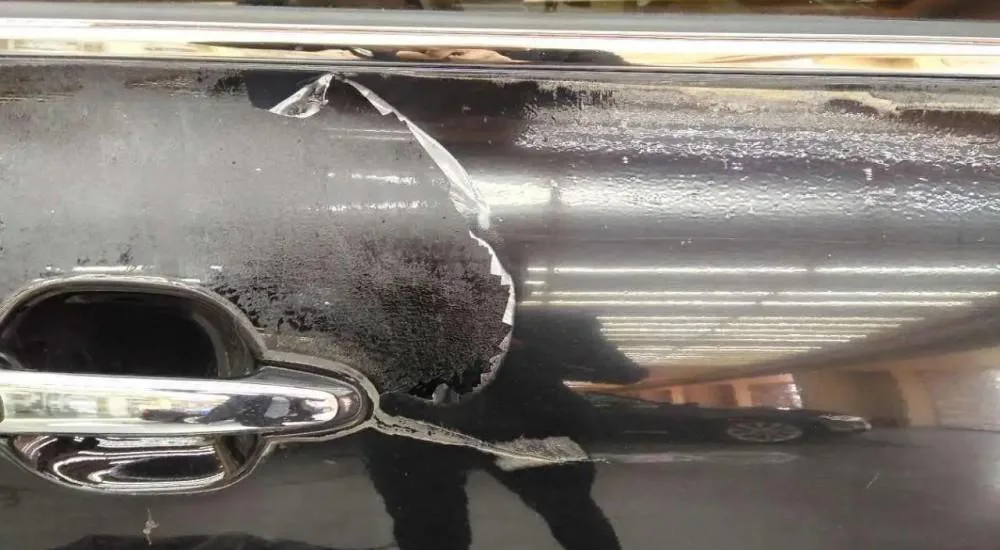
The product was also temperature-sensitive. If you applied it in direct sunlight, the petroleum distillate would flash off too fast, leaving a sticky mess. If you applied it in cold weather, the liquid would be too thick to spread evenly.
You basically needed a climate-controlled garage to get consistent results.
And then there was the removal. Buffing off the residue was a workout. The product dried to a hard film.
Wait too long, and you were scrubbing with a microfiber towel for far longer than you wanted. Many first-time users ended up with a hazy, streaky finish that looked worse than the original paint. That's a tough sell for a product that promises "glass-like" shine.
The Data: What Your $30 Actually Bought
Let's look at the numbers. Manufacturer specs claimed a durability of 6 to 12 months. In real-world use, aggregate reviews and forum feedback told a different story.
Most users reported 3 to 6 months of effective protection. The lower end applied to daily drivers in harsh climates.
| Metric | Claimed | Real-World Typical |
|---|---|---|
| Durability | 6–12 months | 3–6 months |
| Application time (full car) | 2 hours | 3–5 hours |
| Cure time before wash | 24 hours | 24–72 hours |
| Full cure time | 30 days | 30 days |
| Temperature range | 60–80°F | 60–80°F (strict) |
The price per bottle was $25 to $35, depending on the retailer. That's not cheap for a paint sealant, but it's not outrageous either. The real cost was in time and frustration.
A beginner could easily spend a full afternoon on a single application, only to end up with a finish that needed a second coat to fix the streaks.
The product also had a short shelf life after opening. The solids would settle, and the formula would thicken over time. If you left the bottle in a hot garage, it could degrade within a year.
That's a lot of variables for a product that was supposed to be a simple upgrade from wax.
The Comparison: Why Ceramic Coatings Made It Obsolete
The real reason liquid glass faded from the mainstream is simple. Modern ceramic coatings do everything better. They're easier to apply, last longer, and offer better chemical resistance.
The gap is wide enough that most detailers don't even think about liquid glass anymore.
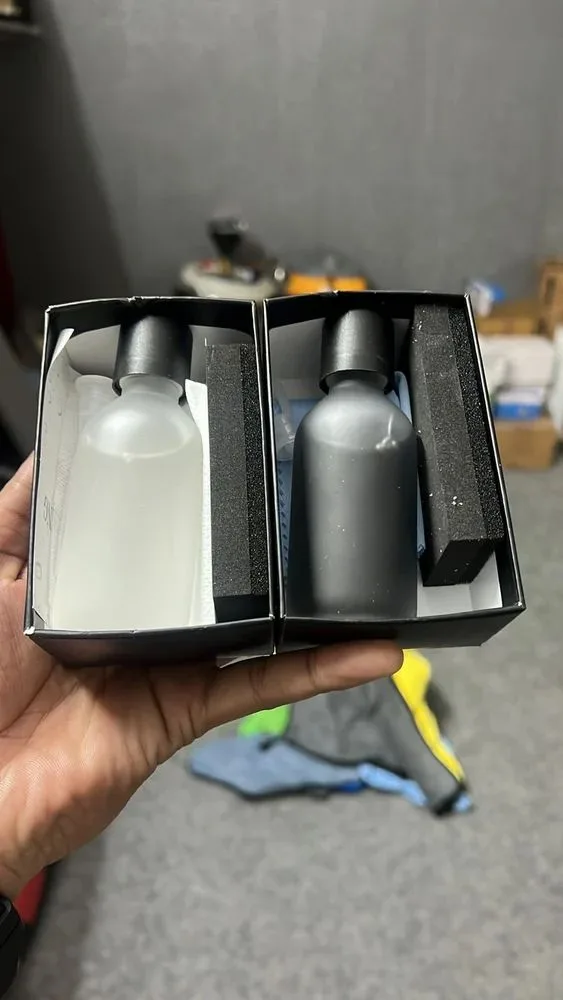
Here's a side-by-side look at the two options:
| Feature | Liquid Glass | Modern Ceramic Coating (9H) |
|---|---|---|
| Application difficulty | High (strict temp, humidity) | Moderate (clean room recommended) |
| Durability | 3–6 months | 2–5 years |
| Cure time | 30 days | 7–14 days |
| Scratch resistance | Low | High (9H pencil hardness) |
| Price per bottle | $25–35 | $50–150 |
| Skill required | Experienced | Moderate |
The biggest difference is durability. A quality ceramic coating can last two to five years with proper maintenance. Liquid glass, even in perfect conditions, taps out at six months.
For someone who wants to apply a coating once and forget about it, the choice is obvious.
Application ease is another factor. Ceramic coatings are still finicky, but the technology has improved. You can get a consumer-grade ceramic coating that goes on with a simple wipe-on, wipe-off process.
Liquid glass required a multi-step buffing routine that was a workout in itself.
The only area where liquid glass still holds an edge is cost. A $30 bottle can coat a car multiple times, while a ceramic coating kit is often a one-time use. But the trade-off in time and frustration is significant.
Most people would rather pay more once than struggle with a finicky product repeatedly.
The Ugly: Why It Faded From the Mainstream
The biggest factor was timing. Liquid glass hit its peak in the early 2000s, when the only real alternatives were carnauba wax and basic synthetic sealants. It was a genuine upgrade.
But by the mid-2010s, consumer-grade ceramic coatings had dropped in price and improved in ease of use.
The tipping point came around 2017. Brands like CarPro and Gtechniq started selling ceramic coatings that any enthusiast could apply at home. The marketing was simple.
Apply once, protect for years. That message was hard to beat.
Liquid glass also suffered from a reputation problem. The product worked well for a small group of skilled users, but the average buyer had a bad experience. Streaks, hazing, and uneven application were common complaints.
Forums filled with frustrated users asking for help fixing their botched jobs.
The company behind Liquid Glass never really adapted. They kept the same formula, same instructions, and same price point. Meanwhile, the market moved on.
You can still buy a bottle of Liquid Glass today. It's still the same thick, milky liquid. But the audience has shrunk to a small group of loyalists who swear by the stuff.
There's also the question of chemistry. The petroleum distillate carrier was a throwback to an older era. Modern coatings use water-based or alcohol-based carriers that are safer and easier to work with.
The strong solvent smell of Liquid Glass was a sign of its age.
The Verdict: Should You Buy a Bottle Today?
It depends on who you are. If you're a weekend warrior with a garage-kept classic car and you love the process of detailing, Liquid Glass can still give you a stunning finish. The gloss is real, and the slickness is addictive.
Some people enjoy the ritual of a finicky product.
But if you're looking for protection and convenience, there are better options. A modern ceramic coating will outlast Liquid Glass by years, not months. It's also less likely to leave you with a streaky mess.
The extra cost upfront is worth the time you'll save.
For daily drivers, skip Liquid Glass entirely. The application is too demanding, and the durability is too short. A good spray sealant or a consumer-grade ceramic coating will give you better results with less headache.
For show cars and garage queens, it's a matter of preference. If you enjoy the challenge and the look, go for it. Just be prepared for the learning curve.
Start with a small panel, like the trunk lid, before tackling the whole car.
For everyone else, the answer is clear. The technology has moved on. Liquid glass was a stepping stone, not a destination.
The reasons it faded from the mainstream are the same reasons you should probably skip it.
Frequently Asked Questions
Is Liquid Glass auto polish still being made?
Yes, it's still available for purchase as of 2026. The company continues to produce the original formula. However, it's no longer a mainstream product.
You'll find it mostly on specialty detailing sites and some auto parts stores.
How long does Liquid Glass actually last?
Manufacturer specs claim 6 to 12 months. Real-world results are closer to 3 to 6 months for most users. Durability depends heavily on paint prep, application technique, and environmental conditions.
Garage-kept cars see the best results.
Is Liquid Glass better than wax?
In terms of durability, yes. It lasts longer than carnauba wax. In terms of gloss, it's a matter of taste.
Some people prefer the warm, deep glow of wax. Liquid glass gives a sharper, more reflective shine.
Can you apply Liquid Glass over ceramic coating?
You can, but it's not recommended. Ceramic coatings have a low surface energy that prevents the liquid glass from bonding properly. The result will be uneven and short-lived.
Stick to one system or the other.
Is Liquid Glass hard to apply?
Yes, it's more difficult than most modern products. It requires strict temperature control, a very thin coat, and careful buffing. Beginners often end up with streaks or hazing.
It's not a product you can rush.
What replaced Liquid Glass in the market?
Modern ceramic coatings are the direct replacement. They offer longer durability, better scratch resistance, and easier application. Brands like CarPro, Gtechniq, and Adam's Polishes dominate the space now.

Similar Posts