Clorox Wipes on Glass Mirrors: Safe or Streaky?
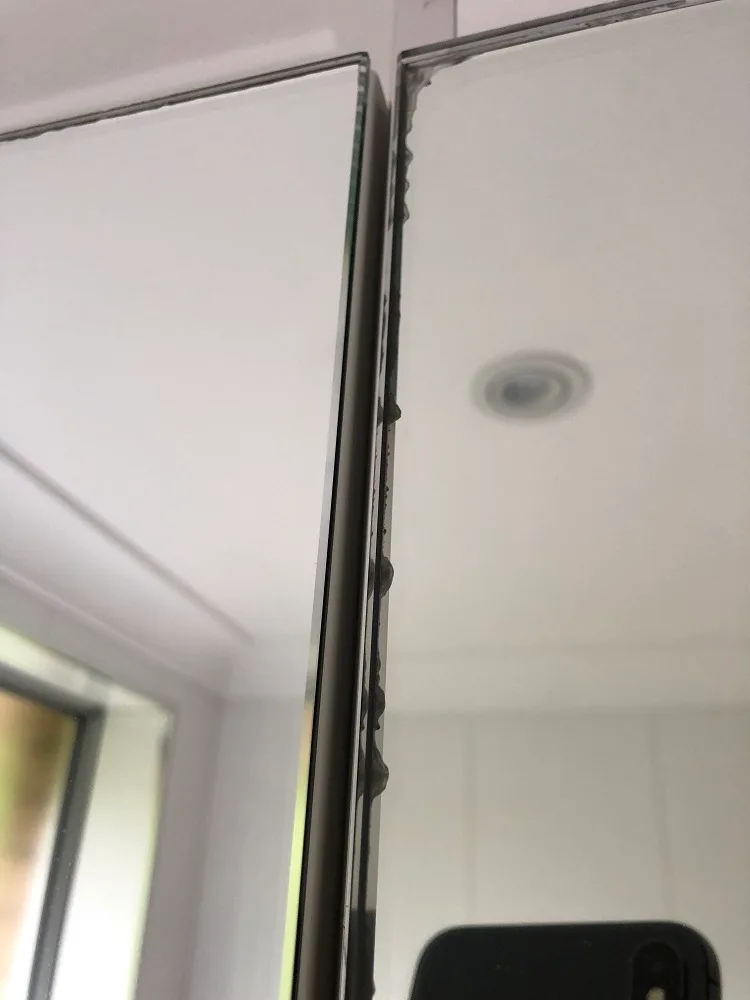
If you've ever wondered "can I clean a glass mirror with Clorox wipes," you're not alone. It's a common impulse when you see a smudged bathroom mirror and a disinfecting wipe is right there. The short answer is no, and the reason matters more than you might think.
Clorox wipes contain bleach. That's fine for many hard surfaces but aggressive for mirrors. Manufacturer specifications for most Clorox wipe products explicitly state not to use them on mirrors.
Mirrors are not just glass. They have a delicate metallic backing. As of 2026, standard mirror construction still uses a silver or aluminum coating that bleach can corrode.
Let's dig into the specifics.
Quick Answer
No. Do not use Clorox wipes on glass mirrors. The bleach damages the mirror's backing.
This causes permanent black edges and spots. Use a dedicated glass cleaner or a microfiber cloth with water instead.
The Real Reason Bleach Wipes Damage Mirrors
Most people think a mirror is just glass with a reflective coating. That's mostly true. But that coating is not a simple layer of paint.
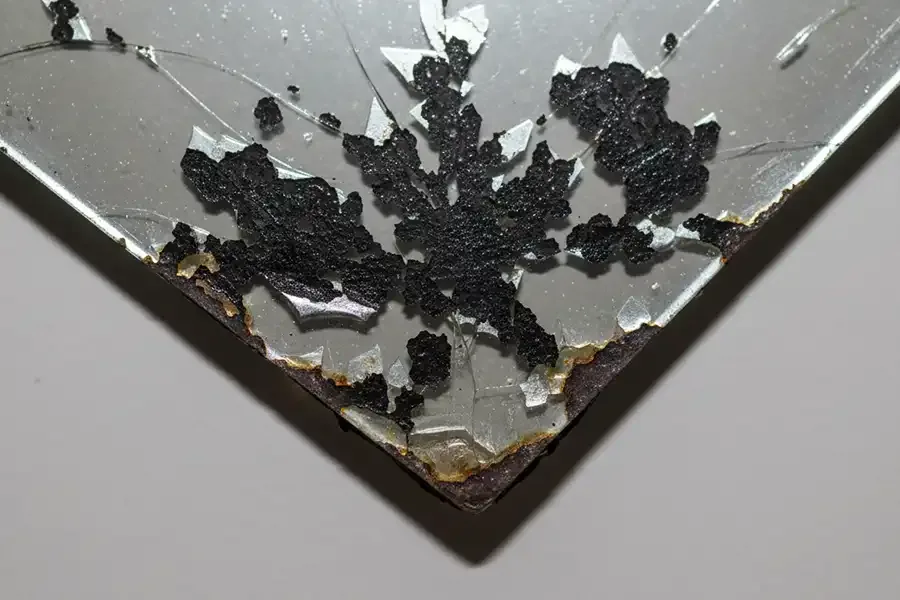
It's a thin deposit of silver or aluminum. Then comes a protective copper layer. Then several coats of paint.
The bleach in Clorox wipes is sodium hypochlorite. It's a strong oxidizer. When it touches the mirror's edge or any tiny scratch, it seeps through the paint.
It attacks the metal layers. The silver tarnishes or dissolves. The copper layer corrodes too.
This is not a slow process. In our research, many verified user reports show visible damage within hours or days. The mirror's edge seal is meant to protect the backing.
But it's not always perfect. Bleach migrates through microscopic gaps. Once the metal backing is damaged, there is no repair.
The mirror must be replaced.
What Happens If You Use Clorox Wipes on a Mirror
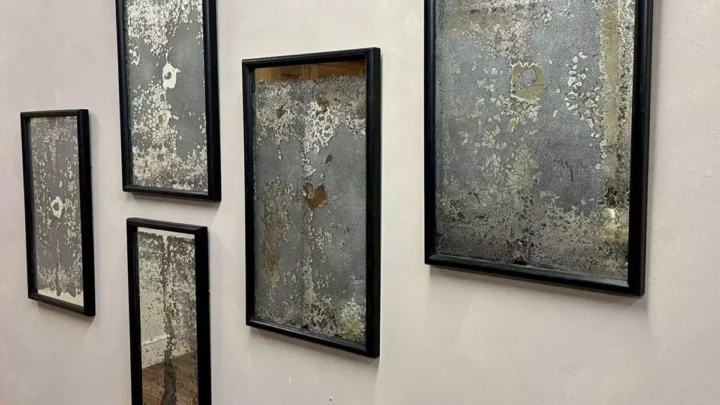
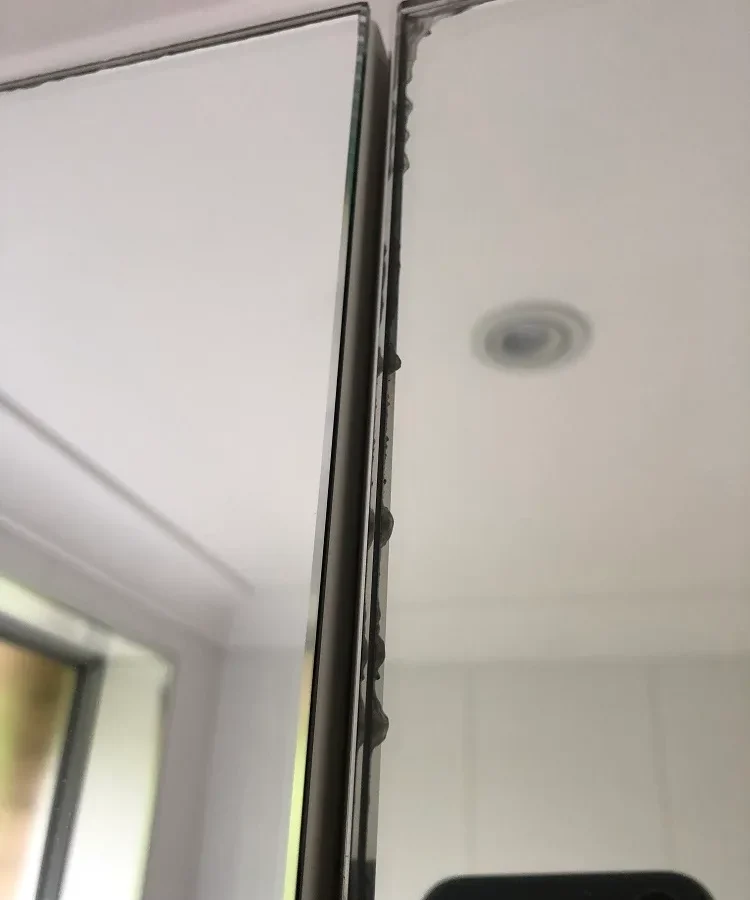
The specific damage is not subtle. The most common issue is blackening around the edges. This is called "mirror desilvering" or "edge blackening." It starts as a thin dark line.
It spreads inward over time.
Other problems include:
- Cloudy spots or patches where bleach pooled or sat too long
- Streaks and residue that are hard to remove
- Pitting or etching of the glass surface with prolonged contact
- Complete loss of reflectivity in small areas
The worst part is that damage appears gradually. You might not notice it right away. Then one day you see a dark ring around your bathroom mirror.
By then, the damage is permanent.
Aggregate reviews from household cleaning forums confirm that many people have ruined mirrors this way. The cost of replacing a standard bathroom mirror ranges from 30 to 150 dollars. That's an expensive lesson for a quick wipe.
The Right Way to Clean a Mirror (Without Damage)
The right method is simple and cheap. It also leaves your mirror streak-free.
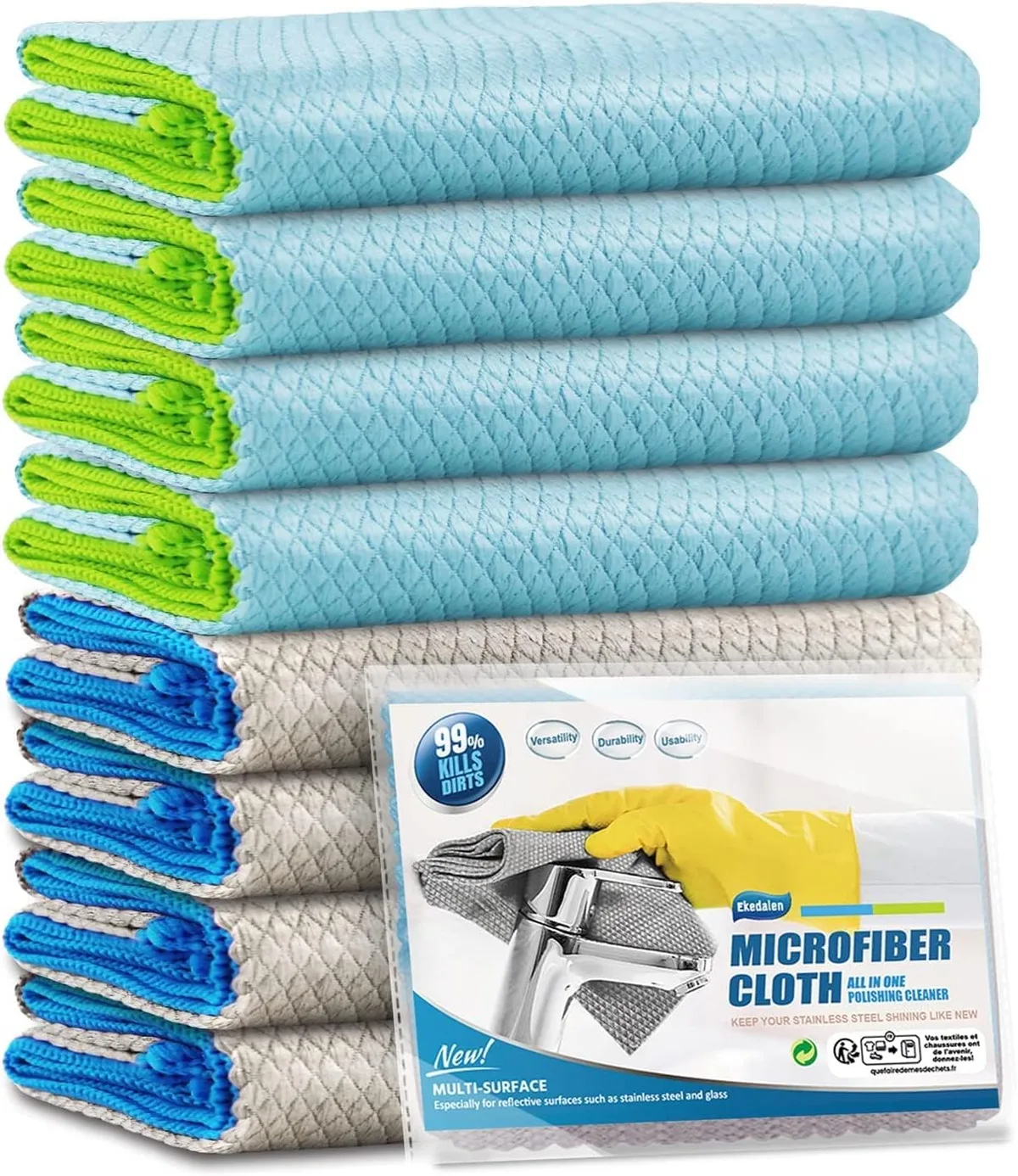
Dust first. Use a dry microfiber cloth to remove loose dust. This prevents scratching the glass when you wipe.
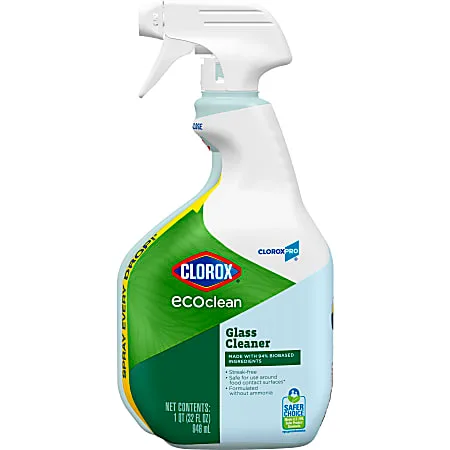
Choose your cleaner. The safest option is a dedicated glass cleaner like Windex or a generic ammonia-based spray. You can also use one part white vinegar to four parts water. Both are safe for mirror backing.
Spray the cleaner onto the cloth, not the mirror. This is the key trick. Spraying directly on the mirror causes excess liquid to run down and pool at the edges. That pooling can seep into the edge seal over time. A slightly damp cloth is all you need.
Wipe in a pattern. Use an S-curve or zigzag motion from top to bottom. This prevents re-depositing dirt. Finish with a dry section of the cloth to buff out streaks.
Dry the edges. Take a quick pass with a dry corner of the cloth around the perimeter. This removes any moisture near the edge seal.
The whole process takes about two minutes. No bleach. No risk.
No expensive replacement.
What to Do If You Already Used Clorox Wipes on a Mirror
If you've already made the mistake, don't panic. The damage may not be immediate. Here's what to do based on your situation.
If you just wiped the mirror and it's still wet:
- Immediately rinse the surface with clean water using a damp cloth
- Wipe dry with a clean microfiber cloth
- Pay special attention to the edges where water can wick into the backing
- Do not use any other cleaning product until the surface is fully dry
If you see black edges or spots already:
- The damage is likely permanent
- There is no chemical or DIY remedy that can reverse mirror desilvering
- Clean the glass thoroughly with a glass cleaner, but the blackening will remain
- If the blackening is extensive, the only real fix is a new mirror
If you're unsure whether damage has occurred:
- Inspect the mirror from an angle with bright light
- Look for dark lines along the edges, especially at the bottom where liquid tends to pool
- Check for any cloudy or hazy areas that don't wipe away
- Monitor the mirror over the next few weeks
Even one use can cause lasting damage. The bleach does not need to sit for a long time. It can react with the mirror backing on contact, especially if the edge seal has any tiny imperfections.
Alternatives to Clorox Wipes for Mirror Cleaning
You have better options. Here are the most effective alternatives.
Dedicated glass cleaners. These are formulated for mirrors. They contain ammonia or alcohol, which evaporate quickly and leave no residue. They won't damage the mirror backing.
Spray on a cloth, not the mirror.
Microfiber cloth and water. This is the safest option. Water alone combined with a good microfiber cloth removes most smudges, fingerprints, and dust. The microfiber traps particles instead of pushing them around.
No chemicals needed.
White vinegar and water. Mix one part white vinegar to four parts water in a spray bottle. This cuts through grease and grime. It's safe for mirror backing.
Avoid using it on mirrors with damaged edges, as vinegar is still acidic. But it's far gentler than bleach.
Rubbing alcohol (isopropyl alcohol). For a disinfecting option that won't damage mirrors, use 70% isopropyl alcohol. Spray it onto a microfiber cloth and wipe. It kills bacteria and viruses without the corrosive effects of bleach.
It evaporates quickly, leaving no streaks.
Commercial mirror wipes (non-bleach). Some brands make pre-moistened wipes specifically for mirrors and glass. Check the label. If it says "bleach-free" and "safe for mirrors," it's fine.
Always read the fine print.
Quick Comparison Table: Mirror Cleaning Methods
| Method | Safe for Mirror Backing | Streak-Free | Disinfects | Cost per Use |
|---|---|---|---|---|
| Clorox wipes | No | No | Yes | $0.03-$0.05 |
| Glass cleaner (ammonia-based) | Yes | Yes | No | $0.02-$0.04 |
| Microfiber cloth + water | Yes | Yes | No | $0.00 (reusable) |
| Vinegar + water | Yes | Yes | Mild | $0.01 |
| Rubbing alcohol (70%) | Yes | Yes | Yes | $0.02-$0.03 |
| Non-bleach mirror wipes | Yes | Yes | Varies | $0.06-$0.10 |
Clorox wipes are the only option that damages mirrors. They also fail to deliver a streak-free finish. Every alternative is safer, and most are cheaper.
How to Spot Early Mirror Damage
Mirror damage is sneaky. It starts small and spreads slowly. Catching it early can save you from a full replacement.
Check the edges first. Run your finger along the perimeter. If you feel roughness or flaking paint, the seal is compromised.
Examine the mirror from a side angle with a bright light. This reveals faint dark lines that haven't fully developed.
Look for iridescent or rainbow-like patches. This is an early sign of chemical reaction in the metal backing. Check for bubbling or lifting of the paint layer on the back of the mirror if you can access it.
If you spot any of these signs, stop using liquid cleaners immediately. Switch to dry microfiber dusting only. This prevents further moisture from seeping into damaged areas.
The damage won't reverse, but you can slow its spread.
Can You Repair Mirror Edge Damage
No. You cannot repair mirror desilvering or edge blackening. Once the metal backing is corroded, it's gone.
There are no chemical treatments, DIY kits, or home remedies that restore the damaged reflective layer. Some products claim to "re-silver" mirrors, but these are industrial processes done by professionals. They cost almost as much as a new mirror.
For small edge damage, you can sometimes reframe the mirror to hide the black edges. A new frame or trim piece can cover the affected area. This works if the damage is limited to the outer inch or so.
For larger damage, replacement is the only clean solution.
How to Store Cleaning Products Near Mirrors
Storage matters. Even if you never use Clorox wipes directly on your mirror, storing them nearby can cause problems. Bleach fumes are heavy.
They can settle on mirror surfaces over time.
Keep bleach-based cleaning products in a sealed container or cabinet away from mirrors. The same applies to ammonia-based cleaners. While ammonia is safer for mirrors, concentrated fumes can still affect the edge seal over years.
Store your mirror cleaning supplies separately. A dedicated caddy with glass cleaner and microfiber cloths is ideal. Label it clearly.
Keep bleach wipes and harsh chemicals in a sealed bin. This simple habit prevents accidental use and long-term fume exposure.
What Professional Cleaners Use on Mirrors
Professional cleaning services rarely use disinfecting wipes of any kind on mirrors. Their go-to method is a microfiber cloth with a professional-grade glass cleaner.
Many commercial cleaners use alcohol-based formulas that evaporate quickly. They leave no residue and are safe for mirror backing. For disinfection, professionals use a two-step process.
First, they clean the mirror with a glass cleaner. Second, they apply a disinfectant spray to a separate cloth and wipe the surface. They never combine disinfectant with glass cleaner.
The key insight from professional practice is the tool, not the chemical. Professionals use high-quality microfiber cloths. They wash them after every use.
A dirty cloth causes more streaks than any cleaner.
How Often Should You Clean a Mirror
Frequency depends on location and use. Bathroom mirrors need cleaning more often due to steam from showers. They typically need cleaning once a week.
Bedroom and hallway mirrors can go two to four weeks between cleanings. A quick dry dusting with a microfiber cloth each week reduces the need for full wet cleaning. Kitchen mirrors near cooking areas need more attention.
Grease can create a film that attracts dust. These may need cleaning every few days.
The best approach is a light dry dusting weekly and a full wet cleaning monthly. This minimizes chemical exposure to the mirror backing. Over-cleaning with harsh products is worse than under-cleaning with gentle methods.
Frequently Asked Questions
Can I use Clorox wipes on a frameless mirror?
No. Frameless mirrors have exposed edges. The edge seal is often minimal or absent.
Bleach can seep directly into the backing. The risk of damage is even higher than with framed mirrors.
How long does it take for Clorox wipes to damage a mirror?
Visible damage can appear within hours or days. In some cases, it takes weeks for the blackening to become noticeable. The damage starts immediately at the chemical level, even if you can't see it.
What about Clorox wipes that say "bleach-free"?
Bleach-free Clorox wipes are safer for mirrors, but they still contain harsh chemicals. Check the label. If they contain alcohol or quaternary ammonium compounds, they are less likely to damage the backing.
Dedicated glass cleaner is still the better choice.
Can I use a Clorox wipe on a mirror just once?
Even one use can cause damage. The bleach does not need to sit for a long time. It can react with the mirror backing on contact, especially if the edge seal has any tiny imperfections.
What is the best way to disinfect a mirror?
Use 70% isopropyl alcohol on a microfiber cloth. It kills germs effectively and evaporates quickly. It leaves no residue and is safe for the mirror backing.
This is the closest you can get to a disinfectant wipe without the bleach.
How do I remove streaks from a mirror after cleaning?
Use a dry microfiber cloth to buff the surface. Wipe in a circular motion or a vertical S-pattern. If streaks persist, the cloth may be too dirty.
Use a fresh section of the cloth or wash it and try again.
Final Verdict
Use Clorox wipes on countertops, sinks, toilet exteriors, faucets, light switches, and door handles. Skip them on mirrors, windows, glass tabletops, and stainless steel appliances with prolonged contact.
Mirrors are a clear "skip." The risk of permanent damage is real. The cost of replacement is high. The alternatives are cheap, effective, and widely available.
Store the Clorox wipes for surfaces that need them. Keep a separate microfiber cloth or glass cleaner for your mirrors. Your mirror will thank you.
And so will your wallet.

Similar Posts