What Happens If You Stare at Your Reflection for Too Long?
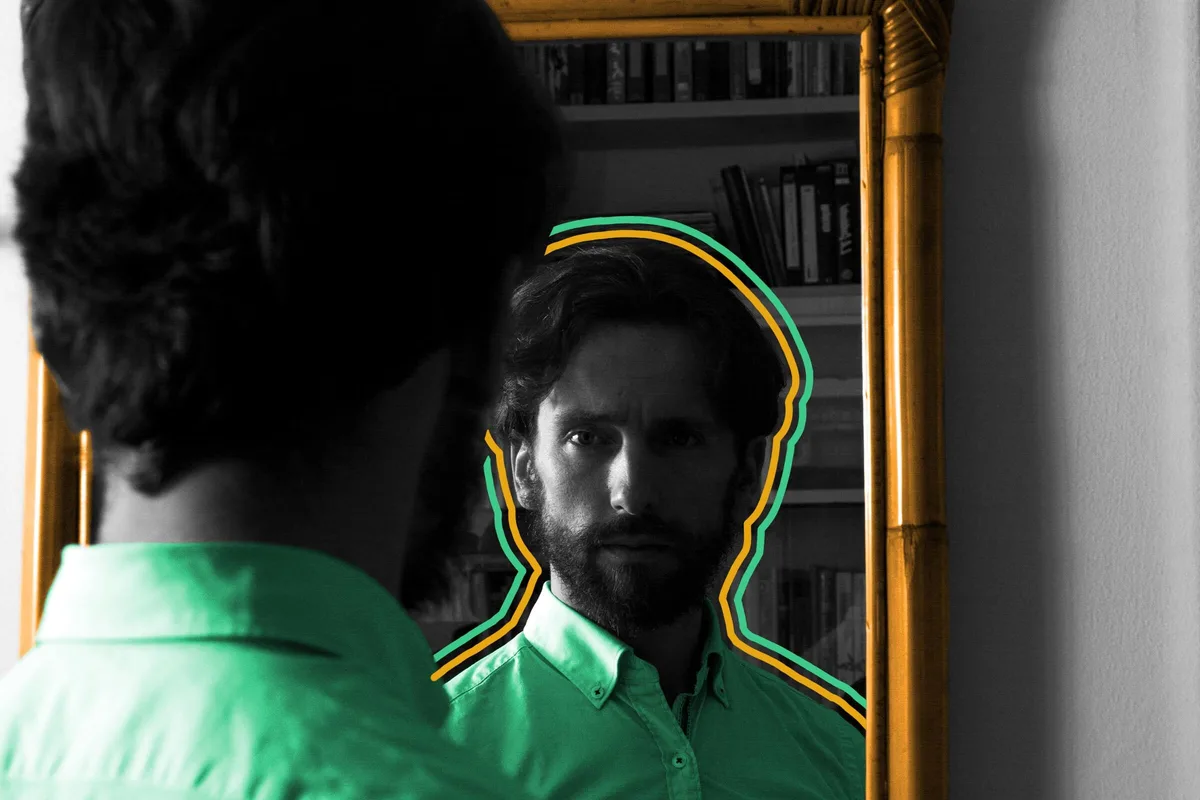
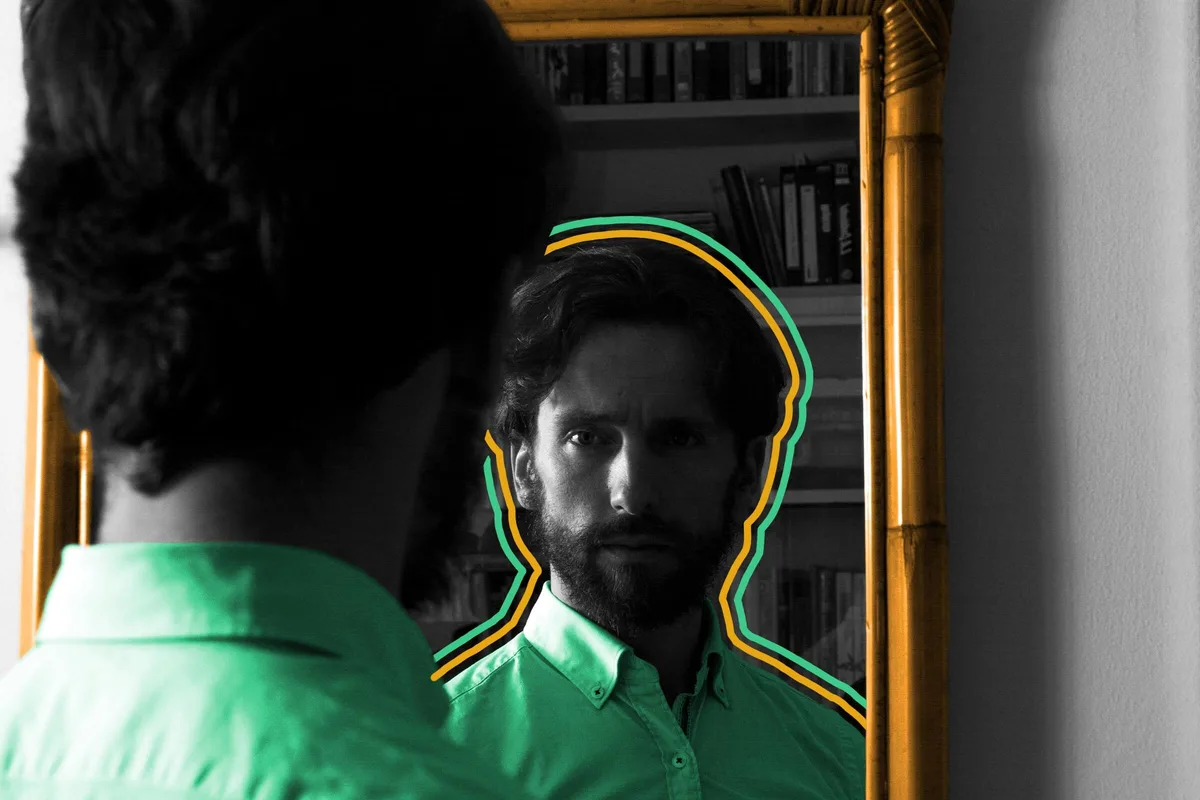
Have you ever found yourself alone in a dim bathroom, held your own gaze a little too long, and felt your reflection start to look like a stranger? That unsettling feeling is exactly what happens after looking into a mirror for too long, and it's a normal brain quirk, not a sign of mental illness.
Research shows that most people experience some kind of facial distortion within 10 minutes of steady mirror gazing. The phenomenon has a name: the strange-face illusion. Here's what's happening behind the glass, who should be cautious, and how to explore it safely if you're curious.
Quick Answer
Staring at your own reflection for too long causes visual distortions. Your brain adapts to an unchanging image. Your face appears to shift, warp, or dissolve.
This is the strange-face illusion. It's normal, not a sign of mental illness. The effect fades within seconds.
What Actually Happens When You Stare in a Mirror Too Long
Your brain is built to notice change. When you hold your gaze still, the input from your own face stops changing, and the neurons in the fusiform face area, the region that specializes in facial recognition, start to quiet down. That quieting is called neural adaptation.
It's the same reason a ticking clock disappears from your awareness after a minute.
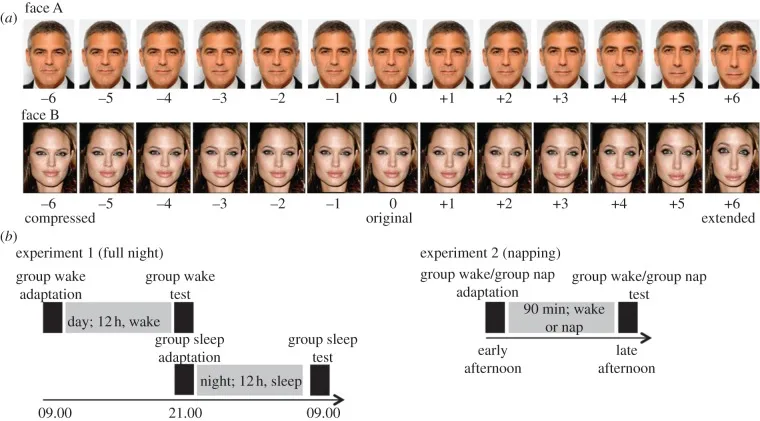
The strange-face illusion was first described in a 2010 study in the peer-reviewed journal Perception. Researchers had participants gaze at their own mirrored face for 10 minutes. Most saw their features stretch, age, or morph into a stranger's face.
Some saw multiple faces or even animal-like shapes.
These are pseudohallucinations, not true hallucinations. You know the distorted image comes from your own reflection. True hallucinations feel real and happen without that anchor.
The same neural mechanism also causes Troxler's fading, where stationary objects in your peripheral vision disappear completely when you focus on a single point.
Who's Most at Risk for a Negative Reaction
Most people shrug off the strange-face illusion as a curiosity. If you live with certain mental health conditions, the experience can land much harder.
- People with anxiety disorders. If you're prone to panic, the sudden loss of familiar features can feel like losing control. That can trigger racing thoughts or a panic attack.
- People with depersonalization or derealization disorder (DPDR). Mirror gazing can intensify the sense that your body isn't yours. It can turn a brief strange moment into a longer dissociative episode.
- People with body dysmorphic disorder (BDD). If you obsess over perceived flaws, extended mirror time feeds the compulsion. It reinforces the critical inner voice instead of easing it.
- People with a history of psychosis. The illusion is not a psychotic symptom, but it can be confusing if your grip on reality already feels shaky. It's wise to avoid it.
The National Institute of Mental Health says mirror-checking rituals are a common feature in disorders like BDD. If that sounds familiar, set a firm time limit on mirror use and talk to a professional.
How to Explore This Safely (If You Really Want To)
If you're curious, a short session is generally safe. The key is controlling the environment and knowing your exit plan.

Start in a bright, evenly lit room. Dim lighting makes the illusion stronger and more likely to feel unsettling. Sit about 12 to 18 inches from the mirror.
Set a timer for five minutes. That's enough to observe the effect without pushing into distress.
Keep blinking natural. Blinking will not reset the whole illusion, and deliberately holding your eyes open only adds physical strain to an already strange mental state.
| Guideline | Recommendation |
|---|---|
| First session length | 5 minutes max |
| Lighting | Bright and even |
| Distance from mirror | 12 to 18 inches |
| Blinking | Natural, don't force it |
| Stop if you feel | Panic, dread, disorientation |
| Recovery after stopping | Look away, blink, move your head |
If you start to feel like you're floating outside your body, or if your reflection feels genuinely threatening, break your gaze immediately. Walk away from the mirror and ground yourself. Touching something textured, taking a few slow breaths, and looking at a distant object all help your brain reset to normal.
Recognizing When It's More Than a Normal Illusion
How do you know if what you're seeing is just a brain quirk or something worth a clinical conversation? Watch for these differences.
The strange-face illusion is temporary, tied to the mirror, and easy to dismiss. Clinical warning signs are persistent, intrusive, and show up outside the mirror. If your reflection keeps feeling like someone else long after you've walked away, that's not standard adaptation.
| Normal illusion | Possible concern |
|---|---|
| Distortions stay on your face | You see shapes or patterns in the room |
| You know it's your reflection | You doubt whether the reflection is really you |
| The effect fades within seconds | The strange feeling lasts for minutes or hours |
| You feel curious or neutral | You feel intense fear or dread |
| You can stop whenever you want | You feel compelled to keep checking the mirror |
As of 2026, compulsive mirror checking appears in the clinical descriptions of both body dysmorphic disorder and depersonalization disorder. If the right column feels more familiar than the left, it's worth a conversation with a mental health professional. The NIMH has free educational resources that can point you in the right direction.
Common Mistakes That Make It Worse
Even a controlled session can turn sour if you fall into one of these traps. Avoid them to keep the experience interesting instead of alarming.
- Staring in a dark room. Low light removes visual anchors that keep the illusion contained. It increases the chance of genuine fear or dissociation.
- Trying not to blink. Blinking is your brain's built-in reset button. Fighting it creates eye strain and makes the experience physically uncomfortable.
- Pushing past 10 minutes. The longer you stare, the more bizarre the imagery becomes. Past 10 minutes, some people see multiple faces or feel like the mirror is a window into another space. That's the danger zone.
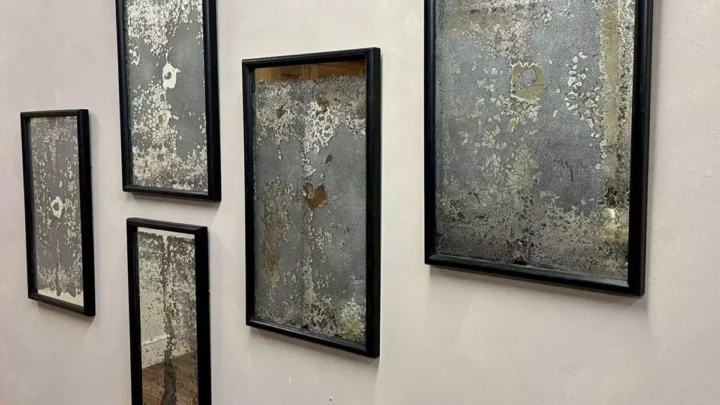
- Using a cracked or dirty mirror. Real physical defects get mixed into your perceptual distortions. Your brain can't tell them apart, which makes the experience far more confusing.
- Gazing right before bed. The aftereffects can linger in your mind. Give yourself at least an hour between mirror gazing and sleep.
The moment it stops being interesting and starts being distressing, you've already gone too far. The point of this experiment is to understand a perceptual quirk, not to prove how long you can endure.
Frequently Asked Questions
Is it dangerous to stare at yourself in the mirror for too long?
For most people, no. The strange-face illusion is a harmless perceptual quirk that fades quickly. The risk comes from the emotional reaction it triggers.
If you have anxiety, depersonalization tendencies, or body dysmorphic disorder, the experience can worsen symptoms. Stop immediately if you feel distressed.
Why do I see a stranger's face in the mirror?
Your brain's face-processing system adapts to the unchanging input. Neurons in the fusiform face area reduce their firing rate, causing your own features to appear unfamiliar, distorted, or like someone else entirely. This is the strange-face illusion.
It's a normal neural adaptation, not a psychic event.
How long does it take to see the strange-face illusion?
Most people notice changes within 1 to 10 minutes. In the original 2010 study, participants stared at their reflection for 10 minutes and reported distortions. The exact onset varies with lighting, distance, fatigue, and suggestibility.
Some people sense the changes almost immediately.
Can mirror gazing cause hallucinations?
The strange-face illusion is a pseudohallucination. You see something that isn't real, but you know it isn't real. True hallucinations, common in psychosis, feel completely real and often happen without a trigger.
If you can't tell the difference, or if the distortions occur outside mirror gazing, consult a professional.
Is the strange-face illusion a sign of psychosis?
No. The strange-face illusion is a normal perceptual phenomenon that happens to most people under the right conditions. Psychosis involves a persistent break with reality, not a temporary visual trick that disappears when you look away.
The two are not related.
How do I make the distortions stop?
Look away from the mirror. Blink a few times. Move your head or shift your body.
The effect typically fades within 5 to 20 seconds. If it doesn't, step into a different room, touch something textured, or focus on a distant object. Normal vision always returns quickly.

Similar Posts