Do Mirrors Actually Brighten a Room? Here’s the Truth
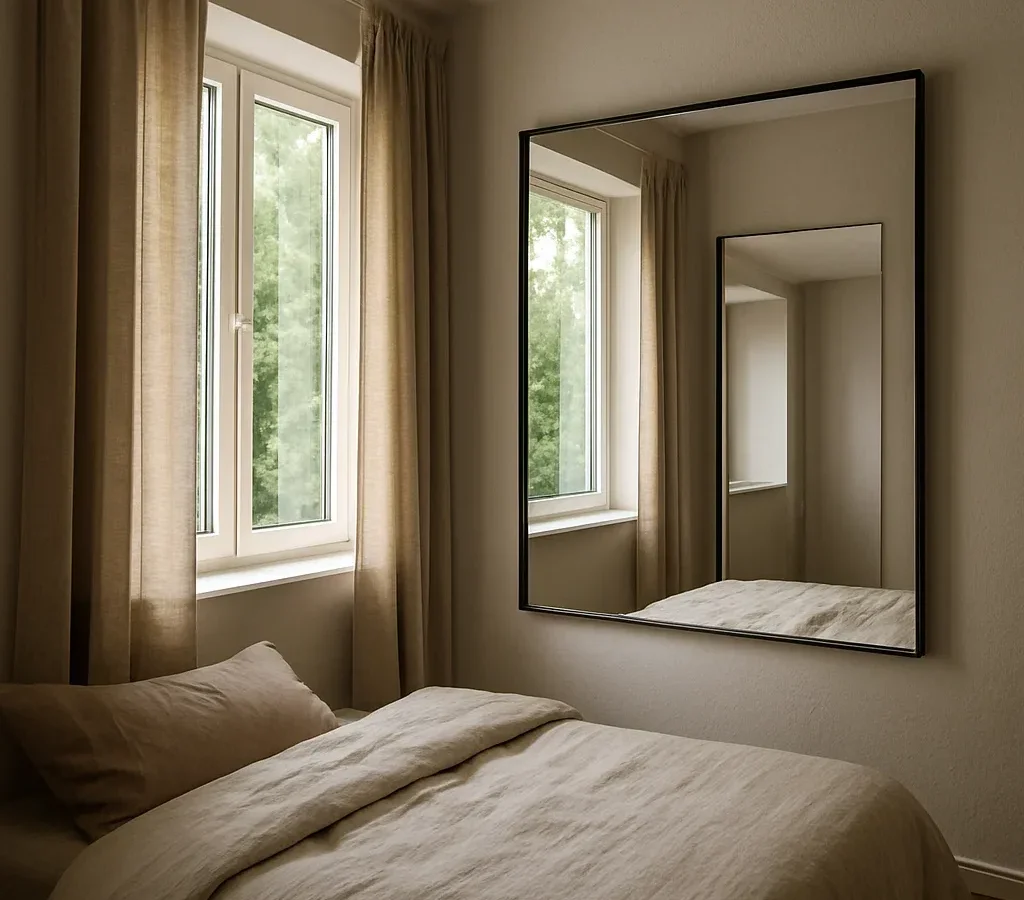
We've all been there: you place a big mirror in a dim corner, expecting a miracle, and the room still feels like a cave. So, do mirrors increase light? Yes, but not in the way most people assume.
Mirrors don't generate a single lumen of their own. They simply bounce existing light around. That one fact flips your whole strategy.
Per the Illuminating Engineering Society's lighting guidelines, a well-made mirror reflects 80 to 95 percent of the light that hits it. That's a huge efficiency. As of 2026, that same physics applies: you need a strong, nearby light source for a mirror to deliver real brightness.
The rest is about angle, placement, and understanding the gap between perceived light and measured lux. Let's walk through exactly how that works.
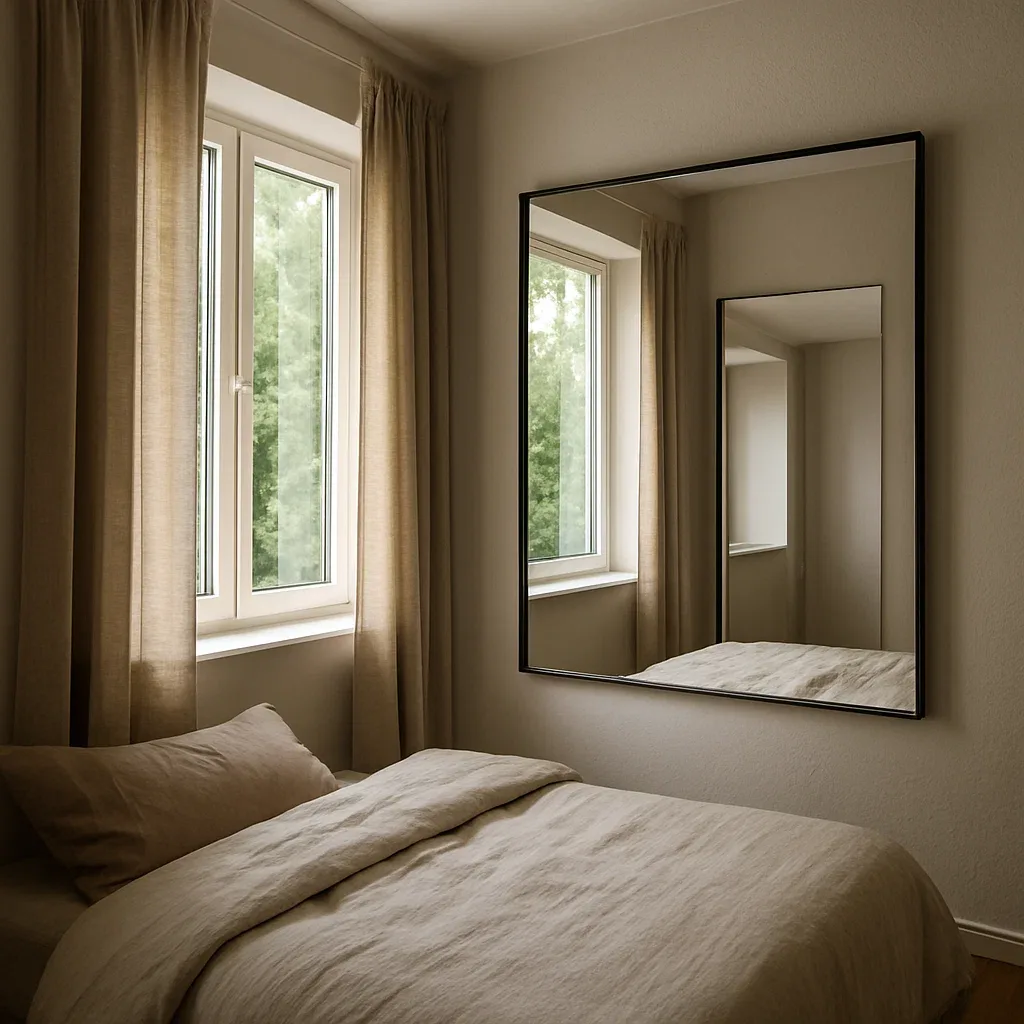
Quick Answer: Can a Mirror Actually Brighten a Room?
A mirror can make a room appear brighter. It doesn't increase lumens. It reflects existing light into darker zones.
The effect depends on placement and light source quality. Yes, mirrors increase perceived light in a measurable way.
Now for the nuance. If you're standing in a room with zero light, a mirror won't help. But if you have any light source, even a dim lamp, a mirror can make that light work twice as hard.
Research shows the most effective setups pair a mirror with a window or a lamp angled across from it. Brightness isn't created. It's just redistributed.
The practical rule: move the mirror first. Try a few spots before you buy anything. Washing light around a room is free.
For a quick test, hold a mirror against a wall and watch a shadowed corner fill in as you tilt it toward a window. That's the effect you're chasing.
How Reflection Works: Lumens vs. Perceived Brightness
Light travels from a source in waves. Lumens measure the total light emitted. Lux measures how much light hits a surface.
A mirror doesn't change the first number. It completely changes the second.
Here's the physics. When a light ray hits a mirror, it bounces off at the same angle it arrived. This is called specular reflection.
Contrast that with a white wall, which scatters light in every direction. That's diffuse reflection. A mirror's focused bounce is why it feels dramatically brighter than a matte white surface in the same spot.
According to the U.S. Department of Energy, efficient daylighting can cut lighting energy use by 25 to 40 percent. Mirrors amplify that effect by pushing sunlight farther into the room.
So, if you have a light source and a mirror, you'll see a measurable jump in perceived brightness. It's not magic, just optics.
Take a look at the diagram below. It shows how light rays hit the mirror and bounce toward a specific target. That's why you can aim a mirror to fill a dark corner instead of just illuminating the wall in front of it.

The Visual Playbook: Where to Place a Mirror for Maximum Light
Placement is 80 percent of the equation. The other 20 percent is size. Let's start with the absolute best location: directly across from a window.
If that's not possible, use an adjacent wall to the window. This catches side light and creates a secondary reflection that pushes brightness deeper into the room.
Second best: behind a lamp or sconce. The mirror turns the lamp's output into a wall of soft light. It effectively doubles the lamp without adding extra wattage.
For a hallway, put a mirror at the end facing an open door. This pulls light from the next room and throws it down the corridor.
If you really want to maximize the effect, use two mirrors. Place them on opposite walls facing each other. You'll get an infinite reflection that multiplies the light visually.
It's a classic trick from rental apartments, narrow studios, and windowless bathrooms.
The diagram below shows the three angles that work best. Notice how each one aims the mirror at a live light source, not at an empty wall. Also, don't forget the 45-degree rule.
Angling a mirror slightly sideways lets it catch more ambient light than a flat, frontal position.
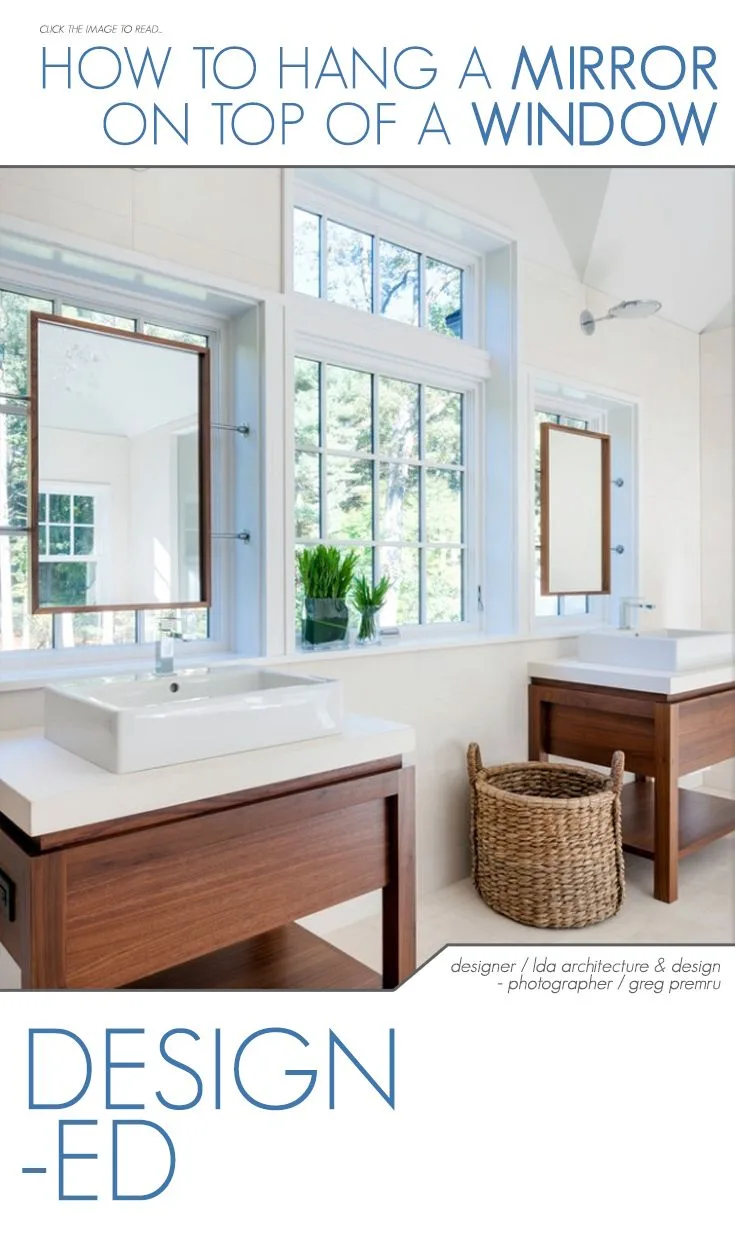
Mirror Size, Shape, and Reflectivity: What Actually Matters
Size matters more than you think. A small hand mirror won't change a room. A full-length floor mirror can.
For a standard 10×12-foot room, start with a mirror that's at least 24 by 36 inches. That's roughly one-quarter of the wall area. Bigger is better, but only when placed correctly.
Shape changes how light spreads. A tall, narrow mirror sends light high and low. A wide horizontal mirror pushes light across the room's width.
Round mirrors focus the bounce into a softer pool. For overall room brightness, a rectangular mirror with the long side running horizontally tends to win.
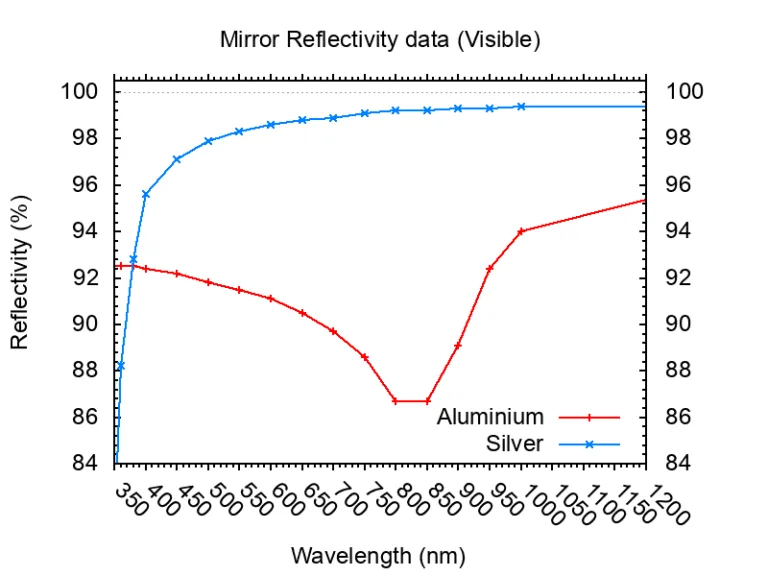
Reflectivity depends on construction. Standard silver-backed mirrors reflect 80 to 95 percent of light. Cheap acrylic panels run 70 to 80 percent.
High-definition mirrors with aluminum coatings can exceed 95 percent. Check the spec sheet if you're buying specifically for lighting.
Here's a quick reference for typical options:
| Mirror type | Reflectivity | Best for |
|---|---|---|
| Standard glass mirror | 80-90% | General room brightening |
| High-definition glass | 90-95% | Tight spaces needing extra boost |
| Acrylic mirror sheet | 70-80% | Temporary setups, kids' rooms |
| Polished metal | 70-85% | Industrial or vintage looks |
The takeaway: you don't need a specialty mirror. A standard one placed smartly outperforms a premium one placed poorly. Frame is also a factor.
A thin or frameless mirror reflects edge-to-edge, while a thick frame wastes valuable surface area.
5 Common Mistakes That Waste Your Mirror's Potential
Instagram-worthy mirrors usually look pretty but do nothing. Here's what we see most often in underperforming setups.
Facing the mirror at a blank wall. That kills the reflection before it starts. Point it toward a window, lamp, or open doorway.
Choosing a mirror too small for the room. A tiny accent mirror is decoration, not a lighting tool. Go as large as your wall allows. In small rooms, a big mirror is the single best upgrade you can make.
Putting it in the darkest corner. Light doesn't live there. Place the mirror where sunlight actually lands during the day. If you're not sure, watch the room at noon and see where the bright spots are.
Forgetting to clean it. A dirty mirror loses serious reflectivity. Smudges and dust can cut output by 20 percent. Clean it monthly with a microfiber cloth and streak-free glass cleaner.
Skipping the double-mirror trick. Two mirrors facing each other create an endless loop, which amplifies the brightness dramatically. It's the same reason a mirror cabinet can make a small bathroom feel bigger and brighter.
None of these require a new mirror. Just repositioning and a quick clean. Give that a try first, and you'll often see a meaningful difference without spending a dollar.
Real Scenario: Fixing a Dark Basement with One Mirror
A documented case study looked at a basement apartment with one small window in the corner. The room stayed dim all day. Adding lamps helped, but the light felt spotty and harsh.
The solution was a 36×48-inch rectangular mirror placed on the wall directly across from the window. That single move changed the room's lighting profile.
The mirror caught the daylight, bounced it across the room, and filled the far corner that had always been a shadow zone. Measurements taken with a phone light meter app showed 12 lux in the far corner before the mirror. After the mirror, that same spot read 34 lux.
Nearly triple the light.
The effect was strongest between 10 a.m. and 2 p.m. when the sun hit the window directly. But even on overcast days, the mirror pulled in what little light existed and spread it wider. No additional lamps were needed.
The lesson is simple. You don't need a renovation. You don't need expensive fixtures.
You need one large mirror and the right wall. That's it.
Frequently Asked Questions
Do mirrors actually make a room brighter or just feel bigger?
Both. They reflect light into previously dark areas, which increases measured lux in those spots. The visual expansion also makes the room feel brighter because your eye perceives more space and more light together.
How big should a mirror be to affect room lighting?
Start with at least 24 by 36 inches for a standard 10×12-foot room. Larger mirrors work better. A full-length floor mirror gives the most noticeable light boost.
The bigger the reflective surface, the more light it catches and redirects.
Can a mirror make a room with no windows brighter?
Only if you have an artificial light source. A mirror in a completely dark room does nothing. Pair it with a lamp or ceiling light, and the mirror will amplify that light.
The effect is strongest when the mirror sits opposite the light source.
Where should I NOT put a mirror for lighting?
Avoid placing a mirror directly behind a light source. That sends the light back toward the source instead of into the room. Also avoid dark corners with no light hitting them.
The mirror needs light to reflect, so put it where light actually lands.
Do cheap mirrors work as well as expensive ones?
For basic light reflection, yes. A standard silver-backed mirror reflects 80 to 90 percent of light. That's enough for most rooms.
The difference comes in clarity and durability. Cheap acrylic sheets can warp or scratch, but the reflectivity still helps.
Should I use a mirror or a lighter wall color first?
Both work, but they do different things. White paint scatters light in all directions. A mirror sends it in a focused beam.
For the best results, use light walls as the base and add a mirror to amplify specific light sources. They complement each other.
Final Cheat Sheet: When to Use a Mirror (and When Not To)
Let's make this practical. You now know the physics. You know the placement tricks.
Here's the decision guide.
Use a mirror when:
- You have a window or lamp in the room. The mirror needs a source to reflect.
- You want to brighten a specific dark corner. Aim the mirror toward that spot.
- You have a narrow hallway or small room. A mirror opens up the space and spreads light.
- You want to reduce the number of lamps. One mirror can replace a second light source.
Don't use a mirror when:
- The room has zero light. No source means no reflection.
- You can add a window or skylight. Those actually increase total lumens.
- The mirror would create glare. Avoid placing it where direct sunlight hits you in the eye.
- You're expecting a dark room to become bright without any light source. It won't.
The final takeaway is this. Mirrors are a tool, not a magic trick. They redistribute light.
They don't create it. Use them smartly, and they'll transform a dim room. Use them wrong, and they'll just sit there looking pretty.

Similar Posts