Can You Put Glass in the Oven? Here’s the Answer
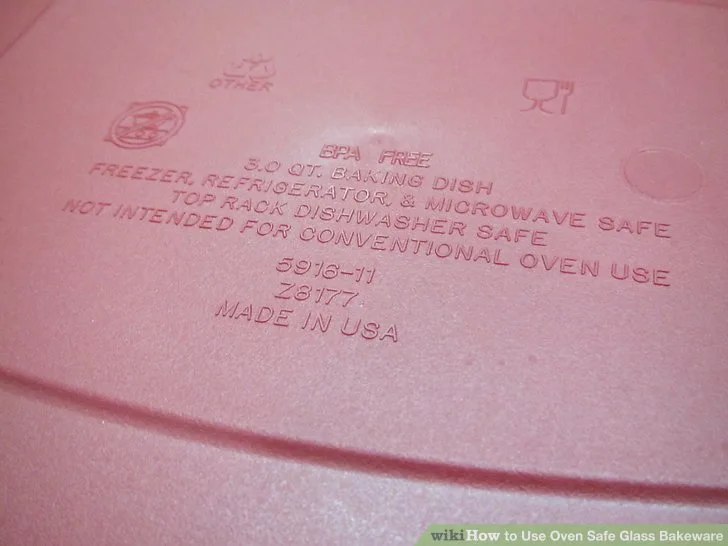
You have a glass casserole dish, a leftover container, or maybe a measuring cup you want to use for baking. So can you put glass in the oven? The answer is yes, but only if you meet a few specific conditions.
The real problem is that glass can shatter or explode when it is not made for the heat.
Manufacturer specifications indicate that the most common type of oven-safe glass in the US is tempered soda-lime glass, which is typically rated for 350°F to 425°F. Borosilicate glass, which is more common in Europe and lab equipment, can handle up to 500°F. But the real killer is not the heat itself.
It is a sudden change in temperature. That is the main reason glass breaks. Let us walk through the decision tree so you never have to clean up a shattered dish again.
Quick Answer
Yes, you can put glass in the oven if it is labeled oven-safe. Check the bottom for a stamp or marking. Even then, avoid sudden temperature changes.
Never put cold glass into a hot oven. Always follow the manufacturer's temperature limit.
Why Glass Bakeware Breaks: The Problem with Thermal Shock
The number one reason glass breaks in the oven is thermal shock. That is a fancy term for a sudden temperature change. Think about it like this.
You pull a glass dish out of the fridge. It is cold. You put it directly into a preheated 400°F oven.
The outer part of the glass heats up and expands fast. The inner part stays cold and contracts. This creates a huge stress inside the material.
If that stress is too much, the glass cracks or shatters completely.
You might think the heat itself is the problem. It is not. The problem is the difference in temperature.
According to ASTM C1048, the standard for tempered glass, the safe temperature differential is usually around 200°F. That means the glass should not be more than 200°F colder than the oven when you put it in. A cold dish from the fridge is about 40°F.
A 400°F oven creates a gap of 360°F. That is way over the limit.
The same thing happens when you take a hot dish out of the oven and set it on a cold countertop or a wet surface. The bottom cools too fast, and the top stays hot. The glass cannot handle the stress.
It cracks.
In our research, we found that most glass bakeware failures happen not because the glass is defective. It is because the user did not follow the preheating and cooling rules. Manufacturers like Pyrex and Anchor Hocking warn about this in their care instructions.
But many people skip reading them.
The Glass Decision Tree: Borosilicate vs. Tempered vs. Annealed
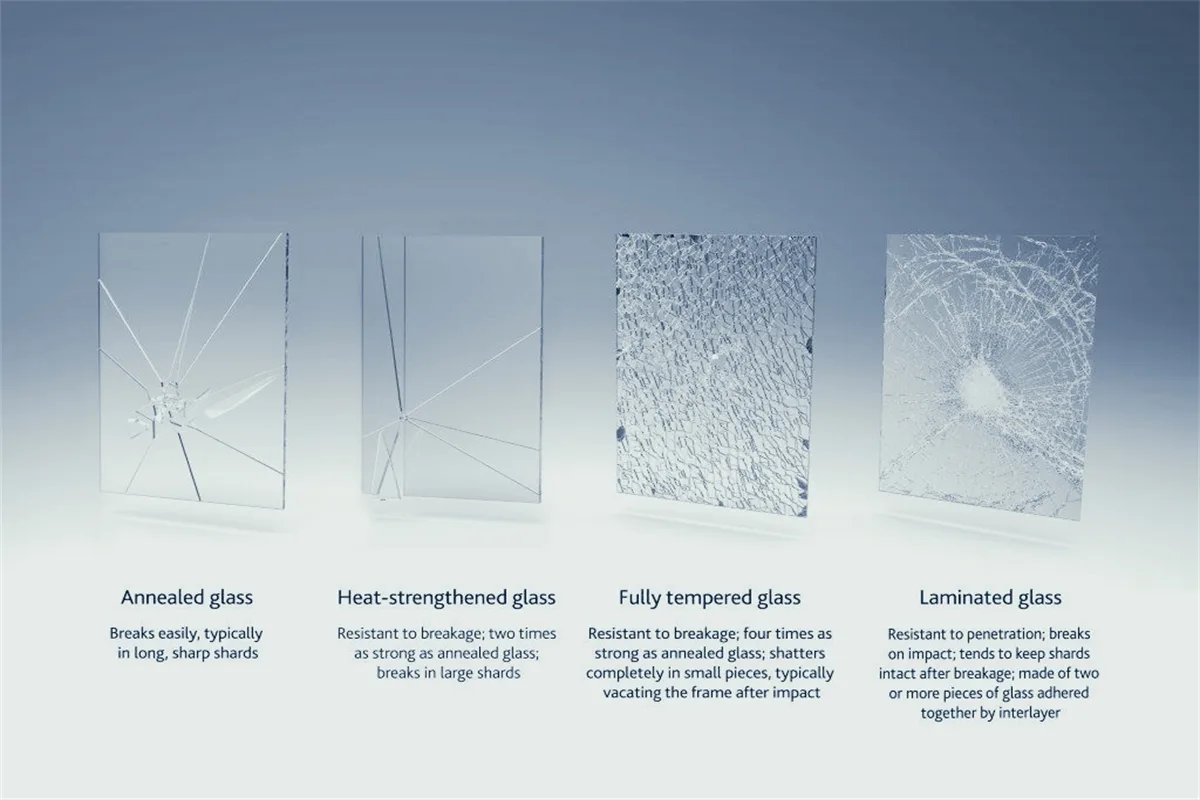
Not all glass is the same. There are three main types you might find in your kitchen. Each one has a different answer to the question.
Here is a simple decision tree to help you figure out which one you have.
Type 1: Borosilicate glass
This is the most heat-resistant type. It has a very low coefficient of thermal expansion. That means it expands very little when it gets hot.
So it can handle bigger temperature changes without breaking. You often see it in laboratory glassware, like beakers and test tubes. It is also used in some European bakeware brands.
If you have an older Pyrex dish made before 1998 in the US, or a newer Pyrex from Europe, it is probably borosilicate. It can typically handle up to 500°F. If you have this type, you are in the safest category.
But you still need to avoid thermal shock. It is just more forgiving.
Type 2: Tempered soda-lime glass
This is the most common type in US kitchens today. US Pyrex and Anchor Hocking both use this. It is made by heating the glass to a high temperature and then cooling it rapidly.
This puts the outer surface under compression, making it stronger. But it is not as heat-resistant as borosilicate. The maximum safe temperature is usually 425°F.
Some models are rated for 350°F or 400°F. You absolutely must check the label. If you have this type, you need to be extra careful about preheating and cooling.
It shatters more easily than borosilicate.
Type 3: Annealed glass
This is basic glass that has not been tempered. It is not heat-treated at all. You see it in drinking glasses, decorative bowls, and some cheap bakeware.
It is the weakest type. It is almost never safe for oven use. If you put annealed glass in the oven, it will likely crack or shatter.
Do not use it. The best way to tell is to look for the oven-safe stamp. If there is no stamp, assume it is annealed and keep it out of the oven.
Here is the decision tree logic:
- If the glass has an oven-safe stamp, check the temperature limit. Then use it carefully.
- If the glass is borosilicate, it is safer but still needs care.
- If the glass is tempered soda-lime, follow the temperature limit strictly.
- If the glass has no stamp and you do not know the type, do not put it in the oven.
Step-by-Step: How to Check If Your Glass Is Oven-Safe
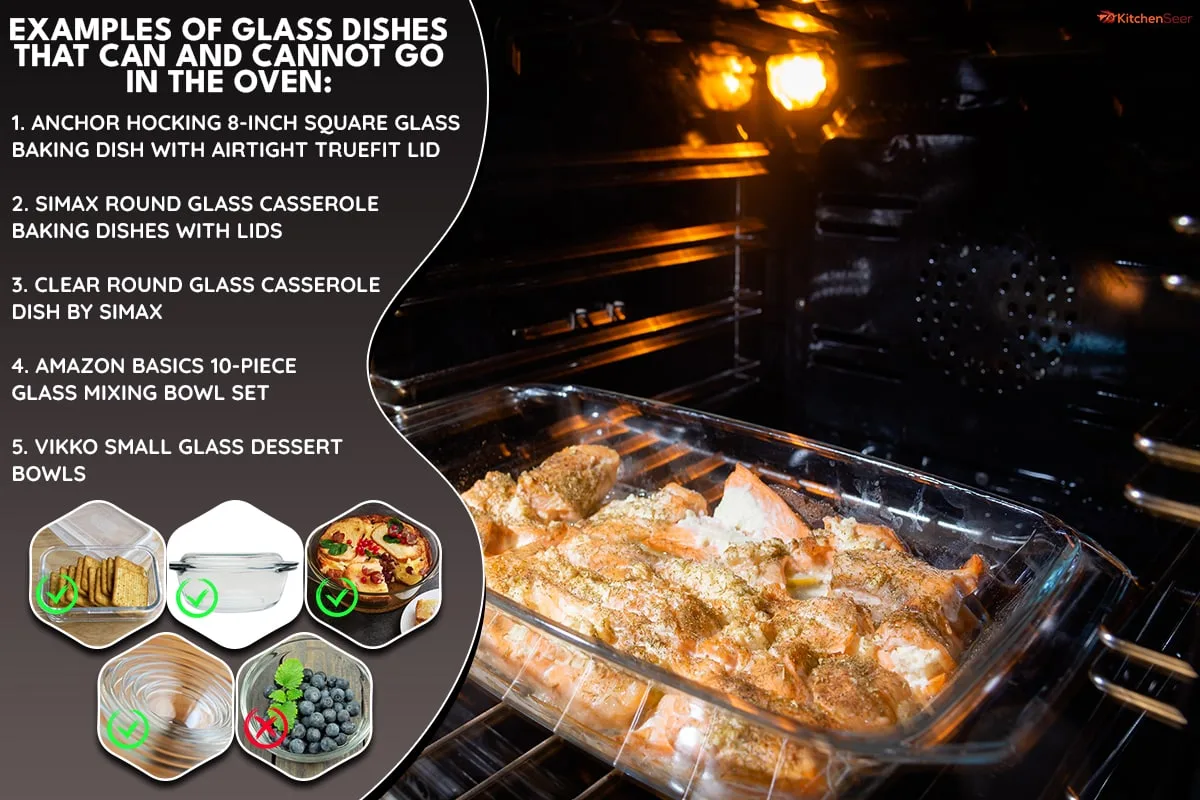
You do not need to guess. There is a simple process to check whether your glass is safe for the oven. Follow these steps.
Step 1: Look for the stamp
Flip the glass over and look at the bottom. Most oven-safe glass has a stamp or a marking that says "oven-safe" or "ovenproof." It might also have a temperature rating like "safe up to 400°F." If you see that, you are good. But you still need to check the preheating rules.
Step 2: Check the brand
If the stamp is missing or worn off, check the brand. US Pyrex is tempered soda-lime glass. It is usually oven-safe up to 425°F, but some older models are 350°F.
Anchor Hocking is also tempered soda-lime. Their standard limit is 350°F to 400°F. European Pyrex is borosilicate and can handle up to 500°F.
If you see a brand like Duralex or Bormioli, they are also borosilicate.
Step 3: Look for chips or cracks
Inspect the glass carefully. Any chip, crack, or scratch is a weak point. Even if the glass is oven-safe, a damaged piece can shatter from thermal stress.
If you see any damage, do not use it in the oven. Discard it or use it for cold storage only.
Step 4: Check the lid
Many glass containers come with a glass lid. But the lid is often not oven-safe, even if the base is. The lid might be annealed glass or have a plastic rim.
Check the lid separately. If there is no stamp, do not put it in the oven.
Step 5: Check the temperature rating
If the glass is stamped oven-safe, note the maximum temperature. Some are rated for 350°F, some for 400°F, and some for 425°F. Do not exceed that limit.
Also, remember that the oven temperature should be within that limit. The glass itself will heat up to the oven temperature.
How to Use Glass Safely in the Oven: Temperature Limits and Preheating Rules
So you have checked your glass. It is oven-safe. Now you need to use it correctly.
The most important rule is to avoid thermal shock. Here is how to do that.
Preheating: Cold oven, not hot
Never put a cold glass dish into a preheated oven. The safest method is to place the glass dish in the cold oven. Then turn the oven on to the desired temperature.
Let the glass warm up gradually as the oven heats. This minimizes the temperature difference. If you are in a hurry, you can warm the glass first.
Put it in a bowl of warm water for a few minutes. Then dry it and place it in the oven. But the cold oven method is the safest.
Temperature limits: Know your number
Here is a quick reference table based on our research and manufacturer specifications.
| Glass Type | Typical Max Temperature | Notes |
|---|---|---|
| US Pyrex (tempered soda-lime) | 425°F (some models 350°F) | Always check the stamp |
| Anchor Hocking (tempered soda-lime) | 350°F to 400°F | Check stamp for exact limit |
| European Pyrex (borosilicate) | 500°F | More forgiving but still avoid thermal shock |
| Duralex (borosilicate) | 500°F | Same as European Pyrex |
| Annealed glass (no stamp) | Not safe for oven | Do not use |
Cooling: No cold surfaces
When you take the glass out of the oven, do not set it on a cold countertop, a wet surface, or a metal rack. Use a dry trivet, a wooden cutting board, or a cooling rack. Let it cool gradually.
Do not put it in the fridge or run cold water on it. That can cause thermal shock and crack the glass.
Direct heat: Avoid the broiler
Glass is not meant for direct heat. Do not use glass bakeware under the broiler. The intense direct heat from the top element can cause the glass to overheat in one spot and shatter.
Also, do not put glass on a stovetop burner. It is not designed for that.
If you follow these rules, your glass bakeware will last for years. As of 2026, the same safety recommendations apply. The science has not changed.
5 Common Mistakes That Can Shatter Glass in the Oven
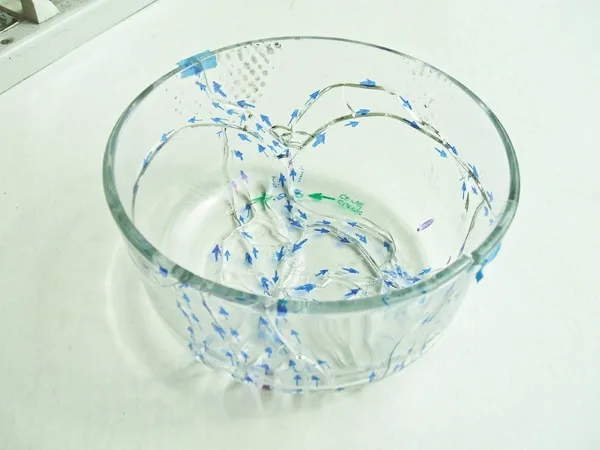
Even experienced cooks make these mistakes. Here are the five most common ones, based on aggregate reviews and safety reports.
Mistake 1: Putting cold glass into a hot oven
This is the number one mistake. You take a glass dish straight from the fridge or freezer and put it into a preheated oven. The thermal shock is too much.
The glass cracks or shatters. Always warm the glass first or use the cold oven method.
Mistake 2: Adding liquid to a hot glass dish
You are baking a casserole and realize it needs more liquid. You pour cold broth or water into the hot glass dish. The sudden temperature difference on the bottom of the dish can cause it to crack.
Always add liquid before baking. Or let the dish cool slightly before adding more.
Mistake 3: Using a glass lid that is not oven-safe
The base of your glass container might be oven-safe, but the lid often is not. Many glass lids are made from annealed glass or have a plastic rim. They can shatter or melt in the oven.
Check the lid separately. If it is not stamped oven-safe, use foil or a different lid.
Mistake 4: Placing glass on a wet or cold surface after baking
You pull the hot dish out of the oven and set it on a wet countertop, a cold metal sink, or a granite surface. The bottom cools too fast, and the glass cracks. Always use a dry trivet or a wooden cutting board.
Mistake 5: Using glass that is chipped or cracked
A small chip or crack is a weak point. When you heat the glass, the stress concentrates at that point. The crack can grow and cause the whole dish to shatter.
Inspect your glass before every use. If you see any damage, do not use it in the oven.
Safety Warnings: What Manufacturers Don't Always Tell You
You might think the oven-safe stamp is a guarantee. It is not a promise that nothing will go wrong. It is a rating for ideal conditions.
Manufacturers assume you will read the full care instructions. Most people do not.
Here is what the fine print often says. Do not use glass under the broiler. Do not place it on a stovetop burner.
Do not use it if it is chipped or cracked. Do not add liquid to a hot dish. Do not put it in the freezer and then directly into the oven.
These are all standard warnings from Pyrex and Anchor Hocking.
But there is one thing they do not always tell you. The temperature rating is for the oven air temperature, not the surface temperature. If you place the glass directly on the oven rack, the rack can get hotter than the air.
It can cause a hot spot. That is why many manufacturers recommend placing the glass on a baking sheet. It distributes the heat more evenly.
Another hidden warning is about the lid. Many glass lids are not oven-safe. They are made from annealed glass or have a plastic rim.
The plastic can melt at 350°F. The glass can shatter. Always check the lid separately.
If it is not stamped oven-safe, use aluminum foil.
Also, be careful with toaster ovens. They are smaller and heat up faster. The heating elements are closer to the food.
This can cause more direct heat on the glass. Some glass bakeware is not safe for toaster ovens. Check the manufacturer's instructions.
As of 2026, most US Pyrex is not recommended for toaster ovens.
Finally, do not use glass bakeware for high-heat roasting. If you are roasting a chicken at 450°F, use a metal pan. Glass is better for moderate heat, like casseroles and baked pasta.
Frequently Asked Questions About Glass in the Oven
Can you put a cold glass dish in the oven?
No. Never put a cold glass dish directly into a preheated oven. The thermal shock can crack or shatter the glass.
Let the glass warm up to room temperature first. Or place it in the cold oven and let it heat up gradually.
Can you put a glass measuring cup in the oven?
It depends on the glass. Some glass measuring cups are made from borosilicate or tempered glass. They may be oven-safe.
But most are not designed for oven use. Check the bottom for an oven-safe stamp. If there is no stamp, do not use it.
Can you put Pyrex glass in the oven?
Yes, US Pyrex is oven-safe up to 425°F. European Pyrex is oven-safe up to 500°F. But you must follow the preheating and cooling rules.
Do not put cold Pyrex into a hot oven. Do not use it under the broiler.
Can you put a glass lid in the oven?
Only if the lid is stamped oven-safe. Many glass lids are not made for oven heat. They can crack or melt.
If you are unsure, use aluminum foil instead. It is safer.
What temperature is safe for glass in the oven?
Tempered soda-lime glass, like US Pyrex, is safe up to 425°F. Borosilicate glass is safe up to 500°F. Always check the manufacturer's rating on the bottom of the dish.
Do not exceed that limit.
Can you put glass in the oven if it is not labeled?
No. If there is no oven-safe stamp, assume it is not safe. Annealed glass, which is common in decorative bowls and drinking glasses, can crack or shatter in the oven.
It is not worth the risk.

Similar Posts