How Long Glass Coatings Last, and Why Yours Stopped
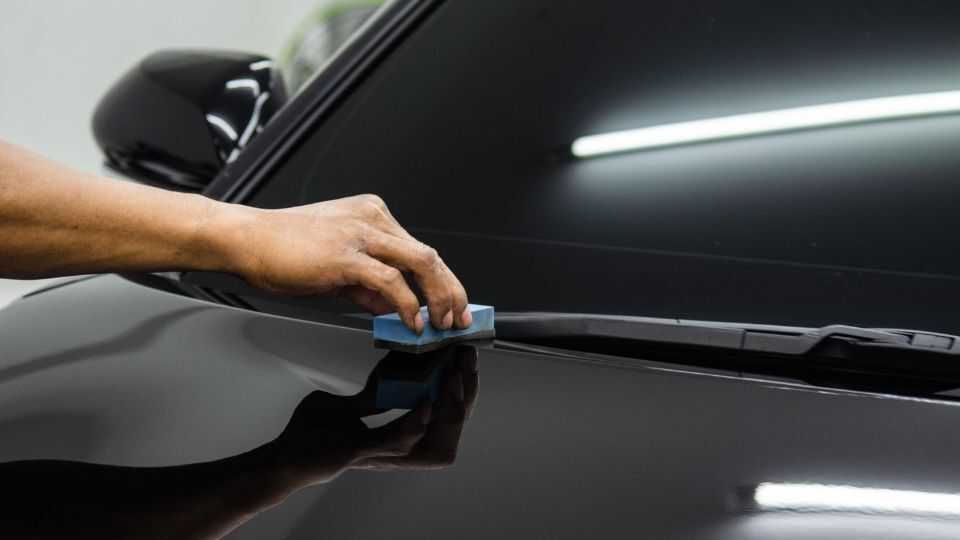
Quick answer: A spray-on hydrophobic glass treatment lasts weeks to a few months, not years, and how long is set mostly by the product category, not by luck. Rain-X's own ceramic glass water repellent is rated for up to six weeks per application. Aquapel, a chemically bonded glass treatment rather than a surface spray, is commonly reported to last around six to ten months on a windshield under normal driving, though side glass that gets less wiper action and more open exposure tends to wear faster, sometimes down to three or four months. If yours quit beading water after a couple of weeks, that is usually the product doing what its label says, not a bad application.
Why "glass coating" covers more than one product
The phrase gets used loosely, and that looseness is where a lot of the disappointment comes from. Broadly, there are two different things being sold under it.
Surface sprays and wipe-ons, the category Rain-X's water repellent products sit in, sit on top of the glass rather than bonding into it. They are cheap, fast to apply, and short-lived by design, meant to be reapplied regularly rather than once.
Chemically bonded treatments, the category Aquapel occupies, form an actual bond with the glass surface rather than sitting on it. They cost more and last longer, but they are still a consumable, not a permanent fix.
A third category, ceramic coatings marketed specifically for glass, is sold with the promise of longer durability, sometimes a year or more. We could not independently verify manufacturer-stated glass-specific durability figures for that category strong enough to publish here, so if a product in that category is what you bought, treat the box's number as a starting claim to test against your own results, not a promise.
What actually drives how long yours lasts
Whichever category you bought, the same handful of factors move the number up or down.
Wiper contact. The windshield gets swept by wipers every time it rains, and every pass is light abrasion. Side and rear glass, wiped less or not at all, commonly outlasts the windshield on the same application.
Parking. A car garaged overnight sees less UV and less airborne grit than one left outdoors, and both degrade a coating faster.
Wash method. Automatic washes with spinning brushes are harder on a coating than a hand wash or a touchless wash, for the same reason they are harder on paint.
Surface prep before application. A coating bonds better to glass that was properly decontaminated first, old wax, silicone, or embedded residue underneath it shortens the effective life regardless of how good the product itself is.
Signs it is wearing off, before it fails completely
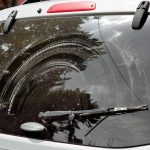
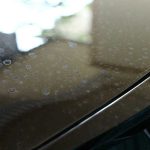
The failure is gradual, and there is a reliable early tell. Water stops beading into tight droplets and starts sheeting or spreading flat across the glass. Around highway speed, where a fresh coating clears water almost on its own, you will notice you are relying on the wipers again. Streaking on cleaning and a general dulling of clarity tend to show up a little after the beading effect goes.
Getting more life out of a coating you already applied
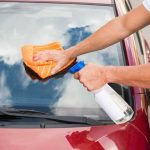
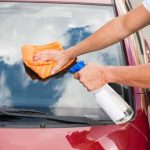
None of this makes a short-lived product last indefinitely, but each of these genuinely helps: wash with a pH-neutral glass cleaner rather than an ammonia-based one, which breaks coatings down faster; use a soft microfiber rather than an abrasive pad or an automatic brush wash; and if the product supports it, a light topper reapplied between full applications can extend the interval rather than letting the coating fail completely before you reapply.
The honest part: reapplication is the plan, not a failure
Most of what reads online as a coating "not lasting" is actually the coating doing exactly what a consumable product does. A six-week spray that beads for five weeks did not fail, it performed close to spec. The frustration usually comes from an expectation gap, not a bad bottle or a bad install. If you want something closer to set-and-forget, that points toward the longer-lasting bonded category rather than a repeated wipe-on spray, at a correspondingly higher cost and a correspondingly less certain durability claim.
Frequently asked questions
Does professional application make a coating last longer than doing it myself?
Correct surface prep and even coverage matter more than who does the applying. A careful DIY application with a properly decontaminated surface can outperform a rushed professional one, and the reverse is just as true.
My windshield coating failed faster than my side windows on the same application. Why?
Wiper contact. The windshield gets mechanically swept every time it rains or the washers run, and that repeated light abrasion wears a coating down faster than side glass that is rarely touched.
Can I layer a new coating over an old one instead of removing it first?
Depends on the product and how degraded the old layer is. A mostly-intact coating often accepts a topper fine. A heavily worn one is better decontaminated back to bare glass first, since applying fresh product over failing product tends to bond poorly and fail again quickly.
Is a more expensive coating always the longer-lasting one?
Generally the bonded category outlasts the spray category, but within either category, price does not track durability in a straight line. Check the manufacturer's own stated interval rather than assuming cost is the signal.
Does winter or hot summer weather shorten a coating's life?
Both temperature extremes and, separately, road salt in winter climates are commonly cited by detailing sources as accelerating wear versus mild, dry conditions. Expect a shorter interval in either extreme and plan reapplication accordingly rather than waiting for visible failure.

Similar Posts