How To Clean Hydrophobic Glass Effectively And Safely
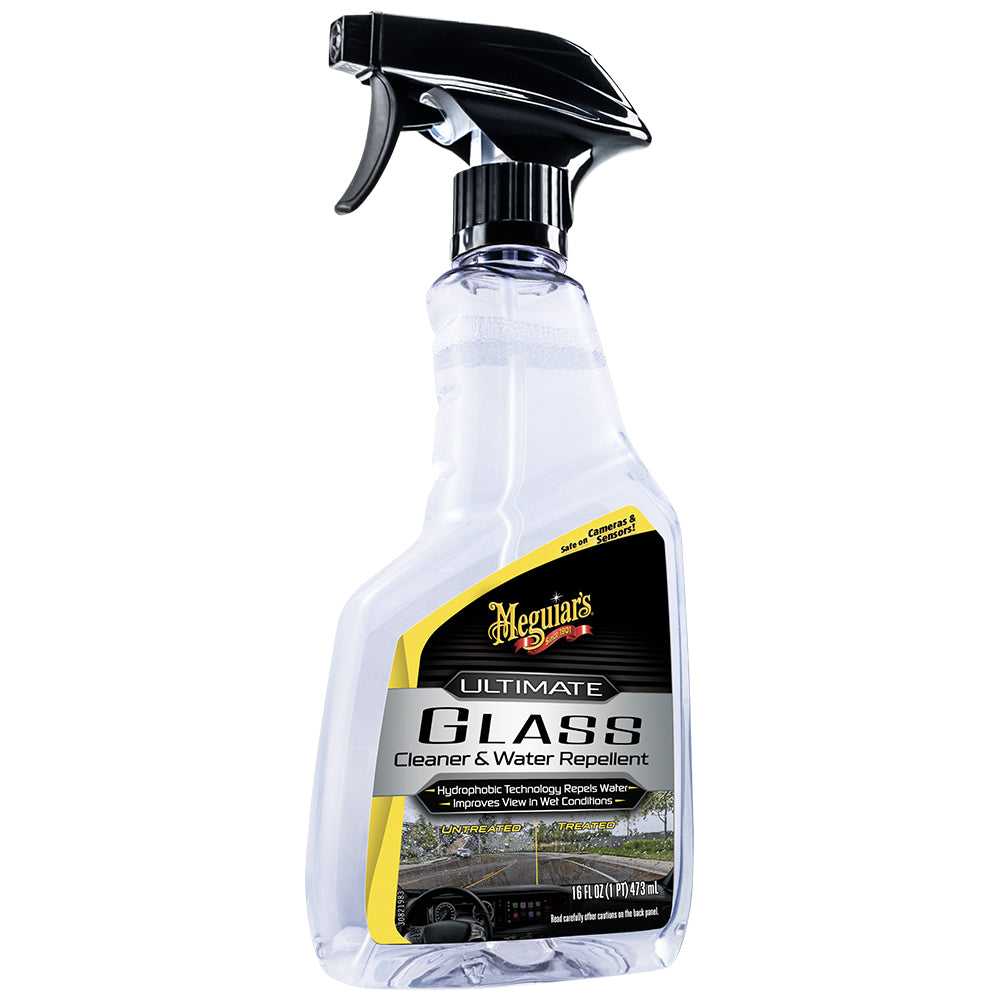
To clean hydrophobic glass effectively, start by lightly spraying the surface with a mixture of distilled water and a mild glass cleaner, then gently wipe with a soft microfiber cloth. Avoid harsh abrasives that could damage the coating, and finish by drying with a lint-free cloth for a streak-free shine. Regular cleaning with gentle products helps maintain the glass’s water-repelling properties and clarity.
Hydrophobic glass is designed to repel water, which makes cleaning a bit different from regular glass. To keep it in top condition, use gentle cleansers and soft cloths to avoid damaging the coating. Proper cleaning not only ensures clear visibility but also prolongs the effectiveness of its water-resistant properties. Understanding the right techniques can make maintaining this special glass easier and more effective, whether it’s on your car windshield, windows, or electronic screens.

How to Clean Hydrophobic Glass
Cleaning hydrophobic glass requires a different approach than standard glass cleaning. This special coating makes the surface repel water and dirt, which can be both a blessing and a challenge. Understanding how to properly care for hydrophobic glass will keep it clear and functioning optimally for longer periods. This section provides detailed steps and tips to effectively clean and maintain hydrophobic glass.
Understanding Hydrophobic Glass and Its Unique Properties
Hydrophobic glass is coated with a special layer that causes water to bead and roll off quickly. This coating prevents dirt, oil, and other particles from sticking firmly to the surface. Because of this, regular cleaning methods may not be effective and could even damage the coating if done improperly.
Proper cleaning prolongs the life of the coating and ensures the glass remains clear and functional. Recognizing the features of hydrophobic coatings helps determine the right cleaning tools and techniques. Remember, aggressive scrubbing or harsh chemicals can strip the coating and diminish its water-repelling properties.
Gathering the Right Cleaning Supplies
Before starting, assemble gentle cleaning supplies that will not harm the hydrophobic coating. Here are recommended items:
- Soft microfiber cloths or sponges
- pH-neutral glass cleaner or distilled water
- Isopropyl alcohol (70%) for tougher spots
- Spray bottles for applying cleaning solutions
- Clean, dry microfiber towels for drying
Avoid abrasive materials like steel wool or rough scrub brushes. Harsh chemicals and acidic cleaners may damage the coating. Using mild, non-abrasive products ensures your glass stays protected.
Step-by-Step Guide to Clean Hydrophobic Glass
Cleaning hydrophobic glass involves careful, step-by-step procedures to avoid damaging the coating and to get the best results.
Step 1: Remove Loose Dirt and Dust
Begin by gently wiping the surface with a dry microfiber cloth to remove loose dust and dirt. This prevents scratching during the cleaning process. Avoid applying pressure, which can scratch the coating.
Step 2: Prepare Your Cleaning Solution
Mix a solution of pH-neutral glass cleaner with distilled water in a spray bottle. If you’re using plain water, ensure it is clean and free of impurities. For persistent spots, dilute isopropyl alcohol with water at a ratio of 1:1.
Step 3: Spray and Let Sit
Lightly spray the cleaning solution onto the glass surface. Allow it to sit for a few seconds to loosen dirt and oils. Do not let the solution dry out on the surface.
Step 4: Gently Wipe the Surface
Use a soft microfiber cloth to wipe the glass in gentle, circular motions. Do not press hard. Work from top to bottom to prevent streaks and ensure even cleaning.
Step 5: Address Stubborn Spots
For stubborn dirt or oily spots, apply a small amount of diluted isopropyl alcohol directly to the cloth. Gently clean the affected area. Avoid using abrasive scrubbers or rough cloths.
Step 6: Dry and Polish the Glass
Finish by drying the glass with a clean microfiber towel. Use a soft, circular motion to remove any remaining moisture and minimize streaks. Buff lightly for a clear, streak-free surface.
Special Considerations for Hydrophobic Coatings
Hydrophobic coatings are sensitive to certain chemicals and physical impacts. Avoid using ammonia-based cleaners, which can degrade the coating. Instead, stick to mild, pH-neutral solutions and soft cloths.
Always test a small, inconspicuous area first. If your glass has a warranty, consult the manufacturer’s cleaning instructions to avoid voiding it.
Maintaining Hydrophobic Glass for Longevity
Proper maintenance helps preserve the water-repelling properties of the coating. Regular cleaning prevents dirt buildup and keeps the glass clear.
It’s recommended to clean hydrophobic glass at least once every few weeks, depending on usage. After cleaning, avoid touching the surface with oily or dirty hands.
If water begins to beads less effectively, consider applying a hydrophobic coating enhancer. This can restore the surface’s original properties and prolong the interval between full cleanings.
Tips for Avoiding Common Cleaning Mistakes
To keep your hydrophobic glass in top shape, avoid these common mistakes:
- Using abrasive tools or rough cloths that can scratch the coating
- Applying harsh chemicals such as ammonia or bleach
- Scrubbing aggressively instead of wiping gently
- Allowing cleaning solutions to dry on the glass before wiping
- Using hard water, which can leave mineral deposits and streaks
Instead, opt for gentle cleaning, soft cloths, and pH-neutral solutions. Regularly inspect your glass for dirt or spots to catch issues early.
Related Topics: Protecting and Enhancing Hydrophobic Surfaces
Besides cleaning, you can take extra steps to protect and enhance your hydrophobic glass. Applying a hydrophobic coating enhancer periodically restores its water-repelling features. Using a glass protector spray designed for hydrophobic surfaces adds an extra layer of defense against dirt and water spots.
Avoid touching the glass with oily or dirty hands. Keep the surface free of dust and debris through routine maintenance. Consider installing protective films if the glass is in high-traffic areas.
Additional Tips for Specific Types of Hydrophobic Glass
Different applications may require special care. For example:

Similar Posts