How To Check Laminated Windshield Effectively

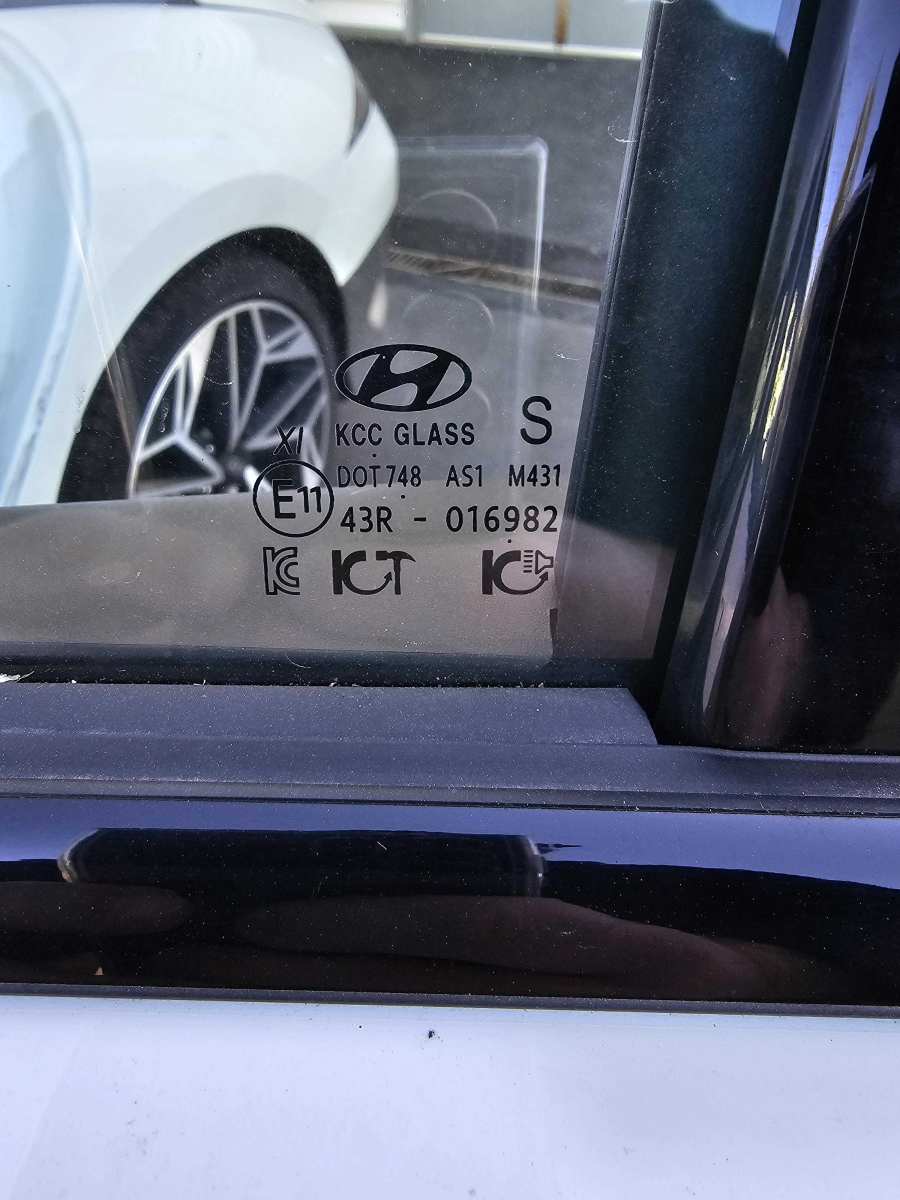
To quickly check if your windshield is laminated, look for a distinctive plastic layer between two glass sheets—it’s what makes the windshield shatter-proof. You can also perform a simple test by gently tapping the glass; laminated windshields tend to produce a dull sound, unlike the clear, ringing noise of regular glass.
Laminated windshields are designed to stay intact when broken, providing safety and durability. To identify if your windshield is laminated, examine the glass for a visible plastic layer or perform a basic sound test. This simple check can save you time and ensure your safety on the road.
When it comes to maintaining your vehicle’s safety features, verifying if your windshield is laminated is essential. Laminated windshields are common in modern cars because they prevent shattering and protect occupants during accidents. Checking whether your windshield is laminated involves inspecting the glass for a plastic interlayer or performing a quick sound test. These simple steps can give you peace of mind and help you determine if your windshield meets safety standards. Whether you’re replacing a damaged windshield or just curious about your car’s safety features, knowing how to identify laminated glass is an invaluable skill for every driver.

How to Check Laminated Windshield: A Complete Guide
Understanding What a Laminated Windshield Is
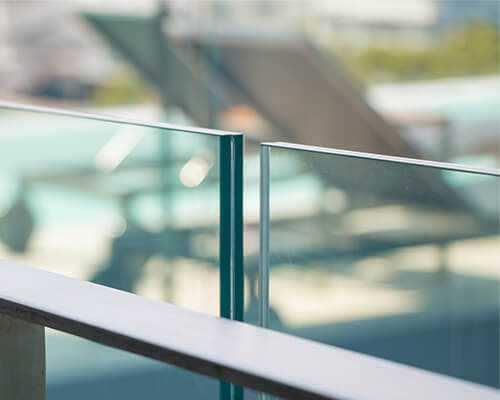
A laminated windshield consists of two layers of glass bonded together with a plastic layer called polyvinyl butyral (PVB). This design helps prevent shattered glass from flying around if the glass breaks, keeping you safer on the road. Knowing the structure helps in understanding what signs indicate damage or issues.
Why Regular Inspection of Your Laminated Windshield Is Important
Checking your windshield regularly ensures that any damage is caught early before it gets worse. A damaged windshield can weaken your car’s structure and reduce visibility, increasing the risk of accidents. Routine checks can save money by avoiding costly replacements later.
Signs to Look for When Checking Your Laminated Windshield
There are several key indicators that your laminated windshield may need repair or replacement. Look for cracks, chips, foggy spots, or signs of delamination. These issues can compromise your safety and should not be ignored.
Step-by-Step Guide on How to Check Laminated Windshield
1. Visual Inspection for Cracks and Chips
Start by examining the entire surface of the windshield carefully. Use good lighting to spot any cracks or chips. Focus on the edges and the central areas where damage is more likely to occur. Small chips may look like tiny dings, but they can spread into larger cracks.
2. Check for Delamination
Delamination occurs when the layers of glass and plastic start to separate. To detect it, hold a flashlight at an angle against the glass during the day or in a dark room. If you see a blurry or hazy area, it indicates possible delamination. You can also tap gently on the glass with your fingernail; a hollow sound suggests separation.
3. Examine the Edges for Wear and Damage
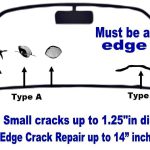
Pay close attention to the edges of the windshield. Edges are more prone to damage because they experience more stress. Look for cracks, chips, or signs of peeling paint around the perimeter. Damage here can compromise the overall strength of the windshield.
4. Assess Visibility and Clarity
Sit inside your vehicle and look through the windshield. Check for foggy patches, discoloration, or any distortions. These issues may be signs of internal damage or moisture trapped inside the layers. Good visibility is essential for safe driving.
5. Look for Discoloration or Cloudiness
Over time, laminated windshields can develop a cloudy appearance, especially in the plastic layer. If you notice this, your windshield may be aging or damaged beyond simple repairs. Addressing these issues early can help maintain clarity.
Testing the Strength and Integrity of Your Windshield
Beyond visual checks, some tests can help evaluate your windshield’s strength. For instance, gently pressing on different areas can reveal soft spots or weak points. If the glass feels loose or shows excessive movement, it needs professional attention.
Using Professional Inspection Tools
If you’re unsure about your observations, professionals use specialized tools like ultrasonic testers or magnifiers to detect internal damage. These instruments can measure delamination thickness and identify cracks invisible to the naked eye.
What to Do If You Find Damage on Your Laminated Windshield
Small chips or cracks can sometimes be repaired if caught early. Use a DIY windshield repair kit following the instructions carefully. However, large cracks or extensive delamination usually require professional replacement to ensure safety.
Preventative Measures to Maintain Your Laminated Windshield
To prolong your windshield’s life, avoid rapid temperature changes and use sunshades on hot days. Park in shaded or covered areas when possible. Regular cleaning with gentle glass cleaners also helps prevent damage from debris and dirt buildup.
Common Misconceptions About Checking Windshields
Many believe that minor cracks do not need attention. This is false because small damages can quickly expand due to temperature fluctuations or vibrations. Always inspect thoroughly and seek professional advice if unsure.
Additional Tips for a Safe and Clear Driving Experience
Keep your windshield free of dirt and debris for optimal visibility. Use your windshield wipers regularly and replace wiper blades when they are worn out. Proper maintenance ensures that minor issues are less likely to develop into serious problems.
Why Professional Inspection is Recommended
While DIY checks are helpful, professional inspections offer a more thorough assessment. Experts have the right tools and experience to evaluate internal damage that isn’t visible to the naked eye. Periodic professional checks can extend the lifespan of your laminated windshield.
Related Topics to Explore
For further knowledge, consider learning about auto glass repair procedures, insurance coverage for windshield damage, and the differences between laminated and tempered glass. Understanding these topics enhances your ability to make informed decisions regarding your vehicle’s safety.
In conclusion, regular and careful inspection of your laminated windshield is essential for safe driving. Recognizing early signs of damage and addressing them promptly can save lives and money. Use a combination of visual checks, simple tests, and professional evaluations to keep your windshield in top condition.
The OEM vs. Aftermarket Windshield Debate – Watch This Before You Replace! | Glass.com®
Frequently Asked Questions
What are the signs of a laminated windshield that indicate it may need replacement?
Look for visible cracks or bullseye damages that penetrate the outer layer but do not extend into the inner layer. Additionally, if you notice any bubbling or delamination between the layers, it suggests the laminate is compromised. Foggy or cloudy spots appearing inside the glass can also signal a failure in the lamination process, which requires attention.
How can I safely perform a visual inspection of my laminated windshield at home?
Park your vehicle in a well-lit area and examine the windshield from different angles. Check for any cracks, chips, or areas where the glass appears hazy or discolored. Gently tap the surface with a small object to listen for changes in sound, which can indicate internal damage. Ensure that no parts of the glass are separating or peeling away from the laminate layer.
Are there any specific tests to verify the integrity of a laminated windshield?
Applying light pressure around the edges of the windshield can help detect any looseness or delamination. Some professionals perform a dye check by applying a special UV dye to identify cracks and areas where the laminate may be compromised. If you suspect damage, it’s best to have a qualified technician conduct a more thorough assessment using specialized tools and methods.

Similar Posts