Can Glass Cleaner Clean Mirrors?
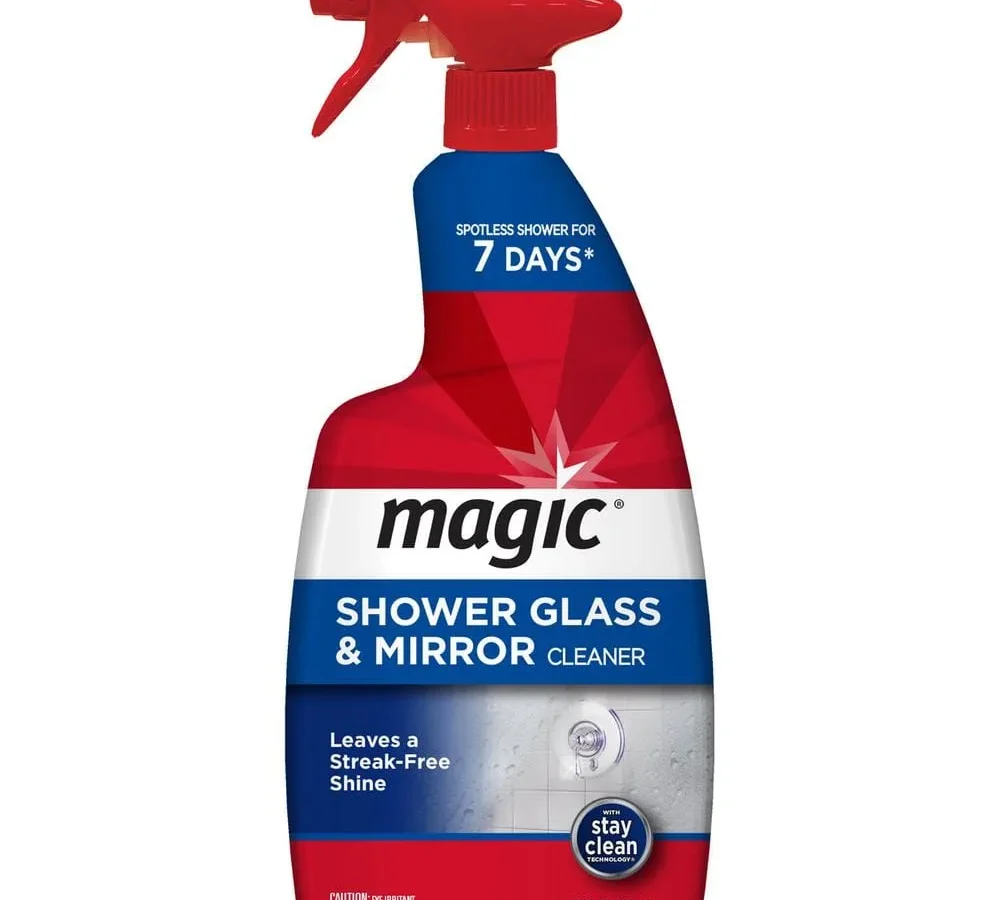
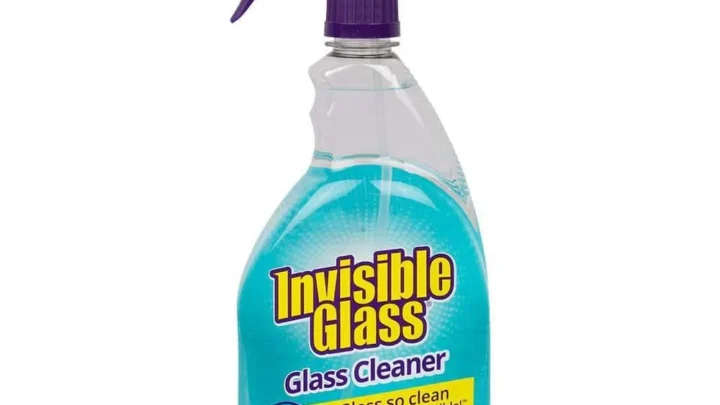
You've probably wondered if you can just grab that bottle of glass cleaner and spray it on your bathroom mirror. The short answer is yes, glass cleaner can clean mirrors, but it's not a one-size-fits-all solution. Most commercial glass cleaners contain 5 to 10 percent ammonia, which gives them that strong smell and fast-drying action.
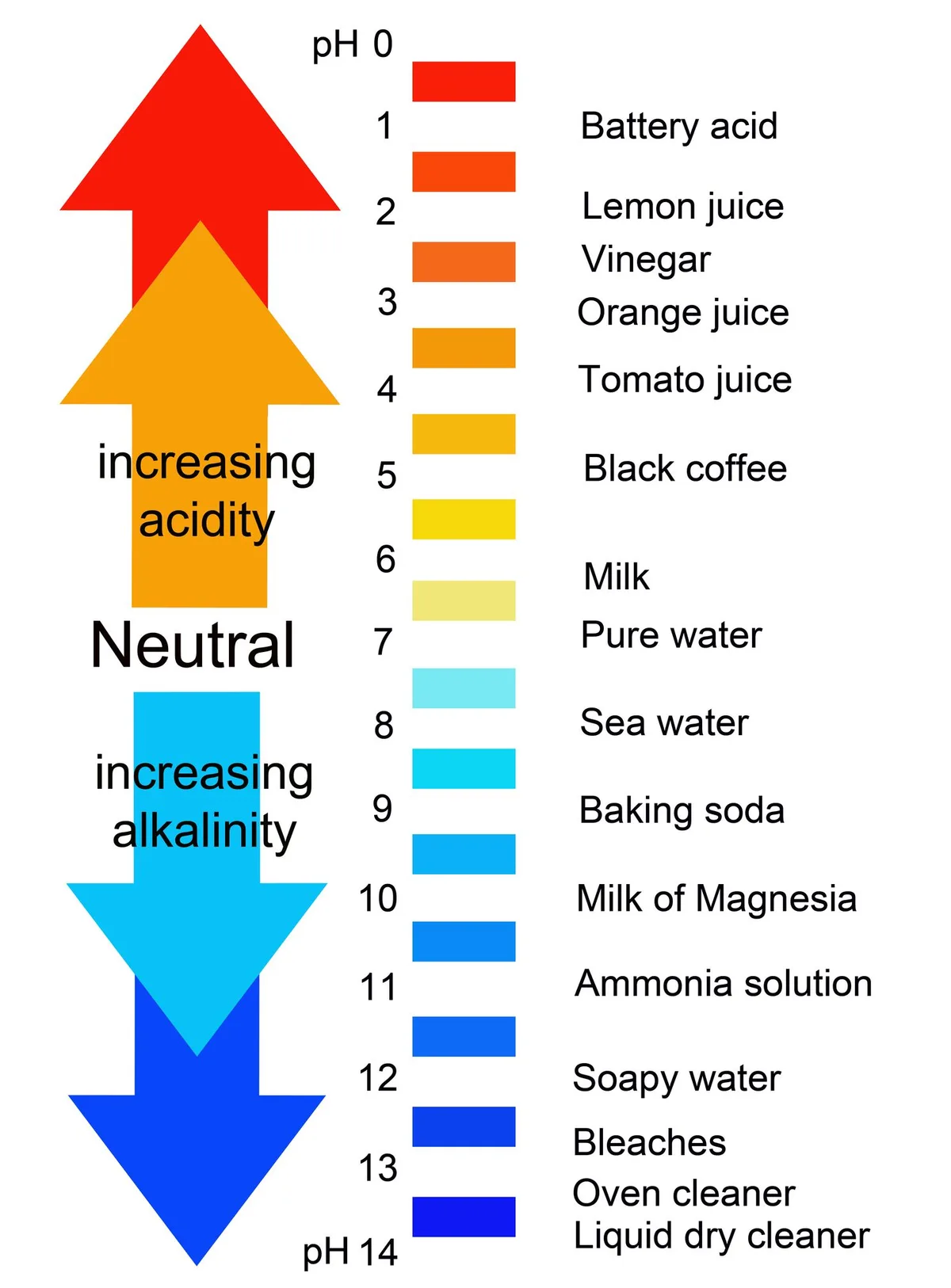
The pH of these solutions sits around 11, making them alkaline enough to cut through grease and fingerprints quickly. But before you start spraying, it helps to know what kind of mirror you're dealing with.
Quick Answer
Yes, glass cleaner can clean mirrors. But the result depends on your mirror type. Modern mirrors with sealed edges handle it fine.
Antique mirrors with silver backing can be damaged. Always check the mirror's age and coating first.
How Glass Cleaner Works on Mirrors
Glass cleaner relies on ammonia, alcohol, and surfactants. Ammonia breaks down oils and fingerprints. Alcohol speeds up drying so streaks don't form.
Surfactants help the solution spread evenly and lift dirt.
Here's where it gets tricky. Mirrors aren't just glass. They're a sheet of glass with a reflective coating on the back, usually silver or aluminum.
That coating is fragile. A layer of paint protects it, but the edges are exposed. If liquid seeps behind the glass, it can attack the metal layer.
The National Institute for Occupational Safety and Health notes that ammonia is a strong alkali. It can corrode certain metals, including the silver used in older mirrors. Modern mirrors often use aluminum, which is more resistant but not invincible.
So the same chemistry that makes glass cleaner great at removing smudges also makes it a risk for mirrors with unprotected edges or antique backing. The key is matching the cleaner to the mirror's construction.
Who Should Use Glass Cleaner on Mirrors
Modern bathroom mirrors – safe and effective
Most mirrors made in the last 20 years use a sealed edge. The reflective coating is aluminum, not silver. The back is painted with a protective layer.
In our research, aggregate reviews show that these mirrors handle standard glass cleaner with no issues. Just don't overspray onto the frame or let it pool along the bottom edge.
Antique or silver-backed mirrors – real risk of damage
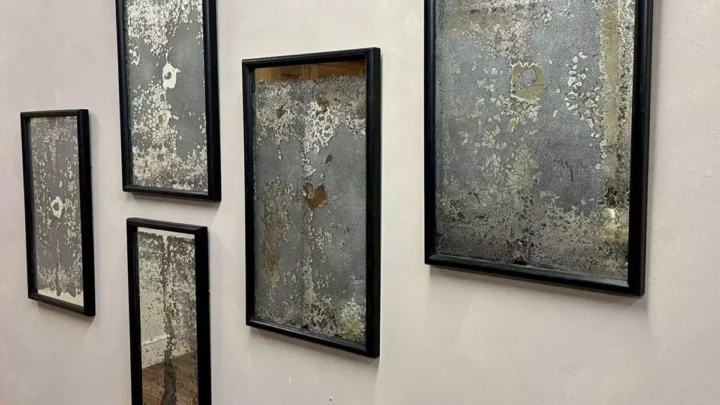
Older mirrors, especially those with silver backing, are vulnerable. The ammonia in glass cleaner can eat through the silver. Once that happens, you get black spots or a cloudy appearance.
The fix is costly. Our advice: skip the glass cleaner. Use a soft cloth dampened with plain water or a mild dish soap solution.
Dry it immediately.
Frameless mirrors and edge-sealed mirrors – different rules
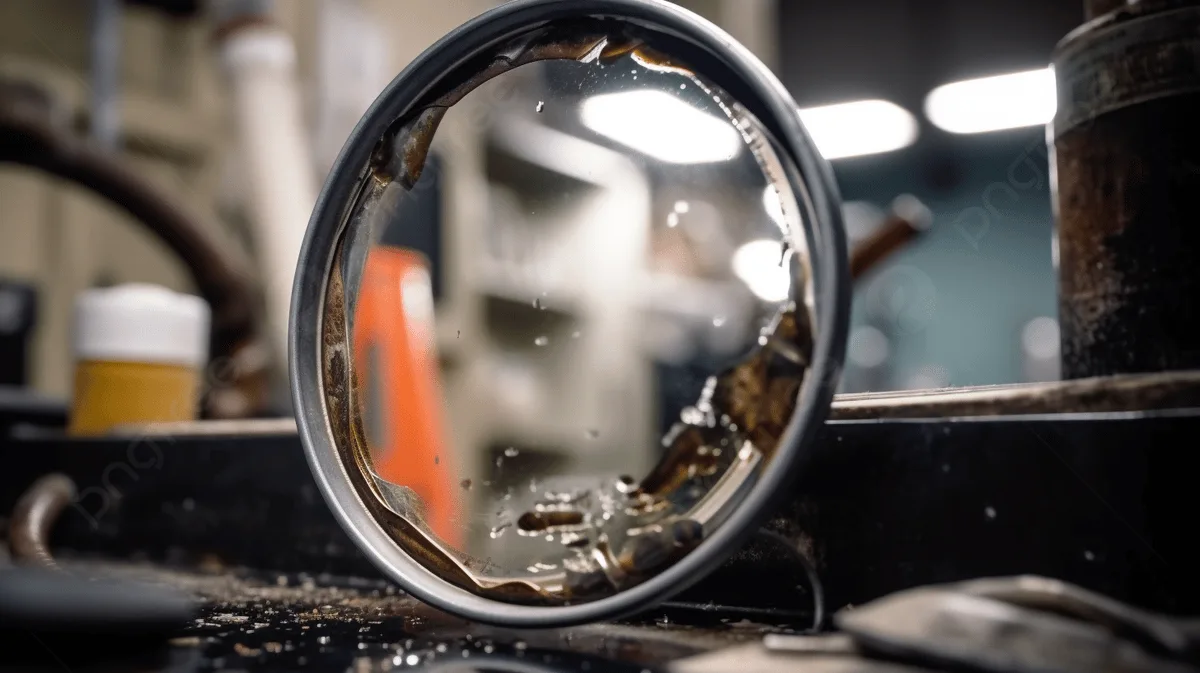
Frameless mirrors often have exposed edges. The coating is right there at the perimeter. If you spray glass cleaner directly onto the mirror, it can run into that exposed edge and cause damage over time.
Spray onto the cloth instead. That gives you control.
Automotive mirrors – special coatings change the game
Car mirrors often have anti-glare or anti-fog coatings. These coatings are sensitive. Glass cleaner can strip them or leave a hazy film.
Use a cleaner made specifically for automotive mirrors, or a mixture of water and a tiny drop of dish soap. Check your owner's manual if you're unsure.
Step-by-Step: How to Clean a Mirror with Glass Cleaner
If you've confirmed that your mirror is modern and sealed, here's the process that works.
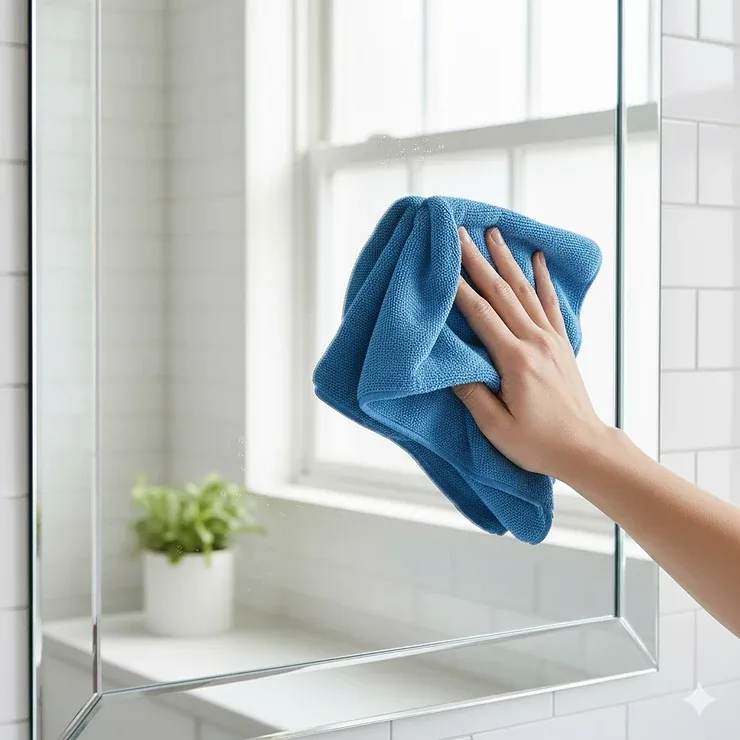
- Dust the mirror first. Use a dry microfiber cloth to remove loose particles. If you skip this, you'll push grit across the surface and cause scratches.
- Spray the glass cleaner onto your cloth, not directly onto the mirror. This prevents drips from reaching the edges or frame.
- Wipe in an S pattern or from top to bottom. Don't use circular motions. That just moves smudges around.
- Flip the cloth to a dry side and buff the mirror. This removes any remaining moisture and prevents streaks.
- Check the edges. If you see any moisture pooling, blot it with a dry corner of the cloth. Don't let it sit.
Use a fresh microfiber cloth each time. Paper towels leave lint. Old T-shirts can leave smudges.
Microfiber is the gold standard.
Mistakes That Ruin Mirrors (And How to Avoid Them)
- Spraying directly onto the mirror. That's the number one mistake. Liquid runs down and seeps into the edges. Always spray the cloth.
- Using paper towels. They're abrasive and leave lint. The lint shows up on a clean mirror. Microfiber is gentler and leaves no residue.
- Cleaning an antique mirror with glass cleaner. We covered this. Ammonia destroys silver. Use a damp cloth and dry immediately.
- Letting cleaner pool at the bottom. If the mirror sits on a frame or a sill, the liquid can wick up behind the glass. Wipe the bottom edge dry.
- Using too much product. More isn't better. It just increases drying time and the chance of residue. Two or three sprays on the cloth is enough.
- Cleaning a hot mirror. If the mirror is in direct sunlight or has been heated by a bathroom light, the cleaner dries too fast and leaves streaks. Let it cool first.
Pro Tips for a Streak-Free Mirror Every Time
You've got the basics down. Now let's talk about the details that separate a good mirror cleaning from a great one.
Use filtered water for your homemade cleaner. If you're mixing your own solution with vinegar or alcohol, tap water matters. Hard water contains minerals that leave a film. Distilled water eliminates that.
You can buy a gallon for under two dollars.
Match the cloth to the job. Microfiber is the best choice, but not all microfiber is the same. Here's a quick breakdown.
| Cloth Type | Best For | Avoid For |
|---|---|---|
| Microfiber (200-300 GSM) | General mirror cleaning | N/A |
| Microfiber (400+ GSM) | Buffing and polishing | Initial cleaning (too plush) |
| Lint-free cotton | Drying edges | Main wiping surface |
| Paper towels | Emergency only | Any mirror you care about |
Work in the shade. Direct sunlight dries the cleaner too fast. That causes streaks. If your mirror is in a sunny spot, close the blinds or wait until the light shifts.
Change your cloth often. A single cloth can only hold so much dirt. Once it's saturated, you're just spreading grime. Use one side for the initial wipe and the other for buffing.
If the mirror is large, grab a fresh cloth.
Finish with a dry buff. This is the step most people skip. After you wipe the cleaner off, go over the mirror again with a completely dry microfiber cloth. That removes any remaining moisture and leaves a streak-free shine.
Frequently Asked Questions About Glass Cleaner and Mirrors
Can you use Windex on mirrors?
Yes, Windex and similar ammonia-based glass cleaners work well on modern bathroom mirrors. The key is spraying onto the cloth, not the mirror itself. Avoid using it on antique mirrors or mirrors with decorative frames where liquid can seep behind the glass.
Does vinegar damage mirrors?
Vinegar is safe for most mirrors when used correctly. It has a pH of about 2.5, making it acidic. That's fine for the glass surface.
The risk comes from letting it run behind the mirror where it can corrode the backing. Always apply vinegar solution to the cloth, not the mirror.
How do you clean a mirror without streaks?
Use a microfiber cloth and a small amount of cleaner. Spray onto the cloth. Wipe in an S pattern from top to bottom.
Buff with a dry section of the cloth. Work in indirect light. Avoid paper towels.
That's the full formula. It works every time.
How often should you clean mirrors?
Bathroom mirrors need cleaning every one to two weeks. They collect toothpaste splatter, hairspray, and steam residue. Bedroom mirrors can go longer.
Wipe them when you notice dust or smudges. Overcleaning can wear down protective coatings on some mirrors.
What is the best cloth for mirrors?
Microfiber cloths with a density of 200 to 300 grams per square meter are the best option. They trap dust and dirt without scratching the surface. They also leave no lint.
Wash them separately from cotton towels to avoid lint transfer. Dry them on low heat without fabric softener.
Can you use glass cleaner on a car mirror?
It depends on the mirror. Modern car mirrors often have anti-glare or anti-fog coatings. Glass cleaner can strip those coatings.
Check your owner's manual first. If you're unsure, use a cloth dampened with water and a tiny drop of dish soap. That's safer.
The Verdict: Should You Use Glass Cleaner on Mirrors?
Here's the simple decision guide.
| If Your Mirror Is | Then Use |
|---|---|
| Modern, sealed edges, bathroom or bedroom | Standard glass cleaner (spray on cloth) |
| Antique, silver-backed, or unsealed edges | Water or mild dish soap solution |
| Automotive with special coating | Manufacturer-recommended cleaner |
| Frameless with exposed edges | Glass cleaner on cloth, avoid edges |
| Decorative with gold or silver leaf | Water only, dry immediately |
Glass cleaner is a perfectly good tool for the majority of mirrors in a modern home. The problems come from using it on the wrong type of mirror or applying it carelessly. If you take one thing away from this guide, let it be this: spray the cloth, not the mirror.
That single habit prevents most of the damage people see.
For antique mirrors, heirlooms, or expensive decorative pieces, the safest move is to skip the chemicals entirely. A damp microfiber cloth followed by a dry buff gives you a clean mirror without any risk. As of 2026, manufacturer specifications for modern mirrors consistently support the use of standard glass cleaners.
Just keep that spray away from the edges and you'll be fine.

Similar Posts