Are Mirrors Made of Glass? The Truth
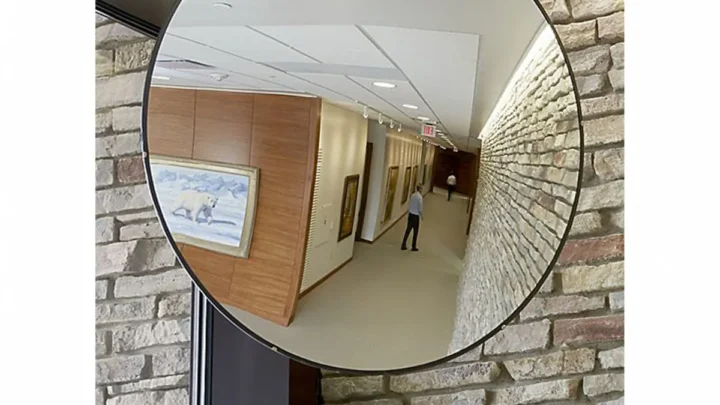
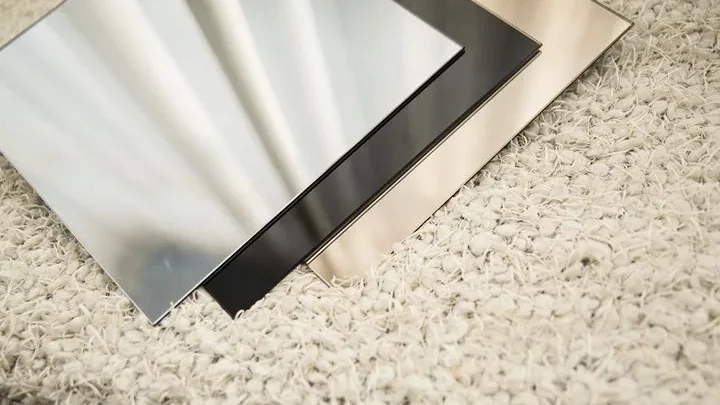
Most mirrors are made of glass, but not all of them. Walk into any bathroom and you are probably looking at a glass mirror with a silver or aluminum coating on the back. That setup has been standard for centuries.
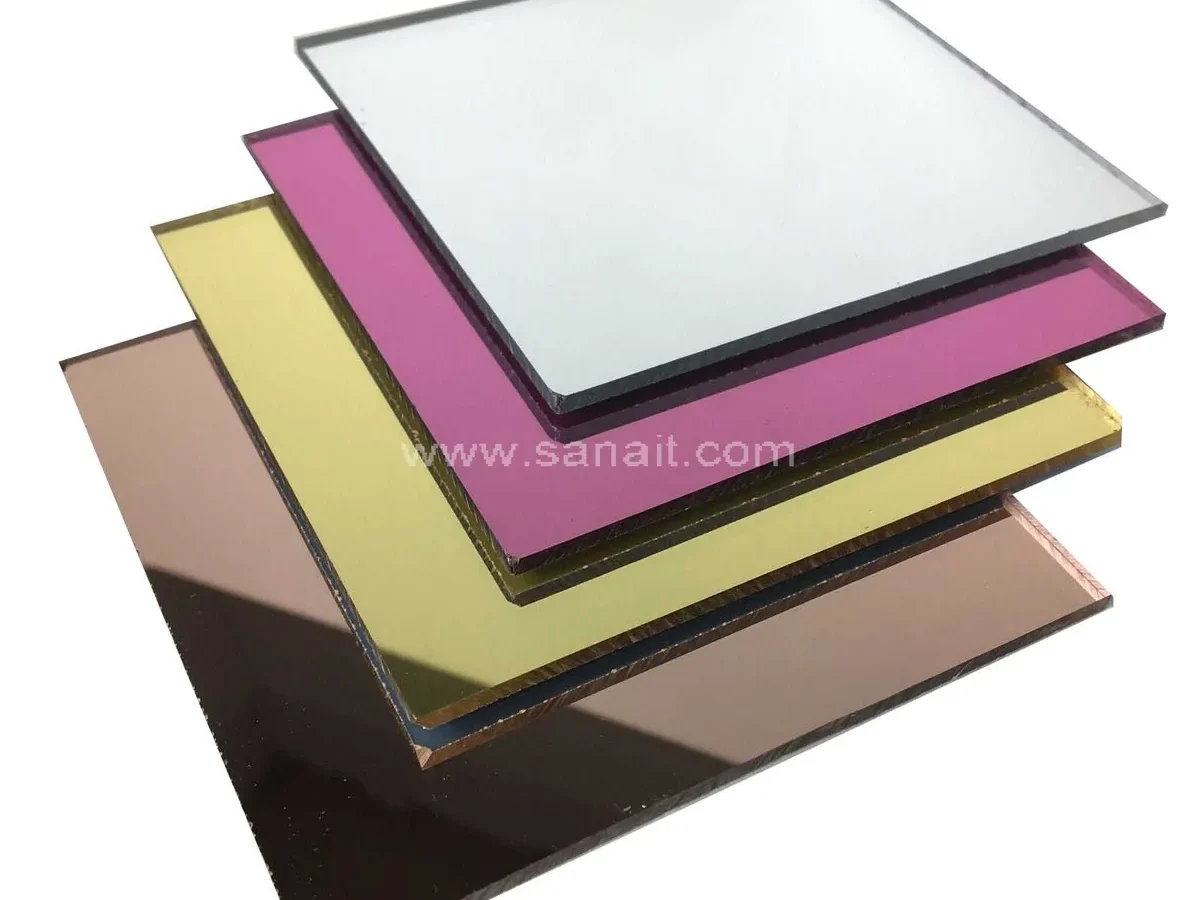
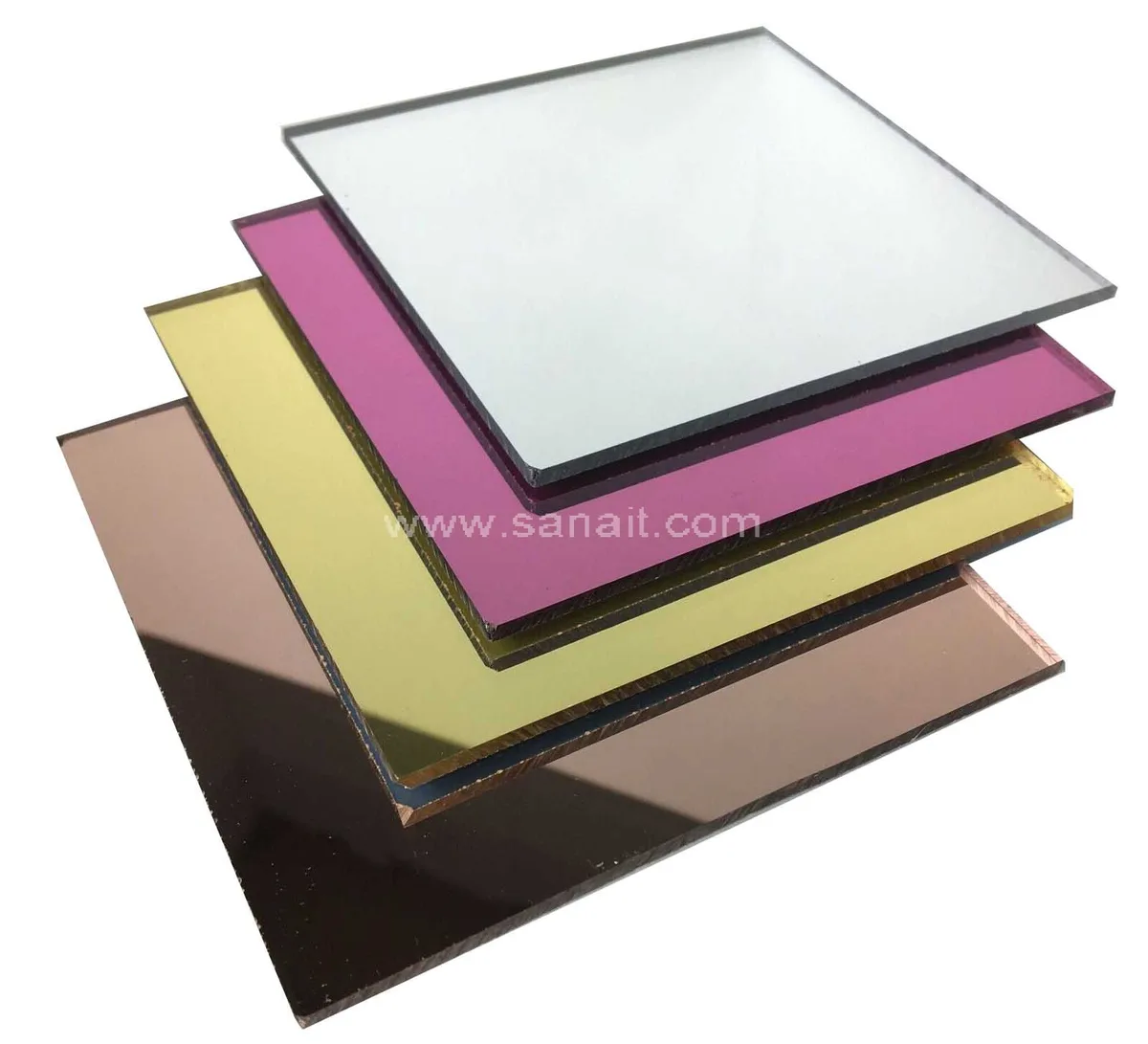
But plastic mirrors have become a legitimate alternative in many settings. According to ASTM D4802, acrylic sheet has specific standards for mirror use. As of 2026, you can find mirrors made from acrylic, polycarbonate, stainless steel, and even flexible Mylar film.
The real question is not "are mirrors made of glass?" It is "which mirror is made of glass, and which one do I need?"
Quick Answer
Most mirrors are made of glass. That is the standard material for home mirrors. But acrylic and polycarbonate mirrors exist.
Stainless steel mirrors exist too. The material depends on the use case. Check your mirror's edge, weight, and backing to confirm.
Why It Matters
Get the material wrong and you could have problems. A glass mirror in a children's playroom is a safety hazard. A heavy glass mirror on a flimsy RV wall can fall and break.
An acrylic mirror near a heat source can warp and distort.
Per CPSC safety guidelines, shatterproof materials are recommended for areas with children. Building codes in many states require safety glazing for mirrors in schools and gyms. The wrong choice can mean injury, property damage, or code violations.
Knowing what your mirror is made of matters more than you might think.
Quick Decision Tree
Here is a simple way to figure out what material your mirror is. Ask yourself these questions in order.

Is it in a high-traffic area where breakage is likely?
- Yes: Go to "Is weight a concern?"
- No: It is probably glass. Proceed to confirm.
Is weight a concern?
- Yes: Consider acrylic or polycarbonate. Glass is heavy.
- No: Glass is fine. Move to "Is it for outdoor use?"
Is it for outdoor use?
- Yes: Choose stainless steel or treated acrylic. Glass can crack from temperature swings.
- No: Glass or acrylic both work. Check the edge.
Can you see the edge?
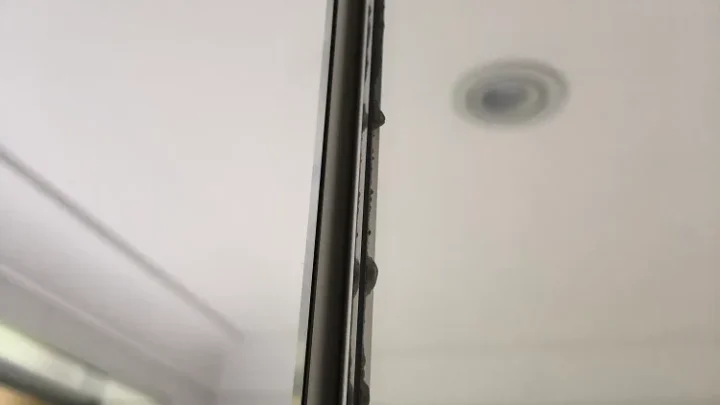
- Glass: Sharp, clean, uniform edge. Often greenish or clear.
- Acrylic: Slightly duller edge. May look frosted or have a small burr.
- Polycarbonate: Very tough. Harder to scratch with a knife.
Is it flexible?
- Yes: It is acrylic or polycarbonate. Not glass.
- No: It is glass. Apply gentle pressure near the edge.
The 4 Most Common Mirror Materials (and How to Spot Them)
Now let us look at each material in detail. You can spot them with a few simple checks.
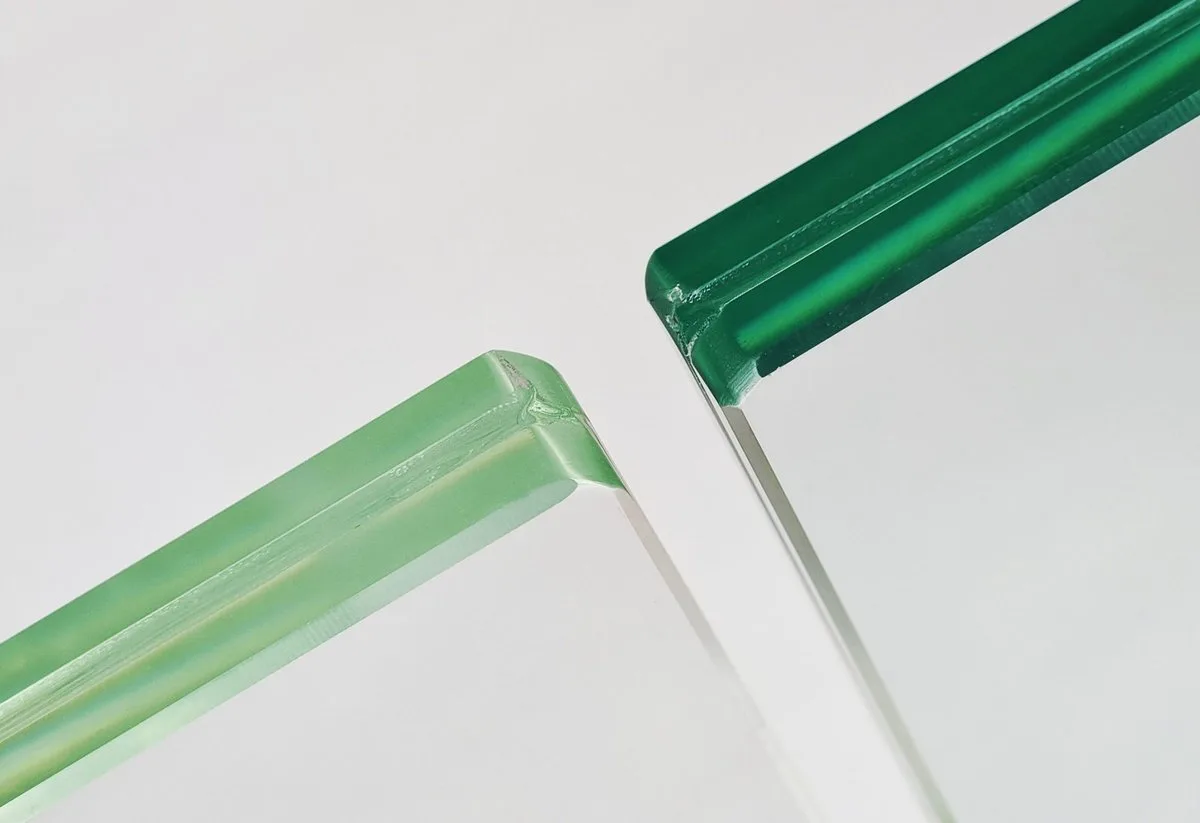
Glass Mirror
This is the standard. It is what you find in most bathrooms and bedrooms. The glass is usually 1/8 inch to 1/4 inch thick.
The back has a reflective coating, typically silver or aluminum, and a protective paint layer.
How to spot it: Tap the surface. Glass gives a sharp, clear ring. Look at the edge.
It is clean, precise, and may have a slight green tint. You cannot bend it at all.
Pros: Excellent optical clarity, scratch resistant, low cost for large sizes.
Cons: Heavy, brittle, dangerous when broken, difficult to cut.
Acrylic Mirror
Acrylic is a plastic substitute. It is lightweight and shatterproof. You will find it in gyms, children's rooms, and RVs.
How to spot it: Tap it. It gives a dull thud. Look at the edge.
It may look slightly frosted or have a burr. It is flexible. You can bend it slightly without breaking.
Pros: Lightweight, shatterproof, easy to cut with a saw, flexible, safe for kids.
Cons: Scratches easily, can warp in heat, may yellow over time, costs more than glass.
Polycarbonate Mirror
Polycarbonate is even tougher than acrylic. It is 250 times stronger than glass. It is used in security settings, prisons, and high-impact areas.
How to spot it: It is very hard to scratch with a knife. It is heavier than acrylic but still lighter than glass. It is not as flexible as acrylic.
Pros: Extremely impact resistant, good for high-security areas, lightweight.
Cons: Expensive, can scratch, may yellow, harder to cut cleanly.
Stainless Steel Mirror
This is not glass at all. It is a polished metal sheet. You see it in commercial kitchens, industrial settings, and some gyms.
How to spot it: It is cold to the touch. It is not transparent. It has a metallic sheen.
It is heavy and rigid.
Pros: Durable, corrosion resistant, works in wet environments, fireproof.
Cons: Expensive, not as clear as glass, limited to industrial applications.
Which Material Is Right for Your Situation?
Here is where the decision tree pays off. Match your situation to the material.
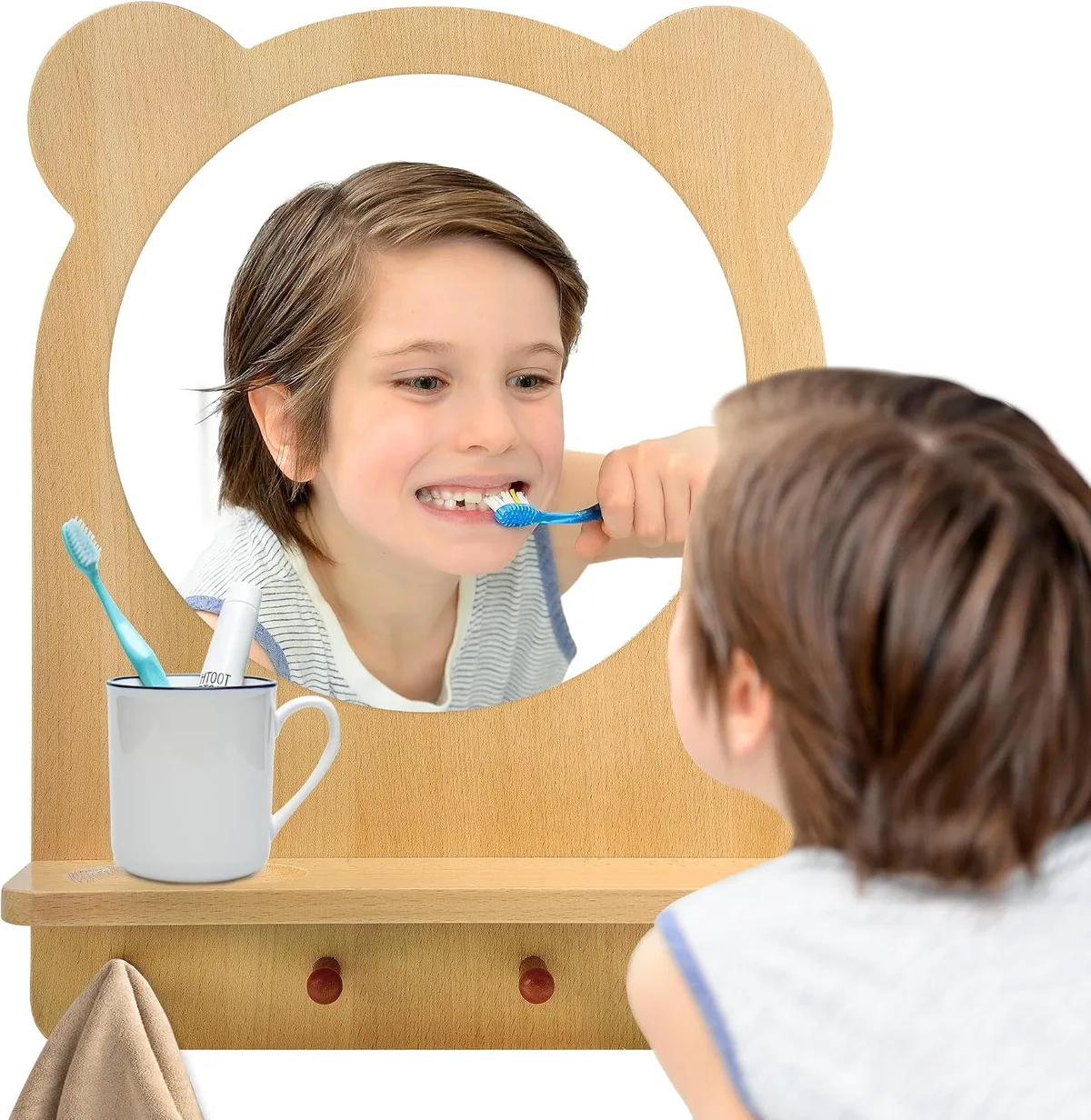
For a Child's Room
Use acrylic. It is shatterproof. If it breaks, it cracks into dull pieces, not sharp shards.
It is lightweight, so it is easier to mount safely. Many parents choose it for nurseries and playrooms.
For a Bathroom
Use glass. It is the standard. It offers the best clarity for makeup application and shaving.
It resists scratches from cleaning. Just make sure it is properly mounted with mastic or clips.
For a Gym or Dance Studio
Use acrylic or polycarbonate. Glass is too dangerous. A single collision can shatter it.
Acrylic and polycarbonate handle impact well. They also weigh less, which makes wall mounting easier.
For an RV or Boat
Use acrylic. Weight is a major concern. Glass is heavy and can break from road vibrations.
Acrylic is lightweight and flexible. It can handle the movement without cracking.
For Outdoor Use
Use stainless steel or treated acrylic. Glass can crack from thermal shock. Acrylic can warp from heat.
Stainless steel is the most durable option. If you need a mirror outside, choose a material rated for outdoor conditions.
For a High-Security Area
Use polycarbonate. It is the strongest option. It resists impact and is difficult to break.
It is used in prisons, police stations, and bank lobbies.
Common Mistakes to Avoid
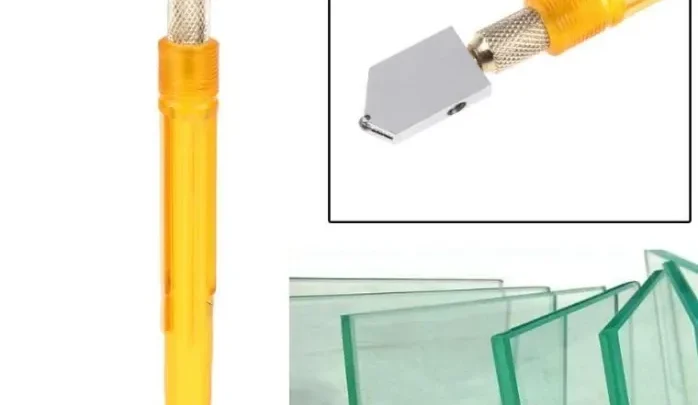
Assuming all mirrors are glass. This is the biggest one. You pick up a mirror, assume it is glass, and try to cut it with a glass cutter. If it is acrylic, you ruin the tool and the mirror.
Always check the material first.
Using glass where shatterproof is required. Schools, gyms, and daycares often have safety glazing requirements. A glass mirror in these spaces can violate building codes. Per ANSI Z97.1, safety glazing is needed in hazardous locations.
Check your local code before installing.
Installing glass mirrors in RVs or boats. Vibration and movement will crack a glass mirror eventually. It is heavy too. Use acrylic or polycarbonate instead.
They handle the motion and save weight.
Cleaning acrylic mirrors with glass cleaner. Standard glass cleaners contain ammonia. Ammonia damages acrylic. It causes clouding and cracking.
Use a water-based cleaner and a soft cloth.
Mounting heavy mirrors with weak hardware. A glass mirror is heavy. A 3×4 foot mirror weighs about 18 pounds. Use mirror mastic or proper clips.
Do not rely on double-sided tape alone.
Cutting glass mirrors without safety gear. Glass dust and shards are dangerous. Wear safety glasses and gloves. Use a proper glass cutter.
Do not try to snap thick glass with bare hands.
Frequently Asked Questions
Are all mirrors made of glass?
No, not all mirrors are made of glass. Acrylic, polycarbonate, stainless steel, and Mylar are common alternatives. Glass is the most common material for home mirrors.
Plastic mirrors are used in gyms, children's rooms, and RVs for safety and weight reasons.
How can I tell if a mirror is glass or acrylic?
Tap the surface. Glass rings clearly. Acrylic makes a dull thud.
Check the edge. Glass has a sharp, clean edge. Acrylic looks slightly frosted or has a burr.
Try bending it gently. Acrylic flexes. Glass does not.
Is acrylic mirror as clear as glass?
No, acrylic mirror is not as clear as glass. Glass offers superior optical clarity with no distortion. Acrylic can have slight waviness or distortion, especially in larger sheets.
For makeup application or shaving, glass is better. For safety and weight, acrylic is acceptable.
Can you cut a glass mirror at home?
Yes, you can cut a glass mirror at home. You need a glass cutter, straightedge, and safety gear. Score the glass firmly.
Snap it along the score line. Use oil on the cutter wheel. Practice on scrap first.
Thick mirrors are harder to cut cleanly.
What mirror material is safest for a child's room?
Acrylic is the safest mirror material for a child's room. It is shatterproof. If it breaks, it cracks into dull pieces without sharp edges.
It is lightweight and easy to mount securely. Glass mirrors should be avoided in children's spaces.
Do plastic mirrors yellow over time?
Yes, plastic mirrors can yellow over time. Acrylic and polycarbonate both experience UV degradation. This causes a yellow tint after 10 to 20 years.
UV-resistant coatings help. For outdoor use, stainless steel or treated glass is a better choice.

Similar Posts