How to Hang a Mirror Without Nails (No Damage)
If you're wondering how to hang a mirror on a wall without nails, you're not alone. Maybe you're renting and can't drill holes. Or you just want to avoid patching drywall later.
The good news is that several reliable methods exist, as long as you follow the right steps.
Manufacturer specifications indicate that properly installed adhesive strips can hold up to 20 pounds on clean drywall. But weight alone isn't the whole story. Wall texture, temperature, and humidity all affect whether your mirror stays up or falls.
Quick Answer
Use adhesive mounting strips for mirrors under 20 pounds. Use mirror clips for heavier mirrors. Construction adhesive works for permanent installations.
Match the method to your wall type and mirror weight. Follow manufacturer weight limits exactly.
Why Getting This Right Matters
A falling mirror is a real safety hazard. Heavy glass can shatter into sharp shards. It can damage floors, furniture, or injure a person or pet.
The U.S. Consumer Product Safety Commission tracks thousands of injuries each year from furniture and fixture tip-overs. Mirrors that fall off walls are part of that statistic.
As of 2026, rental agreements in many major cities specifically prohibit nail holes in walls. Landlords can deduct from security deposits for damage caused by improper mounting.
A broken mirror costs 50 to 200 dollars to replace. Damaged drywall or tile costs even more to repair. Getting the method right the first time saves money and stress.
A 30-pound mirror falling from head height can cause serious injury. Weight limits and proper installation aren't suggestions. They're safety requirements.
The 3 Methods That Actually Work
Not all no-nail methods are created equal. After reviewing manufacturer specifications and aggregate user feedback, three methods consistently deliver reliable results.
Adhesive Mounting Strips
These are the foam strips that interlock when pressed together. They're designed for lightweight to medium mirrors. Most brands rate their strips for 5 to 20 pounds total, depending on how many strips you use.
Best for: Mirrors under 20 pounds on smooth, clean drywall. Ideal for renters who want clean removal later.
Limitations: Don't work well on textured walls, tile, or porous surfaces. Performance drops in high humidity.
Self-Adhesive Mirror Clips
These are plastic or metal brackets that stick to the wall and hold the mirror's bottom edge. The mirror rests on the clips. Some clips also have top retainers for stability.
Best for: Medium mirrors, 15 to 30 pounds, on tile or drywall. Good for bathroom installations where moisture is a concern.
Limitations: The mirror sits away from the wall slightly. You need to measure carefully for level placement.
Construction-Grade Adhesive
This is a permanent solution. Liquid adhesives designed for mirror bonding create a strong bond between the mirror back and the wall surface. Some products require a 24-hour cure time before the mirror can hold its full weight.
Best for: Heavy mirrors over 20 pounds in permanent installations. Works on drywall, plaster, and tile.
Limitations: Nearly impossible to remove without damaging the wall or mirror. Not suitable for renters.
How to Choose the Right Method for Your Mirror Weight and Wall Type
Choosing the wrong method is the most common reason mirrors fall. Here's a simple decision framework based on your specific situation.
Weight Determines Everything
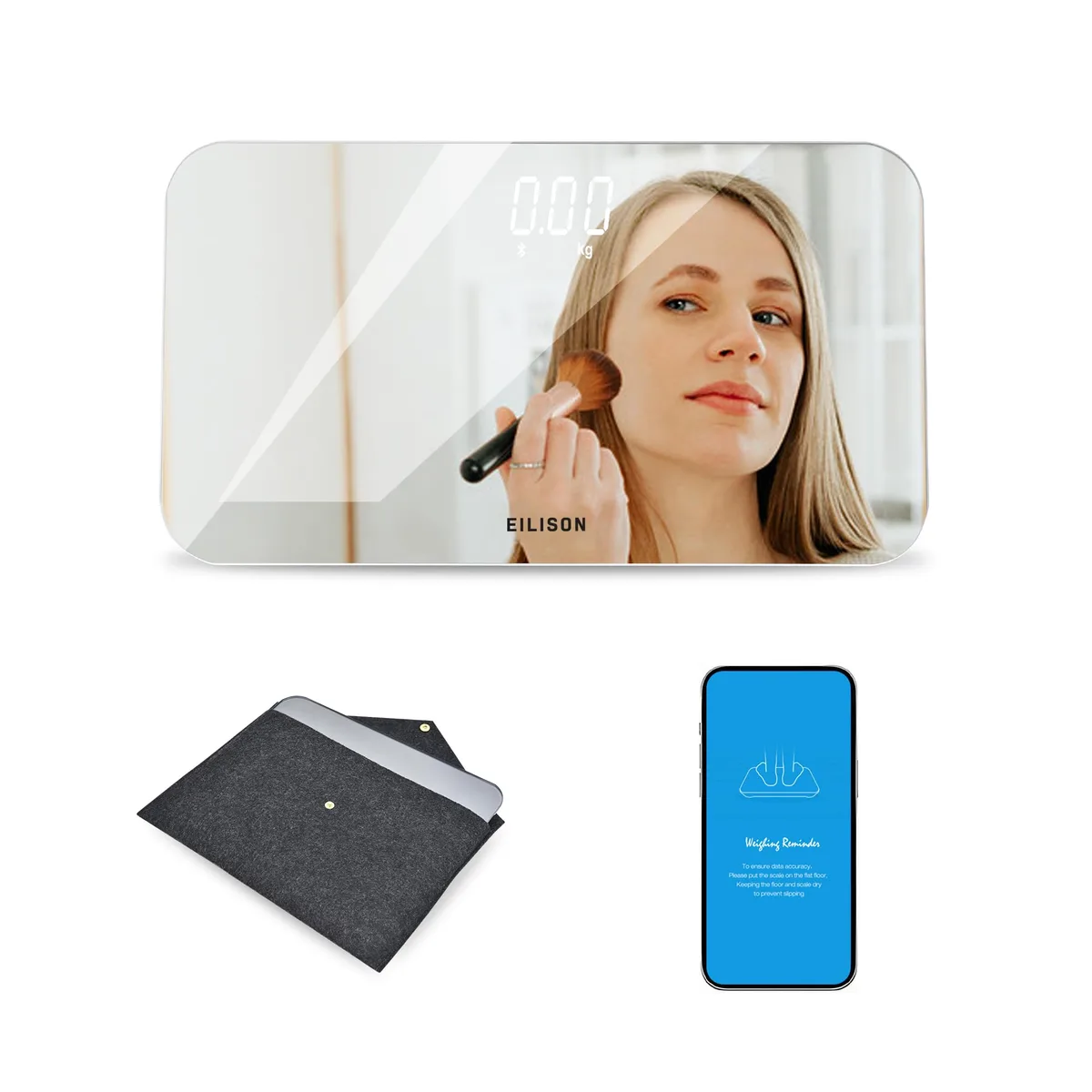
The first step is knowing your mirror's weight. Weigh it on a bathroom scale if you can. If that's not possible, estimate based on size.
A standard 24 by 36 inch mirror with a thin frame weighs roughly 10 to 15 pounds. A mirror with a thick wood frame can weigh twice that.
Wall Type Affects Adhesion
Smooth drywall works with all three methods. Textured drywall reduces contact area for adhesive strips by up to 50 percent. Tile walls require adhesives designed for non-porous surfaces.
Plaster walls are less predictable and may need construction adhesive for a secure bond.
Quick Reference Table
| Method | Max Weight | Best Wall Type | Permanence | Renters OK? |
|---|---|---|---|---|
| Adhesive strips | 20 pounds | Smooth drywall | Removable | Yes |
| Mirror clips | 30 pounds | Drywall, tile | Semi-permanent | Mostly |
| Construction adhesive | 50+ pounds | Drywall, plaster, tile | Permanent | No |
Decision Flow
If your mirror weighs 20 pounds or less and you're on smooth drywall, use adhesive strips. If it's 20 to 30 pounds or you're on tile, use mirror clips. If it's over 30 pounds or you want a permanent install, use construction adhesive.
Step-by-Step: How to Hang a Mirror Without Nails
Follow these steps for any of the three methods. The preparation work is the same for all of them.
Step 1: Clean the Wall Surface
Wipe the area with isopropyl alcohol. Let it dry completely. Any dust, grease, or residue reduces adhesive bonding by a significant margin.
For tile, use a degreaser first.
Step 2: Mark Your Position
Hold the mirror where you want it. Use a pencil to mark the top corners. Use a level to draw a light reference line.
This ensures your mirror hangs straight.
Step 3: Apply the Adhesive
For adhesive strips, apply them to the mirror frame. Press firmly for 30 seconds per strip. For mirror clips, attach them to the wall at the marked positions.
For construction adhesive, apply a continuous bead along the back of the mirror frame.
Step 4: Position the Mirror
Carefully align the mirror with your reference marks. Press it firmly against the wall. Hold it in place for 60 seconds.
For adhesive strips, you'll hear a click when the interlock engages.
Step 5: Wait Before Loading
Adhesive strips reach full bond strength in about one hour. Construction adhesive needs 24 to 72 hours depending on the product. Do not disturb the mirror during this time.
Step 6: Test the Hold
After the cure time, gently tug the mirror from the bottom. It should feel solid. If it moves, remove it and reapply with more adhesive.
Common Mistakes That Lead to Broken Mirrors or Damaged Walls
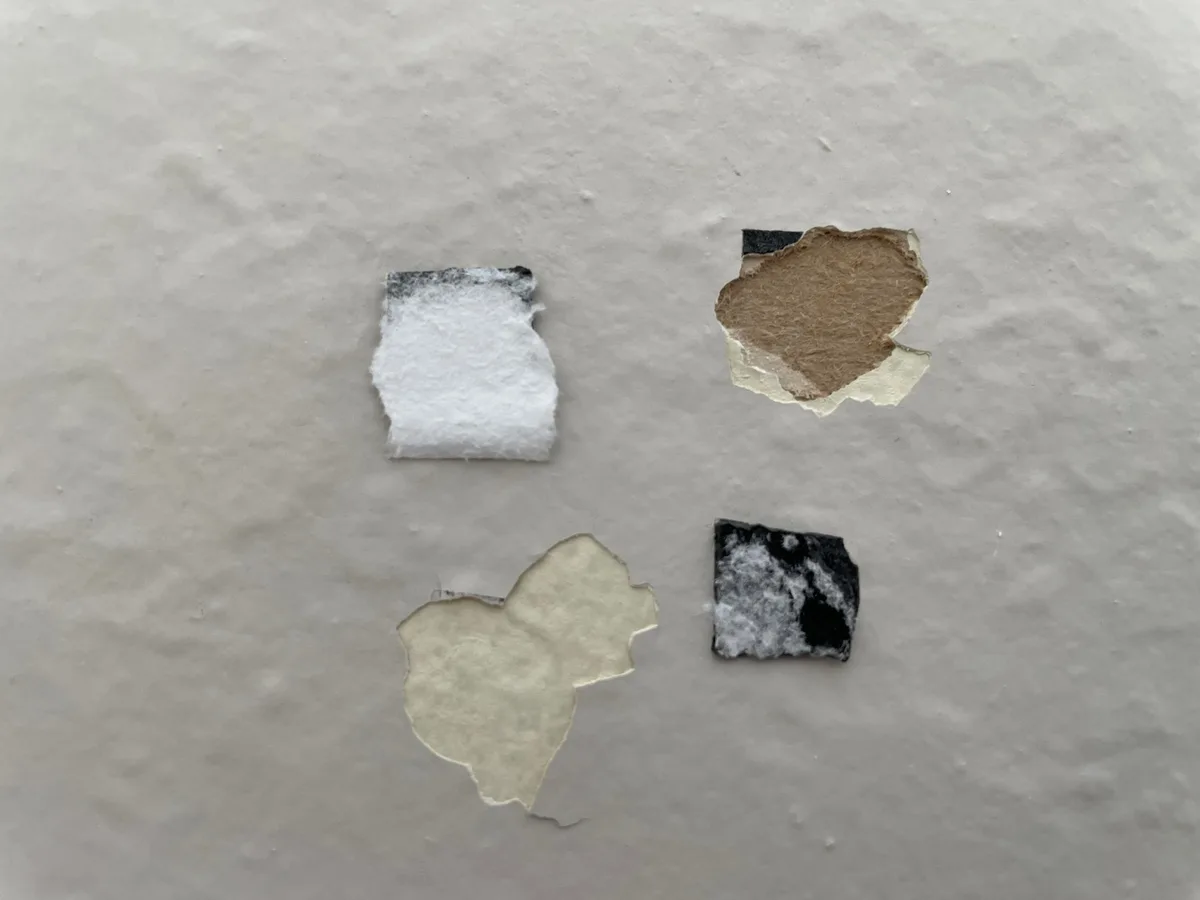
Even with the right method, small mistakes cause big problems. Here are the most common errors we see in user reports.
Skipping the Clean Step
A common cause of adhesive failure is a dirty wall. A greasy fingerprint or dust layer can reduce bond strength by 30 percent or more. Always clean the wall with alcohol before applying anything.
Ignoring Weight Limits
Just because the package says "holds 20 pounds" doesn't mean you should push that limit. Use a safety margin. If your mirror weighs 15 pounds, use strips rated for 20 pounds minimum.
The same logic applies to clips and adhesive.
Installing on Textured Walls
Adhesive strips need a flat surface to bond properly. Orange peel or popcorn texture creates gaps in the adhesive contact. The strip only touches the high points.
This can reduce holding power by half.
Forgetting About Temperature
Adhesive strips lose strength in cold conditions. If your wall is below 50 degrees Fahrenheit, the bond won't cure properly. Wait for warmer weather or warm the room first.
Rushing the Cure Time
Construction adhesive needs time to reach full strength. Hanging a mirror before the cure time is complete can cause it to slide or fall. Always check the product label for full cure specifications.
Not Using Enough Material
One strip or clip might hold a small mirror. For anything larger than 12 by 18 inches, use multiple strips or clips. Distribute the weight evenly.
A good rule is one strip per 5 pounds of mirror weight.
When You Should NOT Use a No-Nail Method
No-nail methods work for most mirrors. But they have hard limits. Trying to force the wrong method is how mirrors end up on the floor.
Your Mirror Is Over 50 Pounds
Anything above 50 pounds is too heavy for adhesives alone. Even construction adhesive has limits. The risk of shear failure increases with weight.
What to do instead: Use a French cleat system. This requires drilling into wall studs, but it distributes weight across the entire cleat. A properly installed French cleat can hold 100 pounds or more.
You Have a Textured Wall
Orange peel, knockdown, or popcorn texture reduces adhesive contact. The foam strips only touch the high points. This cuts holding power by roughly half.
What to do instead: Use mirror clips with screws and wall anchors. The screws bypass the texture entirely. For a truly no-drill approach, consider a floor-standing mirror instead.
The Wall Is Extremely Humid or Cold
Bathrooms with steam showers create constant moisture. Adhesive bonds weaken over time in these conditions. The same applies to uninsulated exterior walls in winter.
What to do instead: Use mirror clips with a moisture-resistant adhesive. Or install a small shelf and let the mirror rest on it with a single safety clip at the top.
The Mirror Is in a High-Traffic Area
Hallways, entryways, and children's rooms see more vibration. Doors closing, footsteps, and bumps can loosen adhesive bonds over time.
What to do instead: Use mechanical fasteners like mirror clips with screws. If you absolutely cannot drill, add a safety wire anchored to a wall stud behind the mirror.
You Need the Mirror to Sit Flush Against the Wall
Adhesive strips and clips create a small gap. Some people find this visually unappealing. Construction adhesive gives a flush fit but is permanent.
What to do instead: Use a thin application of construction adhesive. Apply it carefully to avoid squeeze-out. Test a small area first to confirm the adhesive won't damage the wall finish.
Frequently Asked Questions
Can I hang a mirror without nails on tile?
Yes, use mirror clips with adhesive backing designed for tile. Clean the tile with isopropyl alcohol first. Avoid textured or glazed tiles that reduce bond strength.
For heavy mirrors, use clips with a silicone adhesive.
How much weight can adhesive strips really hold?
Manufacturer specifications indicate that four interlocking strips can hold up to 20 pounds on smooth drywall. This assumes proper installation on a clean surface. In aggregate user reviews, the actual safe limit is closer to 15 pounds for long-term use.
Will adhesive strips damage my wall when removed?
Removable strips are designed to come off cleanly. Stretch them parallel to the wall for about 30 seconds. They should release without peeling paint.
If they resist, use a hair dryer on low heat to soften the adhesive.
How long does construction adhesive take to cure?
Most products reach initial bond strength within 24 hours. Full cure takes 48 to 72 hours depending on temperature and humidity. Do not let the mirror bear weight during this time.
Check the product label for exact specifications.
Can I use suction cups for a mirror?
Suction cups are only suitable for lightweight mirrors under 5 pounds. They lose grip over time, especially in humid conditions. Use them for temporary setups only.
Never rely on suction cups for a mirror above a bed or sofa.
What is the best method for a heavy mirror in a rental?
Use mirror clips with screws and wall anchors. Patch the small holes with spackle when you move out. This is safer than adhesive strips for mirrors over 20 pounds.
The holes are tiny and easy to repair.

Similar Posts