What Are Mirrors Actually Made Of?
If you stripped a mirror down to its basics, you would find a flat piece of glass with a reflective coating on the back. That is the simple version. The coating is almost always a thin layer of metal.
The glass provides a smooth surface that lets light pass through and bounce back.
The full story has more layers. Modern mirrors use a sequence of materials that each solve a specific problem. The glass must be perfectly flat and free of bubbles.
The reflective coating must be applied evenly at a precise thickness. Protective layers on top of the metal prevent corrosion and physical damage. All of these components work together.
The quality of each one directly affects the reflection you see.
This is why two mirrors that look identical at first glance can perform very differently. A cheap mirror might use a thin aluminum coating with minimal protection. A high-quality mirror uses silver, a full copper undercoat, and multiple layers of durable backing paint.
The difference becomes obvious over time as the cheap one starts to show edge damage.
The Anatomy of a Mirror – What's Actually Inside
A mirror is a sandwich of materials. Each layer has a specific job. The order matters.
From front to back, here is what you are looking at.
The Glass Layer
The glass is the foundation. It provides a perfectly smooth surface that determines the optical quality of the mirror. Most mirrors use float glass, which is made by floating molten glass on a bed of molten tin.
This process creates a very flat, uniform sheet.
Standard wall mirrors use 1/8-inch glass. Larger mirrors and bathroom mirrors often use 3/16-inch or 1/4-inch glass for stability. Thicker glass also reduces distortion.
That is why high-end mirrors feel heavier and look clearer. Low-iron glass is an upgrade worth knowing about. Regular glass has a slight green tint from iron impurities.
Low-iron glass removes most of that tint, giving a truer color reflection.
The Reflective Coating
This layer actually creates the reflection. The metal coating is applied to the back of the glass through a chemical process called silvering or through vacuum deposition. Silver is the traditional choice because it reflects 95 to 98 percent of visible light.
Aluminum reflects about 90 to 92 percent. That is still very good but slightly less bright.
The coating is incredibly thin. Measured in angstroms, the reflective layer is only a few hundred atoms thick. That is why mirrors are so fragile when the protective layers fail.
The Copper Undercoat
Copper serves as a protective barrier between the silver and the paint. Silver is a soft metal that tarnishes when exposed to moisture and air. Copper slows down the corrosion process.
Not all mirrors use copper, but high-quality ones do. A copper undercoat is a reliable sign of a well-made mirror.
The Protective Back Paint
The final layer is a thick paint coating that seals everything. This paint protects the metal layers from moisture, humidity, and physical damage. Modern mirrors use lead-free epoxy or enamel paints.
Older mirrors, especially those made before the 1970s, often used lead-based paint. That creates a disposal concern today.
The quality of the paint layer matters. A thick, well-cured paint job prevents desilvering. That is the edge corrosion that creates black spots on mirrors over time.
How to Tell a Good Mirror from a Bad One (Without a Diagram)
You do not need a microscope to spot a quality mirror. A few simple checks tell you most of what you need to know.
Check the edge. A high-quality mirror has a clean, polished edge. Look for chipping, rough spots, or uneven beveling.
The edge is where moisture gets in. A well-finished edge is a sign of a mirror that will last.
Look at the reflection of a straight edge. Hold a ruler or a piece of paper with a straight line at arm's length in front of the mirror. If the line stays straight in the reflection, the glass is good.
If it looks wavy or distorted, the glass has imperfections.
Check for the green tint. Put a white piece of paper next to the mirror's edge. Standard float glass has a greenish tint.
Low-iron glass looks clear or water-white. The green tint is not a defect, but it does affect color accuracy in the reflection.
Examine the back. The backing paint should be evenly applied with no thin spots, bubbles, or scratches. Turn the mirror over and look at the back in good light.
Uneven paint means the metal layers are not fully protected.
Tap the mirror. A sharp tap on the glass produces a clear ring. A dull sound can indicate a defect or a crack.
This is an old glazier's trick that still works. These checks take about two minutes and apply to any mirror regardless of price.
Silver vs. Aluminum – Which Reflective Coating Should You Care About?
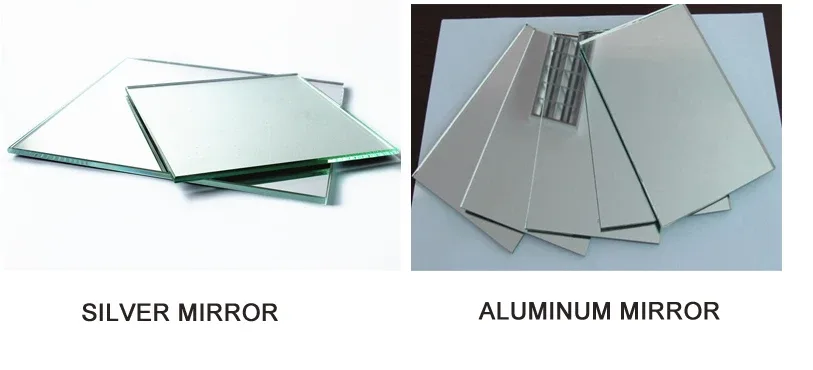
The reflective coating is the heart of the mirror. It determines brightness, clarity, and longevity. Two metals dominate the market: silver and aluminum.
Silver is the premium choice. It reflects 95 to 98 percent of visible light. That gives the brightest, most accurate reflection.
This is why high-end mirrors, telescope mirrors, and professional optics use silver. The downside is that silver tarnishes relatively easily. It needs a copper undercoat and a durable paint seal to protect it from moisture.
Aluminum is the practical alternative. It reflects about 90 to 92 percent of visible light. That is slightly less than silver but still very good.
The advantage is that aluminum forms a natural oxide layer that resists corrosion. Aluminum mirrors are more durable in humid environments, like bathrooms. They also cost less than silver mirrors.
So which one should you care about? It depends on where the mirror goes. In a dry indoor space like a bedroom or living room, silver is worth the extra cost.
In a bathroom or coastal home where humidity is high, aluminum is the smarter choice because it resists tarnishing longer.
Manufacturer specifications confirm that both options meet industry standards for reflectivity and durability. The choice comes down to your environment and your budget.
Glass Mirrors vs. Acrylic Mirrors – When to Choose Which
Most mirrors are made from glass, but acrylic mirrors are a legitimate alternative for certain situations. The choice between them is about trade-offs, not quality.
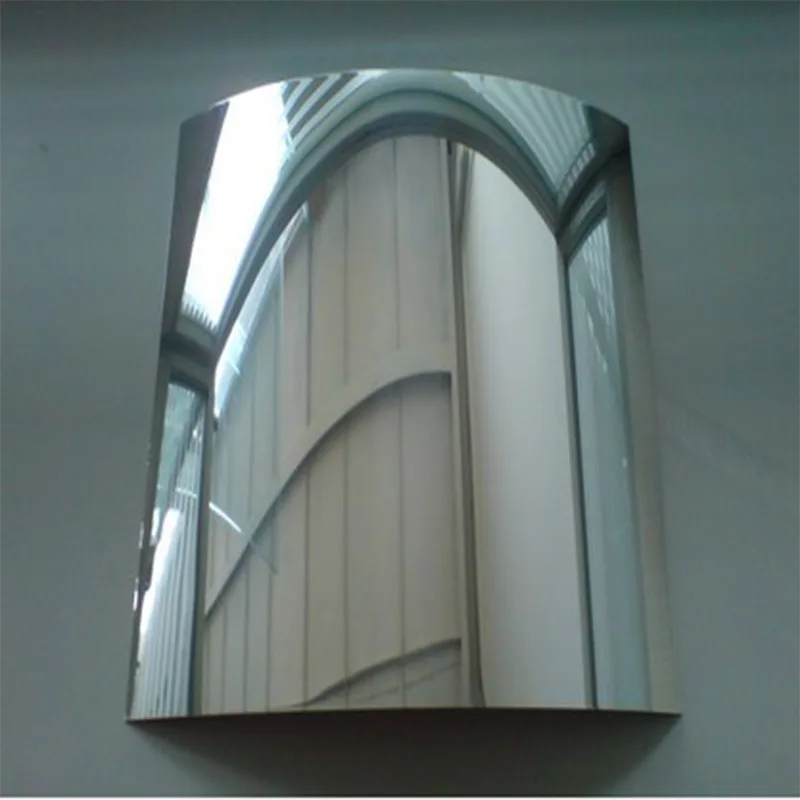
Glass mirrors are the standard for good reason. They offer a perfectly flat surface, which means no distortion in the reflection. Glass is scratch-resistant and easy to clean with standard glass cleaner.
It also holds its reflective coating better over time because the substrate does not expand or contract with temperature changes.
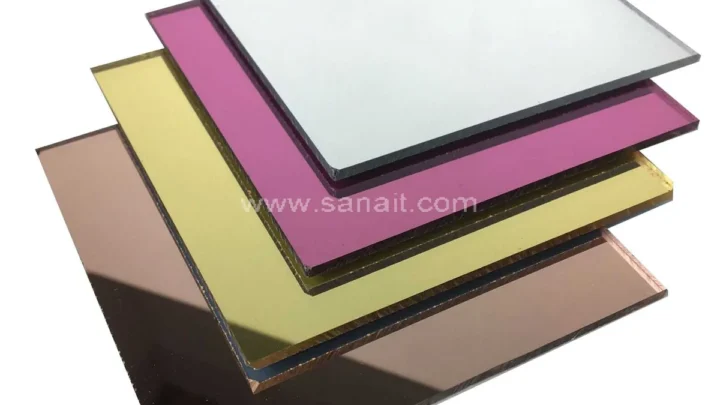
Acrylic mirrors are made from clear plastic with a reflective coating on the back. They are lightweight, typically about half the weight of glass. They are also shatterproof.
That makes them ideal for children's rooms, gyms, schools, and any setting where safety is a concern.
The downside of acrylic is that it scratches easily. Even cleaning with a paper towel can leave fine scratches that dull the reflection over time. Acrylic also distorts more than glass, especially in larger sizes, because the material is less rigid.
The reflective coating on acrylic mirrors can peel or delaminate if the material flexes.
If you need a mirror that will not break, acrylic is the right choice. If you want the clearest, most durable reflection, stick with glass. Each has its place.
Knowing the difference helps you pick the right one for your specific use case.
Common Mirror Problems (and What They Tell You About the Materials)
The most common mirror failure is desilvering. You see it as black spots creeping in from the edges. It looks like the mirror is rotting from the outside in.
That is exactly what is happening.
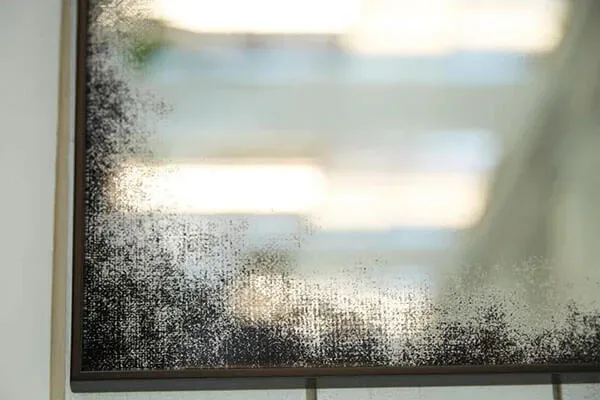
Desilvering happens when moisture gets past the backing paint and reaches the reflective coating. The silver layer oxidizes and turns black. It is a material failure.
The cause is almost always a poor edge seal or thin backing paint. Cheap mirrors skip the copper undercoat entirely, which speeds up the process.
Tarnishing looks different. It shows up as dull or hazy patches on the reflective surface. This happens when the silver coating is exposed to sulfur compounds in the air.
It is more common in coastal areas or homes with high humidity. Aluminum mirrors rarely tarnish, which is why they are a better choice for bathrooms.
Peeling backing paint is another warning sign. If the paint flakes off, the metal layers lose their protection. The mirror will start to desilver within months.
This problem points to poor paint adhesion or a low-quality epoxy coating. Good mirrors use a thick, flexible paint that bonds tightly to the copper layer.
Wavy distortion is not a material failure. It is a manufacturing defect. The glass itself is not perfectly flat.
This is most common in thin mirrors under 1/8 inch. If the reflection looks warped, the glass is the problem, not the coating.
Is There a Lead or Safety Issue with Old Mirrors?
Yes, there is a lead concern with older mirrors. Before the 1970s, mirror manufacturers used lead-based paint for the backing layer. The lead content gave the paint durability and helped it bond to the copper.
The risk today is not from the reflection. It is from the backing paint.
If the mirror is intact and the paint is sealed, the lead is contained. The danger comes when the paint flakes off or when you sand or cut an old mirror. Lead dust is the real hazard.
The Consumer Product Safety Commission (CPSC) provides guidelines for handling lead-based materials. Those guidelines apply to old mirrors.
Disposal is another issue. In many states, mirrors with lead-based paint cannot go into regular trash. They are considered household hazardous waste.
Check your local regulations. If you are not sure if a mirror is old enough to have lead paint, assume it does if it was made before 1970.
Safety concerns go beyond lead. Large mirrors are made from annealed glass, which breaks into sharp shards. Tempered glass is safer but costs more.
Building codes require tempered glass in certain locations, like doors and areas near the floor. The standard is ANSI Z97.1. If you are installing a mirror in a high-traffic area, tempered glass is worth the upgrade.
Frequently Asked Questions About Mirror Materials
What are mirrors made of today?
Modern mirrors use float glass with a reflective coating of silver or aluminum. A copper undercoat protects the silver. A layer of lead-free epoxy or enamel paint seals the back.
This four-layer construction is the industry standard for most residential mirrors.
Can you recycle a mirror?
Standard mirrors are difficult to recycle because the glass and metal coating are bonded together. The reflective coating contaminates the glass for most recycling streams. Check with your local facility.
Some accept mirrors as construction waste. Others require special handling for lead-based paint in older mirrors.
What is the difference between a silver mirror and an aluminum mirror?
Silver mirrors offer higher reflectivity at 95 to 98 percent. They give a brighter, truer reflection. Aluminum mirrors reflect about 90 to 92 percent.
They cost less and resist corrosion better. Silver is best for dry indoor spaces. Aluminum is better for humid environments like bathrooms.
How long do mirrors last?
A well-made mirror with a proper edge seal lasts 15 to 30 years. Mirrors in dry, climate-controlled rooms last longer. Bathroom mirrors often fail sooner because of humidity.
The quality of the backing paint and the copper undercoat are the biggest factors in longevity.
What is a first-surface mirror?
A first-surface mirror has the reflective coating on the front of the glass instead of the back. This eliminates the double reflection caused by light passing through glass. First-surface mirrors are used in telescopes, lasers, and scientific equipment.
They are fragile and expensive for everyday use.

Similar Posts