How to Turn Prescription Glasses into Sunglasses
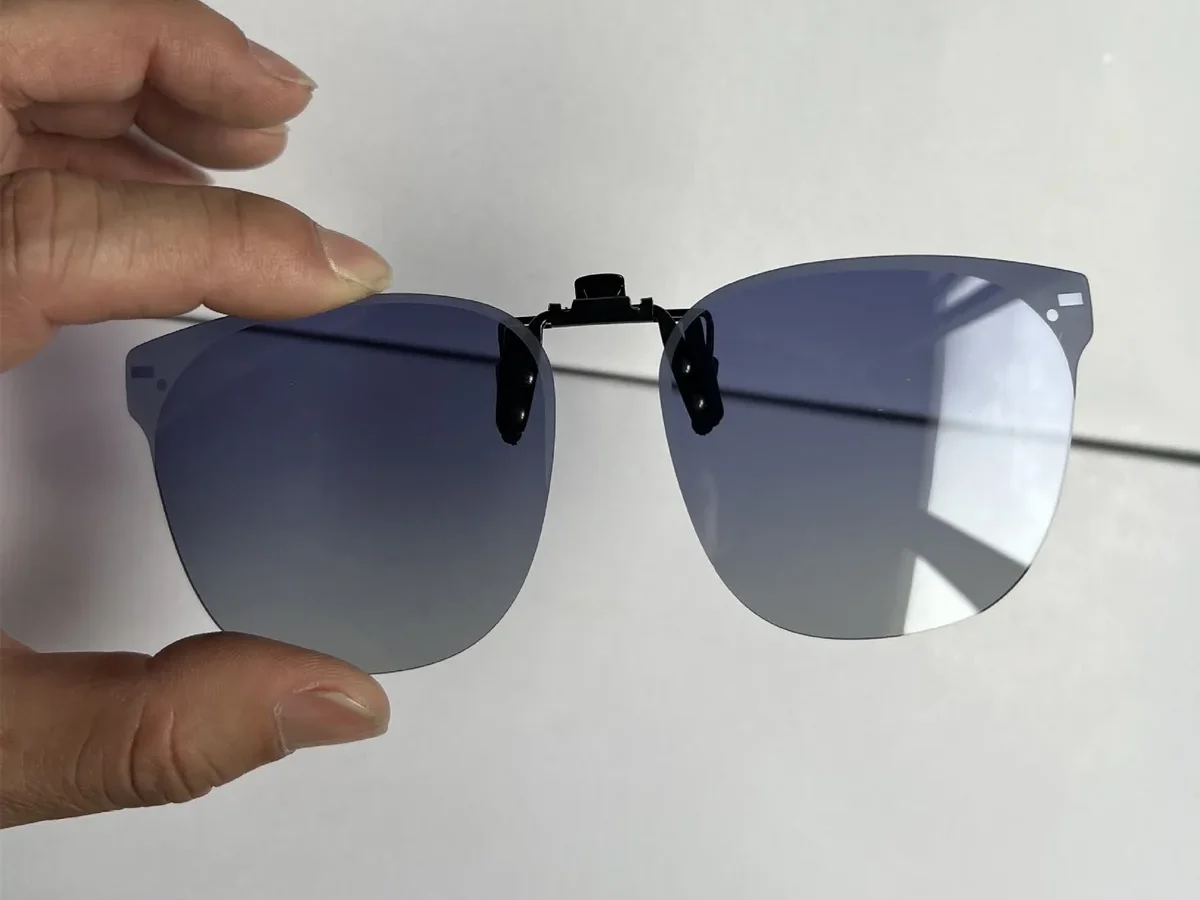
You don't need to buy a whole new pair of glasses just to get proper sun protection. Learning how to convert prescription glasses to sunglasses can save you money, eliminate the hassle of switching frames, and keep your eyes safe from UV damage.
Per ANSI Z80.3 standards, any lens sold as a sunglass in the US must block 99 percent of UVB and 95 percent of UVA rays. That same protection is available whether you use clip-ons, photochromic lenses, or a fully tinted replacement pair. The key is picking the method that fits your prescription, your frames, and your daily habits.
Quick Answer
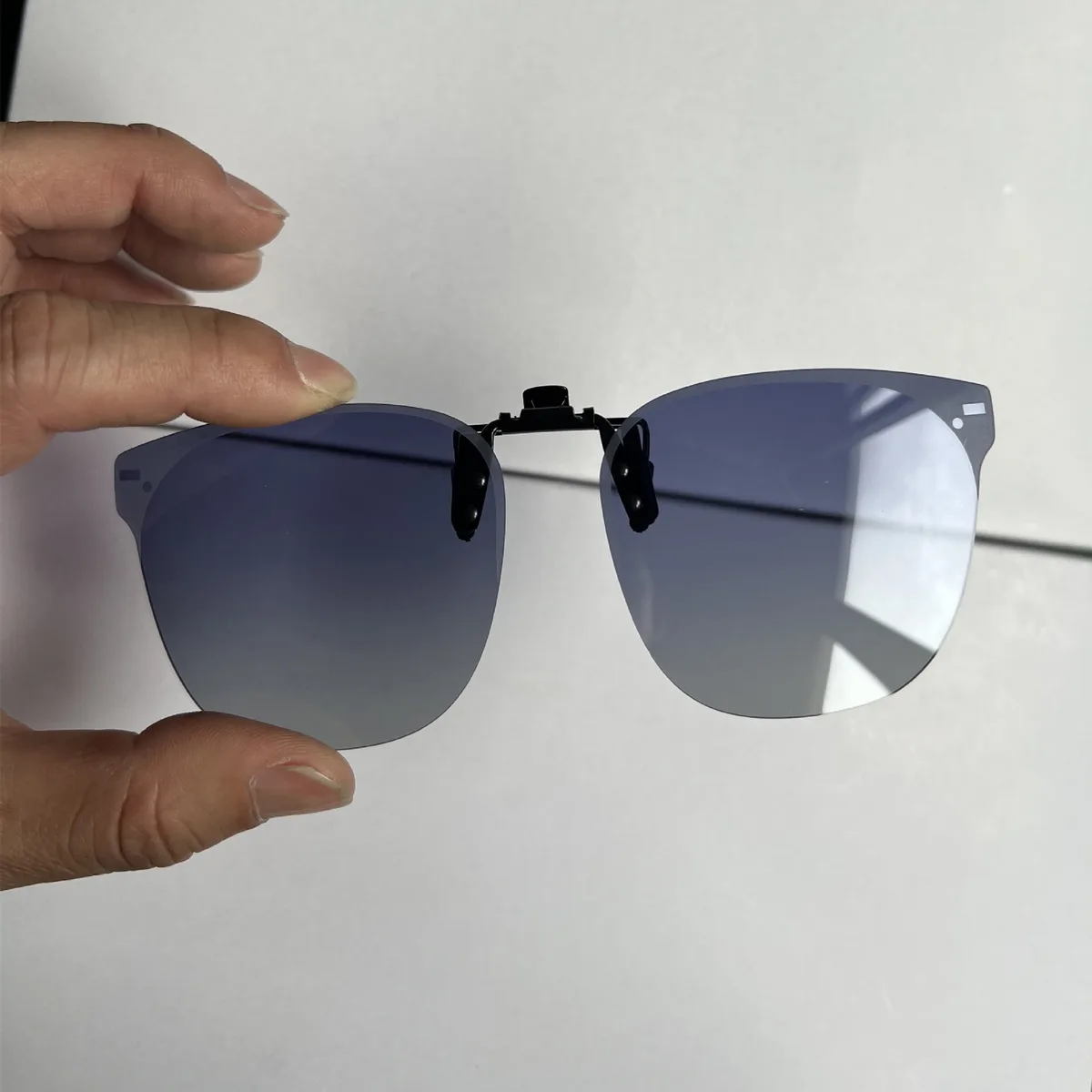
You have three main ways to convert prescription glasses to sunglasses. Clip-ons attach to your existing frames. Photochromic lenses darken automatically in sunlight.
Tinted replacement lenses give you a permanent sunglass pair. The best choice depends on your prescription, frame type, and how you use them.
Why Bother Converting Your Prescription Glasses to Sunglasses
Squinting in bright sunlight is uncomfortable and bad for your eyes. Long-term exposure to UV radiation increases your risk of cataracts, macular degeneration, and photokeratitis. The American Optometric Association recommends 100 percent UV protection for everyone.
A dedicated pair of prescription sunglasses can cost $100 to $500 or more. Converting your existing glasses often costs much less. Clip-ons run between $15 and $50.
Photochromic lens replacements range from $75 to $200. Even a full tinted replacement in your current frames rarely exceeds $250.
There is also a convenience factor. You do not want to carry two pairs of glasses everywhere. You definitely do not want to forget your sunglasses at home on a sunny day.
A conversion method like photochromic lenses means you always have dark lenses when you step outside.
The other benefit is consistency. Your current frames are already adjusted to your face. They fit well and you are comfortable in them.
Why start over with a new pair of sunglasses that might not fit the same way?
The 3 Main Ways to Convert Prescription Glasses to Sunglasses (and How They Work)
Clip-On Sunglasses
Clip-ons are the simplest and cheapest option. They attach directly to the front of your existing frames using a spring-loaded clip, magnetic pins, or a slide-on mechanism. You flip them up or snap them off when you go indoors.
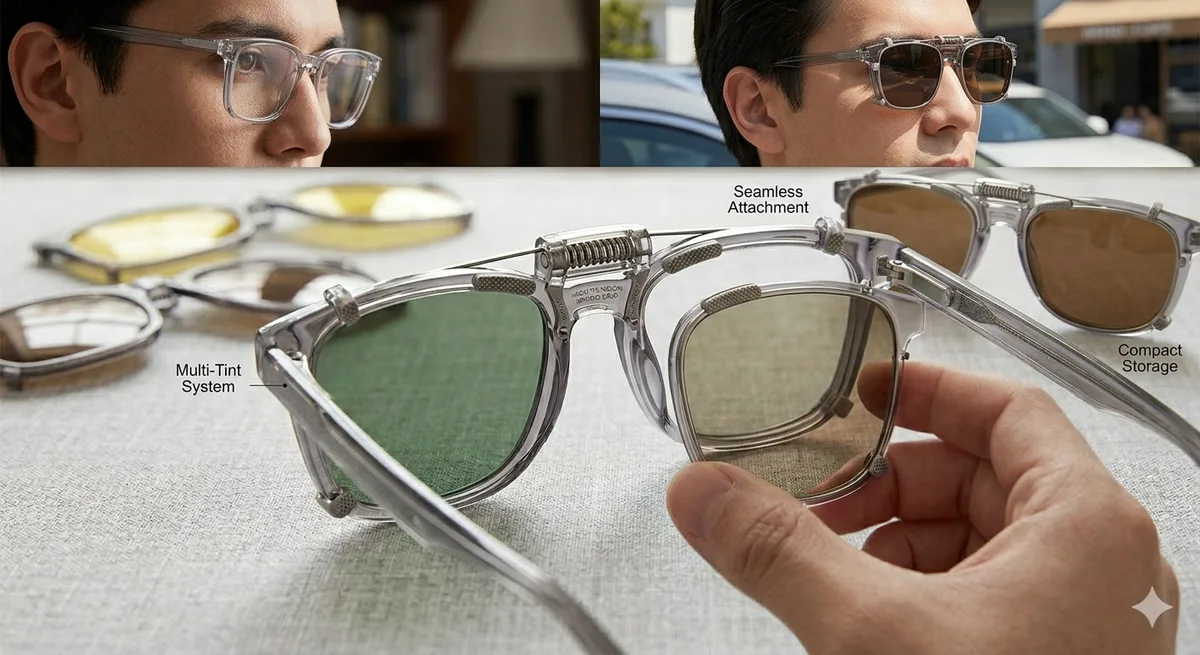
How they work. The clip-on lens sits over your prescription lens. It provides the tint and UV protection while your prescription lens handles your vision correction. Most clip-ons are polarized and offer UV400 protection.
Who they are best for. People with metal or thick plastic frames that have a consistent shape. Clip-ons work best on frames with a flat or gentle curve. They struggle with wrap-around frames, very thin wire frames, or frames that have a steep base curve.
Limitations. Clip-ons can pop off if they are bumped. They add a bit of weight to the front of your glasses. Some people find them bulky or less stylish than a dedicated sunglass pair.
Photochromic Lenses (Light-Adaptive Lenses)
Photochromic lenses contain molecules that react to UV light. When you step outside, they darken automatically. When you come back indoors, they fade back to clear.
How they work. The molecules in the lens material change shape when exposed to UV radiation. This shape change causes the lens to absorb more visible light, making it darker. The process is reversible and happens in a few minutes.
Who they are best for. People who go in and out of buildings frequently. You do not have to switch glasses or flip anything. One pair does it all.
Limitations. Photochromic lenses do not darken much behind a car windshield. Modern car glass blocks most UV light, so the lenses stay mostly clear while you drive. This is a significant downside for frequent drivers.
They also do not get as dark in very hot weather. The chemical reaction is temperature-sensitive.
Tinted Prescription Lenses (Full Replacement)
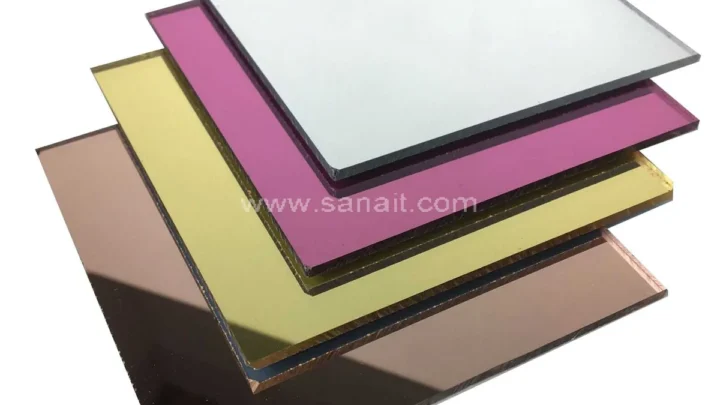
This is the most thorough conversion. You order a new pair of prescription lenses with a permanent tint. You can choose solid tint, gradient tint, or mirror coating.
The lenses replace your clear ones in your existing frames.
How it works. An optical lab cuts new lenses to match your frame size and shape. They add the prescription, tint, and any coatings you want. Your old clear lenses are removed and discarded.
Who they are best for. People who want a dedicated sunglass pair without buying new frames. It is also a great option if you have a strong prescription and need high-index lenses to keep them thin.
Limitations. You lose the ability to use your glasses indoors. You need a second pair of clear glasses for cloudy days or evening wear. The cost is higher than clip-ons but lower than a full new pair of prescription sunglasses.
How to Choose the Right Conversion Method for Your Situation (A Simple Decision Guide)
Your choice depends on four main factors. Let us run through them.
Factor 1: Do You Drive Often?
If you spend a lot of time behind the wheel, photochromic lenses are not ideal. They will not darken enough inside your car. You would be better off with clip-ons or a dedicated tinted pair.
Factor 2: What Kind of Frames Do You Have?
Clip-ons work best with metal or sturdy plastic frames that have a flat front. Thin wire frames, rimless glasses, and wrap-around sports frames are harder to fit. If your frames are unusual, photochromic or tinted lenses are safer bets.
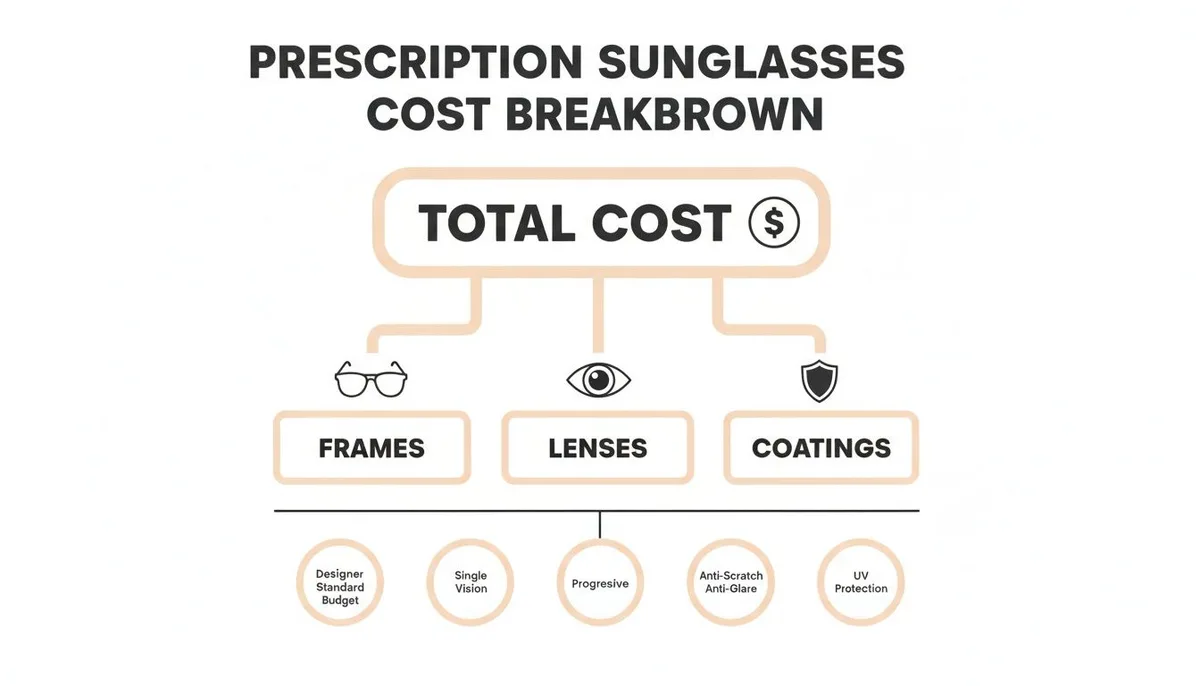
Factor 3: What Is Your Budget?
Here is a quick cost comparison.
| Method | Typical Cost Range | What You Get |
|---|---|---|
| Clip-ons | $15 to $50 | Tinted lenses that attach to existing frames |
| Photochromic replacement | $75 to $200 | Lenses that darken automatically |
| Tinted replacement | $100 to $250 | Permanent dark lenses in current frames |
| Full prescription sunglasses | $150 to $500+ | New frames and tinted lenses |
Factor 4: Do You Need Polarization?
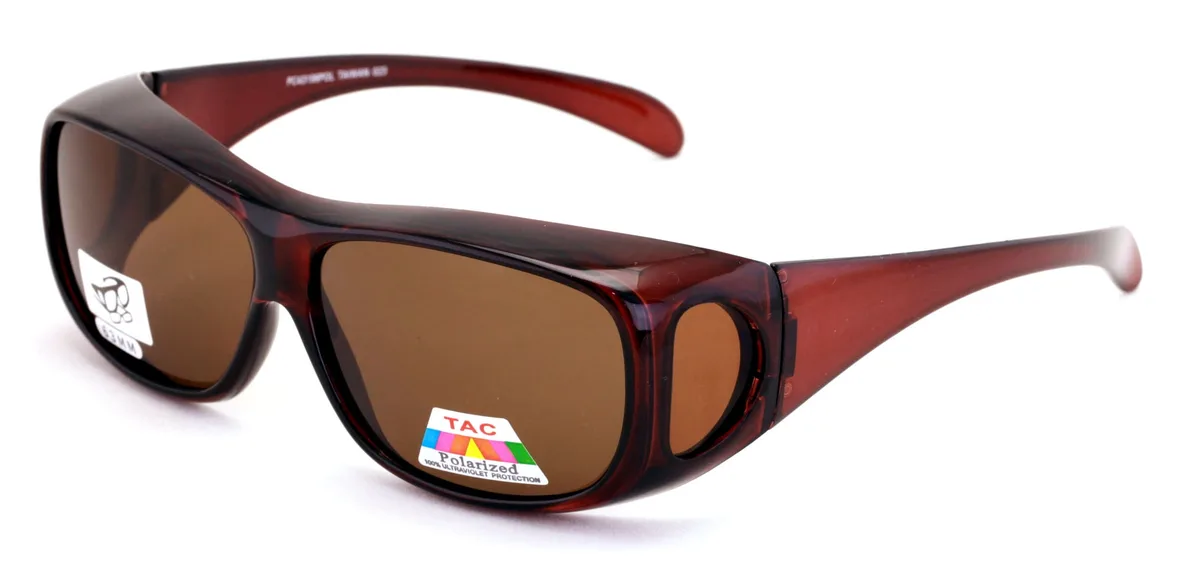
Polarization cuts glare from roads, water, and snow. It is a major benefit for driving and outdoor activities. Clip-ons and tinted lenses can both be polarized.
Photochromic lenses are available with polarization, but not all brands offer it as standard.
Quick Decision Table
| If you… | Choose this method |
|---|---|
| Drive a lot | Clip-ons or tinted lenses |
| Go in and out all day | Photochromic lenses |
| Have unusual frames | Photochromic or tinted replacement |
| Want the cheapest option | Clip-ons |
| Want the most convenient option | Photochromic lenses |
| Want maximum sun protection | Tinted replacement (second pair) |
Common Mistakes That Ruin a Good Conversion (and How to Avoid Them)
Mistake 1: Buying Clip-Ons Without Checking Frame Compatibility
Not all clip-ons fit all frames. You need to know your frame's base curve and bridge width. Many clip-on sellers list compatible frame models.
Others provide a measurement guide. Measure your frame width and lens height before ordering. A clip-on that is too small leaves gaps for sunlight.
One that is too wide looks ridiculous and may fall off.
Mistake 2: Choosing Photochromic Lenses for Driving
As mentioned earlier, photochromic lenses do not darken behind most car windshields. If you are a daily driver, you will end up squinting or carrying a backup pair anyway. Many photochromic buyers eventually buy a separate pair for driving.
Mistake 3: Skipping the Anti-Reflective Coating
Tinted lenses without an anti-reflective coating can cause glare from behind. Light reflects off the back of the lens into your eye. This is especially annoying while driving.
Always order an anti-reflective coating with your tinted replacement lenses.
Mistake 4: Using the Wrong Lens Material
Polycarbonate is the standard for impact resistance. It is a good choice for daily wear. But if you have a high prescription, polycarbonate can create chromatic aberration and distortion.
High-index materials like 1.67 or 1.74 are thinner and provide better optical clarity for strong prescriptions.
Mistake 5: Forgetting About Transition Time
Photochromic lenses take time to lighten after you go indoors. Fade-back time can range from 2 to 10 minutes depending on the brand and temperature. If you are walking into a dark restaurant or movie theater, you will be momentarily blinded.
Be patient or carry a regular pair for those situations.
Mistake 6: Ordering Online Without a Proper Pupillary Distance (PD) Measurement
Whether you are ordering clip-ons, replacement lenses, or a full new pair, your PD measurement is critical. An incorrect PD causes blurred vision, eye strain, and headaches. Get your PD measured at an optician's office.
Do not guess it from a smartphone app.
Frequently Asked Questions
Can I get polarized lenses for my existing frames?
Yes. Most optical labs can add polarization to any prescription lens. Both clip-ons and tinted replacement lenses are available with polarization.
Photochromic lenses also offer polarization, but verify with the manufacturer before ordering.
How long does the conversion process take?
Clip-ons are immediate. You order them online and they arrive in a few days. Photochromic and tinted replacement lenses take longer.
The lab needs to grind your prescription, add the tint, and mount the lenses. Expect 1 to 2 weeks for most orders.
Will the tint affect my vision at night?
Yes. Solid tinted lenses are not safe for night driving. Photochromic lenses fade to clear, so they are fine at night.
Clip-ons are removable, so you take them off after dark. Gradient tints are slightly better but still reduce visibility in low light.
Can I convert rimless glasses?
Rimless glasses are harder to convert. Clip-ons rarely fit them because there is no frame edge to grip. Photochromic replacement lenses work fine.
Tinted replacement lenses also work, but the lens edges will be visible. Some people find this less attractive.
Do photochromic lenses work in cold weather?
Yes, and they actually work better in cold weather. The chemical reaction is faster at lower temperatures. Your lenses will darken more quickly and reach a darker state in cold conditions compared to hot weather.
What is the warranty on converted lenses?
Most optical labs offer a 1-year warranty on replacement lenses. Clip-ons typically have a 30-day to 1-year warranty depending on the seller. Photochromic lenses from major manufacturers like Essilor and Zeiss come with a 2-year warranty against defects.
Always check the warranty before ordering.
The Quick Verdict: Which Method You Should Pick Based on Your Life
There is no single best way to convert prescription glasses to sunglasses. The right choice depends on your daily habits, your frames, and your budget. Here is a final breakdown for three common scenarios.
You drive every day and spend lots of time outdoors. Get a dedicated tinted replacement pair. Choose polarized lenses with an anti-reflective coating. Keep your clear glasses for evenings and cloudy days.
This gives you the best sun protection where you need it most.
You work in an office and step outside frequently. Photochromic lenses are your best bet. You get clear vision indoors and automatic darkening outside. Just remember they will not work well in your car.
If you drive to lunch, carry a pair of clip-ons for the commute.
You want the cheapest option and your frames are compatible. Clip-ons get the job done for under $50. They are simple, effective, and easy to remove. The trade-off is style and convenience.
You have to remember to bring them and keep them from falling off.
For people with strong prescriptions, high-index lens material is non-negotiable. Standard polycarbonate lenses in a high prescription will be thick and heavy. As of 2026, 1.67 or 1.74 high-index lenses are widely available and significantly thinner.
One last thing. Always verify UV protection before you buy. Legitimate lenses in the US carry UV400 certification per ANSI Z80.3 standards.
If a product does not explicitly state UV400, do not trust it. Your eyes are worth the extra minute of checking.
Whatever method you choose, the goal is simple. Keep your eyes safe from UV damage without sacrificing vision clarity or convenience. A good conversion makes that possible for a fraction of the cost of a new pair of prescription sunglasses.

Similar Posts