Remove Double Sided Tape from Glass Without Damage
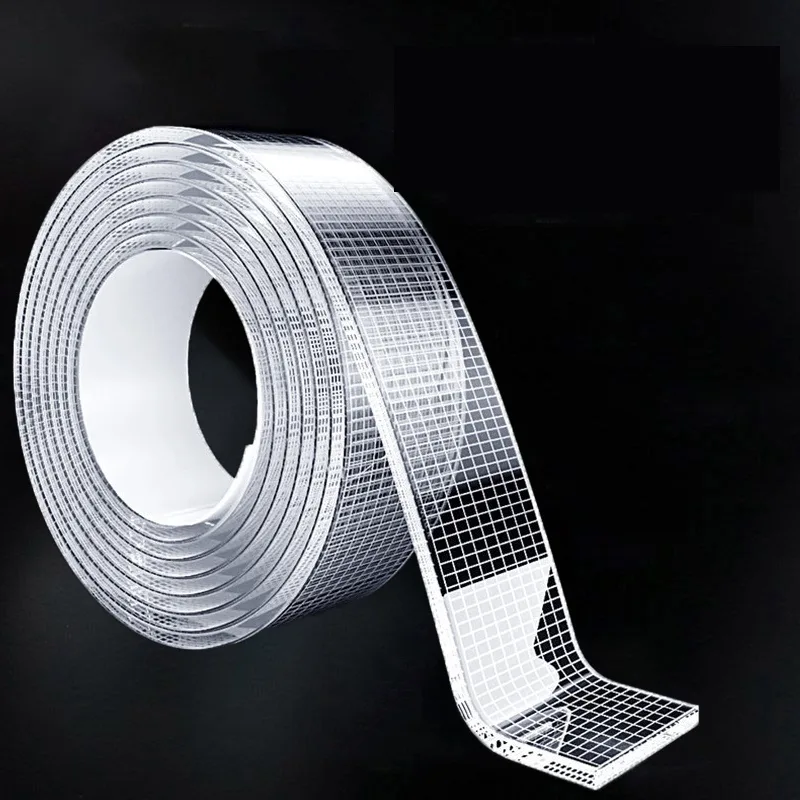
Peeling double-sided tape off glass sounds simple. But it rarely is. The adhesive bonds tight, the foam backing tears, and a bad move can leave a scratch you will stare at for years.
Knowing how to remove double sided tape from glass without damaging the surface is about picking the right method for your specific situation.
Manufacturer specifications from 3M and other tape producers indicate that acrylic foam adhesives can gain up to 30% more bond strength in the first 72 hours of curing. That means a fresh peel is very different from a six-month-old one. The method that works for a sticker on a jar can ruin a car windshield.
As of 2026, the safest approach still comes down to one thing: matching the technique to the exact tape and glass you are dealing with.
Quick Answer
Soak the tape with isopropyl alcohol. Let it sit for two to five minutes. Lift an edge with a plastic scraper.
Pull the tape slowly. Remove leftover residue with a fresh cloth. Clean the glass with a microfiber cloth and glass cleaner.
The Real Problem: Why Tape Won't Budge (And Why It Scratches)
Double-sided tape is designed to stick. The adhesive layer resists peeling forces, and the foam or film backing often tears before the glue lets go. That leaves you with a gummy, half-removed mess.
The real risk is scratching. Glass is harder than most metals, but it is not scratch-proof. A razor blade with a single grain of grit trapped under it will carve a permanent line.
Tinted and coated glass is even more vulnerable. The coating is softer than the glass itself, so aggressive scraping or harsh solvents remove it instead of the adhesive.
Time and sunlight make it worse. UV exposure bakes the adhesive into a brittle, cement-like layer. Moisture pushes the bond deeper into microscopic pores.
The longer the tape sits, the harder it is to remove without leaving a trace.
The First Check: What Kind of Glass and Tape Are You Dealing With?
Before you pick a tool or solvent, confirm two things: the glass type and the tape type.
Glass type matters most. Plain annealed glass (like a picture frame or a jar) is forgiving. Tempered glass (car side windows, shower doors) is stronger but can still be scratched. Tinted glass (car windows, some home windows) has a fragile film that peels or bubbles if you use the wrong solvent.
Coated glass (low-E windows, anti-reflective display glass) has a thin layer that can be etched by acidic or ammonia-based cleaners.
Tape type changes the approach. Standard double-sided tape uses a thin adhesive layer. It comes off with patience and heat. Foam mounting tape (the thick grey or white stuff) is tougher.
The foam stretches and tears, so you often need to soften the whole strip before pulling. Automotive-grade tape (like 3M VHB) is designed for extreme hold. It resists heat and solvents, so removal requires more dwell time and a razor blade.
If you are unsure about the glass, test in an inconspicuous spot. Apply a drop of your chosen solvent. Wait 30 seconds.
Wipe it off. If the surface looks cloudy or the color changes, stop and switch to a milder approach.
The Decision Tree: Pick Your Method Based on Tape Age and Glass Type
This is the core of the whole process. The right method depends on the combination of tape age and glass type. Here is a quick reference table.
| Tape Age | Glass Type | Best Method | Primary Tool |
|---|---|---|---|
| Fresh (under 24 hours) | Plain or tempered | Peel + light heat | Fingertip or plastic card |
| Fresh (under 24 hours) | Tinted or coated | Peel + low heat only | Plastic card or credit card |
| Old (days to months) | Plain or tempered | Heat + solvent | Hair dryer + isopropyl alcohol |
| Old (days to months) | Tinted or coated | Low heat + gentle solvent | Hair dryer + gentle cleaner |
| Baked (months in sun) | Any glass | Heat + solvent + careful scraping | Hair dryer + plastic scraper |
If the tape is fresh and the glass is plain, just lift an edge and pull. Work slowly at a 180-degree angle. Apply low heat from a hair dryer if the tape starts to resist.
If the tape is old and the glass is plain, heat is your first tool. Warm the tape for 30 to 45 seconds. The adhesive softens, and the foam backing becomes more pliable.
Then use a solvent to dissolve the remaining residue.
If the glass is tinted or coated, never use a razor blade. Never use acetone, ammonia, or citrus-based solvents. Stick to low heat (hair dryer only, not a heat gun) and isopropyl alcohol or a mild soap solution.
Test everything first.
Step-by-Step: How to Remove Tape with Heat, Solvents, or a Scraper
Once you have identified your glass and tape, follow these steps for the safest removal.
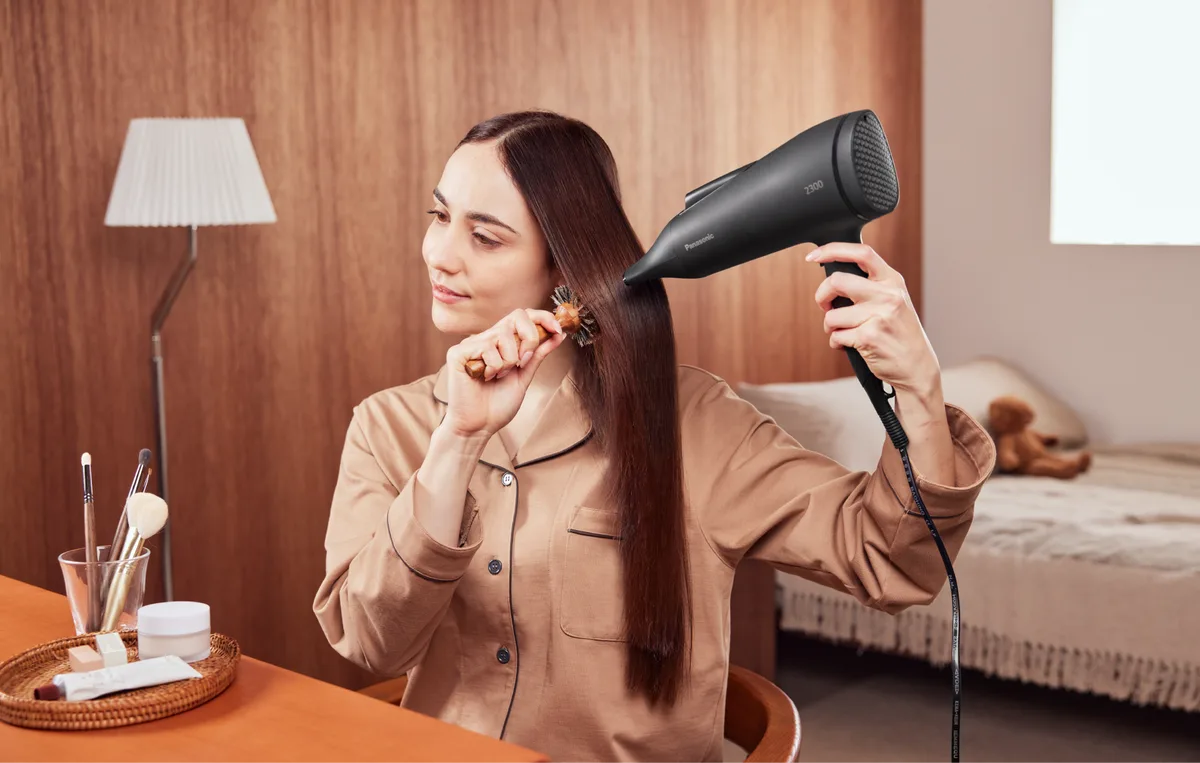
1. Apply heat. Set a hair dryer to medium heat. Hold it about six inches from the tape.
Move it in a steady back-and-forth motion. Do not focus on one spot for more than 15 seconds. The goal is to warm the adhesive, not to scorch the glass.
Heat the tape for 30 to 60 seconds until it feels warm to the touch.
2. Lift an edge. Use a plastic scraper, a credit card, or your fingernail. Do not use a metal tool unless you are on plain glass and you are certain the blade is clean and sharp.
Gently lift one corner of the tape. If it resists, apply more heat.
3. Peel slowly. Pull the tape back at a 180-degree angle (flat against the glass surface). Fast pulling causes the foam to tear.
Slow, steady tension keeps the adhesive layer intact and reduces residue.
4. Remove residue. If the tape leaves adhesive behind, soak a cloth with isopropyl alcohol. Press it onto the residue for two to five minutes.
The solvent softens the adhesive. Wipe it away. Repeat if needed.
5. Scrape stubborn spots. If residue remains, use a plastic scraper at a 30-degree angle. Short, light strokes.
Do not press hard. If you need a razor blade, wet the blade with soapy water to reduce friction and trap any grit.
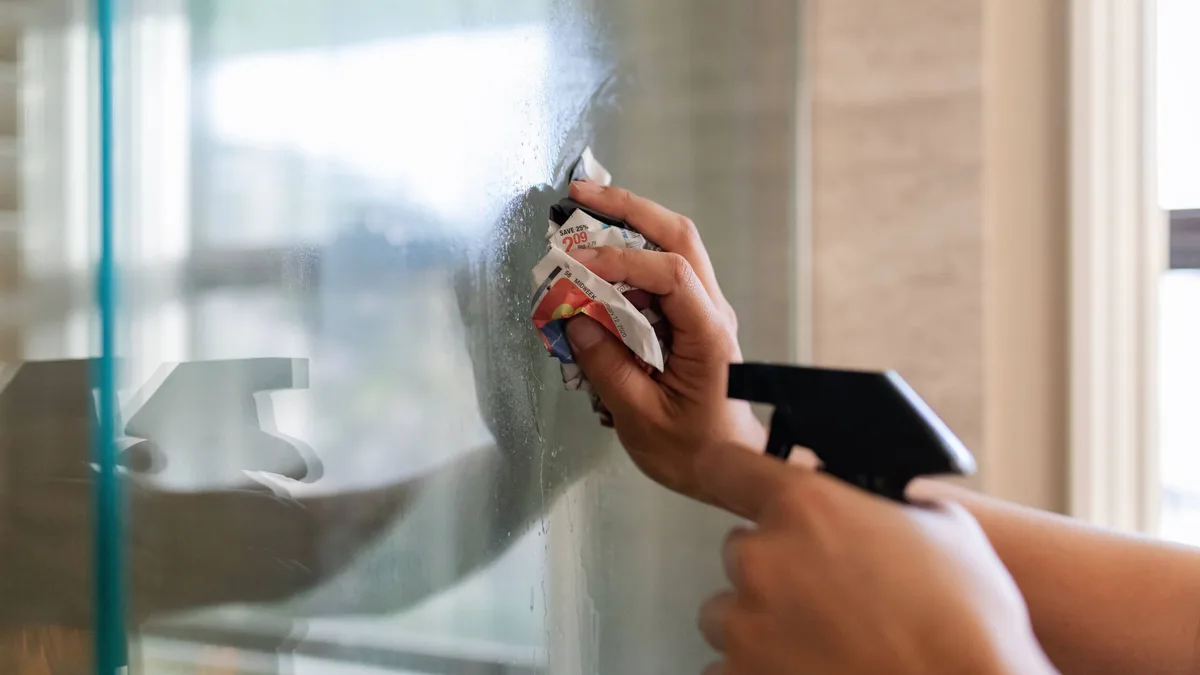
6. Clean the glass. Wash the area with warm soapy water or a glass cleaner. Dry with a microfiber cloth.
Check for any remaining tackiness by running your finger over the spot. If it still feels sticky, repeat the solvent step.
The Mistakes That Ruin Glass (And How to Avoid Every Single One)
Most damage from tape removal comes from one wrong move. Here are the mistakes that show up again and again in user reports and repair guides.
Using a dry razor blade. A dry blade drags grit across the glass. Always wet the blade with soapy water or a solvent. Better yet, use a plastic scraper for anything on tinted or coated glass.
Applying too much heat. A focused heat gun can crack tempered glass. The rapid temperature change creates stress fractures. Stick to a hair dryer on medium.
Keep the air moving.
Using the wrong solvent on tinted glass. Ammonia (found in many glass cleaners) and acetone (nail polish remover) attack the tint film. The result is bubbling, peeling, or discoloration. Use isopropyl alcohol or a dedicated automotive adhesive remover labeled safe for tinted glass.
Peeling at a 90-degree angle. Pulling the tape straight up away from the glass concentrates stress on the foam layer. It tears. The adhesive stays behind.
Always pull flat against the surface.
Scraping with too much force. Glass is hard but brittle. Heavy pressure with a metal blade can chip the edge or leave a fine scratch. Light, repeated passes are safer than one hard push.
Skipping the test spot. Every glass surface is different. A method that works on a window may damage a glass tabletop with a coating. Always test your solvent and tool on a small hidden area first.
FAQs: Quick Answers to the Most Common Tape Removal Questions
Does heat always work on double-sided tape?
Heat works on most acrylic and rubber-based adhesives. It softens the bond and makes the tape pliable. But it does not work on all tapes.
Some silicone-based adhesives resist heat. If the tape does not soften after 60 seconds of warm air, switch to a solvent-based method.
Can I use a razor blade on tempered glass?
Yes, but with extreme care. Tempered glass is strong but not scratch-proof. Use a new, sharp blade.
Keep the blade wet with soapy water or solvent. Work at a shallow angle. Never dig the corner into the glass.
A plastic scraper is safer for most jobs.
Will vinegar remove double-sided tape residue?
Vinegar is a mild acid. It can soften some adhesives, but it is slower than isopropyl alcohol. It works best on fresh, light residue.
For old or baked-on adhesive, vinegar requires many applications and long soak times. Alcohol or a dedicated adhesive remover is more effective.
How do I remove tape from a car windshield without damaging the tint?
Never use ammonia, acetone, or citrus-based solvents on tinted glass. Use a hair dryer on low heat. Apply isopropyl alcohol with a soft cloth.
Let it soak for five minutes. Wipe gently. Use a plastic scraper for any lifting.
Test everything on a small corner of the tint first.
What if the tape leaves a sticky residue that won't come off?
Soak the residue with isopropyl alcohol for five to ten minutes. The alcohol penetrates the adhesive and breaks its bond. Wipe with a clean cloth.
Repeat if needed. For stubborn spots, make a paste of baking soda and cooking oil. Gently rub it onto the residue.
Wipe clean.
Is it safe to use WD-40 on glass?
Yes, WD-40 is safe for plain glass. It breaks down adhesive bonds effectively. Spray it onto the residue.
Let it sit for two to three minutes. Wipe away with a cloth. Clean the glass afterward with warm soapy water to remove the oily film.
Do not use WD-40 on tinted or coated glass.
Your Quick Guide: Which Method to Use for Your Situation
Here is the simplest way to decide. Look at your tape and glass. Match them to the row that fits.
Fresh tape on plain glass. Lift an edge with your fingernail. Peel slowly at a 180-degree angle. No heat or solvent needed.
Fresh tape on tinted or coated glass. Lift with a plastic card. Peel slowly. Use low heat from a hair dryer only if the tape resists.
Old tape on plain glass. Apply heat from a hair dryer for 30 to 60 seconds. Lift an edge with a plastic scraper. Peel slowly.
Remove residue with isopropyl alcohol.
Old tape on tinted or coated glass. Use low heat only. Do not use a razor blade. Apply isopropyl alcohol to a cloth and press onto the residue.
Let it soak for five minutes. Wipe away. Repeat if needed.
Baked-on tape (months in sun) on any glass. Heat the tape for 60 seconds. Apply isopropyl alcohol. Let it soak for ten minutes.
Use a plastic scraper at a shallow angle. Repeat the heat and solvent steps as needed. Patience is the only shortcut.
If you are ever unsure, start with the gentlest method. Heat and alcohol are safe for almost every glass surface. A razor blade is a last resort, not a first choice.
The right approach leaves you with clean, clear glass and no regrets.

Similar Posts