Can You Tell Hot Glass from Cold by Sight?
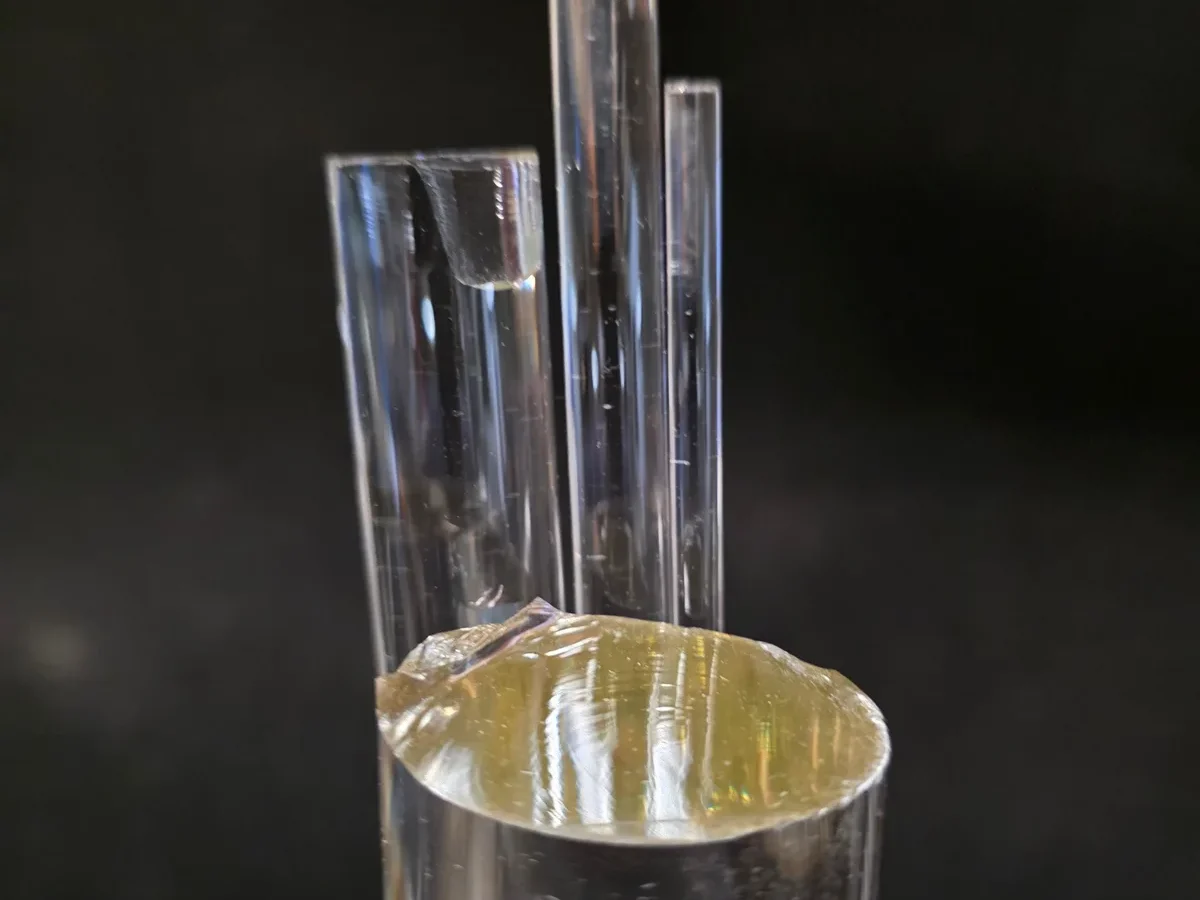
You are standing in a glass studio, holding a piece that came out of the kiln twenty minutes ago. It looks perfectly cool. No glow.
No color shift. Just clear, still glass. You reach out.
That moment is how severe burns happen. The question "does hot glass look the same as cold glass" has a dangerous answer. Yes, it absolutely can.
Understanding exactly when it does and does not is the difference between a successful project and a trip to urgent care.
Per ASTM standard C162, glass begins to soften and become workable between 1300°F and 1700°F depending on the specific composition. But here is the sobering truth. Glass can still cause third-degree burns at temperatures far below any visible glow.
As of 2026, the safest rule in any glass studio remains the simplest one. Let's walk through what your eyes can and cannot tell you.
Quick Answer
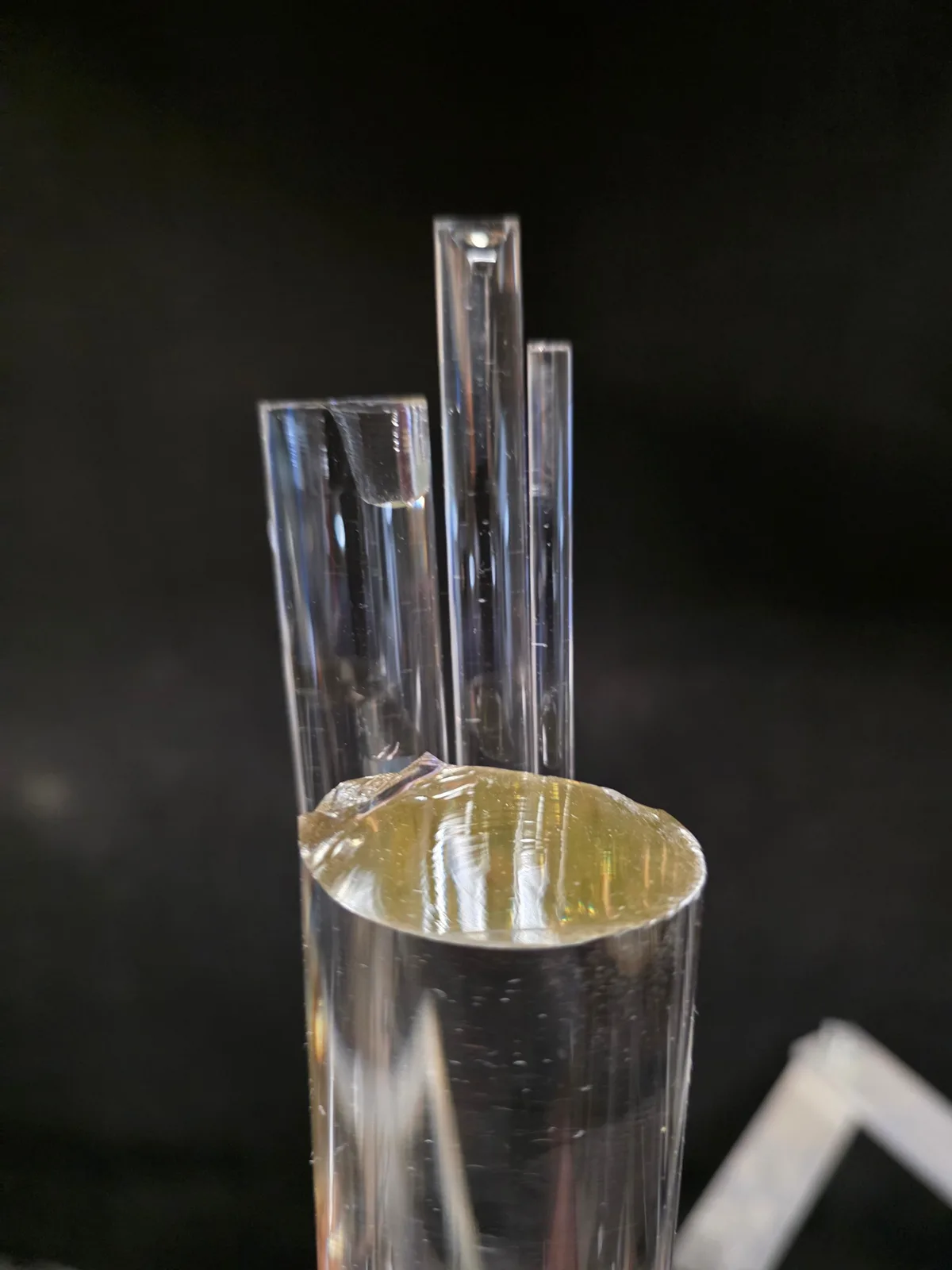
No, hot glass does not always look the same as cold glass. But it often does. Clear glass below roughly 900°F appears identical to room-temperature glass.
Above that threshold, it glows red, then orange, then white as temperature rises. The danger zone is the invisible range between 200°F and 900°F where glass is still hot enough to burn but shows no visual warning. Never rely on sight alone.
The Physics Behind Glass's "Invisible Heat"
Glass is a unique material. Unlike metal, which shows color changes earlier, glass remains optically clear across a wide temperature range. This is because glass does not emit visible light until it reaches approximately 900°F to 1000°F.
Below that, all the heat is in the infrared spectrum. Your eyes simply cannot see it.
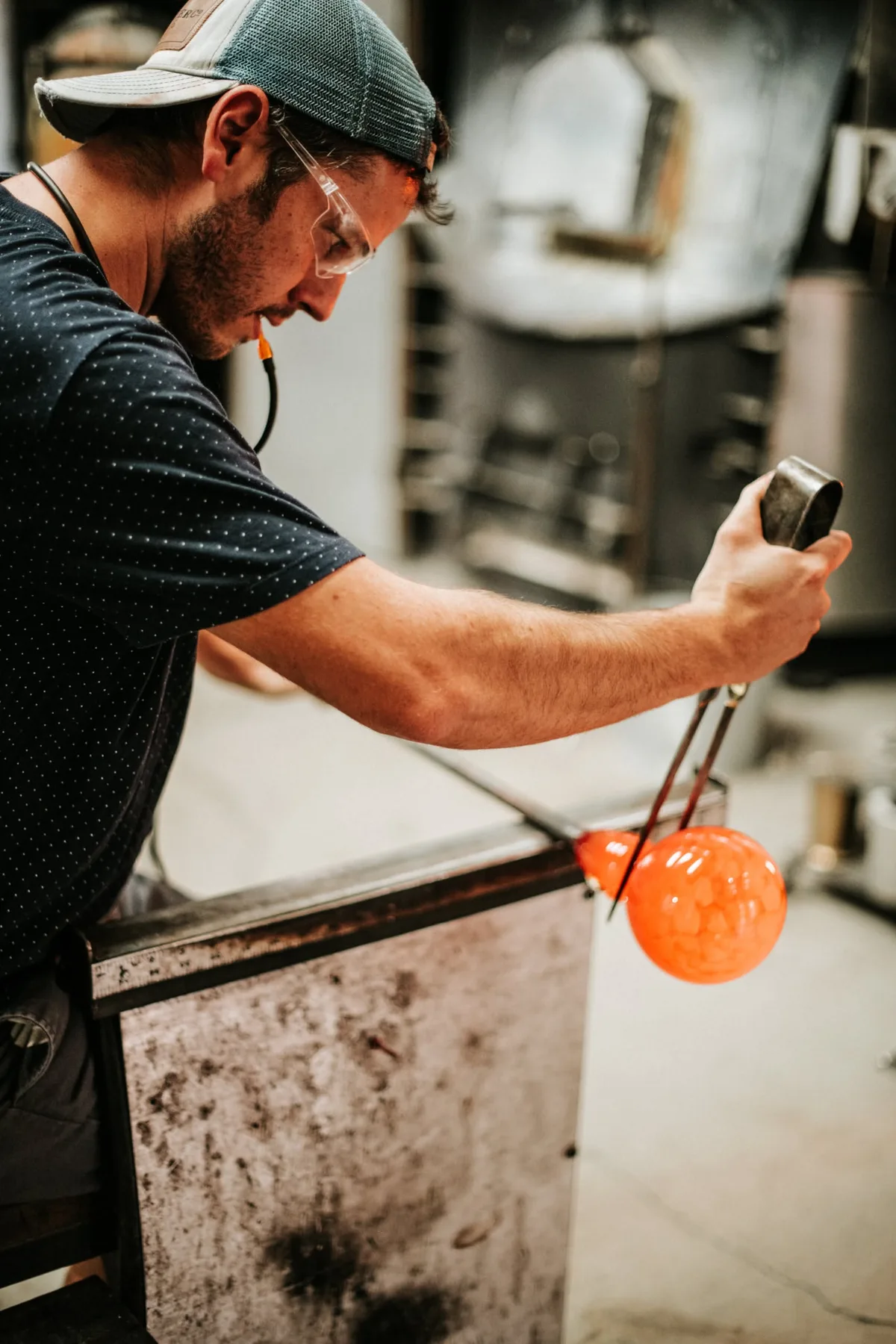
The glow spectrum works like this. At around 900°F, you start seeing a faint red glow, often called "cherry red." At 1100°F, that red becomes bright and distinct. At 1400°F, the glass shifts to orange.
At 1700°F and above, it approaches a bright yellow-white. But here is where it gets tricky.
Different glass compositions behave differently. Borosilicate glass, commonly known by the brand name Pyrex, has a higher working temperature than soda-lime glass. Lead crystal softens at lower temperatures.
The specific chemistry changes the viscosity and the temperature at which visible glow begins. But the general rule holds across all types. If it is not glowing, it may still be dangerously hot.
The real problem is the temperature range between 200°F and 900°F. Glass in this range is fully solid in appearance. It reflects light the same way.
It looks cool to the eye. But it is still hot enough to cause serious burns. This is the invisible heat zone, and it is where most accidents happen.
The Danger Zone: Why Judging by Eye Gets People Burned
Your brain is wired to infer heat from visual cues. You see steam rising from a pot, and you know not to touch it. You see a red-hot stovetop burner, and you pull your hand back.
Glass breaks this visual logic entirely.
Consider a real studio scenario. A glassblower finishes shaping a piece and places it in a garage kiln at 950°F to cool slowly. An hour later, they open the kiln to check on another piece.
The glass inside shows no glow. It looks perfectly cool. But it is still at 950°F.
Reaching in without a heat check is a recipe for a burn that takes weeks to heal.
There is also the thermal shock risk. Even if you somehow avoid burning yourself, touching hot glass with a cold tool or surface can cause immediate cracking. The rapid temperature change creates stress fractures that can ruin hours of work.
So the danger is not just to your skin but to your project as well.
The most dangerous scenario is the "almost cool" piece. A piece that has been out of the kiln for ten minutes might look cool but still be at 300°F to 400°F inside. The surface cools faster than the core.
What looks cool on the outside can still be hot enough to burn on contact. This is why experienced glassworkers never trust their eyes. They trust their tools and their timing.
The Only Safe Way to Check If Glass Is Hot
Here is the single most important rule in any glass studio. Assume every piece of glass is hot until you have confirmed otherwise. Sight is not confirmation.
Temperature is.
The safest tool for checking glass temperature is a heat stick. These are small rods made of a material with a known melting point. You touch the heat stick to the glass surface.
If it melts, the glass is above that temperature. If it does not melt, the glass is below it. Heat sticks are inexpensive, reliable, and far safer than any visual guess.
For more precise measurements, an infrared thermometer or pyrometer is the standard tool. Point it at the glass surface, and it reads the temperature instantly. But there is a catch.
Most infrared thermometers have a lower limit of around 750°F to 1000°F. Below that, they may not give accurate readings. Always check the specifications of your specific tool.
Timing is another reliable method. Per manufacturer guidelines for most glass types, a piece removed from a 950°F kiln needs at least 30 to 45 minutes to cool below 200°F in still air. Thicker pieces take longer.
A piece with a cross-section of half an inch or more may need over an hour. If you are unsure, wait longer. Patience is free.
Burns are not.
The simple habit that saves the most injuries is using a designated "cool zone." Place hot pieces on a heat-resistant surface and do not touch them until a timer has gone off. Mark the zone clearly. Train yourself to treat every piece in that zone as hot until the timer confirms otherwise.
Common Mistakes Even Experienced Makers See
The 900°F false security trap is the most common error. A piece sits in a kiln that has cooled to 900°F overnight. The glass shows no glow.
The maker assumes it is safe to handle. It is not. At 900°F, glass can still cause severe burns.
The glow stops at roughly 900°F, but the danger persists for another 700 degrees of cooling.
Confusing reflection with heat glow is another frequent mistake. A bright studio light or sunlight can create a reflection on glass that looks like a faint red glow. Beginners sometimes mistake this for heat and assume the piece is safe when it is actually cold.
The reverse is more dangerous. A piece in a dim corner might be glowing faintly, but the glow is missed because of shadows.
The wet finger test is a bad idea that persists in some workshops. Touching a damp finger to hot glass creates a flash of steam and a loud crack. It can also cause the glass to shatter from thermal shock.
Plus, it is a terrible way to gauge temperature. You either get burned or you do not. There is no useful information in between.
Forgetting to check the kiln controller is a classic mistake. You set a kiln to cool overnight, but a power outage or a glitch resets the program. You open the kiln the next morning, see no glow, and reach in.
The glass is still at 900°F because the kiln never cooled. Always verify the actual temperature on the controller before opening the kiln door.
Finally, moving hot glass with a cold tool is a mistake that wastes time and materials. Even if you avoid touching the glass with your hands, touching it with a cold metal tool can cause a thermal shock crack. Pre-warm your tools if you are working with pieces above 500°F.
A simple heat gun or a spot on the kiln shelf can bring tools up to a safe temperature.
When Your Eyes Can't Be Trusted: The Tool Checklist
Every glass studio needs a small set of tools dedicated to one job. Keeping you from getting burned. Here is what you need and why each tool matters.
Heat sticks are the simplest and most reliable option. These are small rods with a calibrated melting point, typically around 400°F, 600°F, or 800°F. You touch the stick to the glass.
If it melts, the glass is above that temperature. If it stays solid, the glass is below it. They cost a few dollars each and never need batteries.
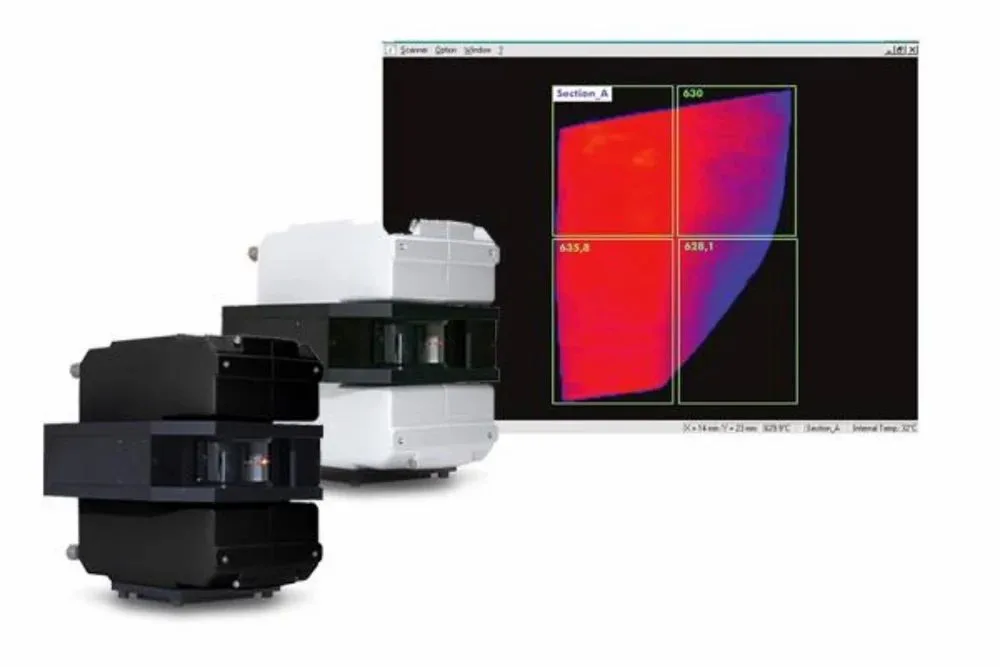
An infrared thermometer is the next step up. It gives you an actual number on a display. But as mentioned earlier, most models have a lower limit around 750°F.
Below that, readings become unreliable. Check the specs before you buy. Some industrial models read as low as 200°F, but they cost more.
A simple timer is a tool too often overlooked. When you place a piece in the cooling zone, set a timer for 45 minutes. When it goes off, check with a heat stick.
This habit removes all guesswork. It is the cheapest safety system you can buy.
For home hobbyists without a full studio setup, here is a practical alternative. Use a dedicated spot on a heat-resistant surface. Mark it with tape.
Do not touch anything in that zone for at least one hour after the kiln opens. Heat sticks are still worth buying. They are small, cheap, and far more reliable than your eyes.
The Corning Museum of Glass, one of the leading educational resources for glassworking, emphasizes the same principle in their safety guidelines. The museum recommends using temperature-indicating tools rather than visual cues for any glass that has been heated within the last hour.
FAQs: Hot vs. Cold Glass Questions, Answered
Does hot glass always glow red?
No. Glass only glows red above roughly 900°F. Below that temperature, it looks identical to cold glass.
This is the most dangerous gap in visual inspection. The burn risk continues well below the glow threshold.
How long does glass stay dangerously hot after coming out of a kiln?
It depends on thickness and ambient temperature. A standard piece at 1/4 inch thick takes about 20 to 30 minutes to cool below 200°F in still air. Thicker pieces, half an inch or more, can take over an hour.
Always use a heat stick to confirm.
Can you tell by tapping or flicking the glass?
No. The sound of glass does not change reliably with temperature. A hot piece can sound the same as a cold piece.
Tapping also risks thermal shock if the glass is still warm. Do not use this method.
Does colored glass heat up more visibly than clear glass?
Slightly, but not enough to trust. Darker colors absorb more infrared energy and may reach the glow threshold a little faster. But the difference is marginal.
Colored glass still hides dangerous heat in the same invisible range.
Is it safe to wear bare hands after a piece "looks cool"?
No. Looking cool is not the same as being cool. Always confirm with a tool.
The surface can appear room temperature while the core is still hot enough to burn. Trust the tool, not your eyes.
Can hot glass ever look frosty or dull?
Sometimes. Certain glass types, particularly borosilicate, can develop a slight haze or devitrification when heated. But this is not a reliable indicator of temperature.
The absence of haze does not mean the glass is cool.
Final Verdict: Respect the Heat, Not Your Eyes
The question "does hot glass look the same as cold glass" has a clear answer. It can, and it often does. The glow that signals heat disappears at roughly 900°F, but the danger persists for hundreds of degrees below that.
Your eyes are not equipped to detect this invisible heat.
The one habit that will protect you long term is simple. Assume every piece of glass is hot until you have confirmed otherwise with a tool. Heat sticks, infrared thermometers, and timers are cheap.
Burns are not. Patience is free. Rushing costs you time, materials, and skin.
Build a routine around your tools. Set a timer for every cooling piece. Use a heat stick before you touch anything that has been near a kiln or torch in the last hour.
Check the kiln controller before opening the door. These small habits add up to a studio where accidents are rare and work is consistent.
Glass is a beautiful, rewarding material. It rewards patience and punishes shortcuts. The safest makers are not the ones with the best eyes.
They are the ones who know when to stop trusting their eyes and start trusting their tools.

Similar Posts